















Modern Waste-to-Energy Plant: Is the “Input” Ready?
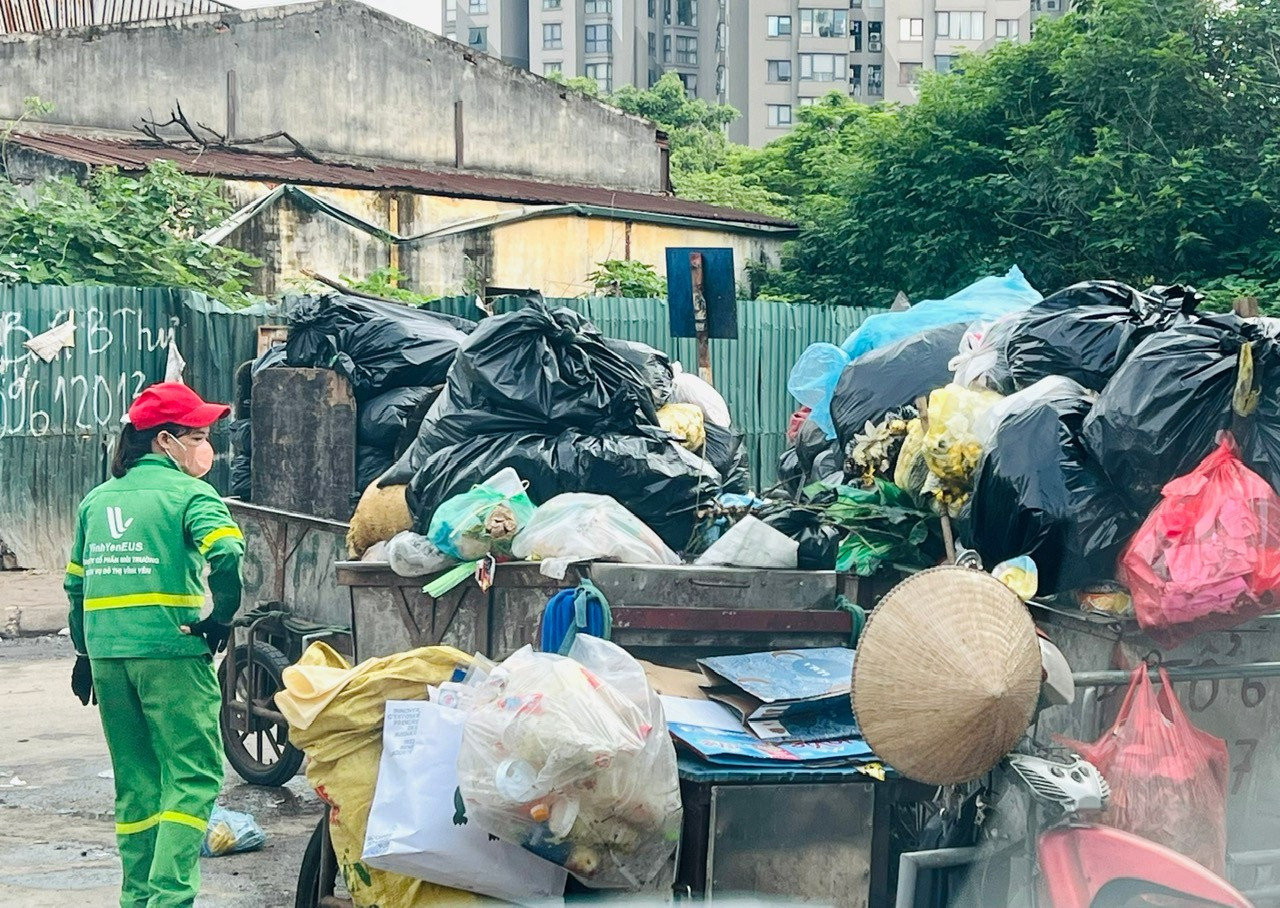
According to data from Hanoi’s Department of Agriculture and Environment, the capital generates approximately 7,000–7,500 tons of household waste daily, most of which is collected without segregation. The 2020 Environmental Protection Law and Decree 08/2022 mandate that by January 1, 2025, residents must sort waste into at least three categories (recyclables, organic waste, and residual waste). However, preparations in districts and wards remain sluggish: there’s a shortage of specialized bins, separate collection routes, and, crucially, public awareness and habits.
Observations reveal that while many wards distribute sorting bags, within days, waste is still mixed due to collection vehicles prioritizing convenience over compliance.
From January 1, 2025, failure to sort waste at the source may incur fines ranging from 500,000 to 1 million VND. Yet, many residents continue to dump all waste types into a single bin. This undermines policy effectiveness and directly hampers the Soc Son Waste-to-Energy Plant’s operations. With incineration technology, the quality of “waste fuel” determines combustion efficiency, electricity output, ash volume, and equipment safety.
Waste as a Burden, Not Energy
Experts emphasize that moisture and contaminants in waste directly impact power generation. High levels of wet food, mixed plastics, metals, batteries, or glass reduce calorific value, increasing smoke and ash emissions.
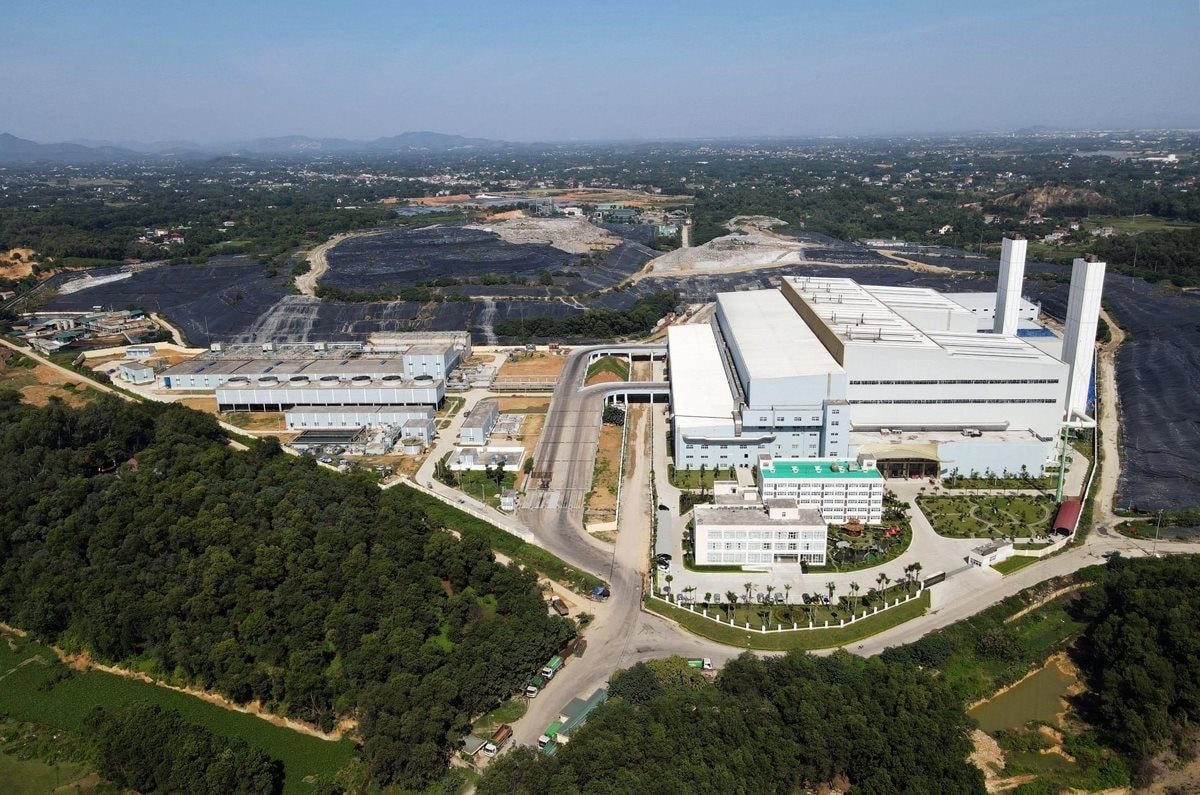
In countries like Japan and South Korea, waste is meticulously sorted before incineration. Only dry, high-calorific waste fuels power generation, while organic waste undergoes biological treatment for biogas or compost. This ensures stable plant operations, minimal emissions, and compliance with stringent environmental standards in cities like Tokyo and Seoul.
In Vietnam, inadequate sorting forces plants to “burn everything,” resulting in low efficiency, high maintenance costs, and increased ash. More critically, hazardous waste (batteries, electronics) risks explosions, equipment corrosion, and heavy metal emissions, threatening worker safety and the environment.
Environmental experts warn that without sorting, waste-to-energy plants risk becoming “high-tech incinerators,” unsustainable and costly. A multi-trillion-dong facility may fail to meet emission reduction and energy recovery goals.
The Risk of “Reliance on the Plant”
A major hurdle is public complacency. Upon hearing of the Soc Son plant, many assume “no need to sort—the plant will handle it.” Some view the plant as a “final solution,” reducing motivation for household sorting campaigns.
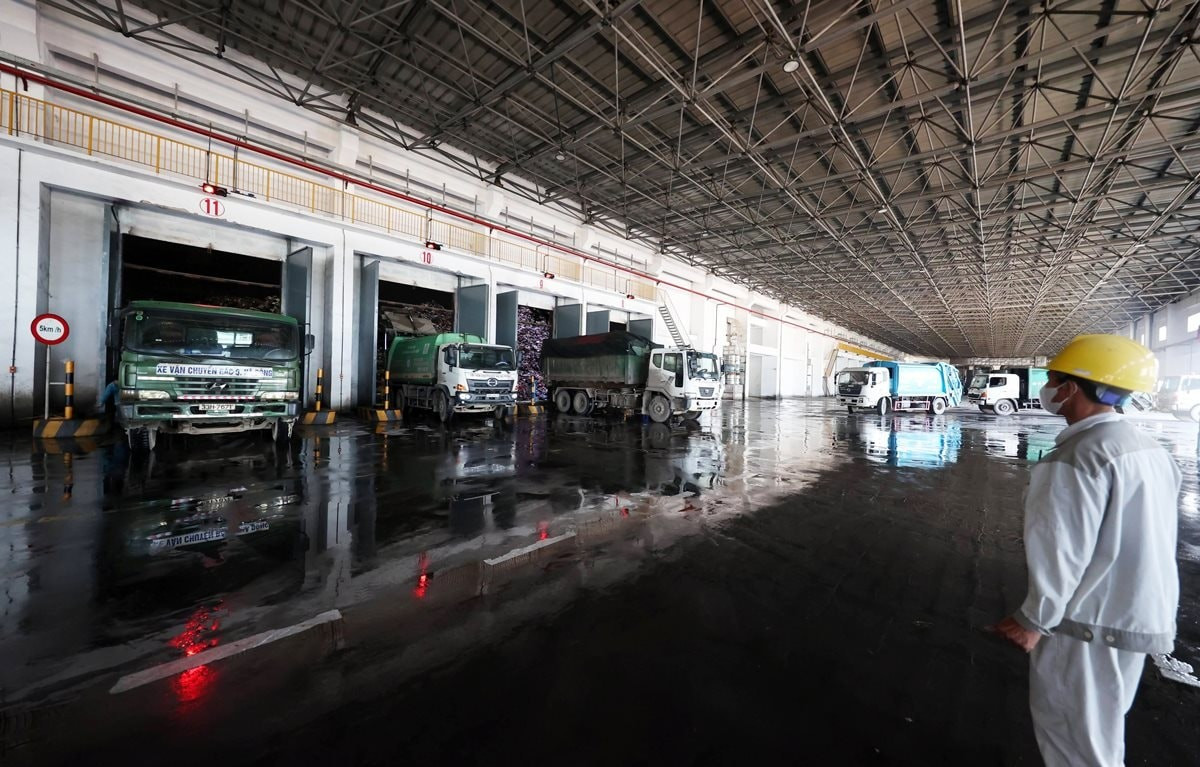
This mindset could derail Hanoi’s entire waste management strategy. Even advanced plants require quality input; poor waste degrades equipment lifespan and efficiency. Consequently, the city would incur higher annual costs for maintenance, ash treatment, and emissions control—expenses reducible with proper sorting.
Experts stress: “Waste-to-energy is no miracle. Unsorted waste is just thermal landfilling.”
Source segregation is foundational for Hanoi’s circular economy ambitions. Sorted waste enables material recovery (plastics, metals, paper, glass), reducing virgin resource extraction.
A 2024 World Bank study suggests effective sorting could cut Vietnam’s landfill volume by 40%, saving hundreds of billions of VND annually. Conversely, unsorted waste wastes recyclables and incurs higher costs.
Policy-wise, sorting enables a “polluter-pays” model, charging fees based on residual waste volume. This incentivizes waste reduction and funds advanced treatment technologies.
Making Sorting Mandatory and Beneficial
To avoid “modern plant, outdated policies,” Hanoi must implement:
1. Integrated Collection Infrastructure: Three-compartment bins, dedicated routes, specialized vehicles, and clear schedules for each waste type. Mixed collection undermines household efforts.
2. Community Education and Engagement: Treat sorting as a “civilized urban norm.” Emulate Da Nang’s model, where schools teach sorting and neighborhoods compete for “Green Street” titles.
3. Incentives and Penalties: Fines for non-compliance; reduced sanitation fees or rewards for exemplary neighborhoods.
4. Transfer Stations: Preliminary sorting to remove hazardous or bulky items, enhancing input quality and safety.
5. Transparent Plant Data: Publish recycling rates, ash volumes, and emissions for public oversight. Visible results will boost participation.
Source segregation is no slogan; it’s the backbone of urban waste management. Success means reduced pollution, budget savings, and a civilized, sustainable city. Failure risks a 21st-century plant operating on 20th-century waste management logic.
Unlock Savings: How a 570Wp Solar Panel Investment of Just 2 Million VND Can Slash Your Monthly Energy Bills in Hanoi

Harnessing residential solar power isn’t just a trendy eco-friendly choice—it’s a smart financial move that slashes your monthly electricity bills while reducing your carbon footprint.
Paradox of Hanoi Condo Prices: Record Highs, Strong Liquidity, but Unclear Origins of Demand

Ms. Nguyen Hoai An, Senior Director of CBRE Hanoi, stated that the liquidity of the apartment market remains positive, despite prices reaching a very high level.
SGO Group Launches Low-Rise Project in Phúc Thọ, Hanoi, Following T&T and Sunshine Group

On October 18th, SGO Group’s investment ecosystem (comprising Hai Phat Investment & Real Estate Business JSC – Hai Phat Land, SGO Investment & Real Estate Business JSC – SGO Land, and SGO Construction General Contractor JSC – SGO Construction) officially launched the groundbreaking ceremony for the Dong Ca Low-Rise Housing Area project – SGO La Porta Phuc Tho.
Thousands Frustrated as Week-Long Efforts Fail to Submit Social Housing Applications Online

Struggling to secure a NOXH online application for Rice Long Châu, a determined couple took turns requesting leave from work, meticulously planning shifts to ensure one of them could submit their application. Despite their relentless efforts, success remained elusive. The developer’s daily cap of 70 online submissions has left thousands of hopeful applicants in limbo, unable to finalize their registration.
Expert Strategies to Stabilize the Real Estate Market

In addition to construction costs, land expenses play a significant role in determining both the cost and selling price of apartments, alongside profit expectations. When cost considerations are effectively addressed, the market can introduce more affordable products, meeting the substantial demand of urban residents.