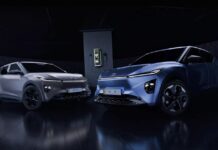




















Perodua has officially launched the QV-E in Malaysia, priced at 80,000 ringgit (approximately $510 million). However, this price excludes the battery pack, requiring customers to lease the battery monthly for vehicle operation.
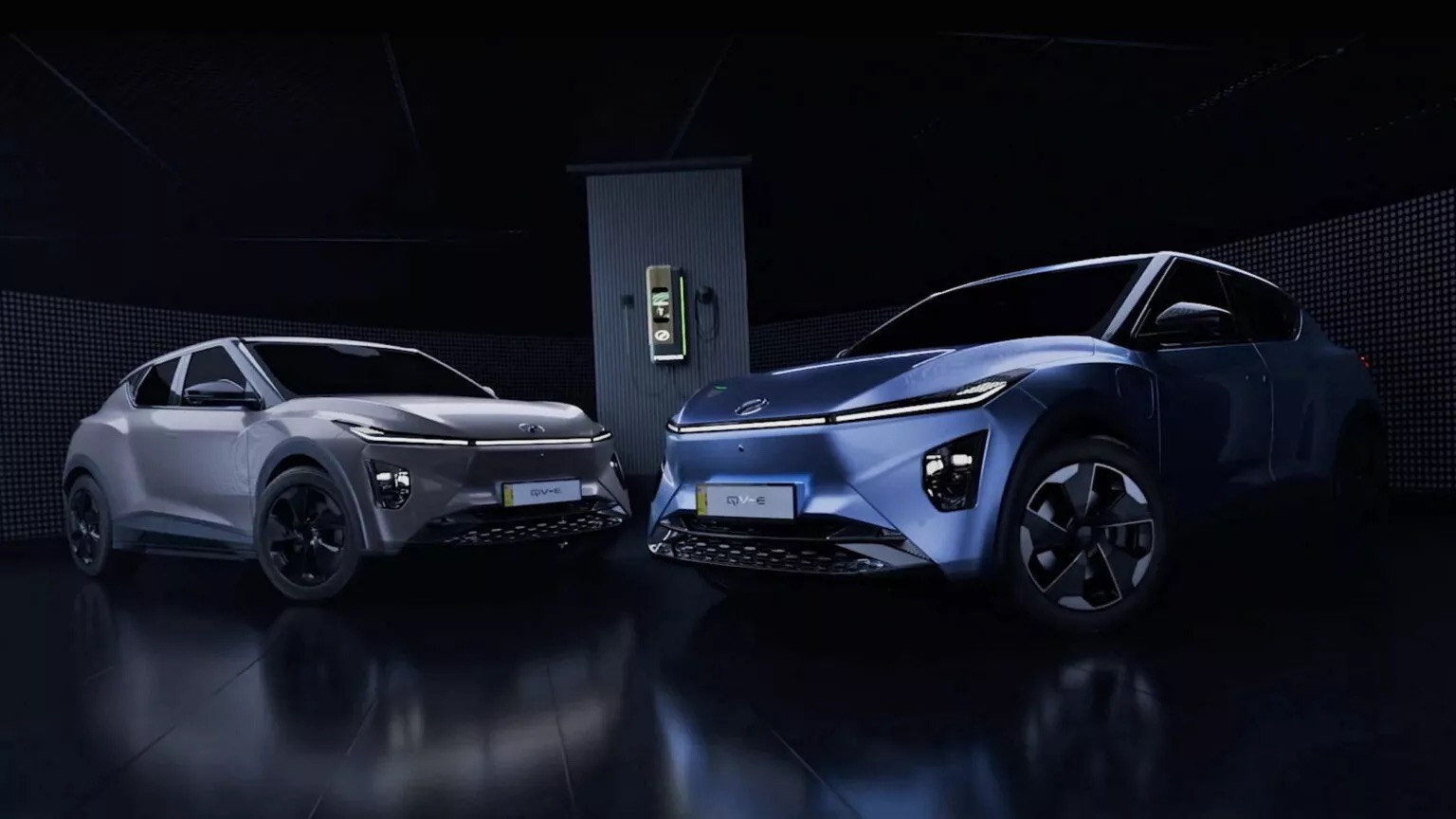
Malaysia Unveils Its First Electric Vehicle. Photo: Perodua
The QV-E project, codenamed P01A, began in 2023 with an investment of nearly 800 million ringgit in research and development. Over two years, Perodua introduced prototypes EMO, EMO-I, and EMO-II, progressively refining the design and core technology.
The QV-E impresses with its compact crossover design, modern lines, a sleek coupe-like roof, and horizontal LED taillights. Measuring 4,170 mm in length, it rivals the Kia Sonet, while its 2,680 mm wheelbase is comparable to the Mazda CX-5.
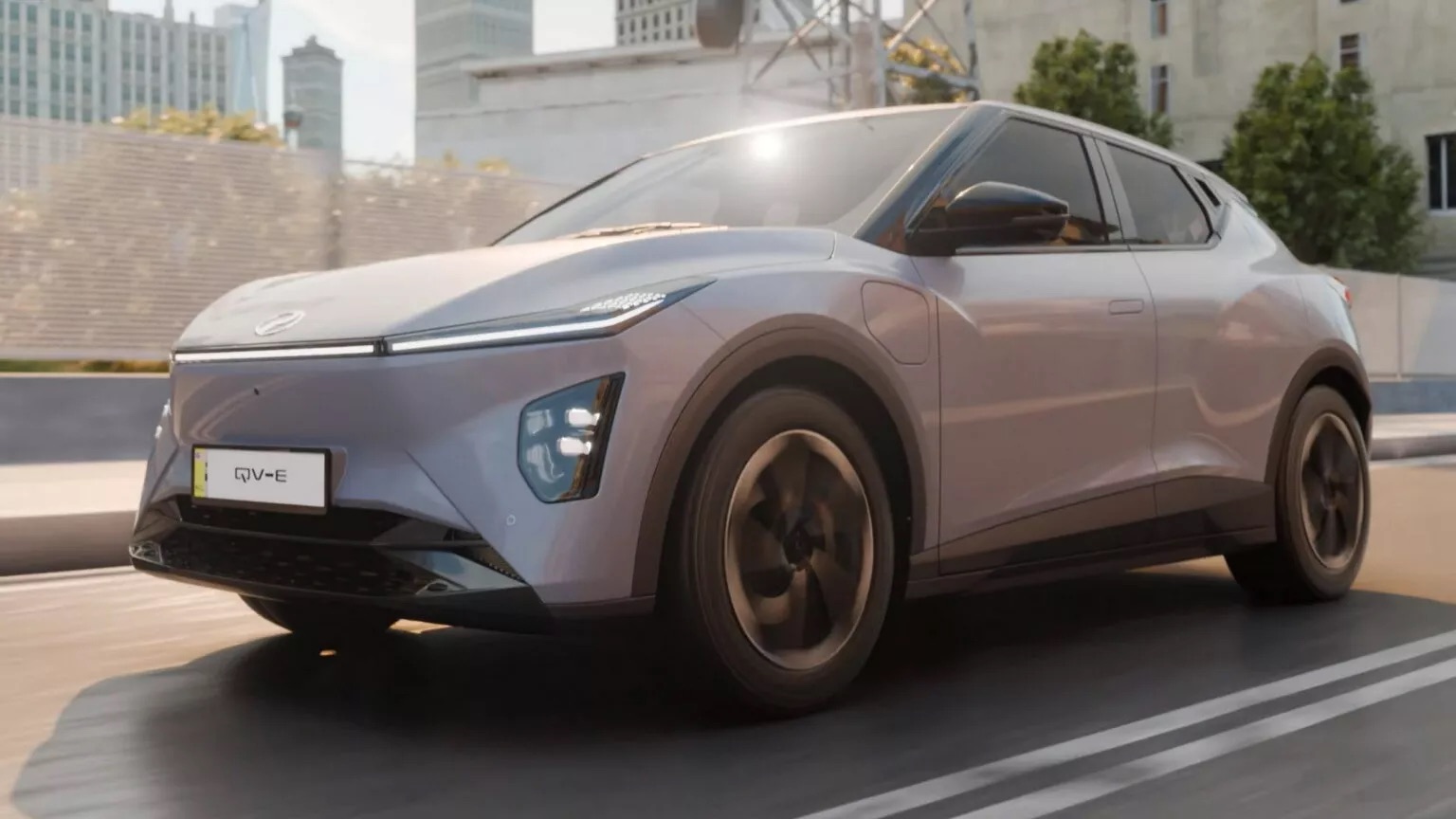
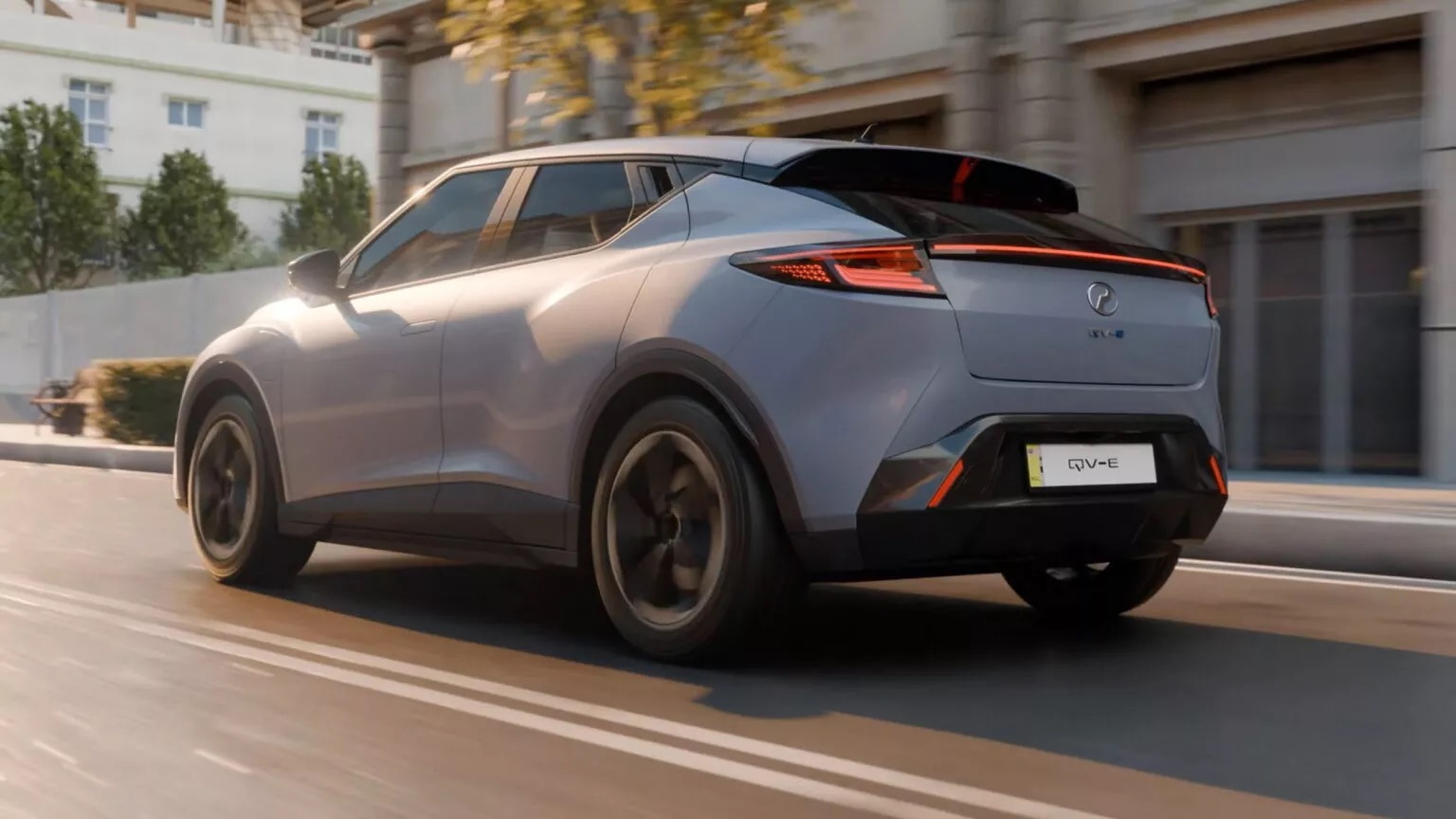
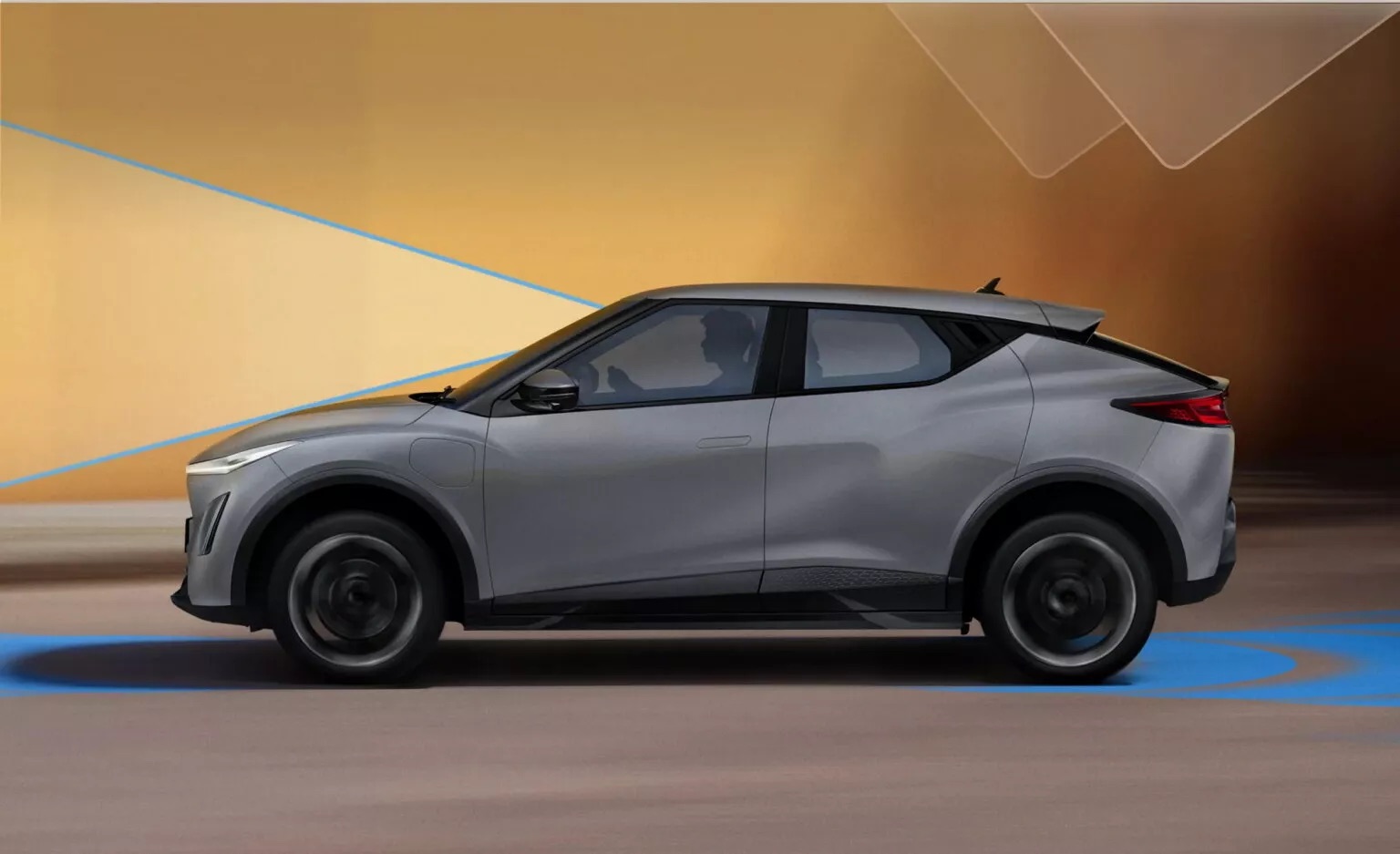
Modern Coupe Design with Extended Wheelbase. Photo: Perodua
Inside, the cabin adopts a minimalist approach, featuring dual 10.25-inch screens for entertainment and instrument display. The interior, while not overly elaborate, aligns with its goal of being Malaysia’s first mass-market EV.
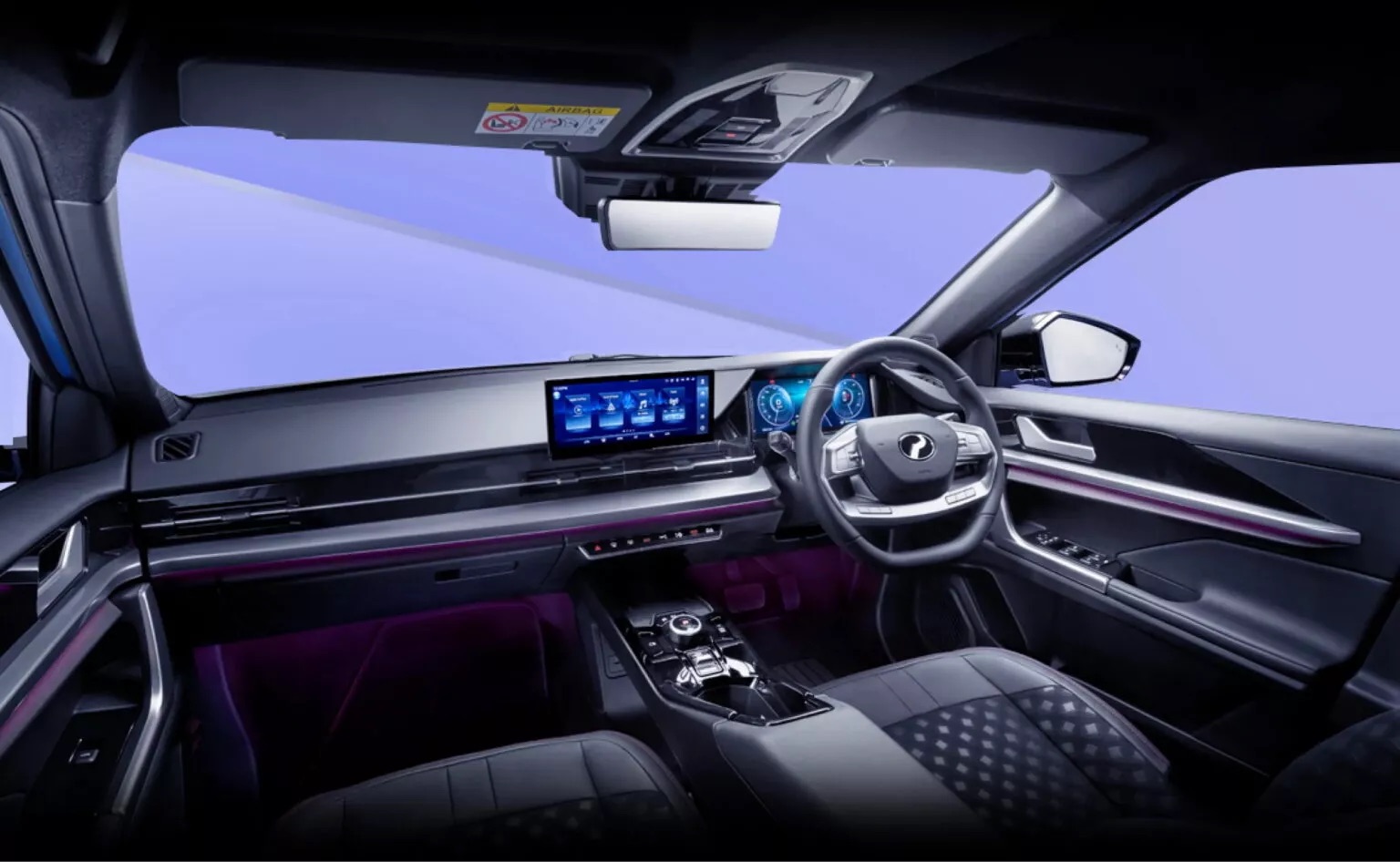
Minimalist Interior Reflects Current Trends. Photo: Perodua
The QV-E is equipped with a 201 hp electric motor, front-wheel drive, and accelerates from 0 to 100 km/h in 7.5 seconds. Its 52.5 kWh LFP battery, supplied by CATL, offers a maximum range of 445 km under the NEDC standard.
However, the battery is not included in the vehicle’s price. Owners must lease the battery for 275 ringgit monthly (approximately $1.75 million), bundled into the monthly payment.
Perodua plans to assemble the QV-E in Malaysia, starting with 500 units per month and scaling up to 3,000 by Q3 2026. The company aims to achieve 50% local production by 2026 and 70% by 2030.
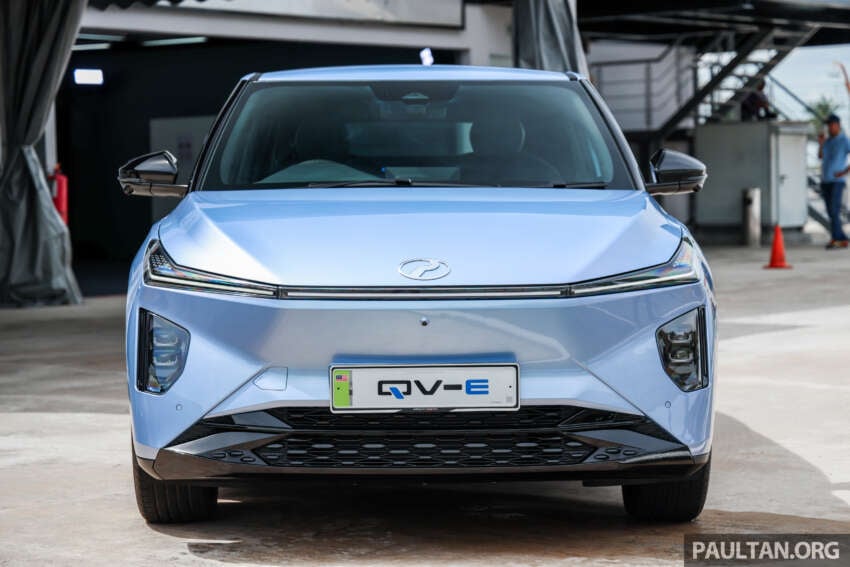
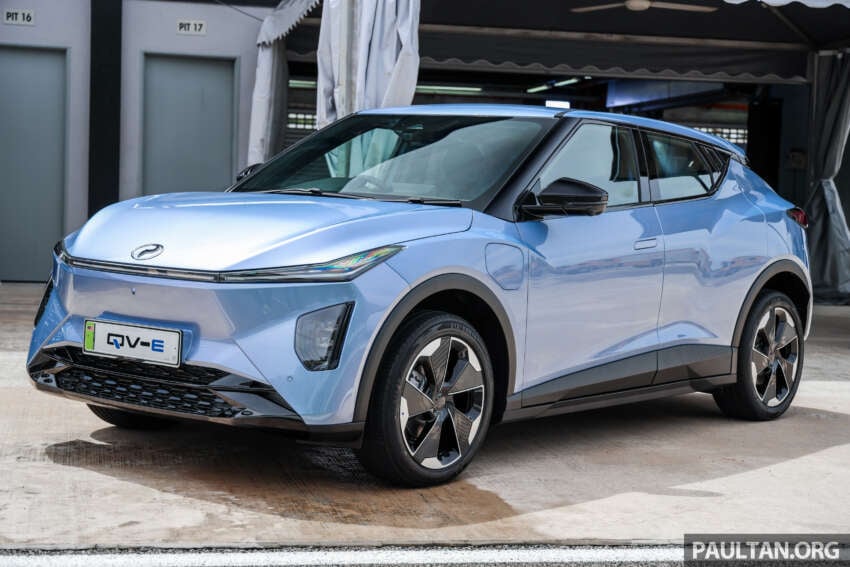
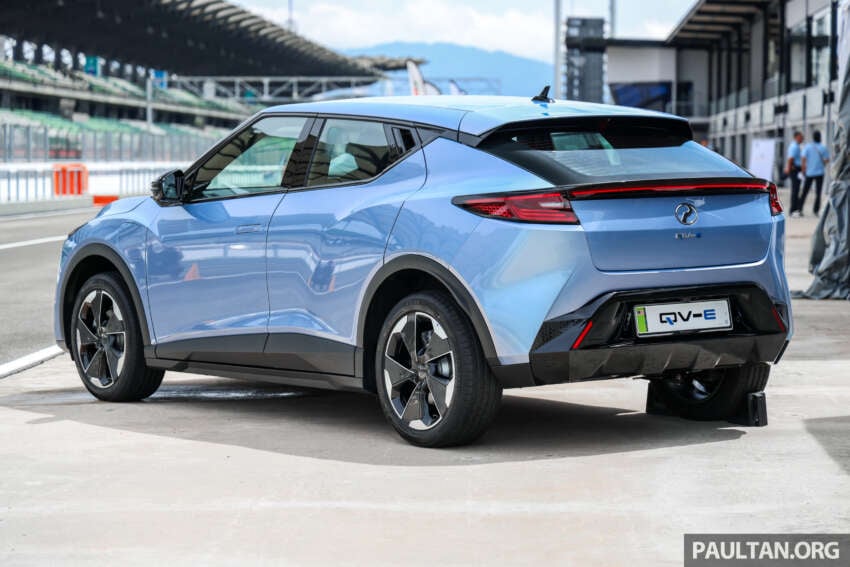
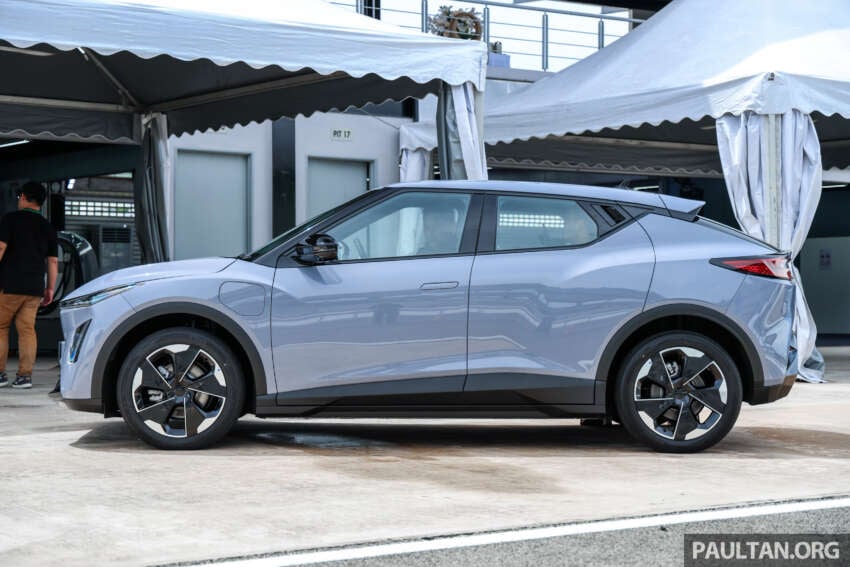
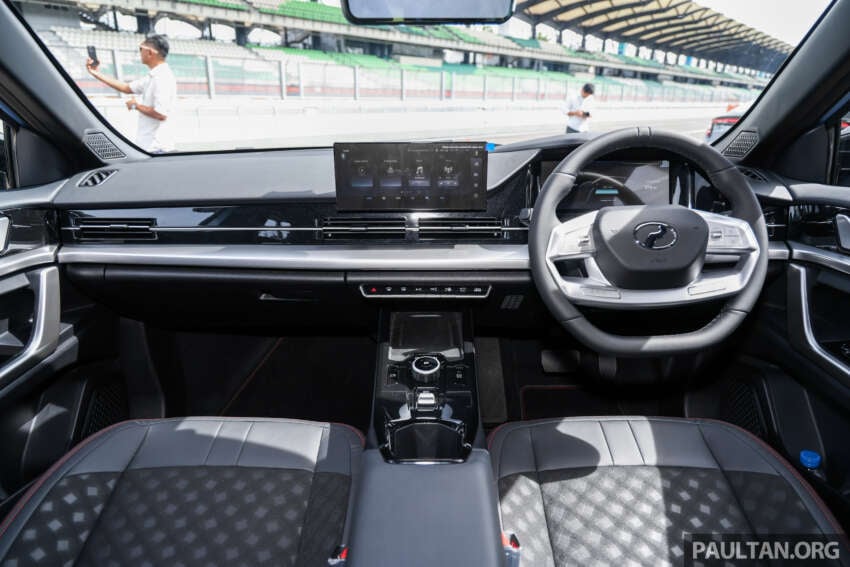
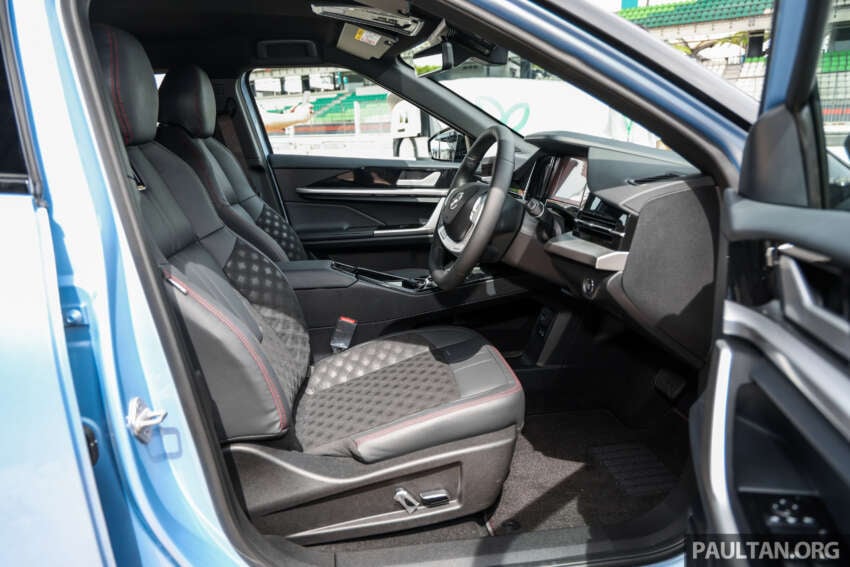
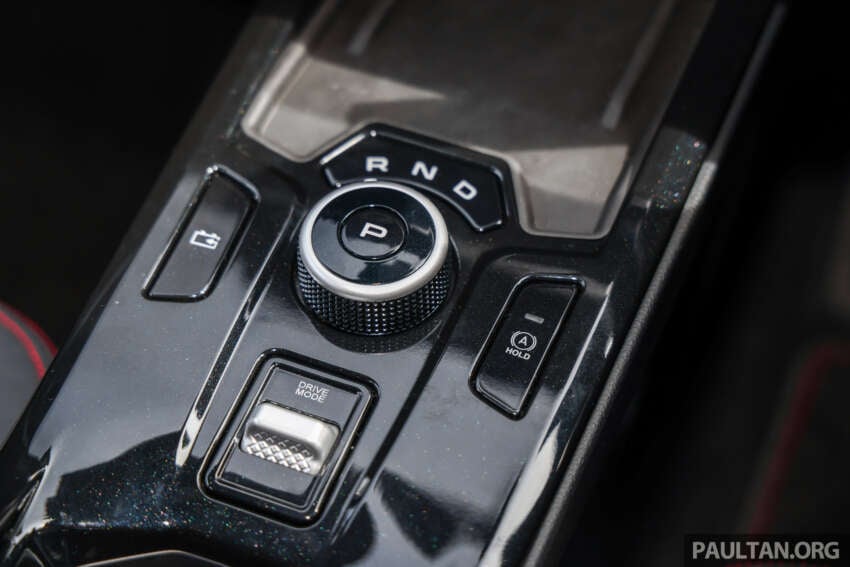
Photo: Paultan