
















During a parliamentary session on December 1st, discussing the draft resolution of the National Assembly (NA) outlining mechanisms and policies to address challenges in implementing the Land Law, many delegates focused on the new provisions regarding land reclamation.
Supporting Citizens for a Better Life
The government’s draft proposes adding three scenarios where the state can reclaim land for socio-economic development in the national and public interest. One such case involves projects where land-use agreements have expired, requiring completion of negotiations. For projects with over 75% of the land area and 75% of landowners agreeing, the Provincial People’s Council may approve reclaiming the remaining land for the investor.
Delegate Nguyễn Thị Thu Thủy (Gia Lai) questioned the basis for the 75% threshold, suggesting it may not suit all projects due to varying scales and sizes. She warned that the 25% non-consent rate could lead to social instability, security issues, and administrative complaints.
Delegate Hà Sỹ Đồng (Quảng Trị) highlighted this provision as a critical yet sensitive aspect of the resolution, directly impacting citizens’ constitutionally protected property rights. He suggested raising the threshold to 80-85% for greater legal safety and social acceptance, or limiting its application to national strategic projects with prolonged compensation issues.
“The key lies in fair compensation mechanisms, transparent dialogue, resettlement support, and independent oversight. Legislation should mandate independent negotiation boards, reputable land valuation firms, and full transparency in documentation,” Hà Sỹ Đồng emphasized.
Regarding land reclamation for national defense, security, or public interest, Hà Sỹ Đồng urged clear criteria for “public interest” and ensuring resettlement completion before reclamation, guaranteeing citizens new homes and livelihoods. “The Land Law and resolution will succeed when citizens are supported to live better, not displaced into hardship. This is the ultimate policy goal,” he stated.
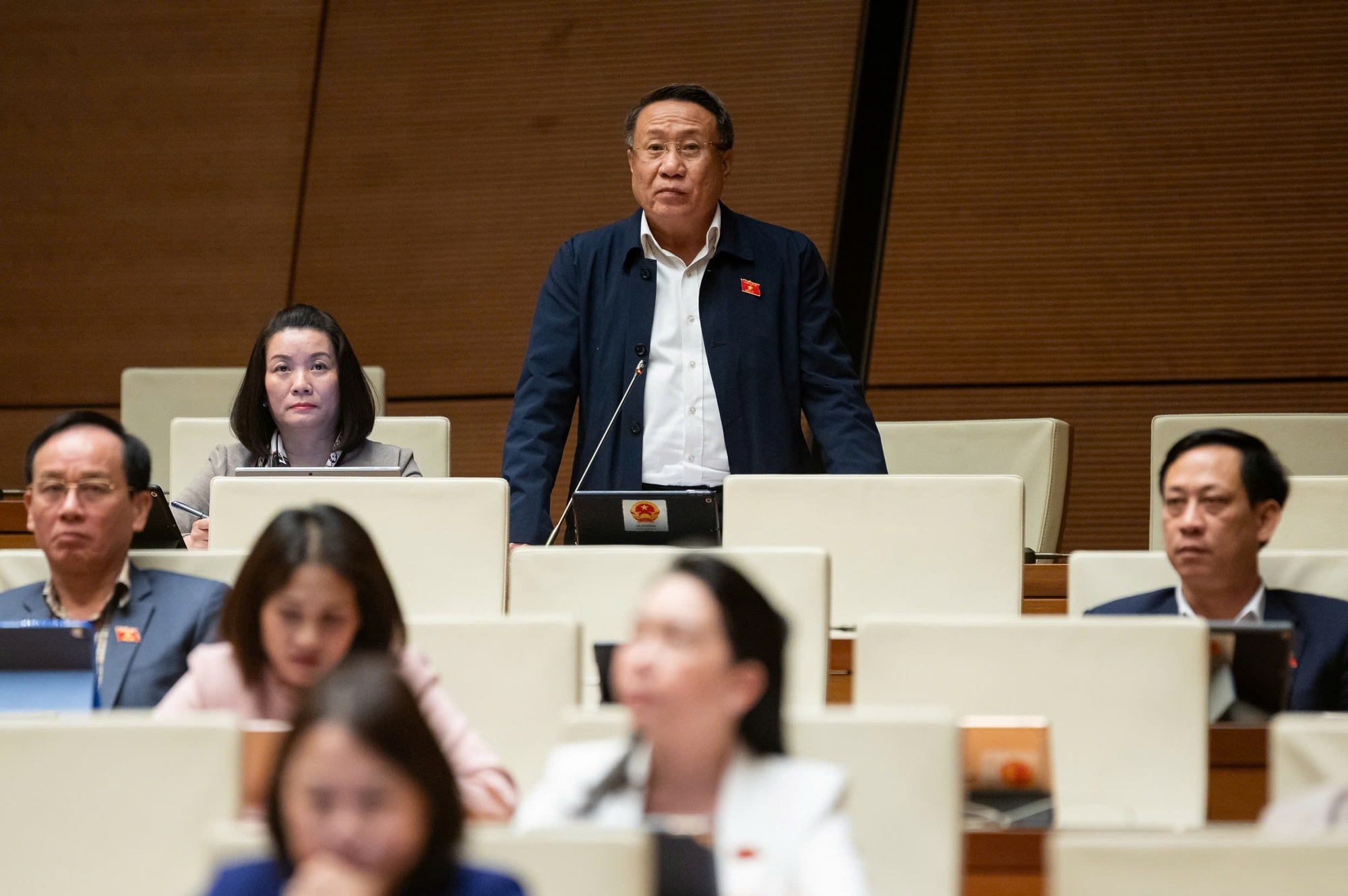
Delegate Hà Sỹ Đồng (Quảng Trị) warns that loose land law provisions may lead to prolonged disputes and social discord. Photo: Phạm Thắng
Balancing Stakeholder Interests
Delegate Đàng Thị Mỹ Hương (Khánh Hòa) proposed mandatory public consultations and dialogue when consent falls below 75%, with documented records for transparency. She also advocated for livelihood support, including vocational training, production capital, and periodic policy effectiveness evaluations.
Multiple delegates suggested unifying compensation standards for structures on reclaimed land, providing new construction value when remnants fail technical standards.
Delegate Trần Chí Cường (Đà Nẵng) proposed that if compensation costs fall below average negotiated levels, affected citizens receive the difference, funded by investors and included in project costs. “While state land reclamation is necessary to expedite projects, citizens’ legal rights must be safeguarded,” he asserted.
December 11th: Adoption of Resolution Amending Resolution 98/2023
On the same day, with majority approval, the NA adjusted its 10th session agenda, adding the review of a draft resolution amending Resolution 98/2023 on pilot mechanisms for Ho Chi Minh City’s development.
On December 3rd, Finance Minister Nguyễn Văn Thắng will present the draft, followed by delegate group discussions. Plenary discussions will occur on December 8th, with final voting on December 11th.
The NA will also amend Resolution 170/2024 to address land project challenges in Ho Chi Minh City, Da Nang, and Khanh Hoa, with decisions included in the session’s final resolution.
Lawmaker Proposes Citizens Receive Compensation Difference When Land Acquisition Prices Fall Below Agreed Rates

Every member of the National Assembly unanimously supported the proposal that citizens should receive the difference if the land compensation price is lower than the agreed-upon value.
Unblocking Land-Related Bottlenecks: A Comprehensive Solution

The National Assembly is considering the adoption of a resolution introducing new mechanisms and policies regarding land reclamation and land valuation. These measures aim to address existing challenges and meet the practical demands of the current situation.
Dong Nai: Criticism Directed at the People’s Committees of Dong Tam, Tan Loi, and Nghia Trung Communes
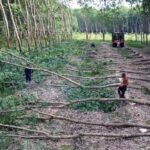
The People’s Committee of Dong Nai Province has issued a reprimand and corrective action to three units for failing to meet their implementation deadlines: the People’s Committees of Dong Tam, Tan Loi, and Nghia Trung communes.
Đà Lạt Valley Flower Estate Owner Loses Over 1.5 Hectares of Land to Lâm Đồng Province’s Reclamation
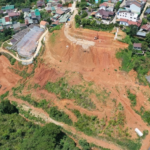
The People’s Committee of Lam Dong Province has officially reclaimed the entire 15,214 square meters of land previously allocated to Saigon Construction and Investment Trading Company Limited. This land, originally designated for the development of the Da Lat Flower Valley residential project, is now fully under the province’s control.
Haiphong Reclaims Over 2.5 Hectares of Prime Land from Do Son International Hotel Project
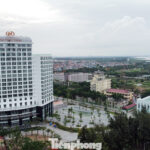
The city of Hai Phong has announced the reclamation of over 25,200 square meters of prime coastal land in Do Son, part of the Do Son International Hotel Project by Hanoi’s Nam Cuong Group Corporation.