According to the Law on Health Insurance (HI), only certain groups are entitled to have 95%-100% of their medical examination and treatment costs covered by the HI fund. The remaining groups are covered at 80%, with the patients co-paying the remaining 20%.
However, HI participants belonging to the 80% coverage group still have the opportunity to receive 100% coverage if they have continuously participated in the HI program for 5 years.
100% Coverage for HI Participants with 5 Years of Continuous Enrollment
Specifically, Point d, Clause 1, Article 22 of the HI Law stipulates that HI participants will be entitled to 100% coverage of medical examination and treatment costs if they have continuously participated in the HI program for 5 years or more and their co-payment amount in a year is greater than 6 times the reference level.
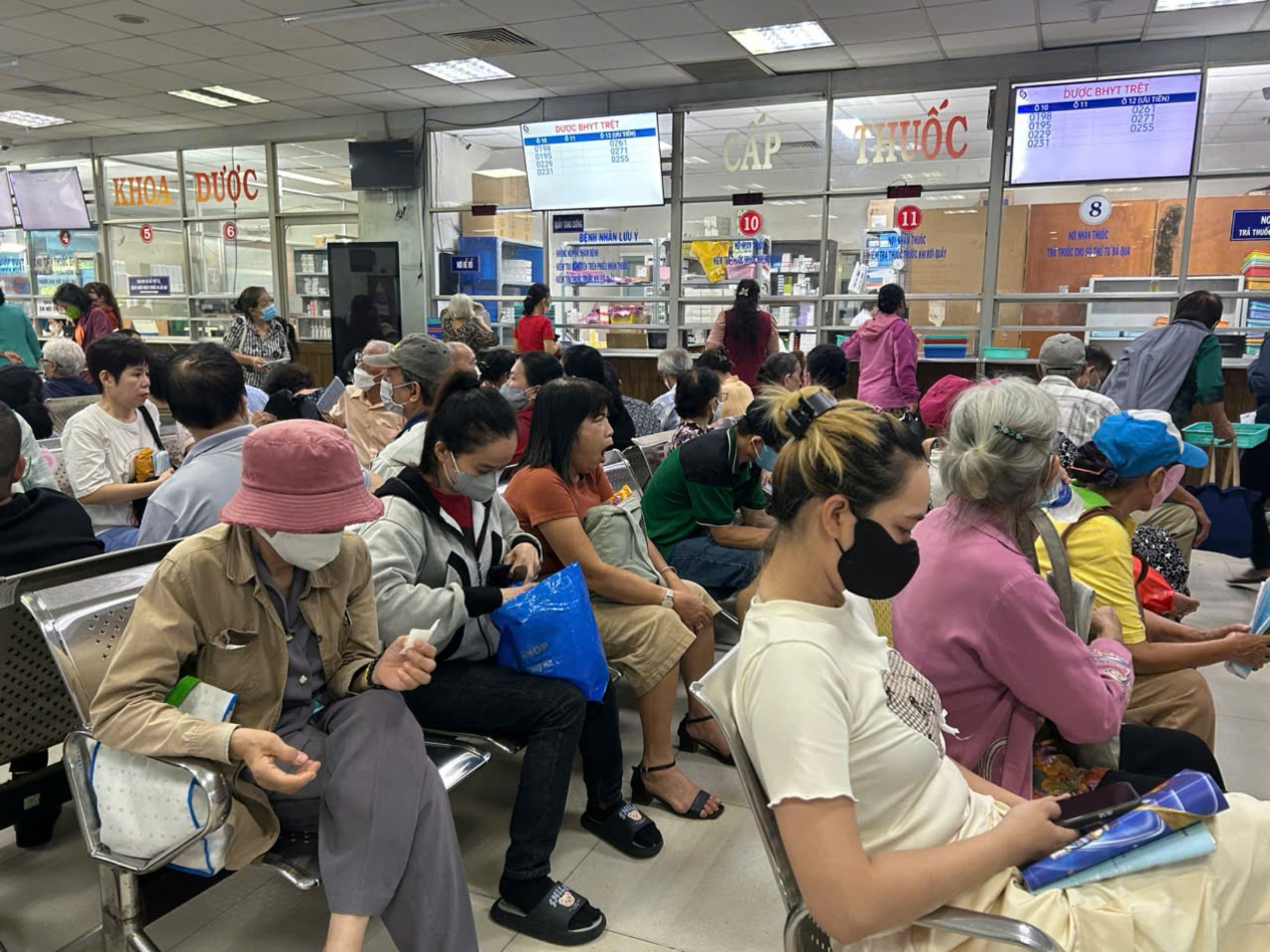
HI participants in the 80% coverage group can still achieve 100% coverage if they have been enrolled continuously for 5 years.
Thus, to qualify for 100% coverage, the first condition is that the patient has been enrolled in HI continuously for 5 years. However, there are some cases where patients have interrupted or stopped paying HI premiums but are still considered enrolled and eligible for this “privilege.”
These exceptional cases are stipulated in Article 18 of Decree No. 188/2025/ND-CP (detailing and guiding the implementation of some articles of the HI Law).
Special Cases
Accordingly, there are 6 cases where individuals who have not paid HI premiums are still considered to have continuous HI participation and are eligible for the 100% coverage as per Point d, Clause 1, Article 22 of the HI Law.
The first case is an interruption in HI participation of up to 90 days.
The second case applies to individuals who are sent by competent authorities on business trips, study, or work assignments; or as spouses or children under 18 years old accompanying their parents on official term assignments at Vietnamese agencies abroad. In such cases, the time spent abroad is considered as HI participation time.
The third case concerns laborers going abroad for work under contracts and individuals sent by state agencies to work abroad. The HI participation time before their departure will be considered consecutive if they continue their HI participation upon returning to Vietnam (within 30 days from the date of entry).
The fourth case applies during the period when unemployed laborers are applying for unemployment benefits (excluding the period from the date of termination of the contract to the date of submission of the application for unemployment benefits). In this case, the previous HI participation time will be considered consecutive.
The fifth case applies to 3 groups of HI participants belonging to the armed forces who retire, leave the military, transfer to another sector, or leave their jobs. These groups are as follows:
(1) Military officers, professional soldiers, officers and non-commissioned officers with specialized ranks in the public security force, and those working in cryptography and receiving salaries equivalent to military personnel.
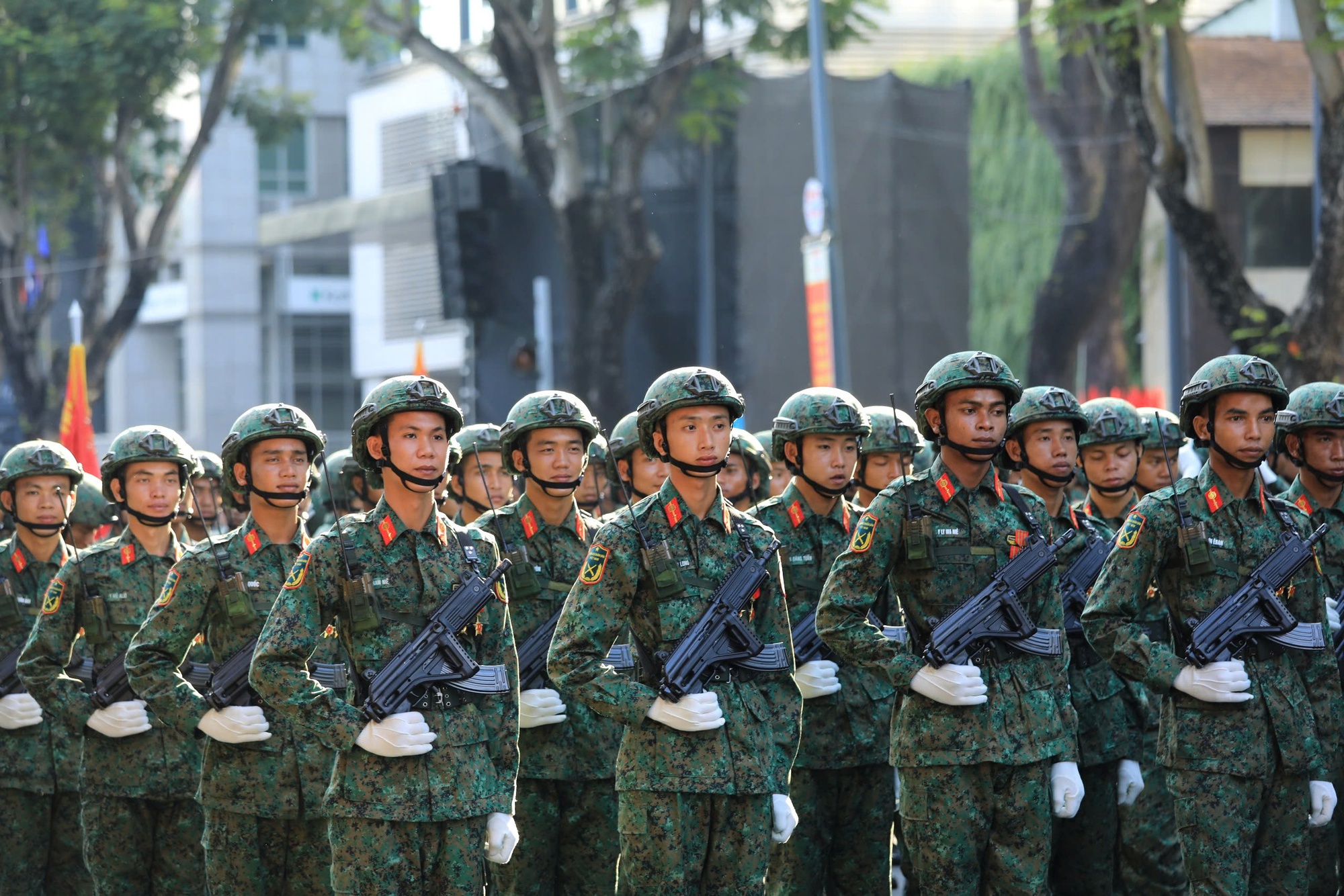
HI participants from the armed forces who retire, leave the military, transfer to another sector, or leave their jobs are still considered as having continuous HI participation.
(2) Non-commissioned officers, soldiers in the army; non-commissioned officers, soldiers on duty in the public security force; military, public security, and cryptography students receiving living allowances and who are Vietnamese citizens.
(3) Students in the three-month reserve officer training program who have not yet participated in social insurance and HI.
For these 3 groups, the time spent studying, working in the military, public security, and cryptography organizations is considered as HI participation time.
In cases where there is insufficient basis to determine the HI participation time, the insurance agency shall base its decision on one of the following documents issued by the units they belonged to: Social Insurance Book, military discharge decision, resignation decision; personal profile; or a certificate of work experience issued by the unit at the regimental level or higher to determine the HI participation time.
The sixth case applies to full-time militia members who have completed their service. For this group, the time spent in service is considered as HI participation time.
The Latest Regulations on Using Health Insurance for Medical Treatment: What You Need to Know to Secure Your Benefits

The latest regulations on health insurance medical examination and treatment procedures are something patients need to be aware of.
The Unpaid Bills Pile Up: Ho Chi Minh City Hospitals Await Over $105 Million in Health Insurance Claims: What Does Vietnam Social Security Have to Say?

The Vietnamese Social Security has officially responded to the Ministry of Health regarding the issue of hospitals in Ho Chi Minh City being owed over VND 2,485 billion.
The New Healthcare Insurance Regulations: What You Need to Know

As of today, August 15th, the new decree 188/2025 on health insurance comes into effect, bringing significant changes to the benefits enjoyed by policyholders. The new decree enhances coverage, offers more flexible payment conditions for special cases, and tightens up on fraud with stricter card retrieval and temporary blocking measures.
“A Proposal to Support Voluntary Social Insurance Contributions for Workers Aged 45 to 60 to Ensure Retirement Benefits”

We propose an additional 20% support for voluntary social insurance participants, on top of the existing 20% central support. This means that participants who have contributed to the social insurance fund for a total of 15 years will be eligible for a pension.
“A Plea for Inclusion: Expanding Healthcare Coverage to More Vulnerable Groups”

The proposed addition of new beneficiary groups under the draft law has sparked interest and discussion among delegates, particularly regarding the suggestion to include the family members of regular military personnel as a group eligible for state-funded health insurance. This amendment aims to extend coverage to a wider range of individuals, ensuring that they have access to essential healthcare services.