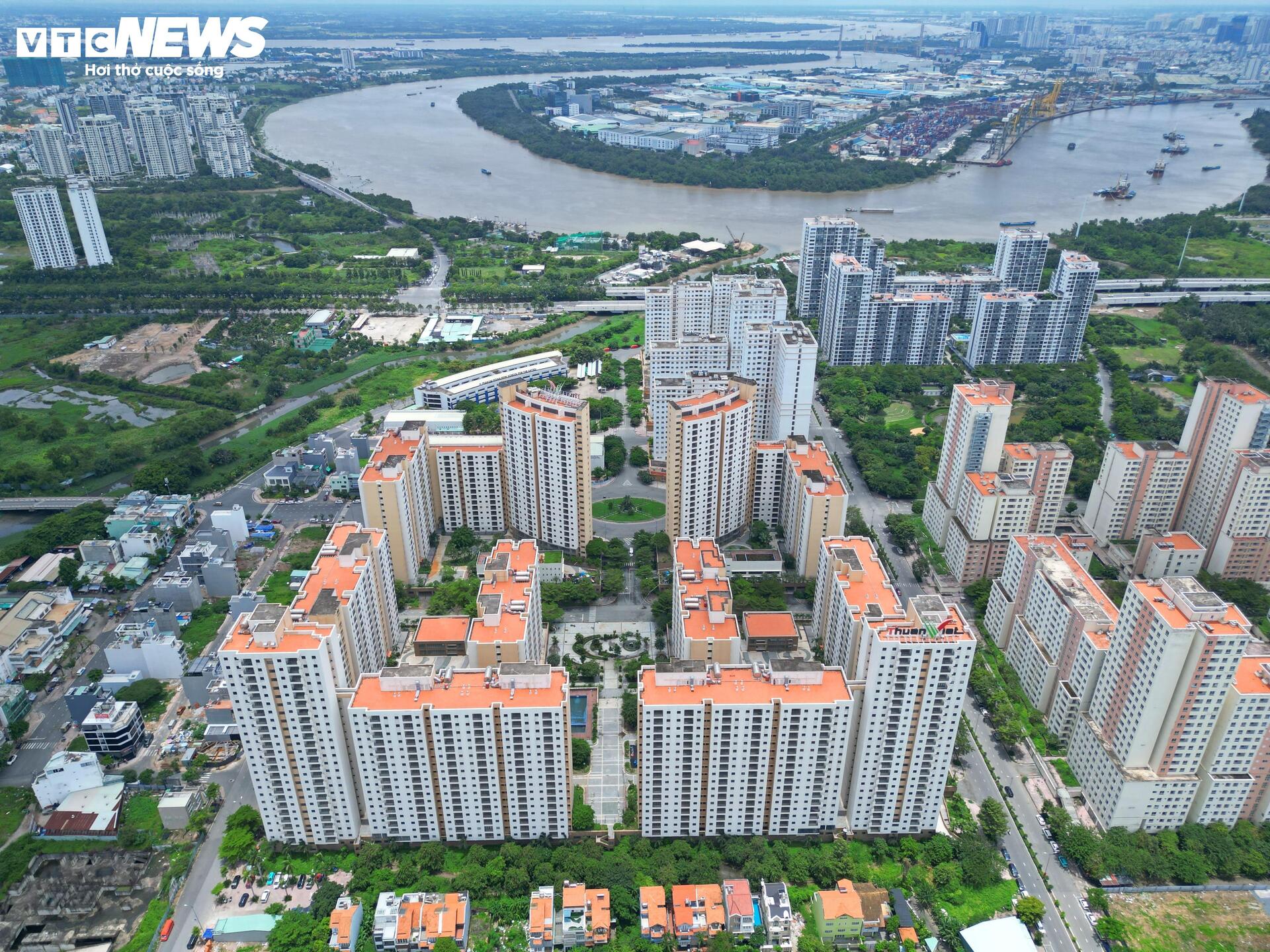
The Binh Khanh resettlement area in An Khanh Ward, Ho Chi Minh City, spans 38.4 hectares and is part of a program to construct 12,500 apartments for the Thu Thiem Urban Area resettlement project. Completed in 2015, the city has allocated 2,924 apartments to resettled residents, leaving 5,626 unoccupied units. Of these, 3,790 apartments will be auctioned to recoup state capital, while the remaining units will be managed and utilized by the city according to future plans.
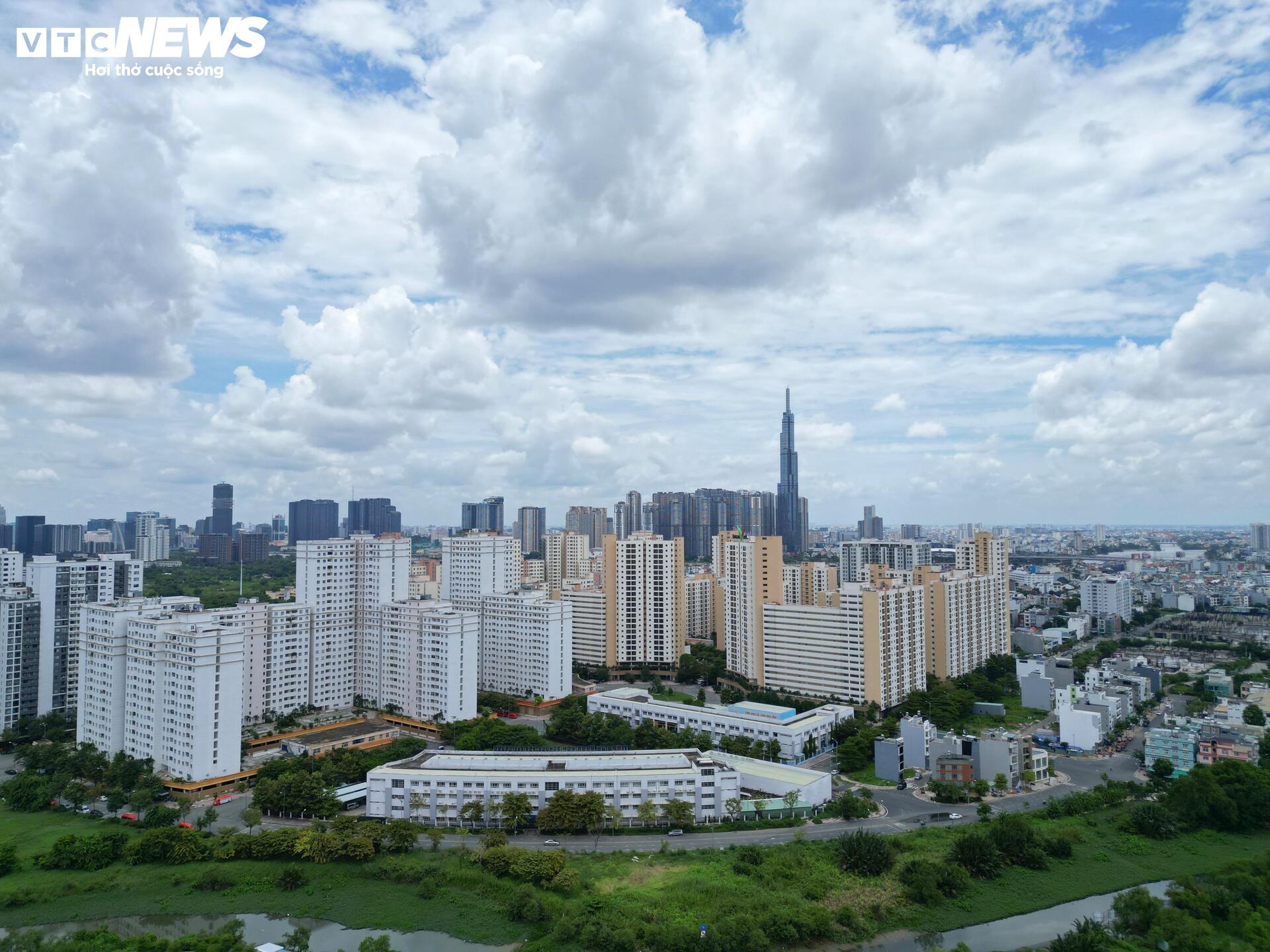
Over the years, Ho Chi Minh City has repeatedly attempted to auction off these 3,790 resettlement apartments to attract investors and recoup state budget funds. However, after four attempts, all auctions have been unsuccessful.
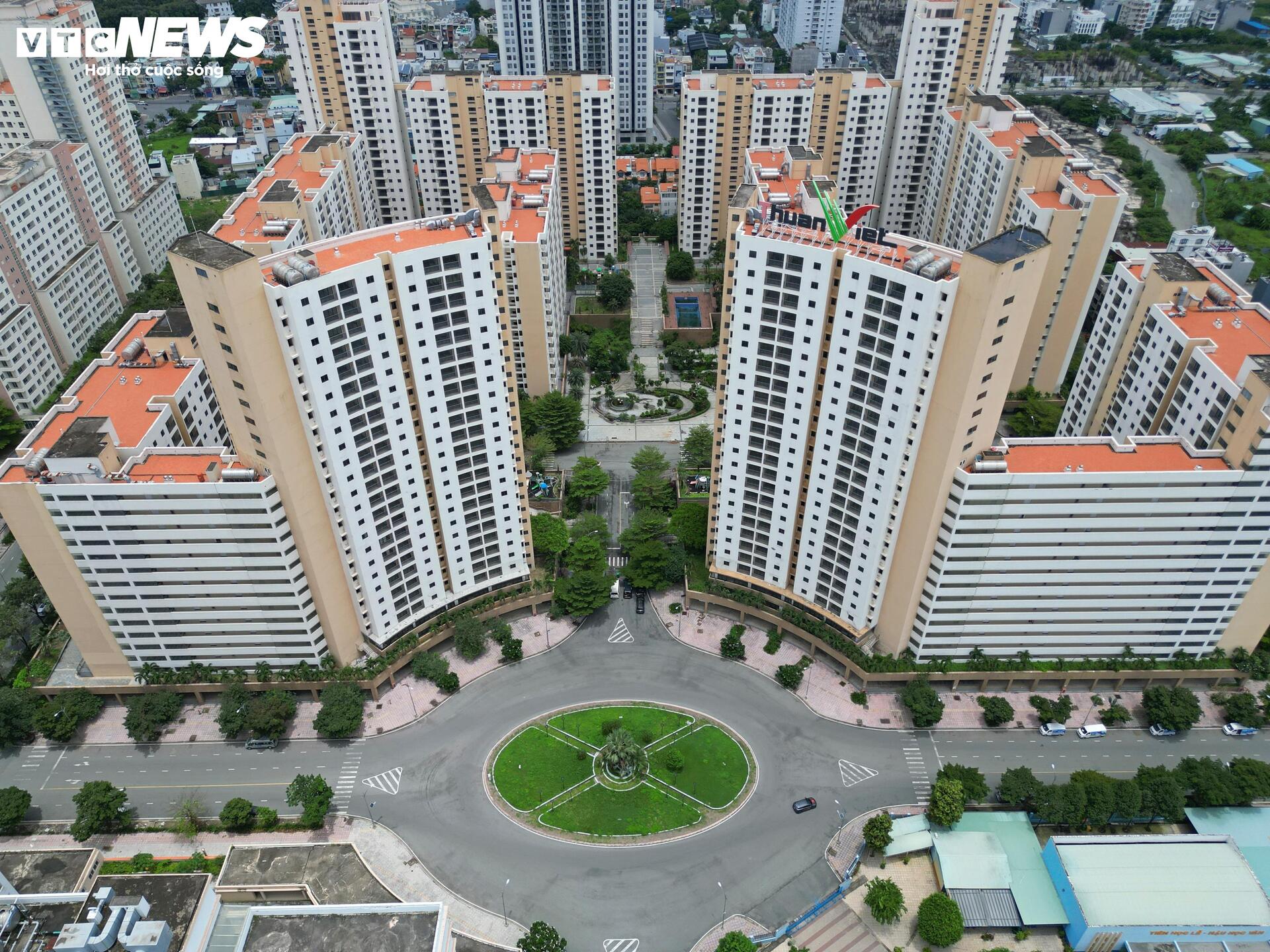
The primary reason for the failed auctions is believed to be the high reserve price compared to the market average, making investors cautious. Additionally, after years of being vacant, the apartments have deteriorated in quality, reducing their appeal and making it challenging to transfer ownership.
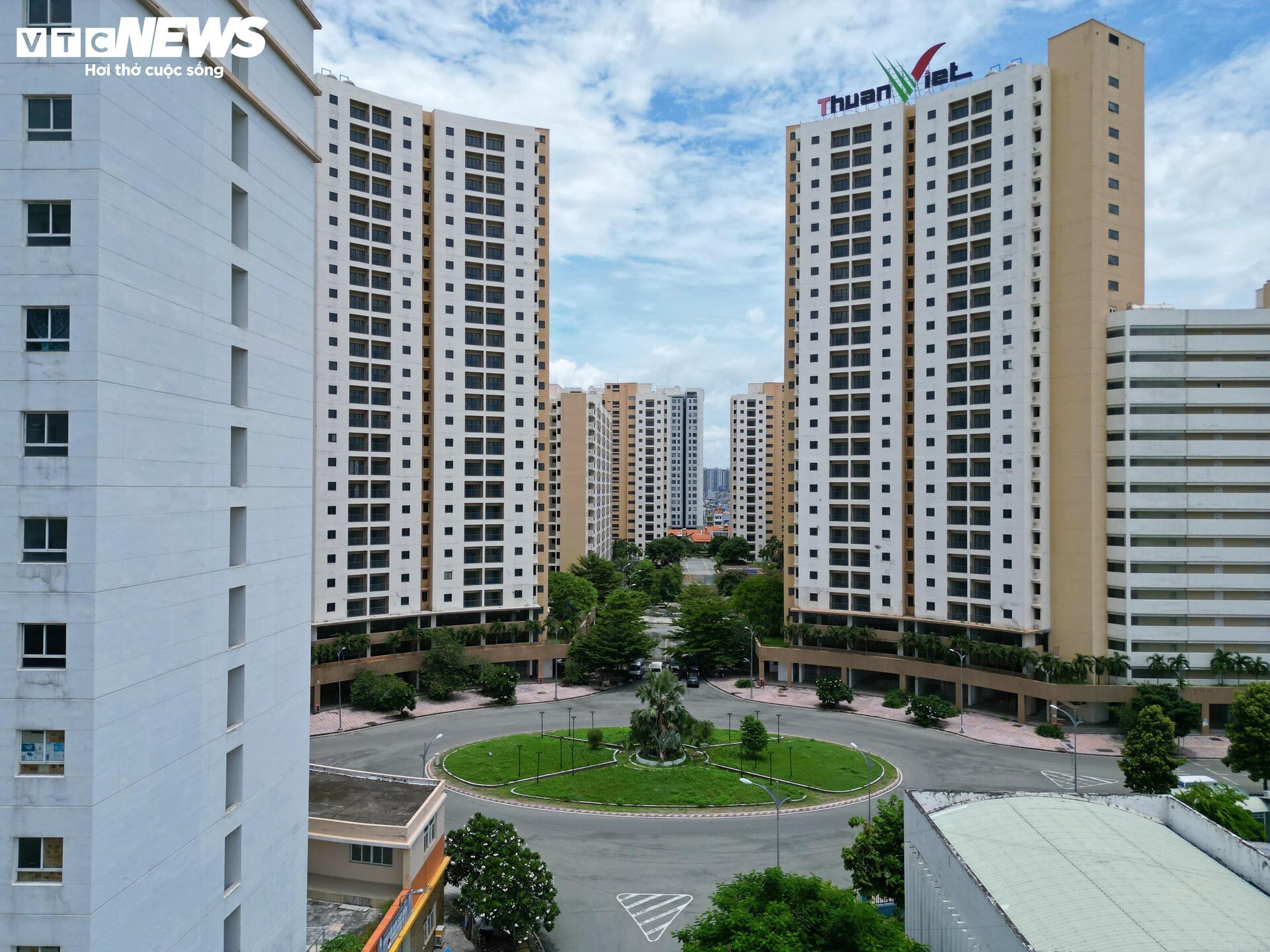
Recently, the Ho Chi Minh City People’s Committee announced plans to auction 3,790 apartments in the Thu Thiem New Urban Area resettlement area in An Khanh Ward. As these apartments were funded by the state budget, the auction will adhere to regulations governing the management and use of public assets.
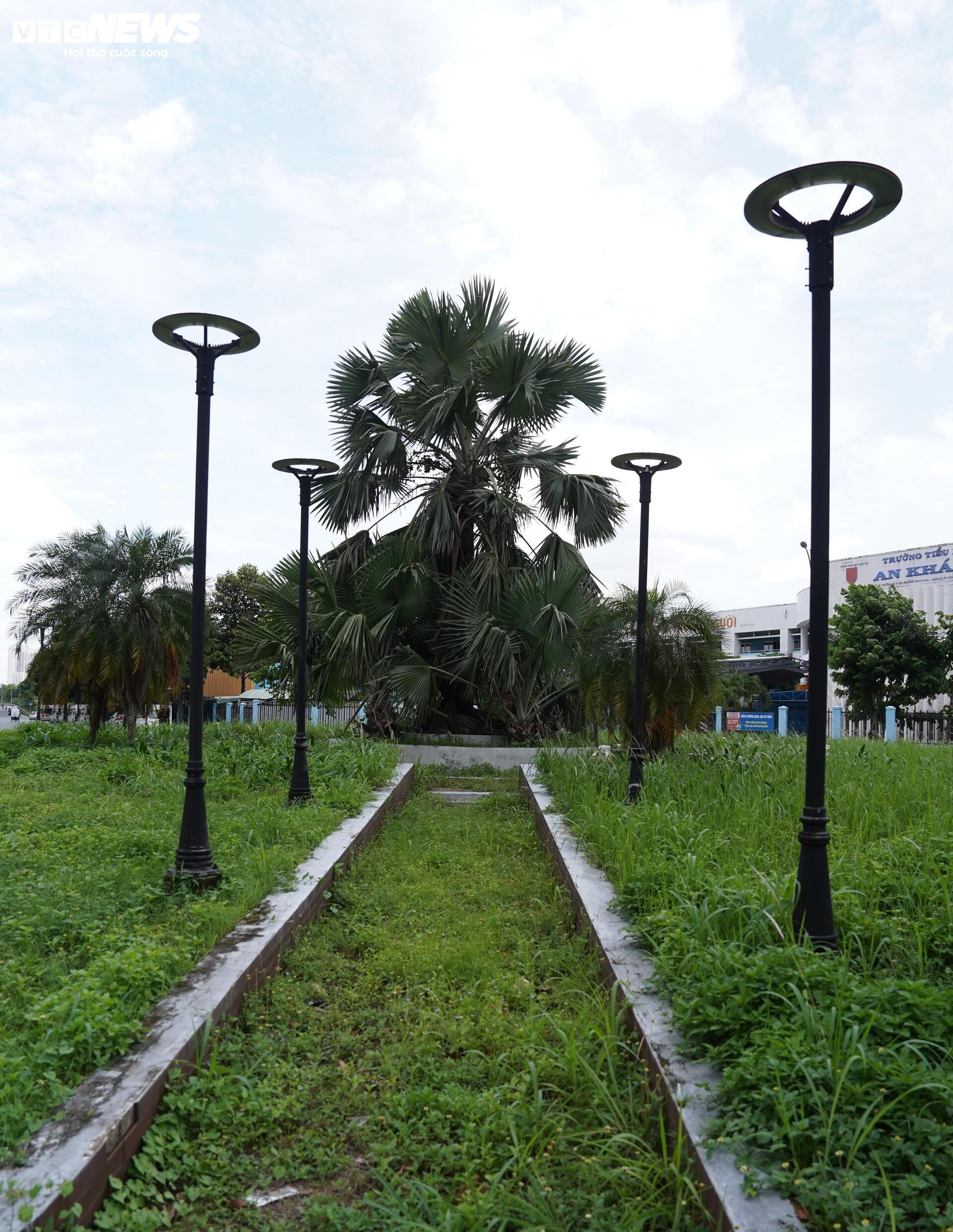
According to the recently announced plan, Ho Chi Minh City will divide the 3,790 resettlement apartments into two blocks for auction: 2,220 apartments in blocks R1, R2, and R3, and 1,570 apartments in blocks R4 and R5. All these apartments will be sold for commercial residential purposes.
Ho Chi Minh City has entrusted the Department of Agriculture and Environment to take charge of the auction process and instructed relevant departments, sectors, and the People’s Committee of An Khanh Ward to coordinate and expedite the auction of these 3,790 apartments.
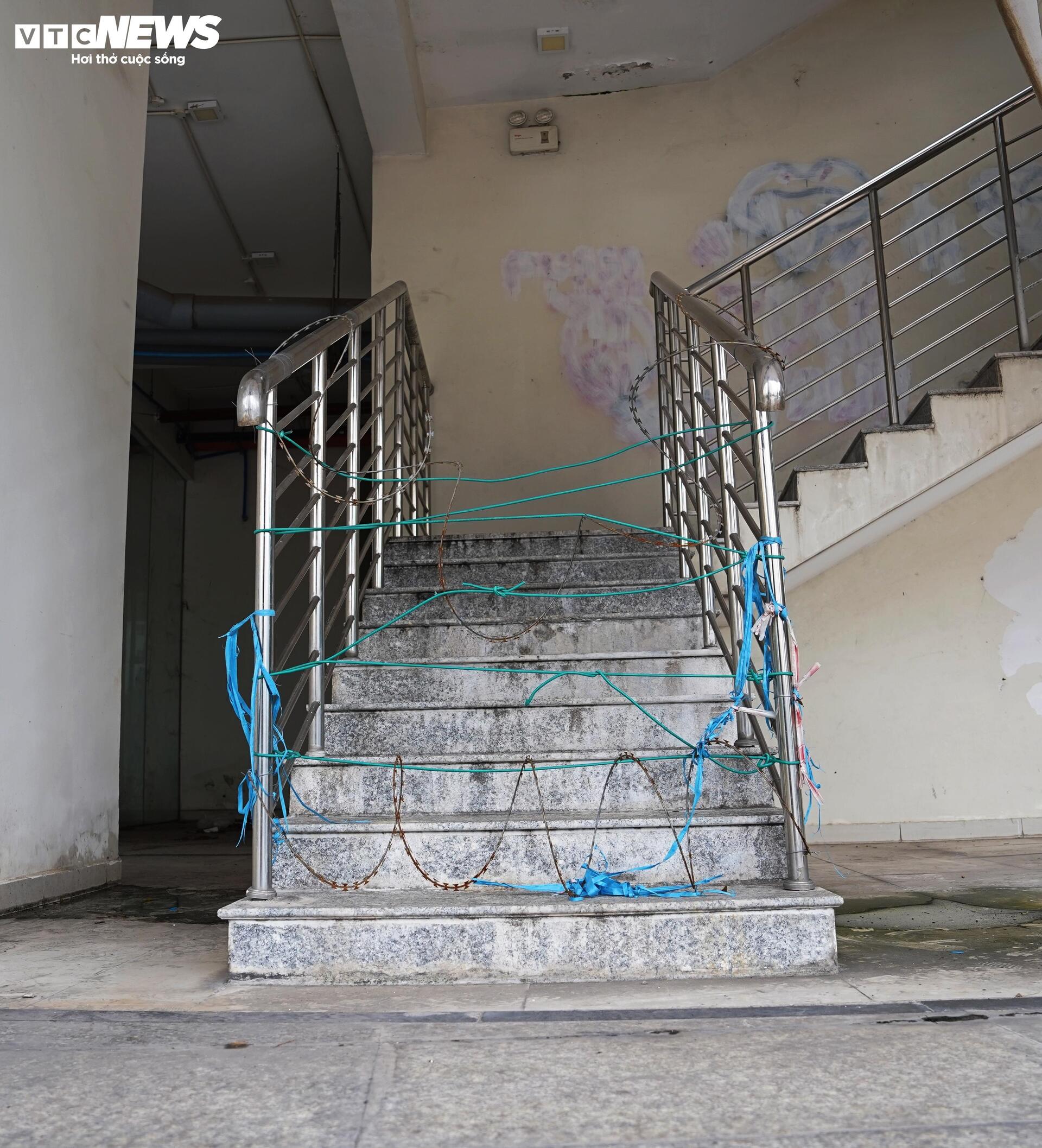
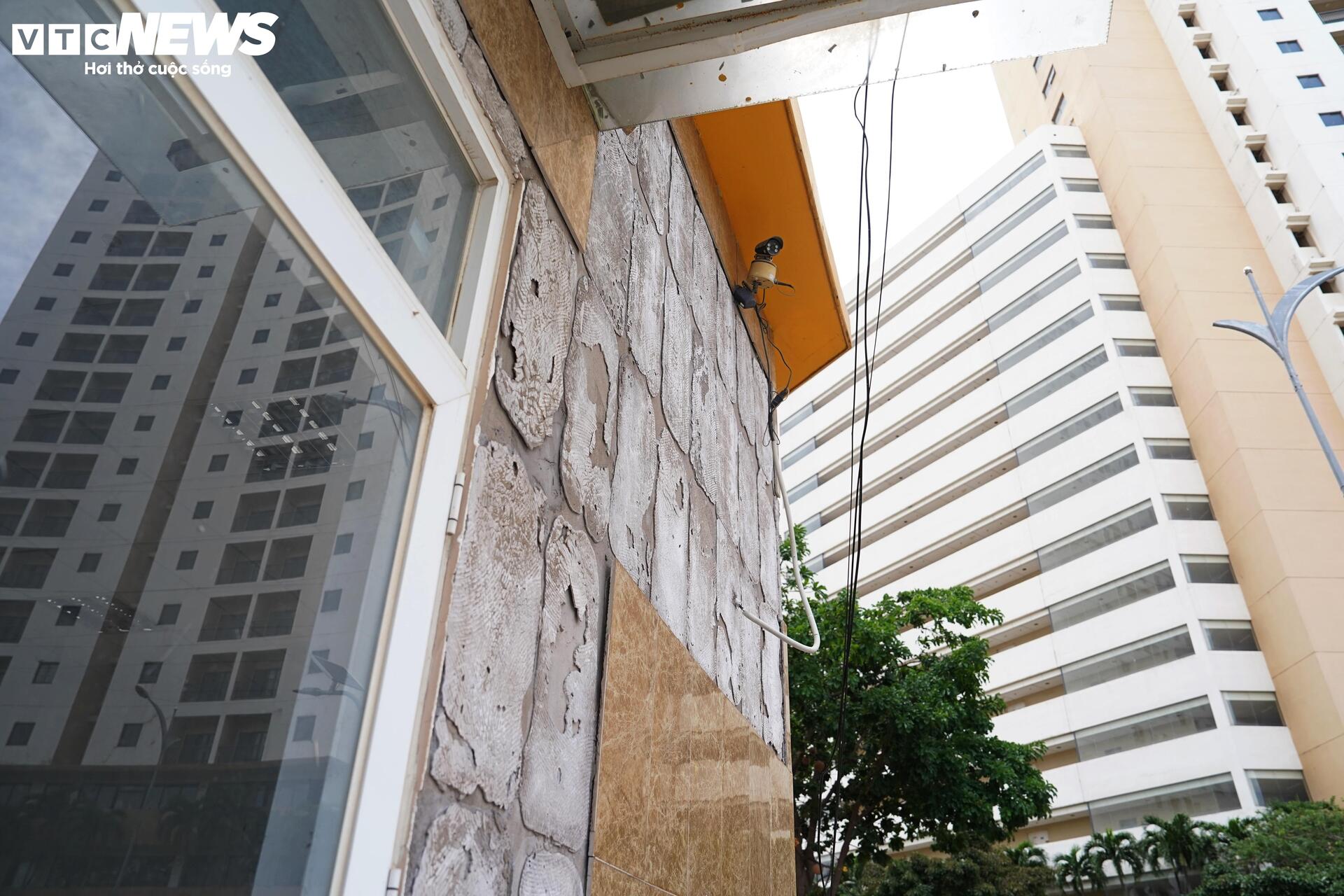
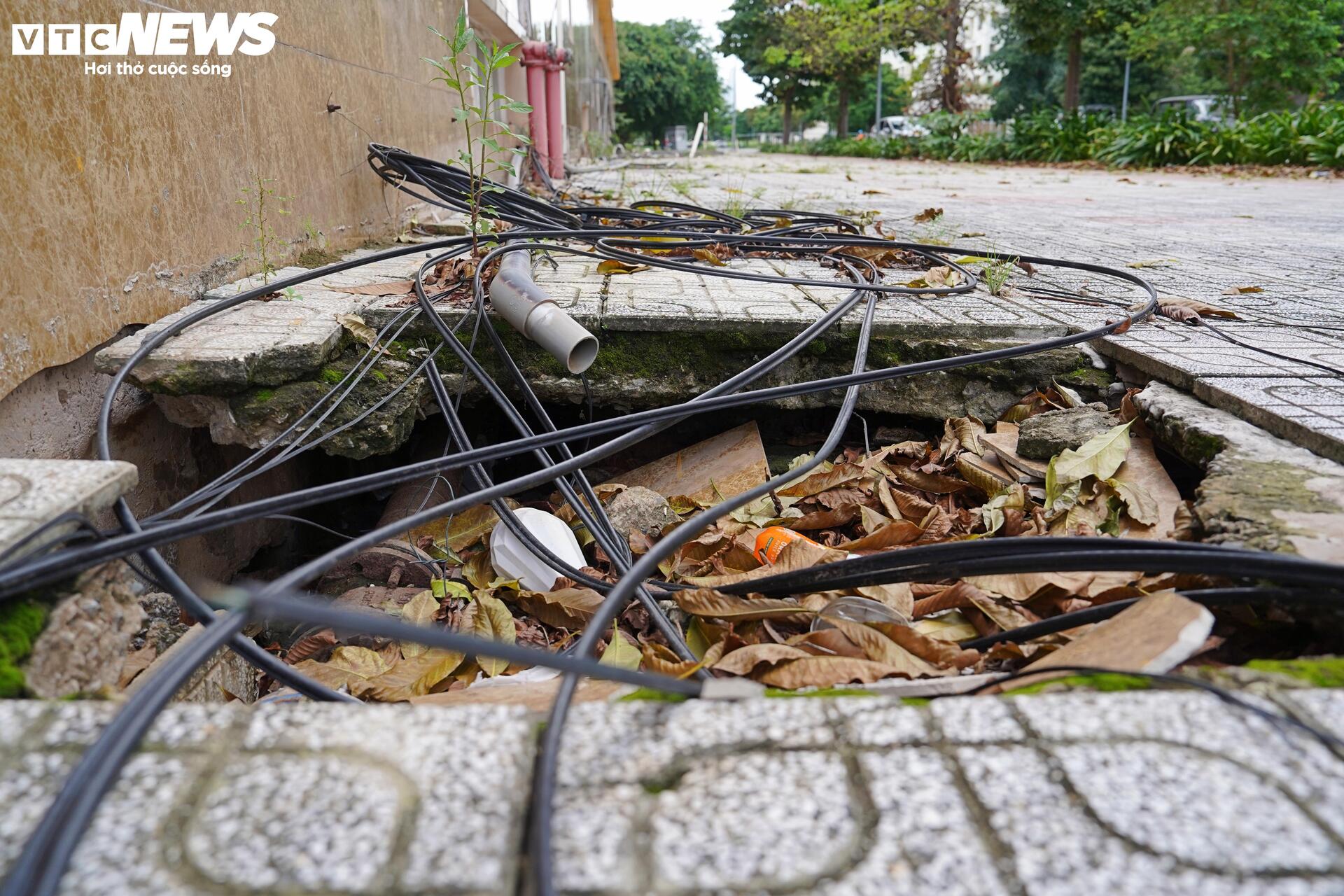
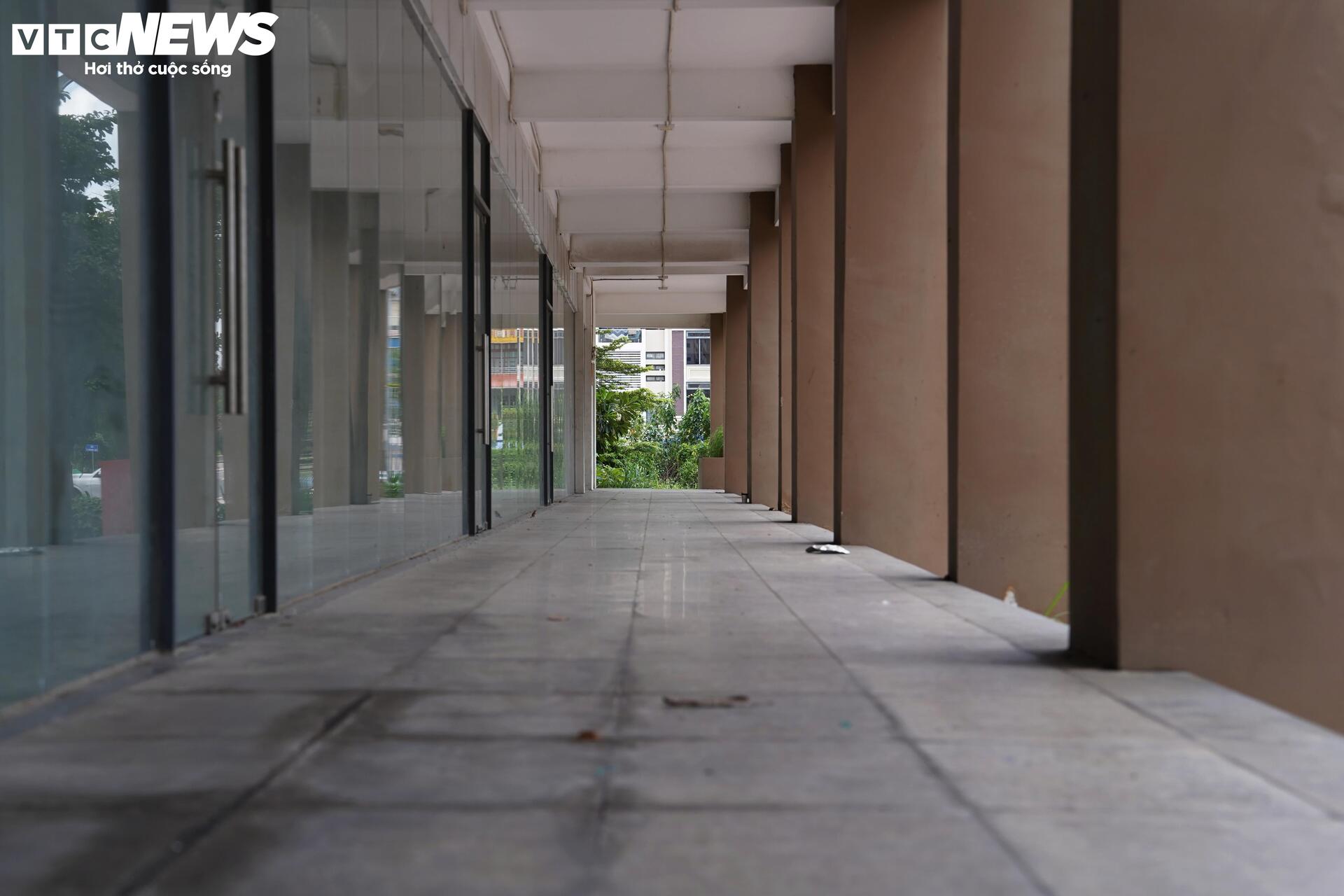
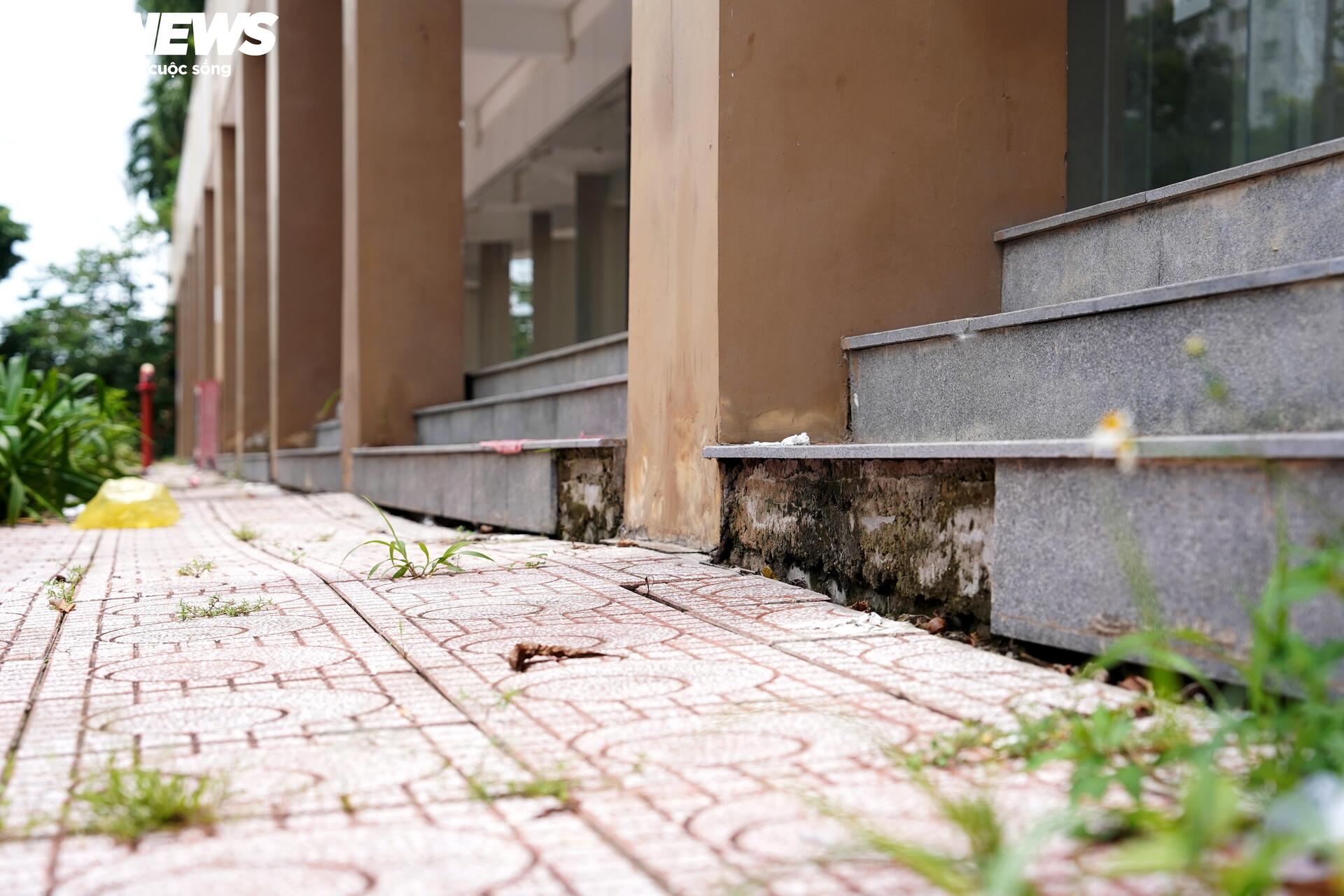
As observed by VTC News reporters, many components of these high-rise buildings have deteriorated over the years due to being vacant. Wall tiles are peeling, wall paint is cracked and stained, significantly reducing the value of the project.
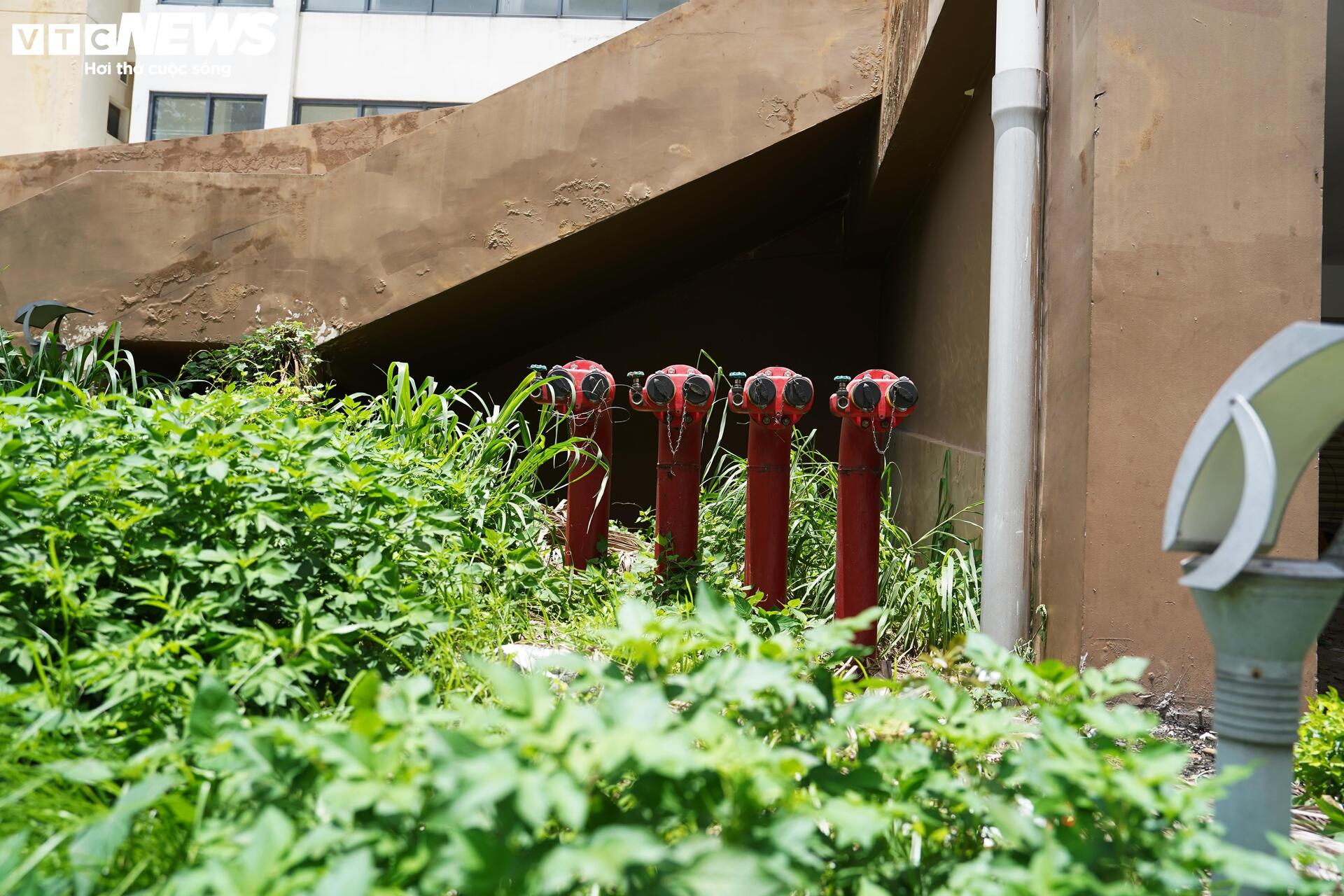
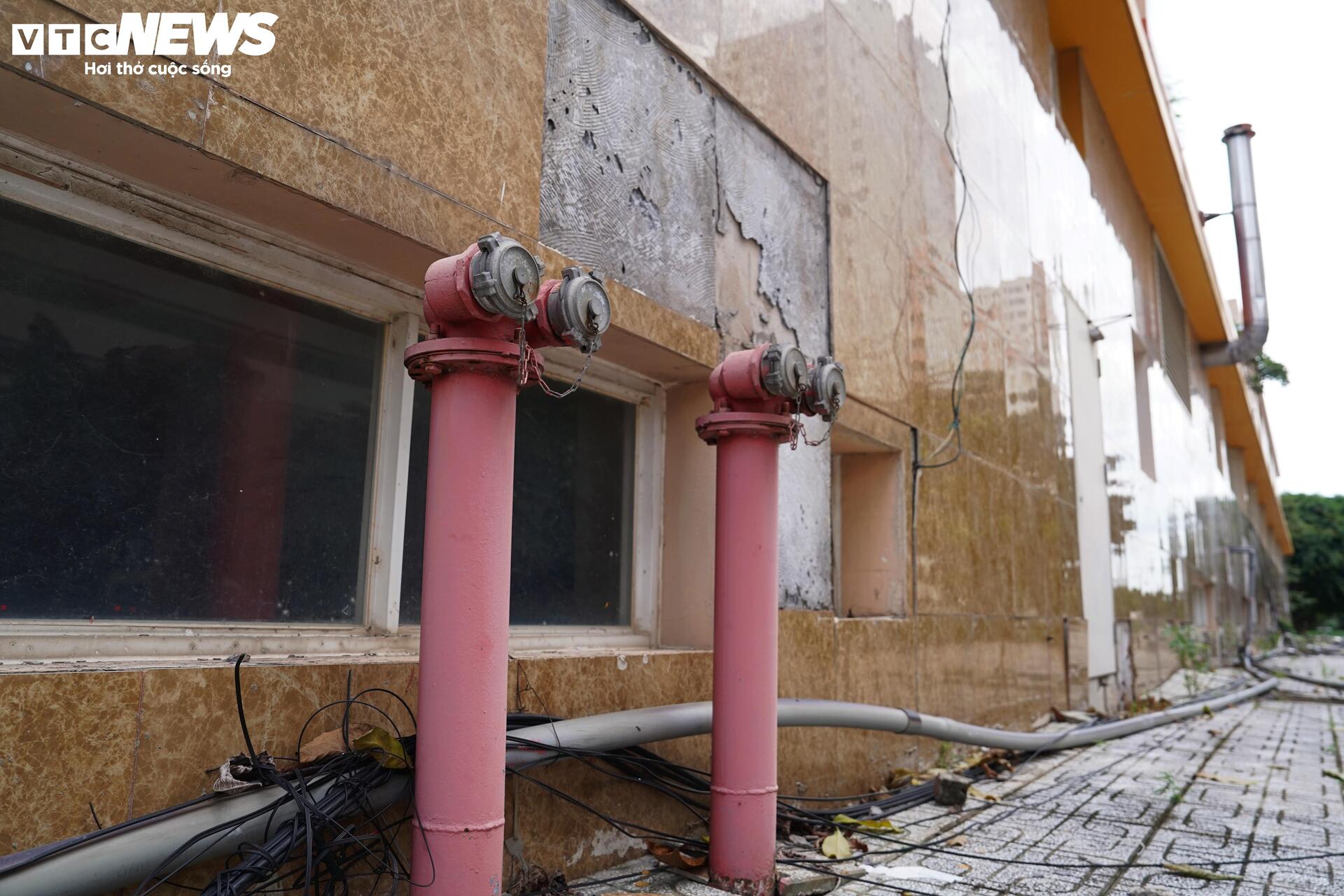
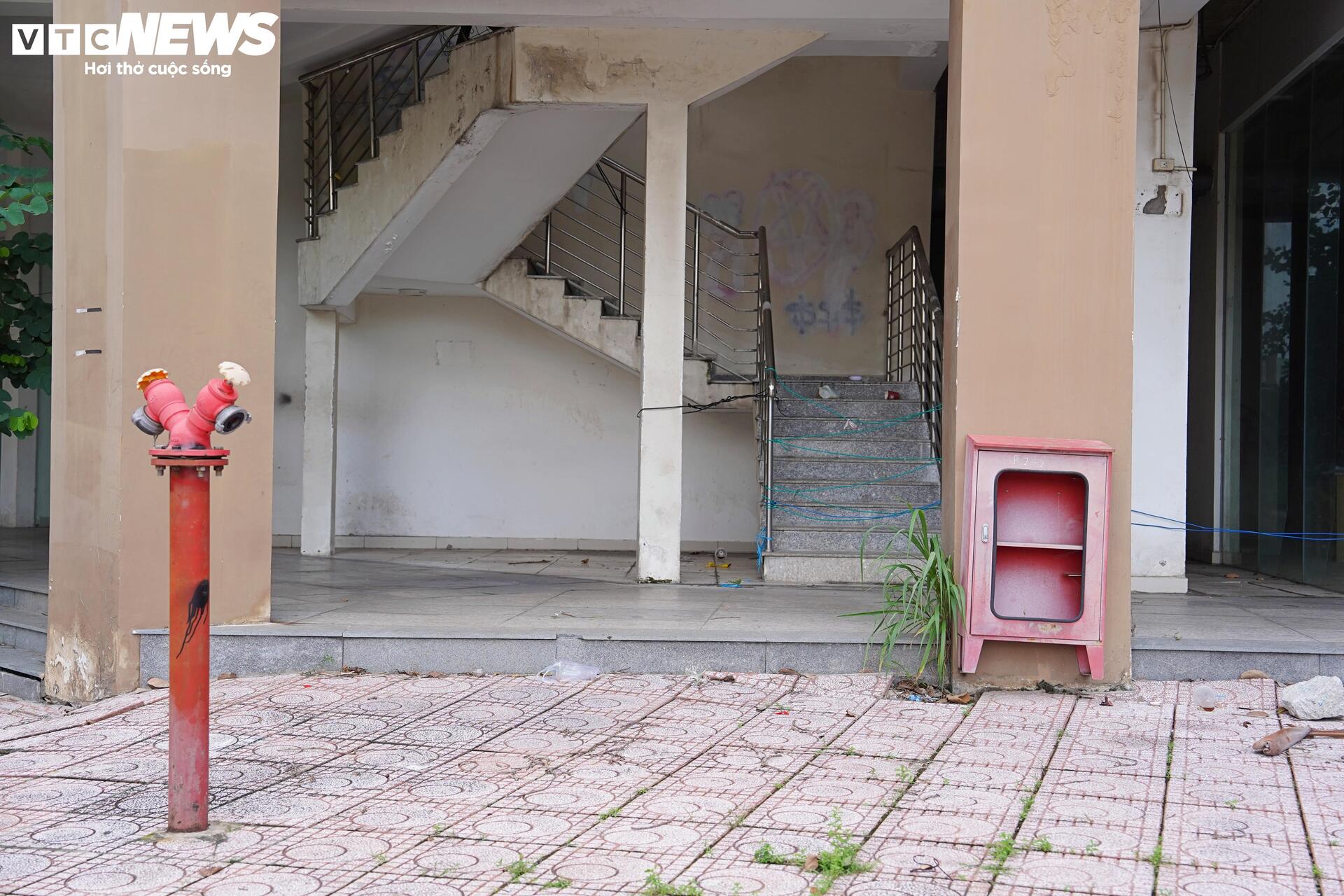
The fire protection system in the resettlement area has also deteriorated severely.
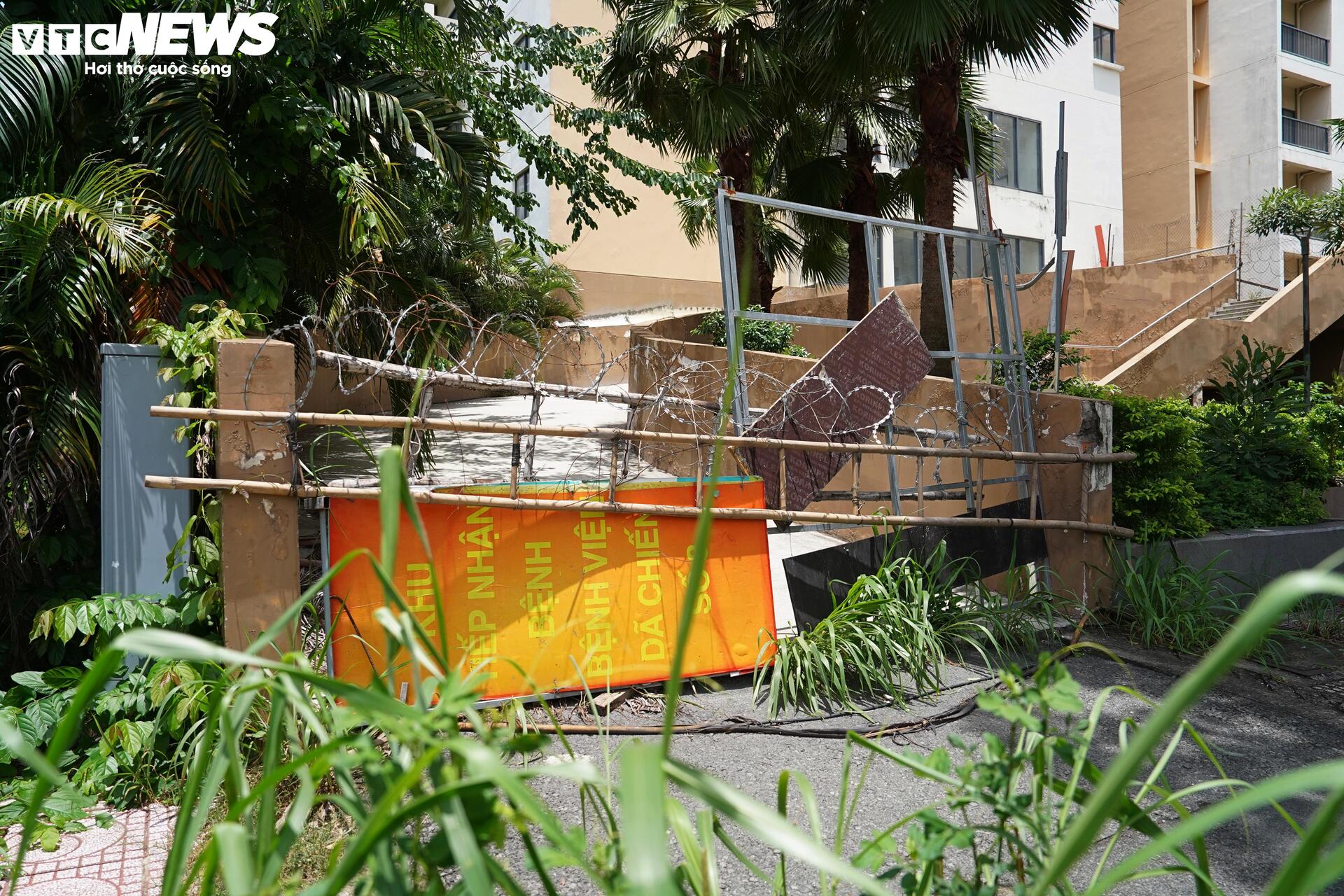
Due to prolonged vacancy, the high-rise buildings have become desolate. The hallways, common areas, and staircases are covered in dust and cobwebs, with some areas even cordoned off, creating an unsightly environment.
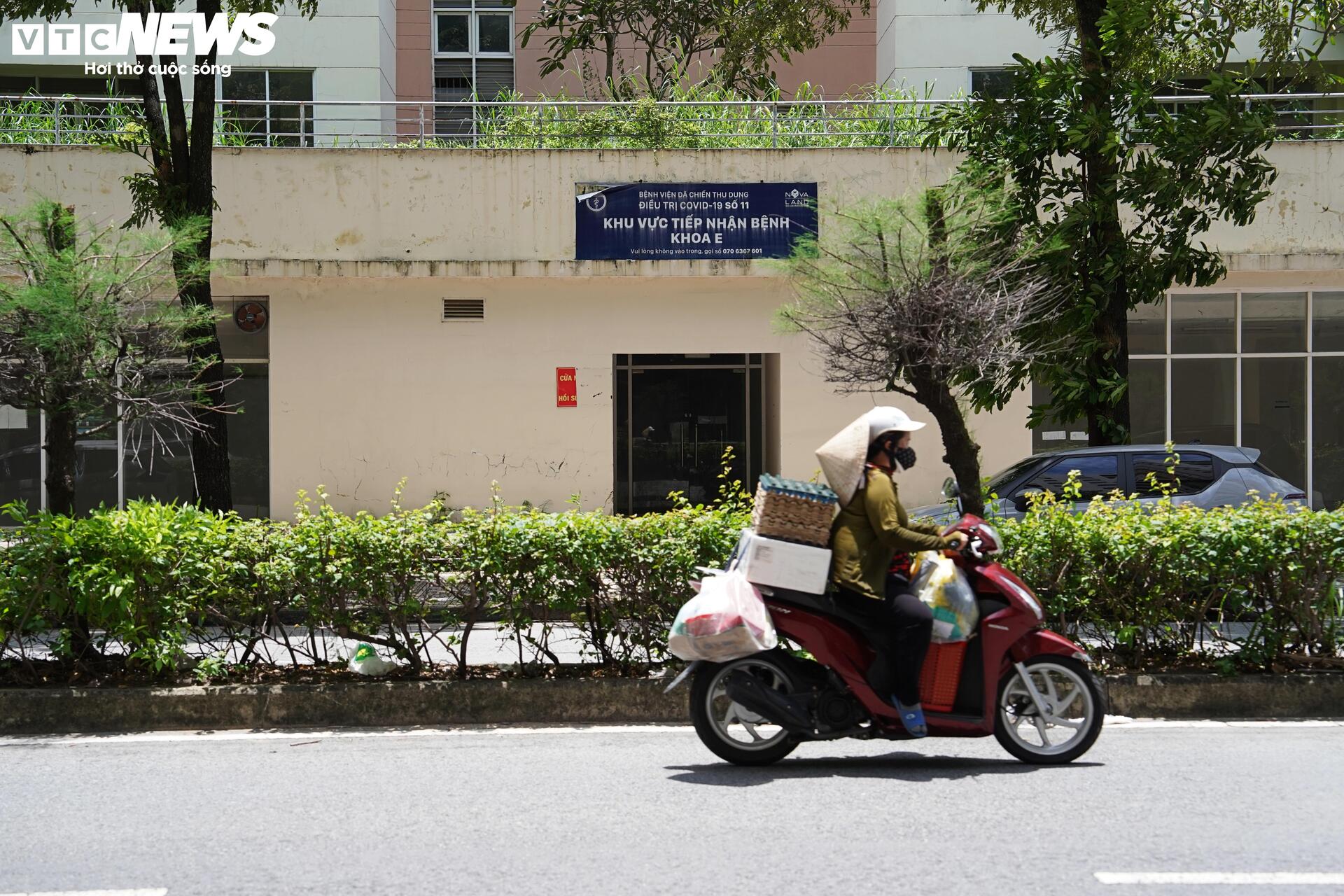
Previously, during the peak of the COVID-19 pandemic, Ho Chi Minh City utilized some of the buildings in the resettlement area as field hospitals for treatment and isolation purposes.
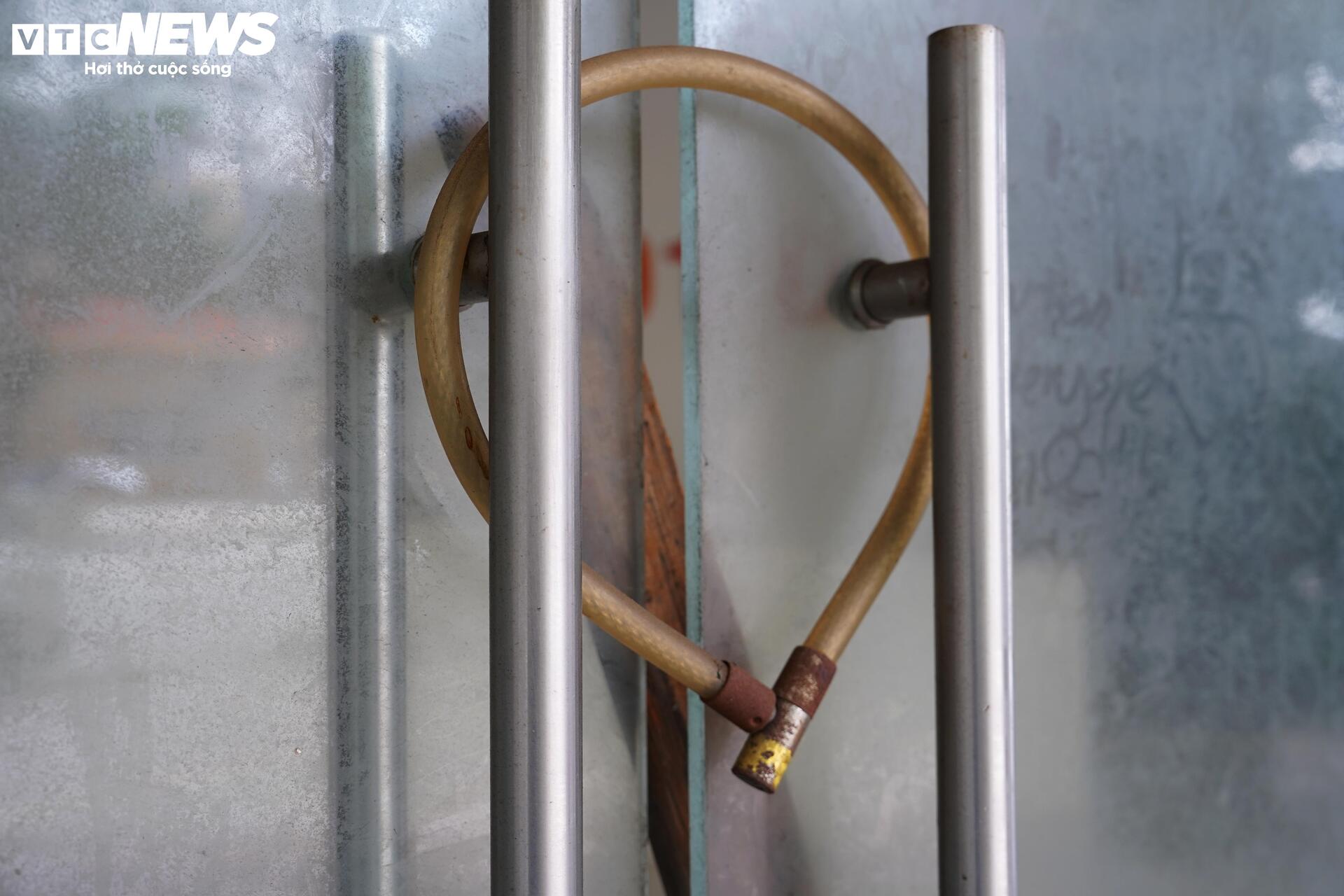
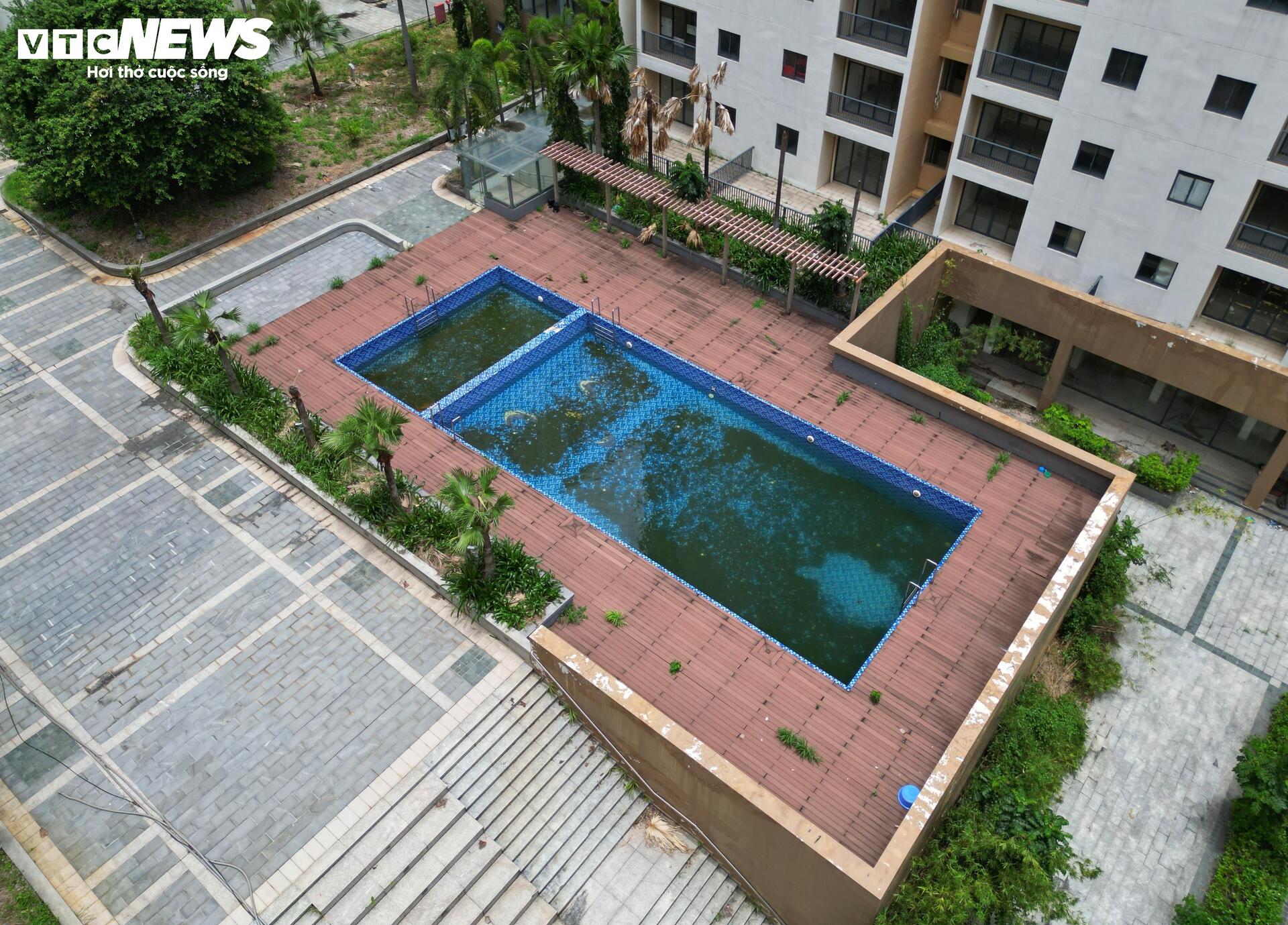
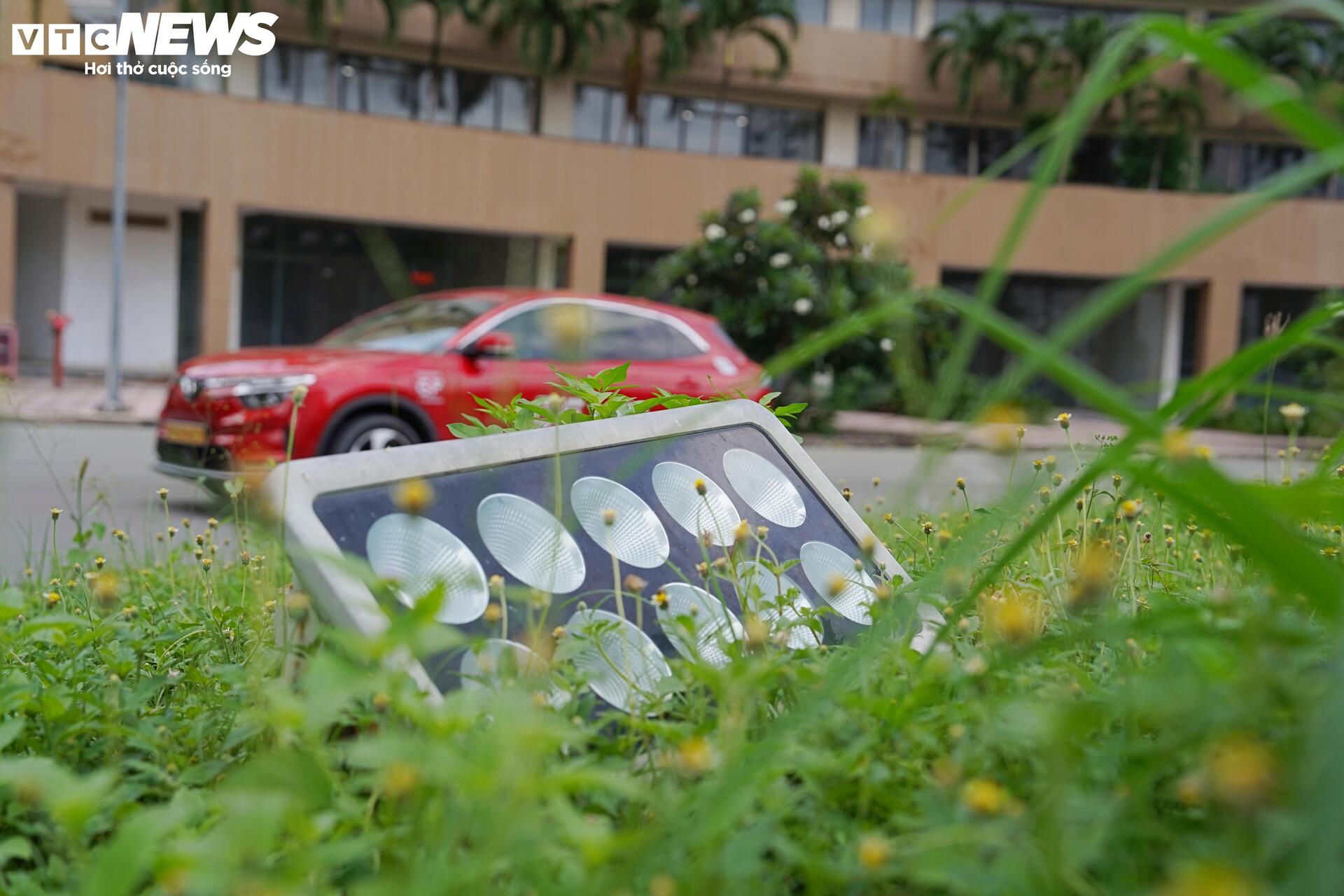
After the pandemic subsided and the field hospitals were disbanded, the resettlement area once again fell into disuse, devoid of human presence.
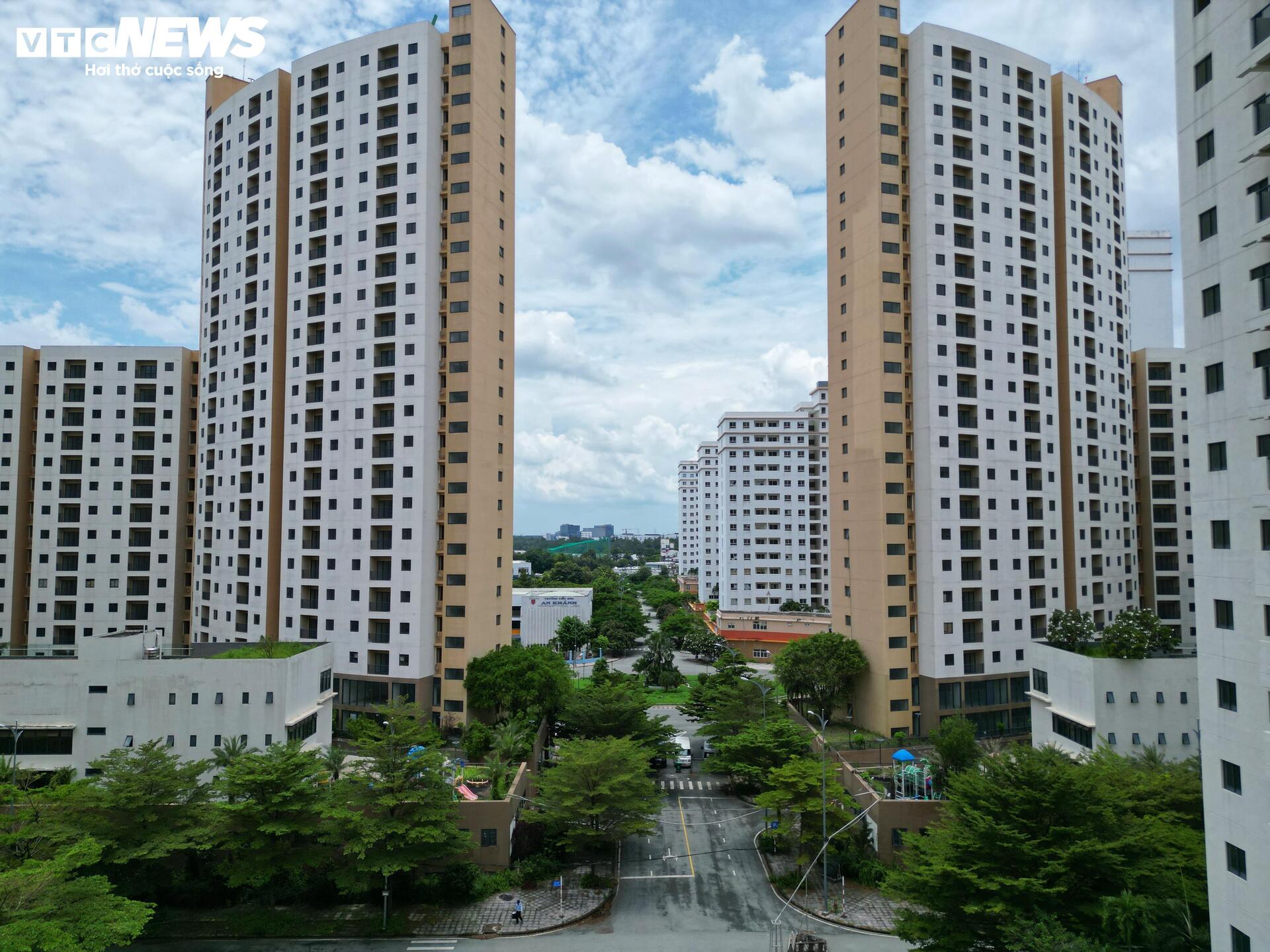
Regarding the fifth auction attempt, Ho Chi Minh City requires that the auction of the 3,790 apartments be synchronized with the progress of projects in the Thu Thiem New Urban Area, as well as aligned with the city’s socio-economic development plans.
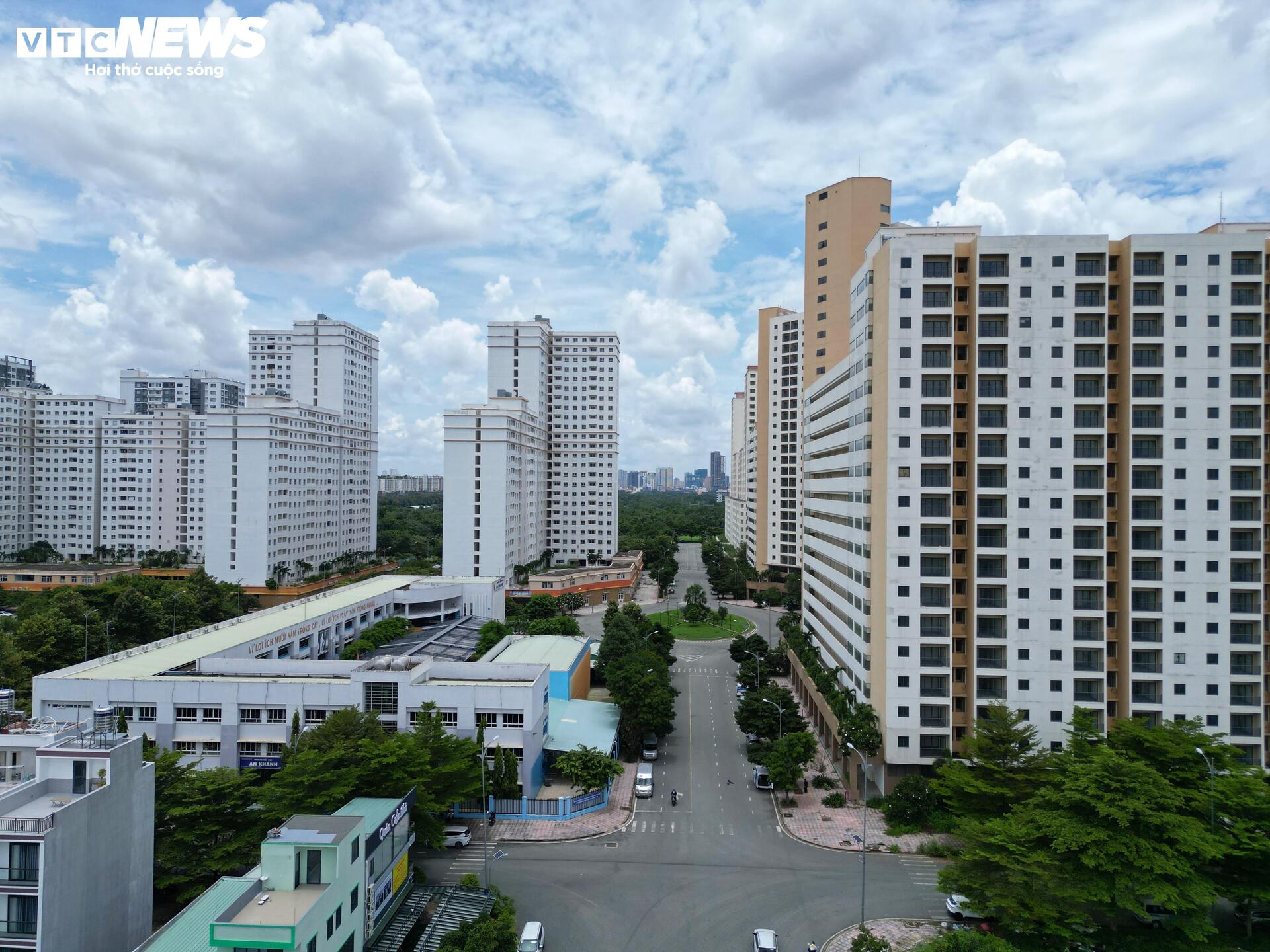
Furthermore, the city emphasizes that the auction should be linked to the goal of enhancing the efficiency of public asset management and exploitation, while also ensuring a balanced allocation of resources. The city demands urgent implementation to prevent waste, budget losses, and resolutely avoid delays and prolongations.
The New Land Price Index: Unveiling Ho Chi Minh City’s Property Renaissance
The new land price list is meticulously crafted, taking into account and building upon three distinct land price tables from three diverse areas.
The New Face of Ho Chi Minh City: Unveiling the Transformative Impact of Key Infrastructure Projects
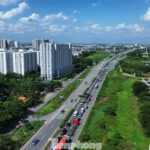
Get ready, Ho Chi Minh City, for a transportation revolution! From now until the end of 2025, the city will witness the simultaneous rollout of multiple key traffic projects. It’s all hands on deck as we work to enhance connectivity and ease the flow of this bustling metropolis. Stay tuned as we transform the way you move!
“Streamlining Notarization: Exploring the Debate on Delegating Real Estate Document Authentication to HCMC Commune-level Officials”
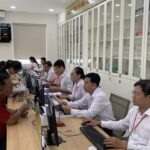
The Ho Chi Minh City People’s Council delegates engaged in a lively debate regarding the authorization of commune-level officials to certify real estate and land-use documents.
The Post-Merger Property Puzzle: Unlocking the Secrets to the Surging Real Estate Market
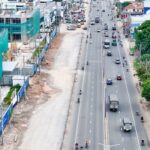
With a positive post-merger mindset and expectations of price hikes due to infrastructure and planning, buyers are eager to invest in Ho Chi Minh City’s real estate market. The focus is primarily on the apartment sector, with buyers keen to secure their piece of this vibrant city’s future.
A Surge of FDI Inflows into Ho Chi Minh City Post-Merger

Attracting foreign direct investment (FDI) into Ho Chi Minh City has seen a significant surge compared to the same period last year.