Coffee Prices Fall as Rally Fades
As of the close of trading last night and early this morning, August 29, Vietnam time, the price of Robusta coffee on the London, UK, exchange fell 1.09%-1.44%, and Arabica on the New York, US, exchange also fell 1.7%-2.02%.
Coffee Prices Fall Across the Board
For the November 2025 delivery month, the price of Robusta fell by 70 USD/ton to 4,808 USD/ton; while the price of Arabica for delivery in December 2025 fell by as much as 170 USD/ton to 8,320 USD/ton.
For the soon-to-end September 2025 delivery month, the price of Robusta also fell by 49 USD to 5,008 USD/ton; the price of Arabica fell by 130 USD/ton to 8,550 USD/ton.
Domestic coffee prices today may adjust slightly from the average of 123,700 VND/kg at the end of yesterday.
The decline in coffee prices in this trading session is not surprising, as prices had been rising for six consecutive sessions, and a pullback was due.
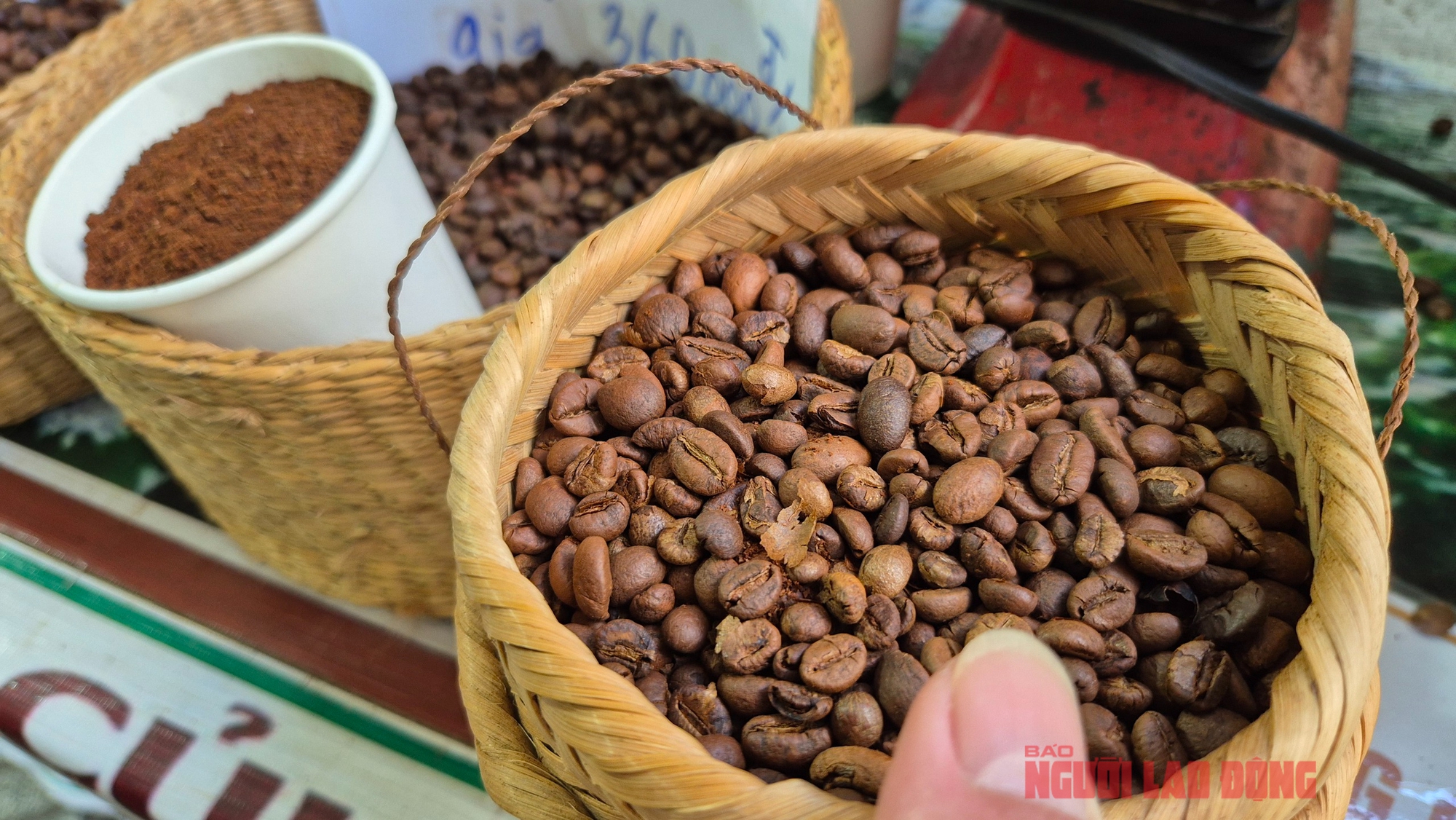
Coffee price rally comes to an end
US Farmers Turn to Coffee Amid Price Surge
The global coffee market is witnessing the emergence of several factors that could impact prices in the coming months.
The US government has recently announced the waiver of 19% retaliatory tariffs on certain agricultural products from Indonesia, including cocoa, palm oil, and rubber. However, the implementation timeline is unclear, and coffee – one of Indonesia’s key agricultural exports – has not been mentioned.
Indonesia is currently the world’s fourth-largest coffee exporter, while the US produces less than 1% of its domestic consumption needs.
According to research firm Bernstein, the retail price of roasted coffee in the US in July 2025 reached 18.55 USD/kg, equivalent to about 490,000 VND, up 14.5% from the previous year. The firm predicts that prices could rise further by 15%-20% if the impact of retaliatory tariff policies continues to widen.
Faced with soaring prices, American consumers are changing their habits, opting to brew coffee at home instead of buying from cafes to save money.
Some farmers in California have recently experimented with growing coffee, but production costs are much higher than imported coffee from Brazil, even with the additional 50% tariff. Thus, this model is only deemed suitable for the specialty coffee segment.
Bloomberg reports that starting January 2026, Starbucks will reduce operations at five coffee roasting and packaging plants in the US from seven to five days a week and limit wage increases to save on operating costs.
Today’s Coffee Prices: A Bitter Brew as Prices Plummet and Stocks Run Dry
Today’s coffee prices are not surprising to many, as last week’s surge was expected to be followed by a period of adjustment.
Defiant Asian Nation Retorts: ‘We Will Source From the Best Deal, Despite US Tariffs on Russian Oil’

India remains steadfast in its stance to procure oil from “wherever the best deals are,” unfazed by pressure exerted by the United States.
The First Indian Commodity Affected by Russian Oil Purchases: Farmers Face 20% Price Squeeze as Rivals Eye Windfall
India is Vietnam’s rival in the US market for this particular product, whereas Ecuador holds a competitive edge.
“US Shrimp Exports Down 29% in July”
In July 2025, Vietnam’s shrimp exports to the US reached $63 million, a 29% decline compared to the same period last year, according to the Vietnam Association of Seafood Exporters and Producers (VASEP). For the first seven months of the year, the cumulative export value stood at $404 million, reflecting a modest 3% increase from 2024.
Navigating Tariffs: Exploring New Markets, Revitalizing Old Ones

“With the ever-increasing commercial competition, businesses are now looking to explore new avenues. Tapping into niche markets, venturing into new territories, and revitalizing old ones are the strategies that will pave the way for future success. It’s time to adapt, evolve, and embrace these new challenges.”