















Investing in land has long been considered an attractive channel for profit, thanks to its ability to hold value and its high growth potential. However, not every piece of land yields a profit. In fact, many investors have lost everything because they chose the wrong type of land.
To minimize risk, buyers should be especially wary of the following types of subdivided land:
Subdivided land without permits
In the context of a vibrant real estate market, many agricultural and garden lands are subdivided and sold without the approval of the authorities. These lots are usually advertised at low prices, attractive locations, and promising high potential for profit. However, trading this type of land entails serious risks.
Legally, unpermitted subdivided land does not meet the conditions for transfer as stipulated by regulations. Buyers will not be granted individual land use rights certificates (“red books”), leading to difficulties in name transfer, mortgage, or resale. If checked by local authorities, the entire transaction may be invalidated.
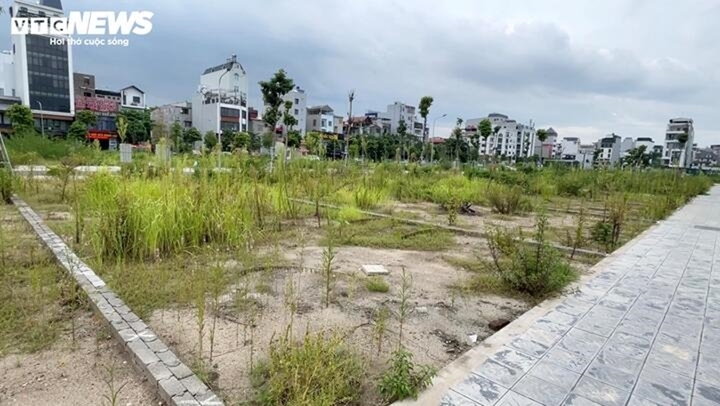
Unpermitted subdivided land entails many risks. (Photo: Cong Hieu)
Land for planning or clearance
This type of land entails the most risks. If you buy land that is planned for roads, public works, or clearance, you will have difficulty transferring it, and may even lose everything when the state revokes it.
In reality, many areas are inflated by land speculators due to planning rumors, leading buyers to mistakenly believe in its potential for price increases. However, when accurate information is released, the land’s value is almost lost.
Therefore, before any transaction, it is necessary to clearly check the planning at the Department of Natural Resources and Environment or local authorities.
Agricultural land or forest land not converted for use
This type of land is usually cheap but entails significant legal risks, as agricultural or forest production land is not allowed for construction and is difficult to convert to residential land.
Buying and waiting for “residential conversion” usually takes many years, not to mention the possibility of not being converted. Without careful consideration, investors can easily be trapped in long-term capital entanglements, even at a loss.
“Ghost project” land with vague legal status
In the past, many fraud cases involving the sale of “ghost project” land have caused people to lose billions of dong. These plots of land are usually advertised extensively, priced lower than the market, and come with profit commitments.
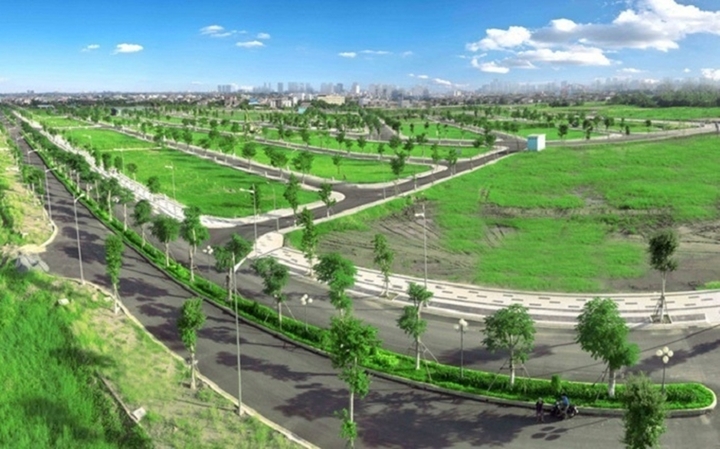
(Illustrative image)
In reality, this could just be agricultural land, land not permitted for projects, or even non-existent on planning maps. Therefore, it is necessary to request that the investor provides full legal documents and red books for each lot, and to verify the information with state agencies.
Land with disputes or bank mortgages
When land is in dispute over ownership or mortgaged, the buyer will face difficulties in name transfer, use, and transfer.
In some cases, land has been sold to multiple people simultaneously, leading to prolonged litigation. To avoid risk, investors need to carefully check the legal status, require clear notarization, and verify information at the Land Registration Office.