


















According to Vietnam Customs data, as of August 15, 2025, shrimp exports to mainland China and Hong Kong (China) reached nearly $767 million, a 76% increase compared to the same period last year, accounting for approximately 29% of the country’s total shrimp export turnover.
Conversely, China Customs reported that in the first seven months of 2025, the country imported 519,000 tons of frozen warm-water shrimp, a 2% decrease in volume but a 7% increase in value, totaling $2.73 billion. The average import price rose by 9% to $5.25/kg.
Currently, Ecuador remains the leading shrimp supplier to China due to its large production volume, low cost, and products that align with market preferences, particularly frozen whole head shrimp. India ranks second but faces challenges in quality management and costs, gradually losing market share. In this context, Vietnamese shrimp is emerging in the premium segment, including large-sized tiger shrimp, live lobsters, and value-added processed products.
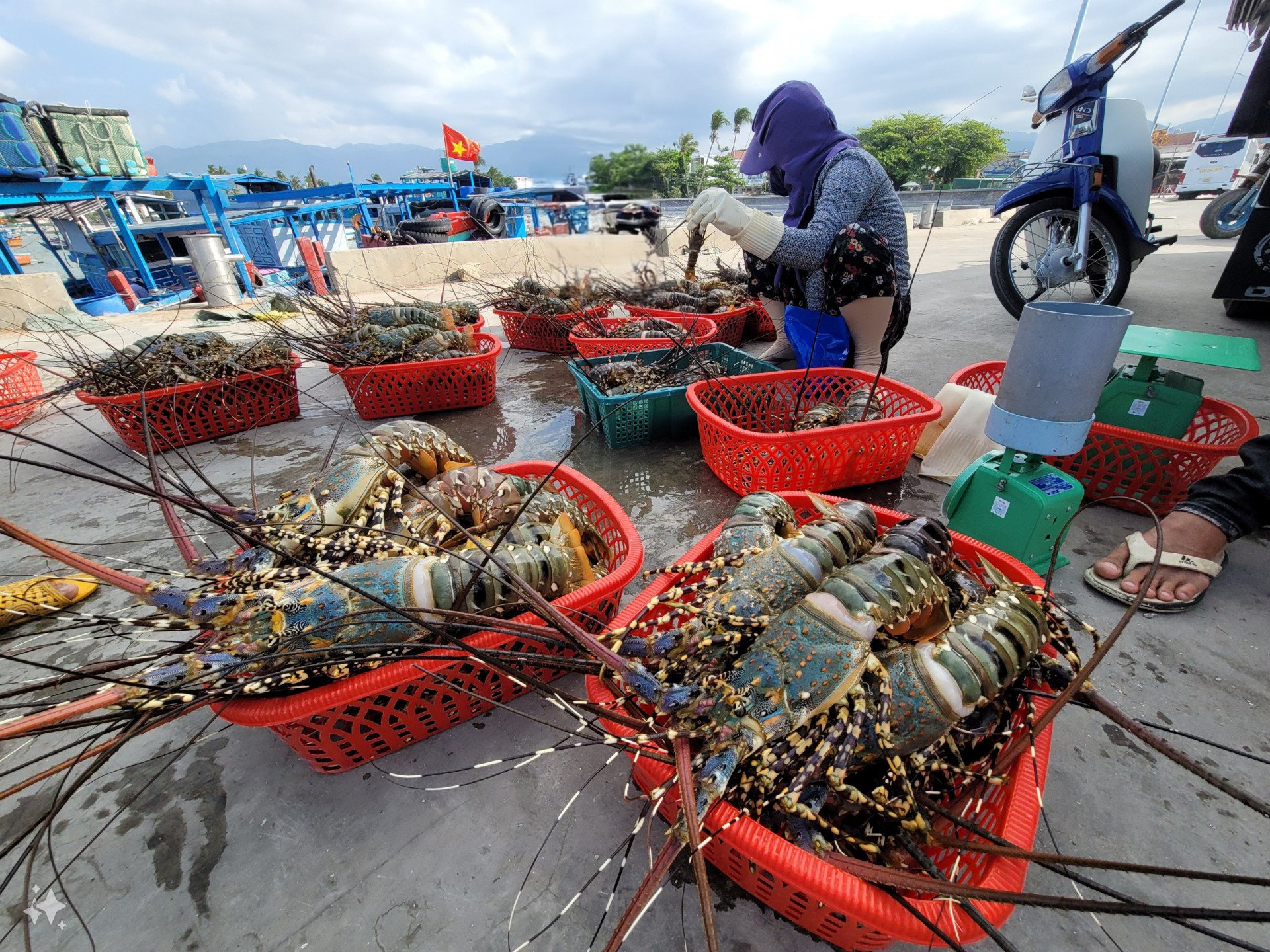
Vietnamese lobster (illustrative image).
Opportunities and Challenges
According to the Vietnam Association of Seafood Exporters and Producers (VASEP), in the short term, shrimp exports to China will continue to rise, especially during festivals like Mid-Autumn, New Year, and Lunar New Year, when demand for gifts and seafood consumption peaks. Key products will include live lobsters, large-sized tiger shrimp, and deeply processed white-leg shrimp.
However, to maintain a strong market position, Vietnamese businesses must focus on quality, product diversification, premium segment development, and strict compliance with quarantine, traceability, and labeling regulations.
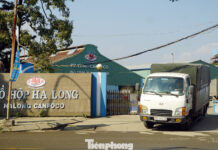
Among the companies, Phat Loi Trading – Service – Production Co., Ltd. currently accounts for 19% of total shrimp export turnover to China, leading since 2024. Phat Loi pursues a sustainable development strategy by building a closed value chain from farming to processing and distribution. The company collaborates with farmers under VietGAP standards, aiming for international ASC certification to ensure transparent and environmentally friendly raw materials.
In exports, the company strictly adheres to China Customs’ food safety regulations and expands partnerships with major importers in Guangzhou and Shenzhen. With this approach, Phat Loi aims to establish itself as a reputable, long-term seafood supplier in China and expand to other international markets.
The Formal Journey of Vietnamese Lobster
While tiger shrimp and white-leg shrimp are the mainstays, Vietnamese lobster is also making a strong impression in the Chinese market.
Thanh Nhon Seafood and Trading Company (Ho Chi Minh City) is one of the pioneers in transitioning to formal exports. Since 2021, the company has standardized farming areas, implemented electronic traceability, invested in cold storage, and specialized transportation to ensure healthy live lobsters. It also collaborates with authorities to complete export code registration with China’s General Administration of Customs (GACC).
By mid-2022, Thanh Nhon was officially listed as an approved exporter to China. Shortly after, the company signed a contract to export 2,000 tons of live lobsters to Kunming, followed by an additional 400 tons worth $20 million to Hong Kong and Shanghai by year-end.
Thanh Nhon’s journey demonstrates that to “conquer” the Chinese market, businesses must not only provide high-quality products but also strictly meet requirements for quarantine, labeling, transparent documentation, and build sustainable trade relationships.