In March 2024, tech billionaire Bill Gates arrived in Da Nang, Vietnam, via private jet for a five-day personal vacation. He stayed at a beachfront resort and immersed himself in Vietnamese culture.
Gates first visited Vietnam in 2006 to explore and promote IT business opportunities. That historic trip garnered significant attention from the Vietnamese public and business community. His return underscores Vietnam’s growing appeal to global influencers.
Beyond short-term tourism, the ultra-wealthy are increasingly choosing Vietnam for investment and luxury property ownership. A report by The Super Prime highlights Vietnam’s rapid emergence as a hub for luxury living. High-end real estate projects like The Grand Hanoi and Vinhomes Ocean Park are attracting European and American investors.
Vietnam’s allure extends beyond its landscapes. Its dynamic economy, impressive growth, and rising role in global supply chains are powerful magnets for the elite.
A recent Asia-Pacific (APAC) report by Knight Frank ranks Vietnam among the top nations offering the best quality of life for the global elite.
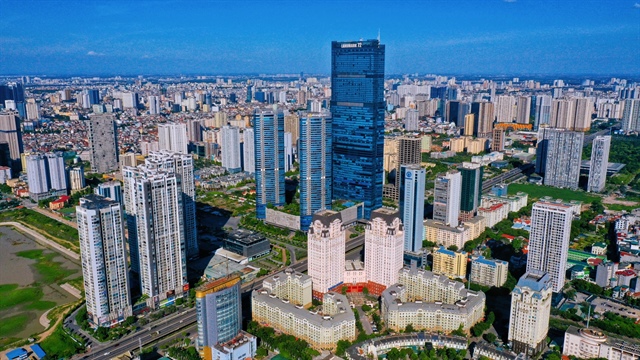 Vietnam: A Magnet for Billionaires. Photo: Hoàng Hà |
Matthew Powell, Director of Savills Hanoi, notes, “Vietnam combines strategic location in Southeast Asia, rapid economic growth, stunning natural beauty, and an improving living environment. Its rich culture, diverse cuisine, and untapped real estate potential further enhance its appeal.”
Destinations like Da Nang and Hoi An are rising with luxury resorts, world-class golf courses, and a temperate climate, elevating their quality of life.
Meanwhile, Hanoi and Ho Chi Minh City are witnessing a boom in luxury real estate, featuring internationally accredited projects, upgraded infrastructure, and seamless connectivity to regional financial hubs.
Savills reports a 210% growth in branded luxury real estate, cementing Vietnam’s status as a key destination for the ultra-wealthy and international investors.
Retaining the Elite
To attract the elite, Vietnam’s infrastructure and premium services are transforming. The upcoming Long Thanh International Airport, a nationwide highway network, and luxury marinas in Vung Tau, Da Nang, and Phu Quoc exemplify this shift.
International golf clubs, top-tier hospitals, and prestigious international schools like BIS, ISHCMC, and Renaissance are becoming staples in major urban areas.
The ultra-wealthy’s preferences are evolving: they seek not just a home, but a lifestyle—a prestigious community with exclusive services.
Paul Tostevin, Global Research Director at Savills, observes that geopolitical and economic volatility is reshaping global asset flows. Ultra-wealthy individuals and corporations are reevaluating their residence and business locations.
Traditional factors like government policies, tax incentives, and access to skilled labor remain crucial. However, local identity and high quality of life are increasingly decisive in destination choices.
Despite its potential, Vietnam faces challenges in becoming a true haven for the elite. Matthew Powell stresses the need for bold reforms to compete with regional rivals like Thailand and Malaysia, which offer long-term visas, tax perks, and flexible labor conditions for high-net-worth individuals.
Building a world-class ecosystem in healthcare, education, and services is essential. “When elites experience seamless convenience and professionalism, they not only return but also become ambassadors for the nation,” Powell emphasizes.
Duy Anh
– 15:26 01/09/2025
VietinBank Elevates 2025 Asset Growth Target to 8-10%

At the Q2 Business Update Conference held on August 13th, Vietnam Joint Stock Commercial Bank for Industry and Trade (VietinBank, HOSE: CTG) presented growth forecasts for the banking sector and revised its total asset growth target upward to 8-10%.
“The Challenges Faced by Businesses Are the Challenges Faced by the Nation: Uniting to Overcome Obstacles.”

“Fostering a collaborative mechanism and shared responsibility between the private sector and government agencies is key to realizing the goal of making the private economy the most important driving force. This synergy will unleash the potential of the private sector, harnessing its innovation, agility, and efficiency to propel economic growth and development.”
The New Administrative Landscape: Redefining Classification Criteria Post-Merger
“The landscape of local governance underwent a significant transformation following the 2025 administrative unit reorganization and merger. This overhaul resulted in substantial alterations to the geographical scope and demographic makeup of numerous localities, far surpassing the previous classification standards. In light of these changes, the Ministry of Home Affairs has taken the initiative to draft and finalize a governmental decree outlining a new framework for classifying administrative units.”
Binh Son Refinery Seeks to Boost Chartered Capital Past VND 50,000 Billion

The Binh Son Petrochemical Plant is seeking shareholder approval for a capital increase through the issuance of over 1.9 billion new shares to pay dividends and reward shareholders.
The Future of Blockchain in Vietnam: A Sudden Halt?

The top blockchain organizations in Vietnam have made a pivotal move by announcing a cessation of services for domestic users. This unexpected development has sent ripples through the industry, leaving many wondering about the future landscape of blockchain in the country.