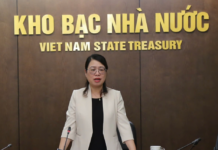

















This afternoon (September 16), the Vietnam Chamber of Commerce and Industry (VCCI) and the Ministry of Finance jointly hosted a seminar to gather business feedback on the draft Law on Tax Administration.
Lack of Guidance in Penalties Causes Frustration
Mr. Đặng Ngọc Minh, Deputy Director of the Tax Department at the Ministry of Finance, announced that the ministry’s draft Law on Tax Administration (amended) has been reviewed by the Ministry of Justice and submitted to the Government.
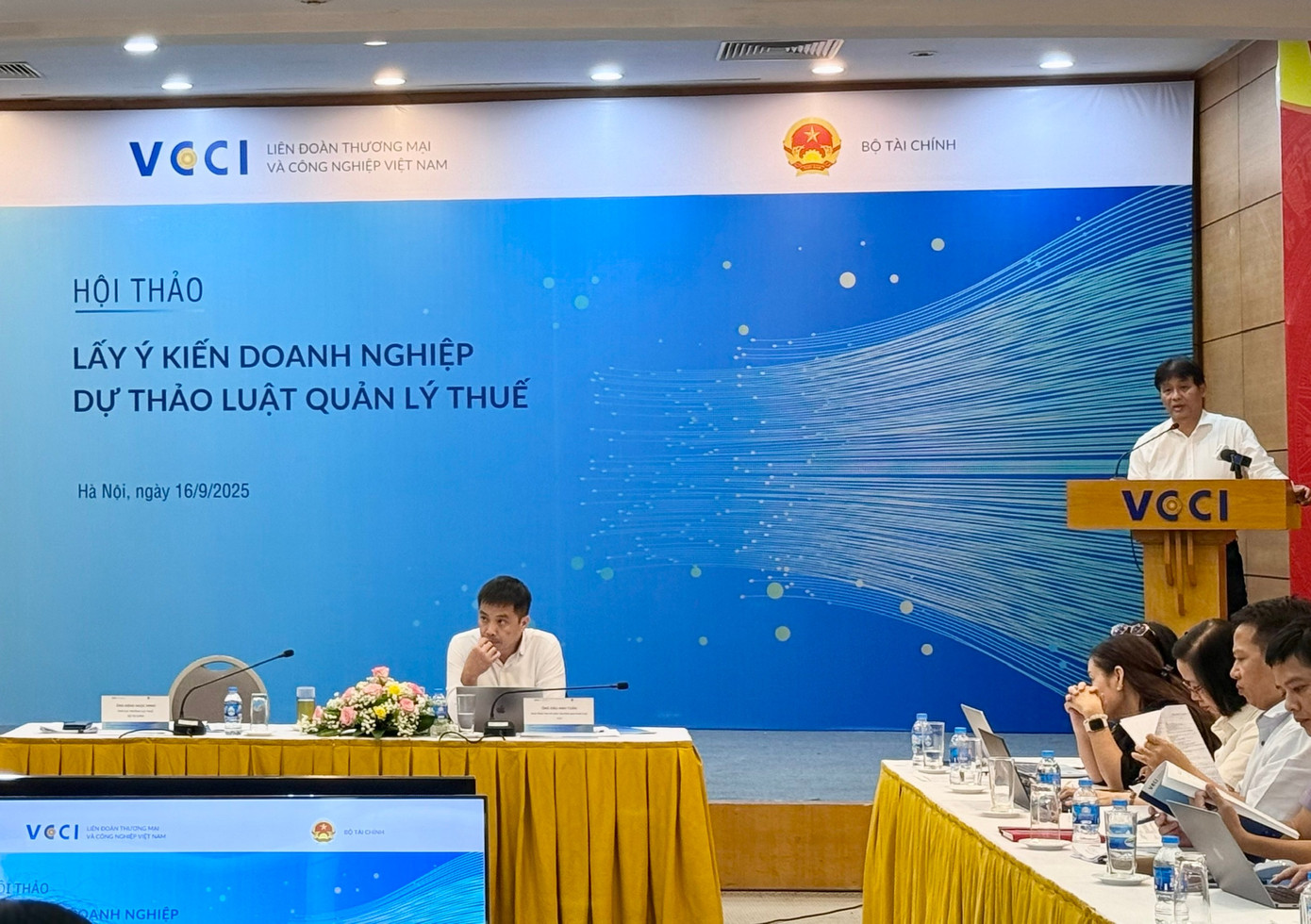
Seminar gathering business feedback on the draft Law on Tax Administration.
During the consultation, businesses and associations focused their discussions on tax inspection regulations. The Ministry of Finance has proposed several additions to these provisions in the amended draft.
Under the new proposal, on-site tax inspections at taxpayer premises will be conducted in high-risk cases, suspected violations, planned inspections, thematic reviews, or upon recommendations from authorized agencies. Inspections will also occur when businesses change legal status, dissolve, or declare bankruptcy.
Inspections are limited to once per year for planned, thematic, or recommended checks, with a maximum duration of 20 days (extendable once by 20 days). For businesses with related-party transactions, the inspection period extends to 40 days (with a possible one-time extension of up to 40 working days if necessary).
Mr. Nguyễn Văn Phụng, former Director of the Large Enterprise Tax Department (now the Large Enterprise Tax Division under the Tax Department, Ministry of Finance), noted that the 40-day limit may suffice for small and medium enterprises but falls short for large enterprises with complex transactions, especially multinational corporations. He advocated for a classification system that tailors inspection durations to enterprise size and complexity rather than applying a uniform standard.
Regarding administrative penalties, Mr. Phụng criticized certain provisions as unreasonable. For instance, delays in issuing electronic invoices, even without tax evasion, incur hefty fines of VND 4–6 million. For individual business households that have fully declared and paid taxes, penalties should be more proportionate to avoid unnecessary burdens and public discontent.

Mr. Nguyễn Văn Phụng, former Director of the Large Enterprise Tax Department.
Mr. Phụng emphasized that tax authorities must proactively guide taxpayers from the outset to prevent avoidable errors. Several high-profile cases involving penalties of tens or hundreds of billions of dong stemmed from inadequate guidance, sparking public outrage.
Significant Impact on Business Operations
Ms. Cao Thanh Hoa from the Finance and Accounting Department at Viettel Group pointed out that a 40-day inspection period equates to 15% of a year’s working days. Including a potential 40-day extension, the total reaches 80 days, or 30% of annual working days, significantly disrupting production and operations.
Ms. Hoa proposed aligning inspection durations with the Law on Inspection, recalibrating “days” to “working days.” Specifically, inspections should not exceed 20 working days from the decision announcement, with a maximum 10-day extension if necessary.
For businesses with related-party transactions, Viettel recommends a 25-working-day inspection period, extendable once by up to 10 working days.
“Inspections are complex and broader in scope than related-party transaction checks. We propose categorizing businesses (e.g., Vietnamese vs. FDI, complexity of transactions) to apply appropriate inspection levels,” Ms. Hoa suggested.
Mr. Đặng Ngọc Minh, Deputy Director of the Tax Department, opined that the law should outline inspection principles and maximum durations (e.g., 40 days for related-party transactions). Detailed applications, such as 10, 20, or 40 days based on risk, scale, and business nature, would be specified in government decrees and procedures.
Mr. Minh also noted the shift from “inspection” to “specialized check” terminology to better align with tax administration functions and enhance effectiveness.
SMC Chairman’s Relative Fined for Unauthorized Share Sale
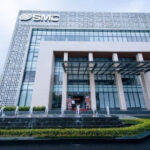
Mr. Nguyen Nghia Dung, brother of Mrs. Nguyen Thi Ngoc Loan—Chairperson of SMC’s Board of Directors—has been fined 100 million VND by the State Securities Commission (SSC). The penalty stems from his sale of 780,000 SMC shares without prior transaction disclosure as required.
Crackdown on Illegal Multi-Level Marketing: Two Companies’ Files Transferred to Police

The National Competition Commission has referred two cases, Greenleaf and LucMall, to law enforcement authorities for suspected unlicensed multi-level marketing activities.
Securities Regulator Fines Two Companies for Disclosure Violations

HUD1 and Nam Land have been slapped with administrative penalties by the State Securities Commission of Vietnam (SSC) for violating disclosure regulations.
Who is Inflating Land Prices to 30 Billion VND per square meter in Soc Son and Will They Face Penalties?

The bidder who offered an exorbitant price of 30 billion VND per square meter and then backed out has violated auction regulations and could face administrative fines of up to 10 million VND. If the authorities find evidence of collusion or price manipulation, the offender could face criminal charges with penalties ranging from a fine of up to 1 billion VND to imprisonment of up to 5 years.
The SEC Fines a Company Over $6,000 for Violations

The Tiannan Company has been dealt a heavy blow with substantial fines in the realm of securities and the stock market. The total financial penalty exceeds 150 million VND, a significant sum that underscores the severity of the infractions.