Guaranteed Weekly Rest Day for Workers
The Ministry of Justice is currently reviewing a draft decree that provides detailed regulations for several articles of the Employment Law.
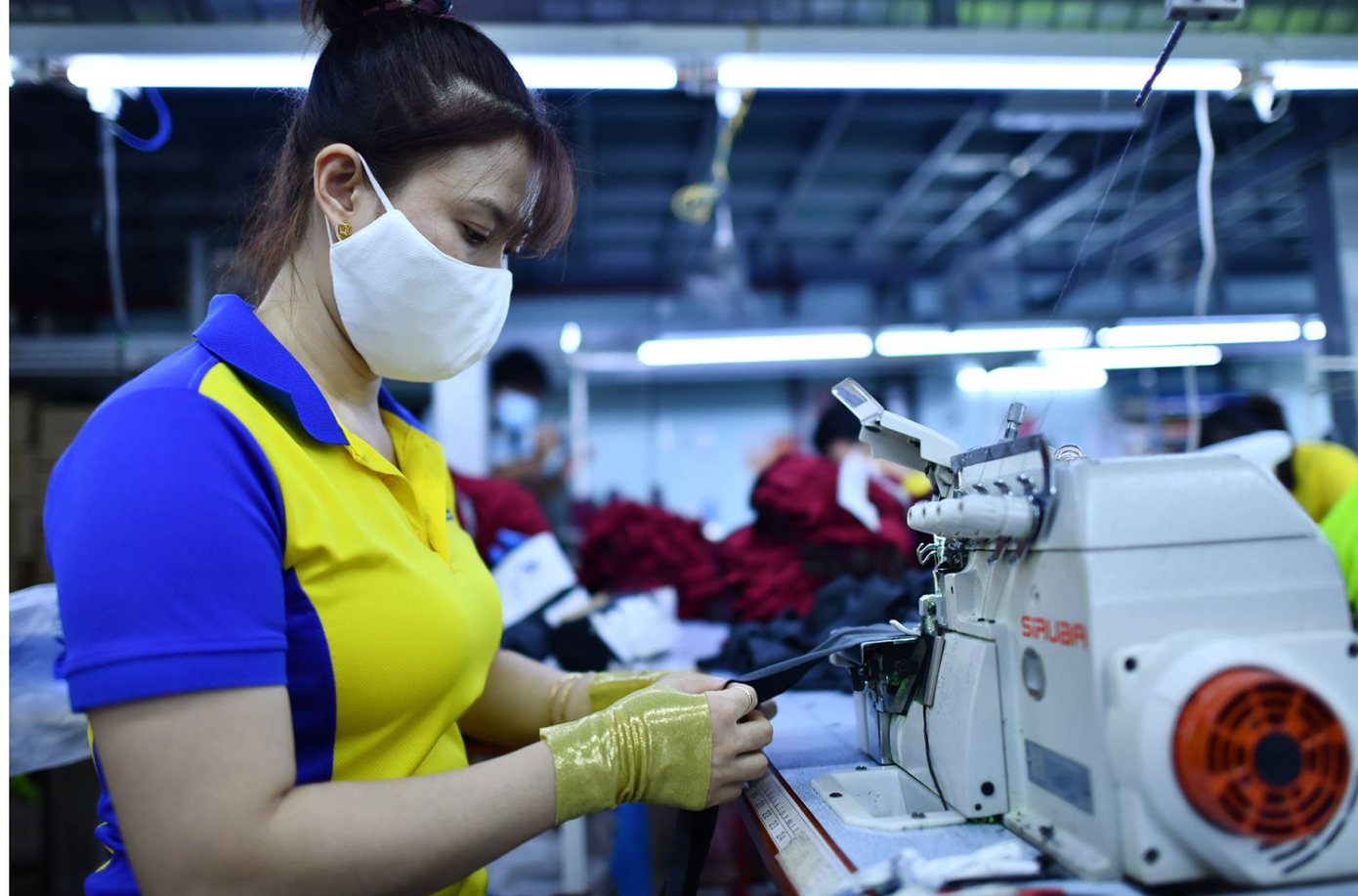
Standard work hours for employees are capped at 8 hours per day (Illustrative image – Tuan Anh)
Regarding labor compensation, the draft stipulates that employees working a full 8-hour day for 26 days in a month will receive a monthly wage not below the regional minimum wage.
For employees working less than 8 hours daily or fewer than 26 days monthly, wages are calculated hourly and must not fall below the regional minimum wage.
Overtime compensation is structured as follows: 150% on regular days, 200% on weekly rest days, and 300% on public holidays.
The draft emphasizes that standard work hours should not exceed 8 hours daily, with a mandatory weekly rest period of at least 24 consecutive hours. In exceptional cases where weekly rest is unfeasible, employees must receive an average of 4 rest days per month.
“In cases of overtime, the combined regular and additional work hours must not surpass 12 hours in a single day,” the draft decree specifies.
During National Assembly discussions, some delegates proposed reducing private sector work hours from 48 to 44 hours weekly, effectively decreasing workdays from 6 to 5.5.
According to the International Labour Organization (ILO), most countries have adopted a 40-hour or less workweek.
“As the nation progresses, there’s no justification for employees to endure extended work hours. Workers deserve better recognition, support, and benefits from the country’s development,” remarked Delegate Pham Trong Nghia.
Conversely, others argue that while reducing work hours is an ideal goal, overtime remains essential for many workers to supplement their income in the current economic climate.
Employees Eligible for Loans Up to 300 Million VND
The draft decree proposes a maximum loan of 10 billion VND for small and medium enterprises, with individual employee loans capped at 300 million VND for job creation, retention, or expansion. The maximum loan term is set at 120 months.
Currently, production and business entities can borrow up to 2 billion VND per project, with individual employee loans limited to 100 million VND. The proposed increase aims to better meet production and business financing needs.
The suggested interest rate is 125% of the rate applicable to poor households, as determined by the Prime Minister. “This adjustment aligns with the strategic development plan for the Vietnam Bank for Social Policies through 2030,” explained the Ministry of Home Affairs.
For overseas employment, eligible workers can borrow up to 100% of pre-departure expenses, with loan terms matching the duration of their overseas employment contracts, excluding extensions.
Another notable aspect of the draft is the proposed training support for rural workers and youth who have completed military service or volunteered in socio-economic development projects.
These individuals will receive funding for elementary-level training or courses under 3 months. Rural workers can receive up to 4 million VND per course, while eligible youth can receive up to 12 months of base salary.
Additional support includes meal allowances of 50,000 VND/day and travel allowances of 200,000 VND/person/course for those residing over 15 km from the training site.
The Unemployment Benefits: A Safety Net for Over 800,000 Workers Annually

Every year, the country spends an average of 10,000 billion VND on unemployment benefits. The trend is that the amount of unemployment benefits will be higher in subsequent years due to the increase in the number of participants and the rise in contribution and entitlement amounts.
Is the New Circular on Unemployment Insurance Already Effective as of 2015?

“Introducing the latest legislative update, released on July 25, 2024, with provisions for unemployment insurance that have been in effect since January 1, 2015. This comprehensive document outlines essential regulations and benefits for those facing unemployment, offering a safety net and support during challenging times.”