
















At the seminar titled “Localizing the Automotive Industry for an Independent and Self-Reliant Economy”, Dr. Nguyen Van Hoi, Director of the Institute for Strategic and Public Policy Research under the Ministry of Industry and Trade, highlighted the success of over 30 years of investment promotion in the automotive sector. This has led to the production of domestically assembled vehicles and the emergence of Vietnamese-branded cars.
However, a significant limitation remains: the localization rate for passenger cars in Vietnam is still low. According to Dr. Ngo Nhat Thai, an automotive industry expert, the current localization rate stands at approximately 10% for 5-seater compact cars.
“This rate is exceptionally low, especially when compared to neighboring countries like Thailand, Malaysia, and Indonesia. For specialized vehicles, trucks, and buses, the rate is higher, reaching up to 40%, which aligns with the government’s target set for 2020,” stated Mr. Thai.
Dr. Nguyen Van Hoi emphasized the need to focus on science and technology. The automotive industry is unique, differing significantly from other sectors.
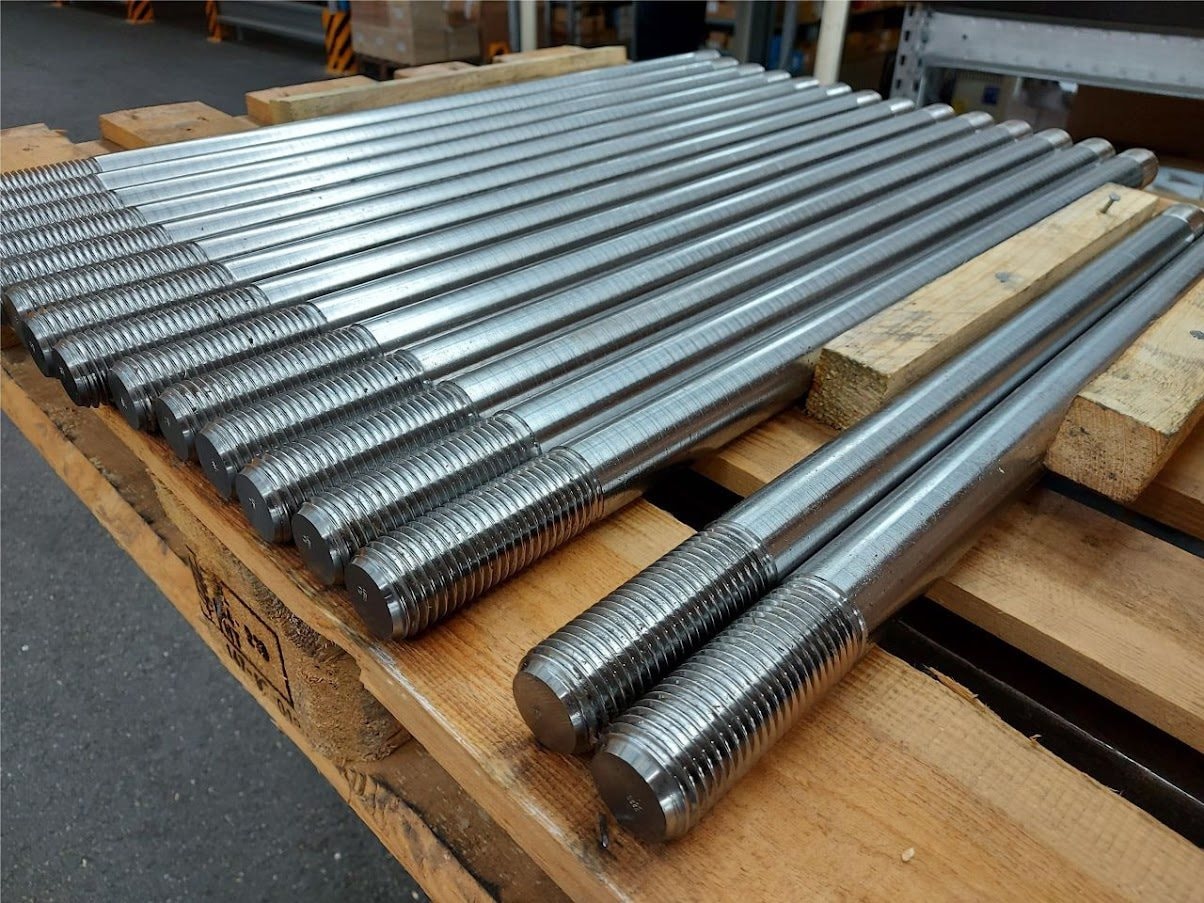
For instance, Vietnamese enterprises are capable of producing bolts and screws, but they are often restricted from doing so. This is because automotive fasteners are tied to intellectual property and industrial design rights, which are part of global manufacturer supply chains.
To advance, Vietnam must drive breakthroughs in science and technology to develop all auxiliary industries supporting the automotive sector—from chassis and drivetrains to gearboxes and electronic software. The goal is to enhance exports, particularly of auto components.
According to the latest data from the General Department of Customs, as of March 15, Vietnam’s import value of auto parts and accessories reached USD 1.013 billion. However, this figure is only half of the export value for the same category, which totaled USD 2.029 billion, resulting in a trade surplus of over USD 1 billion in the first quarter.
Most imported components are high-tech parts that cannot yet be produced domestically, such as engines, gearboxes, control boards, sensors, airbags, and paint materials. These components often come with exclusive technology from global automakers, have high added value, and are influenced by import tax incentives.
Conversely, Vietnam’s key export products reflect the strengths of its auxiliary industries, with a significant focus on electrical wiring harnesses, tires, plastic components, and seats. These are primarily produced by joint ventures with Japanese companies like Yazaki, Sumiden, and Bridgestone Vietnam.
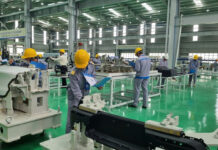
Currently, Vietnam has approximately 2,000 enterprises manufacturing components for automobiles and motorcycles, employing over 600,000 workers. Among these, nearly 300 companies meet the standards to participate in global supply chains. Notably, the localization rate of components within the supply chains of Japanese companies in Vietnam has increased from 28% to 37% over the past decade.
Exclusive Early Access Perks for EA SPORTS FC Mobile Players: Enjoy Commentary by Tạ Biên Cương and Nguyễn Khắc Cường, Bigger Rewards with More Players!

EA SPORTS FC Mobile Returns to Vietnam with Exclusive Early Access Closed Beta Test
Experience the highly anticipated comeback of EA SPORTS FC Mobile as it makes its grand return to Vietnam. Dive into the action with the exclusive Closed Beta Test, offering early access to the ultimate football gaming experience. Don’t miss this limited opportunity to be among the first to explore the new features and immersive gameplay. Get ready to dominate the pitch like never before!
Vietnam’s “Life-Changing” Tree Species Turns Farmers into Billionaires Annually

This remarkable tree has transformed the lives of farmers, enabling them to earn hundreds of millions, even billions, annually.
17 Million Vietnamese Traders Handle $100 Billion in Crypto Transactions Abroad

With over 17 million Vietnamese actively trading cryptocurrencies—generating an estimated annual transaction volume exceeding $100 billion—the entire ecosystem operates exclusively on foreign exchanges. This underscores the urgent need to transition to a regulated domestic marketplace, ensuring tax compliance and seamless integration within Vietnam’s financial infrastructure.
Digital Finance: The Key to Driving Sustainable Consumption in Vietnam

Digital finance is poised to play a pivotal role in shaping sustainable consumer lifestyles, a trend gaining significant momentum worldwide.
Blockchain Businesses Unrestricted: No Legal Bans Confirmed, Says Attorney Phan Vu Tuan

Blockchain experts view the recent cautious response from businesses as a positive sign of their willingness to adapt to new regulations. However, timely communication and clear guidance from regulatory bodies are essential to ensure a smooth transition.