

















Market Pressure and Operational Challenges
The international home appliances industry is a fiercely competitive arena. Historically, a significant portion of manufacturing orders in this sector shifted to China, placing Vietnamese businesses under immense pressure regarding labor costs, raw materials, and quality competition.
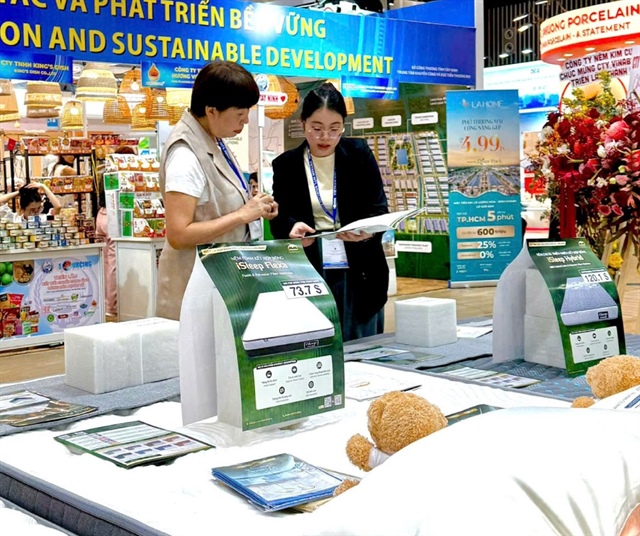
Vietnamese enterprises face significant pressure from market demands and operational costs. Image: Source |
Buyers frequently switch suppliers in response to changes in tariffs, logistics, or market conditions.
However, in the post-Covid supply chain reshaping wave, coupled with U.S.-China trade tensions, global brands are seeking alternatives beyond China.
This presents a golden opportunity for Vietnam’s home appliance industry, provided it leverages manufacturing advantages, adheres to international standards, and establishes a unique brand identity.
Nevertheless, this shift also introduces new challenges for Vietnamese businesses. These include the costs of accessing new buyers, developing product designs and packaging tailored to specific markets, and managing color and style variations across regions. With new partners, payment risks and order volatility remain persistent concerns.
Many companies report carefully evaluating new orders, especially from non-long-term clients. Payment risks or changes in import regulations can disrupt production plans.
According to Hoa Phat Electrical Appliances, the company focuses on products with stable global demand, avoiding short-term trends. Order sustainability is prioritized over immediate growth.
Vietnamese businesses are increasingly proactive in product development rather than relying solely on contract manufacturing.
High-demand, sustainable products—such as freezers, refrigerators, food containers, and bedding—are prioritized for research. Meanwhile, niche items like water purifiers, air filters, and smart trash bins, suitable for specific markets, require careful resource allocation.
The “Green” Race as a Passport
Amid these challenges, many companies emphasize that “greening products and diversifying markets” are essential. Businesses have incorporated internationally certified recycled plastics, biodegradable materials, and FSC-certified wood or rubber, alongside stringent quality certifications like ISO 9001, BSCI, and SMETA.
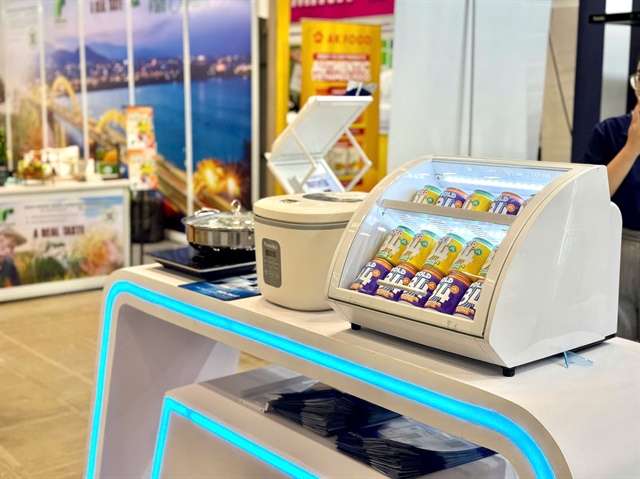
Companies stress that “greening” and market diversification are prerequisites in the post-Covid supply chain reshaping wave. Image: Hoa Phat |
“International customers are highly concerned about environmental impact and product safety. Certifications enhance our credibility and facilitate contract signings,” shared Ms. Nguyen Thi Hong, Head of International Sales at Hiep Thanh Plastics.
The Ministry of Industry and Trade highlights market diversification as key to sustaining double-digit export growth. While the U.S. remains the largest market, Mexico, Canada, African nations, South America, and Southeast Asia are emerging as new growth drivers.
The timber industry exemplifies this success. Statistics show that 4 out of every 10 kitchen wooden products in American households originate from Vietnam. This achievement stems from businesses’ adaptability in design adjustments, localized production components, and even considering third-country or U.S.-based production lines to mitigate tariff risks.
This proactive approach reduces reliance on traditional markets and expands export destinations, including Japan, Australia, Dubai, Singapore, Myanmar, Pakistan, Indonesia, Mexico, and Brazil.
Beyond factory floors, home appliance companies are leveraging trade promotion channels such as exhibitions, buyer connection events, Vietnamese trade offices abroad, and e-commerce platforms. These serve as extensions, enabling Vietnamese products to swiftly reach retail chains, reduce market entry costs, and capture emerging consumer trends.
“Through connection events, we meet major buyers within days, rather than spending months approaching individual countries,” noted a Vinabedding representative.
Regardless of technological advancements, certifications, or market shifts, human capital remains the cornerstone. Industry enterprises view workforce investment as a long-term strategy to foster innovation, enhance competitiveness, and navigate uncertainties.
“A strong workforce enables businesses to withstand challenges. Continuous learning and innovation are key to overcoming obstacles,” emphasized the Vinabedding representative.
Vietnam’s home appliance industry is evolving from pure manufacturing to brand building, from low-cost to value-added products, and from traditional materials to green solutions. Experts believe that by standardizing products, expanding markets, utilizing trade promotions, and investing in human resources, Vietnamese home appliances can significantly advance and secure a strong position in the global value chain.
Gia Nghi
– 19:00 23/09/2025
Prime Minister Issues Directive to Boost Exports and Develop Overseas Markets

Prime Minister Pham Minh Chinh has signed Directive No. 29/CT-TTg dated September 23, 2025, outlining key tasks and solutions to boost exports and develop overseas markets.
“Unraveling the Opportunities and Challenges for the Textile and Footwear Industry in the Coming Years”

On September 9, at the Trade Promotion Conference with the Vietnamese Trade Offices Abroad for August 2025, chaired by the Minister of Industry and Trade, representatives from the Vietnam Textile and Apparel Association and the Vietnam Leather, Footwear and Handbag Association shared new challenges and proposed solutions to overcome difficulties, enhance competitiveness, and seize opportunities in the international market.
“Vietnamese Exports: Seeking New Launchpads for Global Reach”

To sustain the momentum of robust export growth, industries are striving to diversify their markets and reduce reliance on major partners. They are also navigating the dynamic landscape of international trade policies and forging new paths to ensure long-term success.
The Spice Market: Black Pepper Prices Continue Their Downward Trend, Remaining Above 150,000 VND per Kilogram

The domestic pepper price remains high due to limited supply and increased export demand.
The First Indian Commodity Affected by Russian Oil Purchases: Farmers Face 20% Price Squeeze as Rivals Eye Windfall

India is Vietnam’s rival in the US market for this particular product, whereas Ecuador holds a competitive edge.