Corporate Income Tax Rates Adjusted by Scale and Sector
Corporate Income Tax Rates Adjusted by Scale and Sector
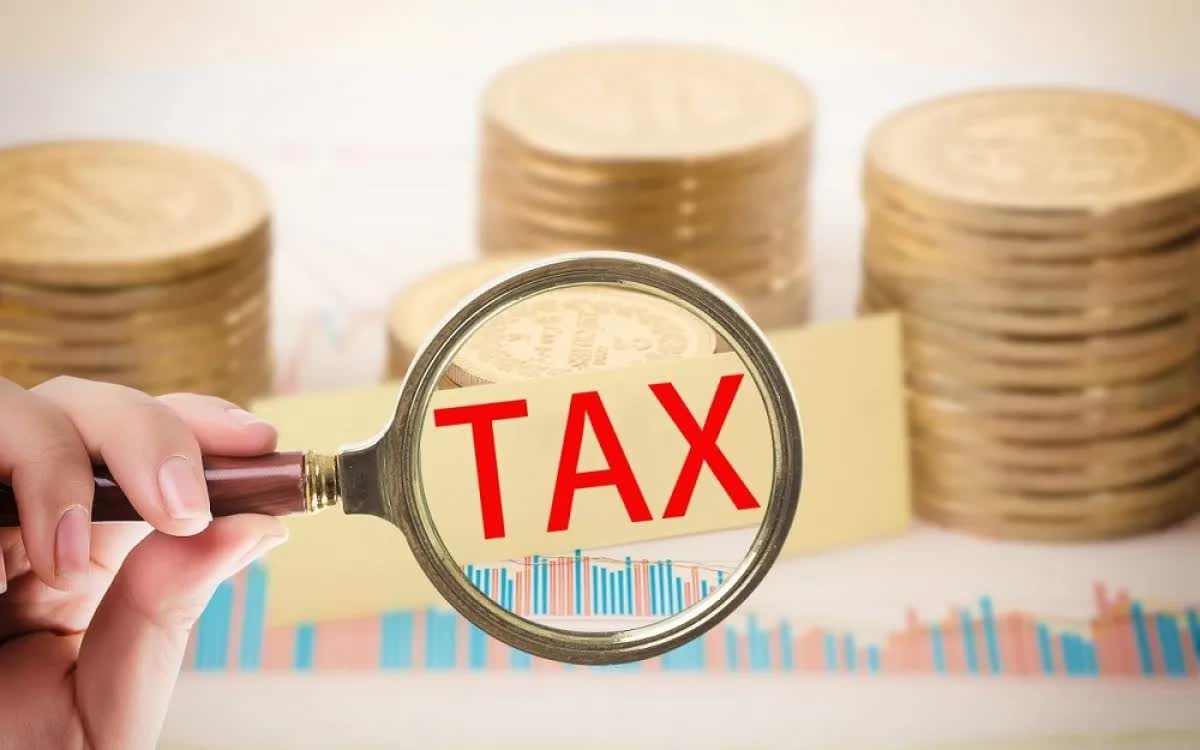
The National Assembly has issued Law No. 67/2025/QH15 on Corporate Income Tax 2025, effective from October 1, 2025.
Under the new regulations, the standard corporate income tax rate is 20%, except for cases of preferential or special treatment. Companies with an annual revenue of no more than VND 3 billion are subject to a 15% rate, while those with revenue between VND 3 billion and VND 50 billion are taxed at 17%. The revenue used for calculation is determined based on the previous corporate income tax period. For oil and gas exploration and extraction activities, the tax rate ranges from 25% to 50%, depending on the conditions of each field, as decided by the Prime Minister.
The extraction of rare resources such as platinum, gold, silver, tin, tungsten, gemstones, and rare earths is taxed at 50%, reduced to 40% if the mine is located in an area with over 70% of its area classified as particularly disadvantaged. This regulation aims to ensure tax fairness and promote sustainable business practices.
Support for Businesses Investing in AI Equipment
The National Assembly has issued Law No. 93/2025/QH15 on Science, Technology, and Innovation, effective from October 1, 2025.
This law encourages the application of artificial intelligence in research and development but requires that activities directly involving humans, such as healthcare, biotechnology, and artificial intelligence, strictly comply with the law and remain under human supervision.
Notably, the government supports businesses investing in equipment by allowing expenses for research and innovation to be considered as legitimate costs when determining taxable income, thereby encouraging greater investment in science and technology.
Official Abolition of the State Gold Monopoly
The Government has issued Decree No. 232/2025/NĐ-CP, amending and supplementing certain provisions of Decree No. 24/2012/NĐ-CP dated April 3, 2012, on the management of gold trading activities. The decree takes effect from October 10, 2025.
Accordingly, the decree officially abolishes the state monopoly on the production of gold bars, as well as the export and import of raw gold for gold bar production. It expands the scope of regulation, adds a definition for gold bars, and stipulates that only qualified commercial banks and enterprises are permitted to produce them.
The decree also clarifies that gold bar production is a conditional business activity requiring a license from the State Bank. Additionally, it mandates that gold transactions of VND 20 million or more per day must be settled through bank accounts and requires the disclosure of product standards, warranties, and data storage connected to the State Bank.

Official Abolition of the State Gold Monopoly
Application of Additional Corporate Income Tax
The Government has issued Decree No. 236/2025/NĐ-CP detailing certain provisions of Resolution No. 107/2023/QH15 dated November 29, 2023, regarding the application of additional corporate income tax under global anti-base erosion rules. The decree takes effect from October 15, 2025.
Accordingly, taxpayers are constituent entities of multinational groups with consolidated revenue in the financial statements of the ultimate parent company of at least EUR 750 million in at least two of the four consecutive years prior to the tax year, except for cases excluded by regulations. For newly established groups, if they have achieved the EUR 750 million revenue threshold for at least two years within their operating period of less than four years, their constituent entities are also subject to the tax.
State Bank Reduces Reserve Requirements by 50% for Certain Credit Institutions
On August 12, the State Bank issued Circular 23/2025/TT-NHNN, amending Circular 30/2019 on reserve requirements. The circular takes effect from October 1, 2025.
A notable point is that credit institutions supporting or receiving mandatory transfers of specially controlled commercial banks will have their reserve requirements reduced by 50% according to the approved recovery and transfer plan.
The circular also adds regulations for policy banks and changes the name of “State Bank branches in provinces and cities” to “State Bank regional branches.” Additionally, it clarifies the responsibilities of the Department of Credit Institution Management and Supervision and the State Bank Inspectorate in handling reserve requirement violations.
Ministry of Finance Issues New Regulations on Treasury Payment Account Management
The Ministry of Finance has issued Circular 81/2025/TT-BTC regulating the management and use of Treasury payment accounts opened at the State Bank of Vietnam and commercial banks. The circular takes effect from October 1, 2025.
Accordingly, the Treasury (central and regional) is permitted to open accounts in VND and foreign currencies for revenue collection, expenditure, balance management, temporary surplus utilization, and deficit handling. Commercial banks must meet requirements for bilateral electronic payments and ensure timely and accurate data transmission to the Treasury, tax authorities, and customs. End-of-day account balances are transferred to the Treasury’s account at the State Bank, except in cases of force majeure.
Cases Exempt from Fees and Charges for Transiting Goods and Vehicles
The Ministry of Finance has issued Circular 86/2025/TT-BTC regulating the collection, payment, management, and use of customs fees and charges for transiting goods and vehicles, effective from October 12, 2025.
According to Article 3, exempt subjects include: humanitarian aid and non-refundable aid; gifts to agencies, organizations, and individuals within tax-exempt limits; diplomatic items; personal luggage; goods exchanged by border residents; vehicles of border residents managed by tracking books; and goods and vehicles exempt under international treaties or commitments by the Vietnamese Government.
Proposed Special Mechanism to Resolve Challenges for Seven Billion-Dollar BOT Power Projects

Seven billion-dollar BOT power projects face a looming $425 million tax surcharge under the global minimum tax regime. The Ministries of Industry and Trade, and Finance have proposed solutions to alleviate this challenge.
Billion-Dollar Power Projects in Vietnam Face Major Concerns as Ministries Seek Special Exemptions

In a move to alleviate tax burdens, Vietnam’s Ministry of Finance has proposed solutions to address the global minimum tax challenges faced by billion-dollar power plants in the country. This initiative aims to support BOT (Build-Operate-Transfer) electricity projects, which are at risk of incurring an additional $400 million in tax liabilities.
Proposed New Policy Series for the International Financial Center in Vietnam

The Ministry of Finance has proposed a groundbreaking initiative: exempting high-caliber experts, scientists, and top-tier professionals working at the International Financial Center from personal income tax on their salary and wage earnings until the end of 2030.
Proposed Tax Rates for Priority Projects in the International Financial Hub

Projects in prioritized industries for development within the proposed international financial center are eligible for a 10% corporate income tax rate, applicable for a period of 30 years.
The E-commerce Floor and Digital Platforms: A Case for Corporate Income Tax

The government has proposed a new regulation requiring foreign businesses providing goods and services through e-commerce and digital platforms to pay taxes on their taxable income derived from Vietnam. This proposal aims to ensure that foreign enterprises doing business in Vietnam’s digital landscape contribute their fair share to the country’s tax revenue.