













From the Thu Duc Lesson to Today’s Di An Potential
Back in 2013–2014, many were hesitant to invest in Thu Duc, where mid-range apartments were priced at just 18–25 million VND/m² and land plots at 15–20 million VND/m². Fast forward a decade, and thanks to urban planning, infrastructure development, and capital inflows, property values there have skyrocketed. This lesson has investors eyeing Di An as the “next Thu Duc,” a prime opportunity to get in before prices surge.
Indeed, Di An’s prices have risen compared to a few years ago, with land averaging 24 million VND/m² in 2018 to 35–45 million VND/m² in 2024–2025. Mid-range apartments now range from 35–45 million VND/m², with some high-end projects reaching 50–55 million VND/m². Yet, these figures remain lower than neighboring areas around Ho Chi Minh City.
Mr. Tran Quoc Hung (45, individual investor) recalls, “In 2014, I passed on a land plot in Hiep Phu, thinking it was too far from the city center. Later, as prices soared, I regretted it. Now, seeing Di An’s infrastructure leading the way, I’m ready to invest.”
In recent years, there’s been a clear shift of investment capital and residential demand from HCMC to satellite cities. Inner-city property prices have outpaced the budgets of most young professionals and middle-class families, while new project land is scarce. In contrast, areas like Di An, Thuan An, and Bien Hoa (Dong Nai) benefit from improved connectivity, lower prices, and robust industrial growth, attracting both investors and homebuyers.
Discussing the shift to areas like Di An, Mr. Troy Griffiths, Deputy Managing Director of Savills Vietnam, notes, “Limited supply in HCMC has driven apartment prices to unaffordable levels for young buyers. Satellite markets like Binh Duong, especially Di An, offer a viable alternative. Improved infrastructure will further draw investors and genuine buyers to Di An.”
Learning from Thu Duc, experienced real estate investors emphasize that well-connected satellite areas can become hotspots. Di An benefits from population migration, business relocation, and supply chain shifts from HCMC, creating sustainable price growth rather than speculative bubbles.
Di An benefits from infrastructure like Metro Line 1 and Ring Road 3…
Di An’s Potential Is Yet to Peak, but Act Fast
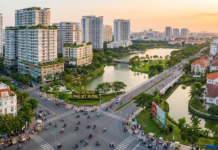
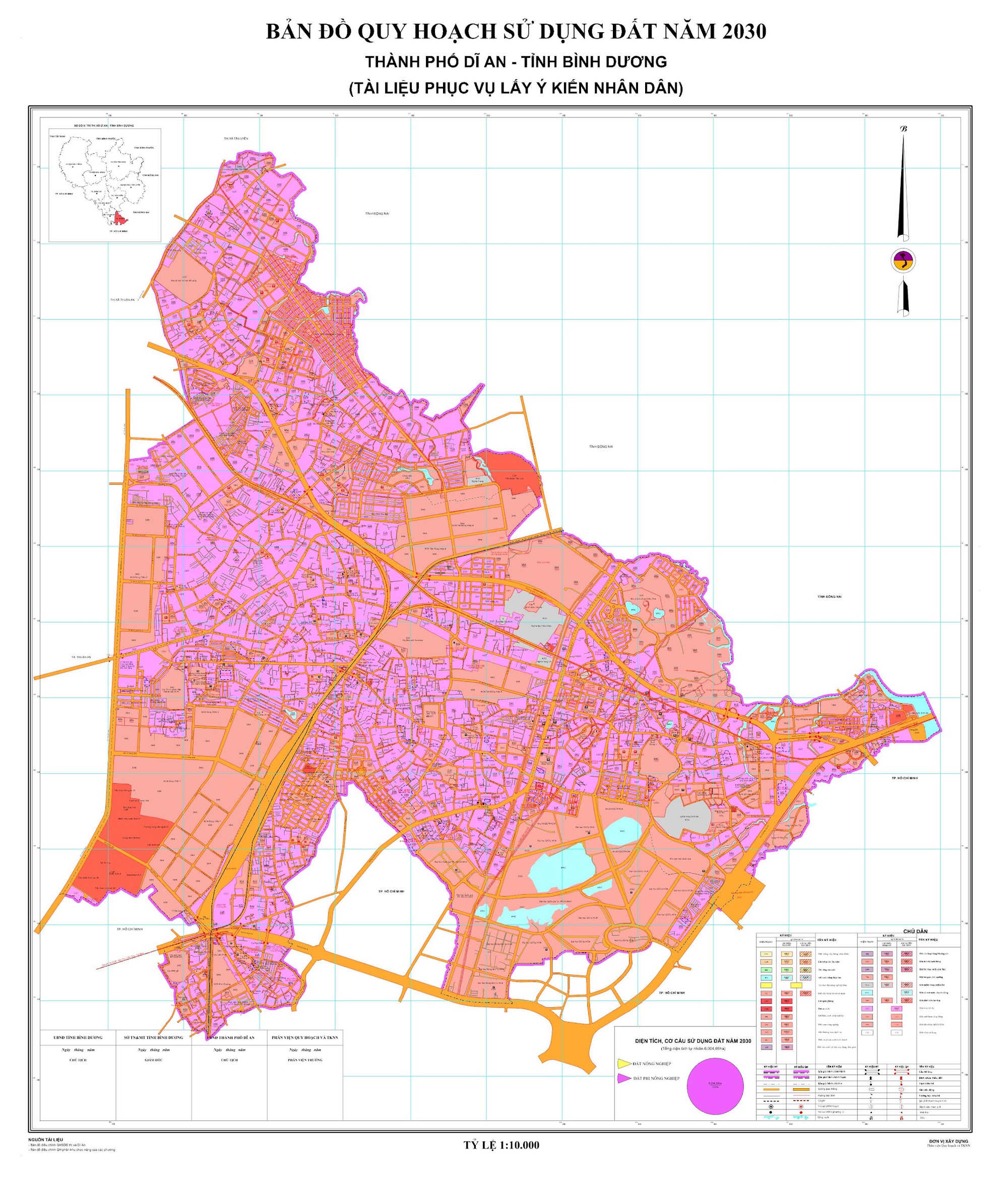
Bordering Thu Duc, Di An boasts strategic infrastructure, including National Highway 1K, My Phuoc – Tan Van Road, Vo Nguyen Giap Boulevard, Ring Road 3, and the metro system, enhancing regional connectivity. This prime location is key to its land value transformation.
Ms. Nguyen Thi Mai (29, bank employee) shares, “With our average income, buying in central HCMC is impossible. Di An’s prices are affordable, and commuting is convenient. For us, it’s a practical decision, not speculation.” Genuine buyers like Mai drive sustainable demand, unlike speculative bubbles.

Di An is poised to become a Southern real estate hotspot, attracting both homebuyers and investors.
Mr. Nguyen Van Khanh, a seasoned investor in Binh Duong and Dong Nai, notes that while Di An’s prices have risen over 3–5 years, they haven’t peaked. Key factors include infrastructure progress and project legal transparency. Investors should prioritize projects with clear legal frameworks and reputable developers.
Some projects along National Highway 13 have seen significant price increases, targeting genuine buyers with essential amenities. Once Ring Road 3 and the Suoi Tien Binh Duong metro are operational, prices will likely surge, mirroring Thu Duc’s trajectory.
Dr. Nguyen Van Dinh, Chairman of the Vietnam Real Estate Brokers Association, comments, “Di An is emerging as a new Southern real estate hotspot. Apartment prices rose from 30 million VND/m² in 2024 to 45–60 million VND/m² today. Projects under 35 million VND/m² are now rare, reflecting strong demand from infrastructure, urban planning, and HCMC integration.”
He stresses that with major infrastructure like Ring Road 3 and Metro Line 1, coupled with FDI and genuine demand, Di An’s property values will continue to rise.
Asked if Di An has bottomed out, experts and investors agree prices have risen but haven’t peaked. Fundamental drivers like strategic location, infrastructure, genuine demand, and FDI fuel growth. Investors should focus on suitable products, infrastructure progress, and legal clarity.
Mr. Tran Minh Duc (35, individual investor) says, “After missing out on Thu Duc, I’m not making the same mistake. I prioritize projects with strong legal frameworks near major transport routes—ideal for 3–5-year investments or rentals.”
Di An offers a second chance for those who missed Thu Duc, but it requires prudence and informed decisions. For long-term residential or investment goals, Di An is worth monitoring, but hesitation could mean missing the wave.
“Looking back at Thu Duc a decade ago, many regretted hesitating. Di An is at a similar stage, with prices yet to peak. Now is the time to invest, as future opportunities will narrow,” says Dr. Nguyen Van Dinh.
Unveiling Ho Chi Minh City’s First Overpass on Ring Road 3 Crossing Urban Streets

The Ho Chi Minh City Ring Road 3 project, specifically the section passing through Binh Duong (formerly known as the old route), is accelerating its progress to meet the technical opening deadline in December. Among the four overpasses on this segment, the overpass crossing Nguyen Thi Minh Khai Street, part of the Construction Package 3 (XL3), has already taken shape.
Government Issues New Directive Following ‘Unprecedented’ Proposal by Son Hai, Deo Ca, and Truong Thinh Corporations
Revised Introduction:
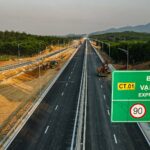
Steering the expansion of the North-South Eastern Highway segments, this directive charts a transformative path for connectivity and infrastructure advancement.
Young Buyers Fuel Housing Demand, Real Estate Developers Rush to Launch New Projects

Anticipation of rising prices, the pursuit of secure investment havens, and the untapped potential of Ho Chi Minh City’s satellite regions are collectively driving a resurgence in real estate demand.
$2.6 Billion Project Connects Seaport, Airport, and Riverside Urban Area, Positioning for $16 Billion Mega Development
The joint venture aims to significantly reduce the project timeline to just 30 months.
Border Province Surpasses Annual Budget Target by Mid-September

This province has surpassed its assigned target by an impressive 100%, marking a significant achievement in its performance.