











According to Mr. Thanh, steel enterprises are currently facing dual pressures. On one hand, they contend with cheap, low-quality imported steel flooding the domestic market; on the other, their exports face continuous investigations and lawsuits abroad.
“As the U.S. shifts its tariff policies, protectionist measures are spreading globally, leaving Vietnamese exports vulnerable to trade defenses like anti-dumping, countervailing duties, and safeguards. Businesses often find themselves on the back foot,” he stated.
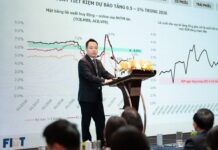
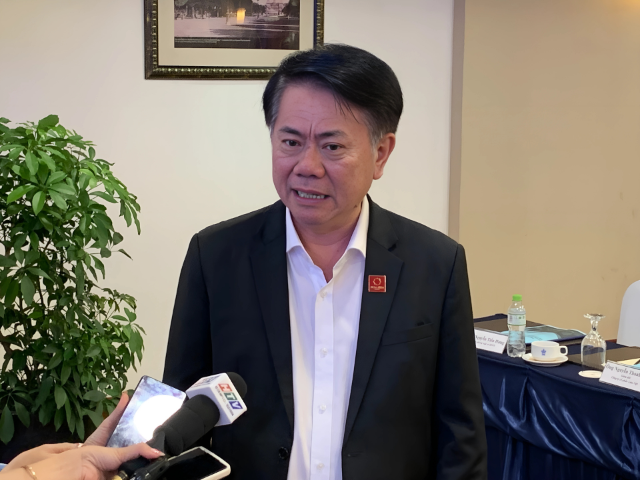 Mr. Vũ Văn Thanh, CEO of Hoa Sen Group – Photo: Tử Kính
|
WTO data reveals this trend is not unique to Vietnam. In 2024, a record 453 trade defense investigations were initiated globally. India led with over 1,250 cases, followed by the U.S. with nearly 1,000, and the EU with over 580.
Conversely, China faced the most lawsuits with 1,780 cases, trailed by South Korea and Taiwan. For Vietnam, the U.S. topped the list with 30 anti-dumping investigations by late 2024, followed by India, Australia, and Malaysia.
WTO figures highlight metals as the hardest-hit sector, accounting for 32% of anti-dumping cases and nearly half of global subsidy countermeasures. This explains why Vietnam’s steel industry is frequently targeted in trade disputes.
Hoa Sen’s CEO emphasized collaboration between businesses and regulators as critical. Cases in the U.S. show that with support from the Ministry of Industry and Trade, companies have secured favorable outcomes, including zero-duty rulings. However, a major hurdle is that countries like the U.S. and Mexico do not recognize Vietnam as a market economy. “Without this recognition, they rely on third-country data, putting us at a clear disadvantage,” Mr. Thanh explained.
Lê Việt, Vice Chairman of the Vietnam Steel Association, noted the industry ranks 11th globally in crude steel production, with a capacity exceeding 30 million tons annually. From 2016 to 2024, steel exports grew by an average of 19% yearly, reaching over 50 countries. Yet, steel remains the most targeted sector in trade defenses. From 2024 to August 2025, Vietnam’s steel industry faced 86 cases, roughly 30% of those handled by the Trade Defense Agency.
Mr. Việt stressed that trade defenses not only shield domestic firms from unfair competition but also drive technological innovation and quality enhancement to meet international standards. “This is a vital tool for the sustainable modernization of Vietnam’s steel sector, not just a temporary fix.”
Returning to business strategies, Mr. Vũ Văn Thanh proposed three approaches to tackle lawsuits: proactive prevention through data transparency and adherence to international standards; full cooperation with foreign investigators to avoid heavy tariffs; and timely support from government bodies. He also highlighted the need for workshops, guidelines, and experience-sharing to address the knowledge gap many firms face regarding trade defenses.
For the domestic market, Mr. Thanh advised businesses to report anomalies promptly for timely investigations. Beyond tariffs, technical barriers should be introduced, ensuring imported steel meets Vietnam’s minimum quality standards.
Echoing this, Mr. Lê Việt called for urgent updates to Vietnam’s standards and regulations to control import quality and tighten origin management to prevent tax evasion. He urged the government to strengthen the Trade Defense Agency’s capacity and establish early warning systems in key markets like the U.S., EU, and ASEAN to better prepare businesses for investigations.
Expert Insights on Trade Defense for Vietnam in the New Context
– 15:28 30/09/2025
“Hòa Phát Exempted from India’s Anti-Dumping Duties on Hot-Rolled Coils”
Hòa Phát’s exported HRC steel to India is exempt from anti-dumping duties as the dumping margin falls within the 0-10% range.
The Great Vietnamese Export Surge: Over 100,000 Tons of Goods Flood Cambodia as Vietnam Boasts 15 Million Ton Production with Zero Export Tax.
Cambodia is the largest export market for this particular product from Vietnam, with Italy and the United States following closely behind.
The US and Vietnam Reach Agreement on Catfish Anti-Dumping Measures
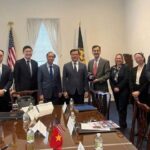
The resolution of the bilateral dispute between Vietnam and the United States over catfish is a testament to the goodwill and negotiation efforts of both parties. It is a result of constructive spirit, good faith, and a mutual desire to find a solution, particularly on the part of the United States Department of Commerce (DOC) and the United States Trade Representative (USTR).
The Sun-Powered Showdown: US Tariffs on Solar Panels from Vietnam and 3 Other Southeast Asian Nations

In a preliminary decision posted on the website of the U.S. Department of Commerce on November 29, the department announced countervailing duties ranging from 21.31% to 271.2% on solar panels from Malaysia, Cambodia, Vietnam, and Thailand, depending on the manufacturing company.