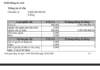
The Ministry of Health currently oversees 90 units, including state management agencies, hospitals, research institutes, training schools, forensic facilities, testing centers, and pharmaceutical and medical equipment units. From 2017 to 2025, the Ministry has been implementing a restructuring process to streamline operations and enhance efficiency.
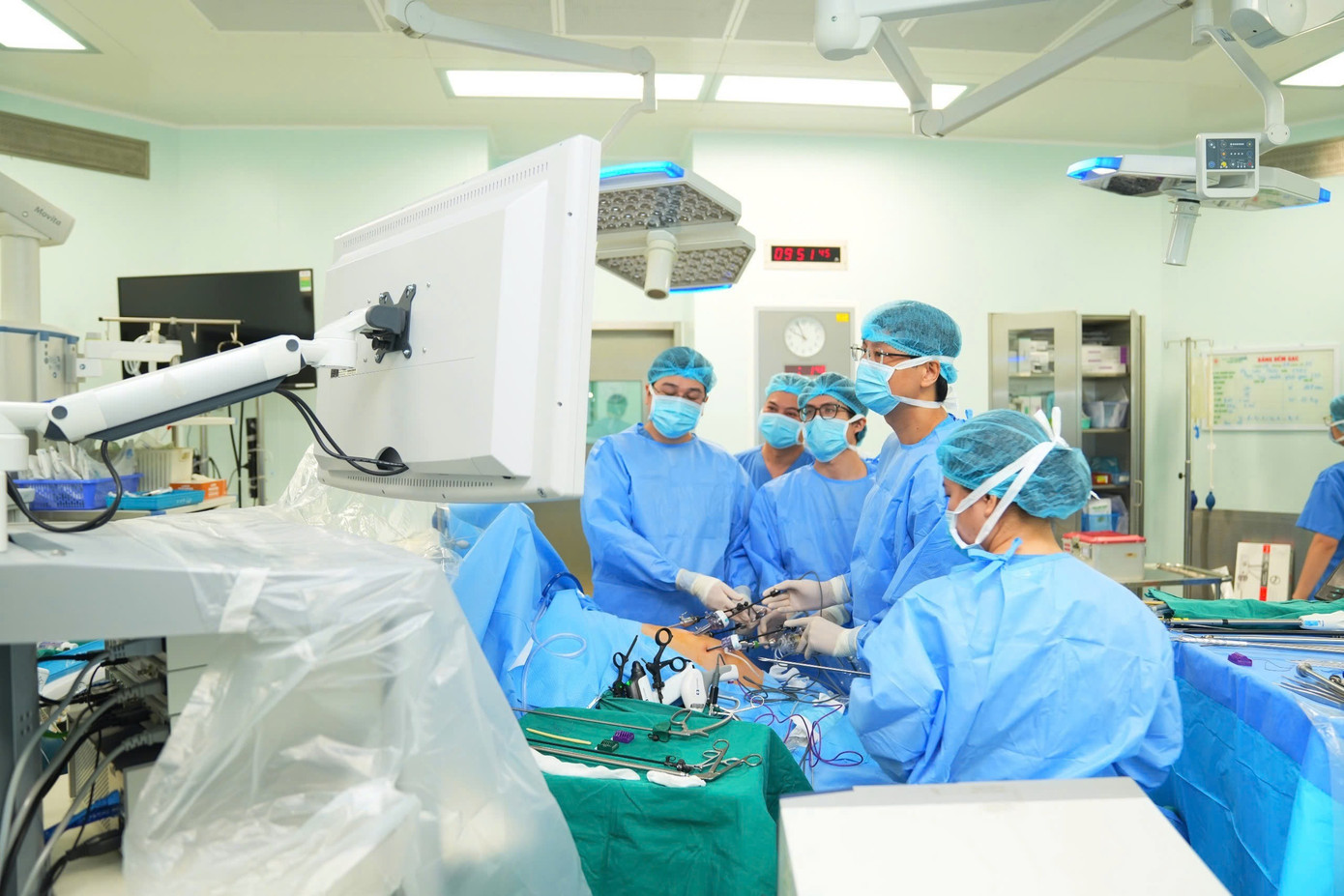
Several healthcare facilities remain under the Ministry of Health, with some merged or transferred.
Specifically, the Ministry of Health has transferred three hospitals to local management and reorganized several units. For instance, the Journal of Practical Medicine and the Journal of Pharmacy were merged into the Journal of Medicine and Pharmacy. The Vocational College of Medical Equipment Technology was integrated into Viet Duc Friendship Hospital to form the Viet Duc Medical and Equipment College. Two hospitals, Hospital 71 and the Central Rehabilitation Hospital, were transferred to Hanoi Medical University as training hospitals.
Under the new plan, the Ministry proposes transferring 13 units to local management and reorganizing 11 others. For the SOS Children’s Villages Vietnam system, the Ministry recommends handing over 17 SOS villages and 25 schools to local authorities, followed by restructuring the central office into a leaner model.
In the healthcare sector, out of 39 affiliated hospitals, the Ministry plans to retain 25 under its management to maintain leadership in treatment, research, and training. These include Bach Mai Hospital, K Hospital, Viet Duc Hospital, National Children’s Hospital, National Obstetrics and Gynecology Hospital, Cho Ray Hospital, and Thong Nhat Hospital. Some specialized hospitals will merge into larger central or general hospitals, such as Can Tho Orthopedics and Rehabilitation Hospital merging into Can Tho General Hospital, and Ho Chi Minh City Orthopedics and Rehabilitation Hospital merging into Thong Nhat Hospital.
The Ministry also proposes transferring some hospitals to medical universities as training hospitals, such as Da Nang Orthopedics and Rehabilitation Hospital to Da Nang University of Medical Technology and Pharmacy. Hospitals like Central Mental Health Hospital II, Quy Hoa Central Dermatology and Leprosy Hospital, Hospital 74, and Quang Nam Central General Hospital will be fully transferred to local management to enhance decentralization.
For forensic and forensic psychiatry units, the Ministry currently manages 8 facilities. It proposes amending the Law on Forensic Expertise to transfer 5 forensic psychiatry centers to local management, ensuring uniformity and efficiency in expertise work.
In preventive healthcare, the Ministry aims to establish a strong national focal point. The National Institute of Hygiene and Epidemiology will remain under the Ministry and serve as the central CDC. Related institutes will be reorganized: the National Institute of Nutrition, the Institute of Occupational Health and Environment, and the National Institute of Malariology, Parasitology, and Entomology will merge into the National Institute of Hygiene and Epidemiology. In the South, the Ho Chi Minh City Institute of Malariology, Parasitology, and Entomology and the Ho Chi Minh City Institute of Public Health will merge into the Ho Chi Minh City Pasteur Institute.
Medical training institutions will be maintained with adjustments for better connectivity and a streamlined network. Hai Phong University of Medicine and Pharmacy will absorb Hai Duong University of Medical Technology, while Hai Duong Central Pharmaceutical College will merge into Hanoi University of Pharmacy. Key universities like Hanoi Medical University, Ho Chi Minh City University of Medicine and Pharmacy, Can Tho University of Medicine and Pharmacy, and Nam Dinh University of Nursing will remain under the Ministry.
For testing, pharmaceutical, medical equipment, and vaccine units, the Ministry proposes maintaining the current model under its management due to specialized expertise, while studying internal restructuring to improve efficiency.
According to the Ministry of Health, the reorganization of units will be implemented in a phased manner, ensuring continuity, stability, and minimal disruption to professional work, with the goal of streamlining operations and enhancing service quality for the public.
Proposed 100% Health Insurance Coverage Increase for Social Pension Beneficiaries
The Ministry of Health has proposed that the Government pilot the implementation of diversified health insurance packages, including supplementary health insurance options tailored to meet the specific needs of the population.
The Unpaid Bills Pile Up: Ho Chi Minh City Hospitals Await Over $105 Million in Health Insurance Claims: What Does Vietnam Social Security Have to Say?
The Vietnamese Social Security has officially responded to the Ministry of Health regarding the issue of hospitals in Ho Chi Minh City being owed over VND 2,485 billion.
Proposed Addition of Mandatory Health Insurance Coverage for Specific Individuals

As per the proposal from the Ministry of Health, individuals with employment contracts lasting for at least 1 month will be required to contribute to the health insurance scheme, instead of the current requirement of “3 months”.