According to the People’s Committee of Can Tho City, the city spans over 6,360 km² with a population exceeding 4 million, serving as the core urban center of the Mekong Delta region. Can Tho is strategically aiming to become a national growth hub by 2030, focusing on commerce, services, logistics, and maritime economy for the Mekong Delta. It also aims to lead in innovation, advanced manufacturing, high-tech agriculture, and skilled workforce development.
To achieve these goals, Can Tho prioritizes modern infrastructure and regional connectivity. Under the Mekong Delta Regional Master Plan (2021–2030, vision to 2050), Can Tho International Airport is designated as the region’s key air logistics hub, with prioritized upgrades during 2021–2030.
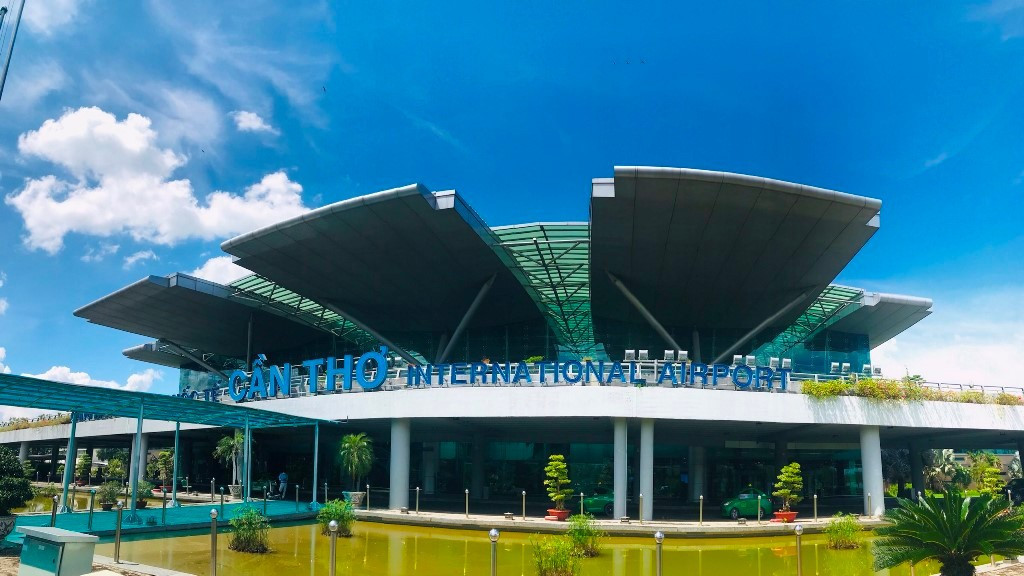
Can Tho Airport. Photo: ACV.
Specifically, Phase 1 will handle 7 million passengers annually on 389 hectares, expanding to 12 million passengers on 729 hectares in Phase 2. The city anticipates that upgrading the airport, alongside the completion of regional expressways by 2026, will significantly enhance connectivity, boosting trade, logistics, and tourism.
Upgraded and operational since 2011, Can Tho International Airport is one of Southern Vietnam’s three major international airports (alongside Tan Son Nhat and Phu Quoc). It can accommodate wide-body aircraft like the Airbus A330 and Boeing 787, though current operations fall short of its potential.
The Civil Aviation Authority of Vietnam (CAAV) reports that only Vietjet and Vietnam Airlines operate 6–7 domestic routes from Can Tho to Hanoi, Da Nang, Hai Phong, Vinh, Da Lat, Phu Quoc, and Con Dao. Previously active international routes to Bangkok, Kuala Lumpur, and Taipei have been suspended.
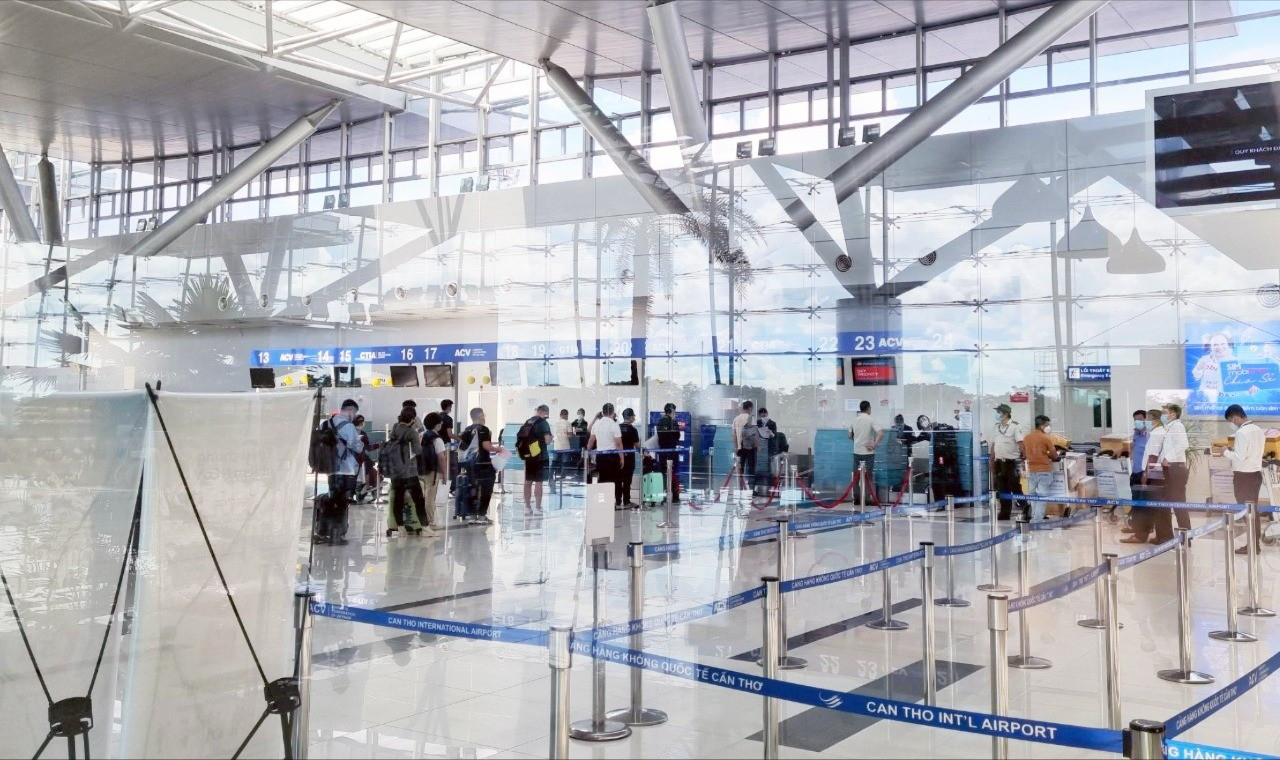
Current operations at Can Tho Airport underutilize its potential. Photo: ACV.
In 2024, the airport retained only two international routes to South Korea and Taiwan, leading to a 25% decline in traffic compared to 2023. In the first half of the year, it served over 557,000 passengers and 3,800 tons of cargo, with no international flights operated.
In response, from mid-November 2024, CAAV directed airlines to increase frequencies on the Hanoi–Can Tho route and explore new domestic and international destinations.
Experts believe that with its central location, existing infrastructure, and growth potential, Can Tho International Airport can become a key aviation and logistics hub for the Mekong Delta. This is especially true as major vertical and horizontal expressways are completed, solidifying Can Tho’s role as the region’s “gateway to the skies.”
Văn Phú Expands Development into Southern Market
The Southern real estate market, centered around the emerging Ho Chi Minh City, is witnessing a significant investment surge from leading property developers. This wave is marked by a series of large-scale projects poised to transform the urban landscape entirely. This trend aligns with a strategic vision focused on critical transportation and infrastructure hubs within the city, aiming to redefine traffic flow and commercial dynamics across the entire Southern Key Economic Region.
Vietnam’s Most Populous City to Launch $380 Million Overpass and Underpass Project, Aiming to Alleviate Eastern Gateway Congestion

Later this year, Ho Chi Minh City will commence construction on Phase 1 of the Ring Road 2 and the Binh Thai Interchange. Upon completion, this project will significantly enhance the Eastern region’s transportation network, alleviate traffic congestion, and bolster regional connectivity.
How Vinhomes’ $10 Billion Mega-Project Accelerates Construction: What’s Changing for Can Gio Land?
The allure of Vinhomes Green Paradise has ignited a real estate frenzy, propelling land prices in the surrounding areas to unprecedented heights. Values have surged past the 50 million VND per square meter mark, with the ripple effect extending over 30 kilometers beyond the project’s boundaries.
Latest Updates on the $2 Trillion Project: Adjustments Required to Preserve Century-Old Heritage Villas
Nestled in time, this private heritage villa stands as one of the few remaining gems, meticulously preserved to showcase the seamless fusion of European architectural elegance and local cultural nuances.
Vietnam Poised to Become the Global Maritime Hub

At ViPEL 2025, industry leaders assert that Vietnam is poised to emerge as a global maritime and energy hub, leveraging its strategic coastal advantages and the ongoing shift in supply chain dynamics.