At the seminar titled “Vietnam’s Real Estate Market: Identifying Inefficiencies and Solutions,” Dr. Nguyen Van Dinh, Chairman of the Vietnam Association of Real Estate Brokers (VARS), announced that the Ministry of Construction is implementing a National Real Estate Transaction Center project on a synchronized digital data infrastructure platform.
According to Dr. Nguyen Van Dinh, real estate transactions in Vietnam have historically been fragmented across multiple agencies, including tax, natural resources and environment, planning, notarization, and credit departments. This siloed data system forces citizens to visit numerous locations to complete a single transaction.
The new initiative aims to establish a national real estate data center that will consolidate, verify, and process all property-related information. Citizens will only need to access this system when buying or selling property. The center will automatically liaise with relevant authorities to verify information and deliver results promptly, potentially completing transactions within a day.
“Citizens simply input their property details into the system. The national data center will verify and provide official confirmation of legal transaction rights. The government will then assume legal responsibility for this data, eliminating the need for citizens to navigate multiple agencies,” said Mr. Dinh.

Dr. Nguyen Van Dinh, Chairman of the Vietnam Association of Real Estate Brokers (VARS)
Addressing concerns that the project might diminish the role of existing agencies, Dr. Nguyen Van Dinh clarified that the National Real Estate Transaction Center will complement, not replace, current authorities. Departments such as Tax, Natural Resources and Environment, Planning, and Construction will retain their functions but operate through the digital platform instead of separate offices.
Mr. Dinh explained that this mechanism will significantly reduce administrative costs, cut down on intermediaries, and primarily benefit citizens by making transactions faster, more transparent, and less expensive.
“Instead of navigating multiple steps and offices, citizens will deal with a single center. Costs will be streamlined, and agencies will still receive their respective fees from the shared data system. Citizens will be the primary beneficiaries,” added the VARS Chairman.
Dr. Nguyen Van Dinh also shared that the Ministry of Construction and its delegation have studied similar models in China. There, citizens can complete transactions, sign contracts, and receive land-use rights certificates within approximately three hours, thanks to an integrated data system connecting tax, planning, land, and construction departments.
“Vietnam has never had such a model. However, with standardized data infrastructure and inter-agency coordination, it is entirely achievable,” Mr. Dinh stated.
According to Mr. Dinh, Viettel Group, a leader in technology and digital infrastructure, has been selected by the Ministry of Construction to develop the data system and infrastructure for the National Real Estate Transaction Center.
“Viettel has the expertise and capacity in technology infrastructure. If implemented on schedule and to standard, the project’s feasibility is very high,” Mr. Dinh emphasized.
The establishment of the National Real Estate Transaction Center is expected to create an open and transparent data infrastructure, enabling more effective government management and supporting a modern, transparent market that reduces legal risks for citizens and businesses.
Hot Alert for Real Estate

Legal hurdles and fear of liability are stifling supply, while soaring input costs are fueling the surge in housing prices.
26 Years of Savings: The Reality of Homeownership for the Average Citizen

Dr. Can Van Luc highlights a concerning trend in the real estate market: speculative hoarding and price manipulation. A staggering 80% of transactions involve properties resold within a year of purchase, indicating a high level of speculative activity.
State-Managed Real Estate Trading Center Set to Launch: Homebuyers to Receive Land Titles in Just 2 Days

The Ministry of Construction is finalizing a pilot project for a Real Estate and Land Use Rights Trading Center, managed by the state, with operations expected to commence in 2026. Once implemented, this model will enable citizens to obtain land ownership certificates (red books) within just two business days.
The Haunting Headline: “Real Estate Market Defies Superstition: Transactions Continue Despite Ghost Month”

“The real estate market has historically witnessed a lull during the so-called “ghost month.” However, modern investors are shifting their focus towards legal aspects, project progress, and developer incentives rather than subscribing to traditional beliefs. This shift in mindset is a testament to the evolving nature of the industry, where informed decisions and tangible factors take precedence.”
The Stock Market Sees a Sudden Surge of Capital
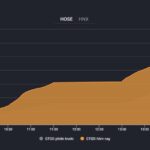
The domestic stock market continued its recovery streak today (September 18th). Active investment funds and traders focused their attention on the securities stocks, which catalyzed the market’s upward trajectory.