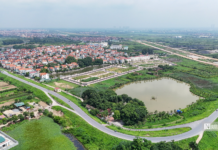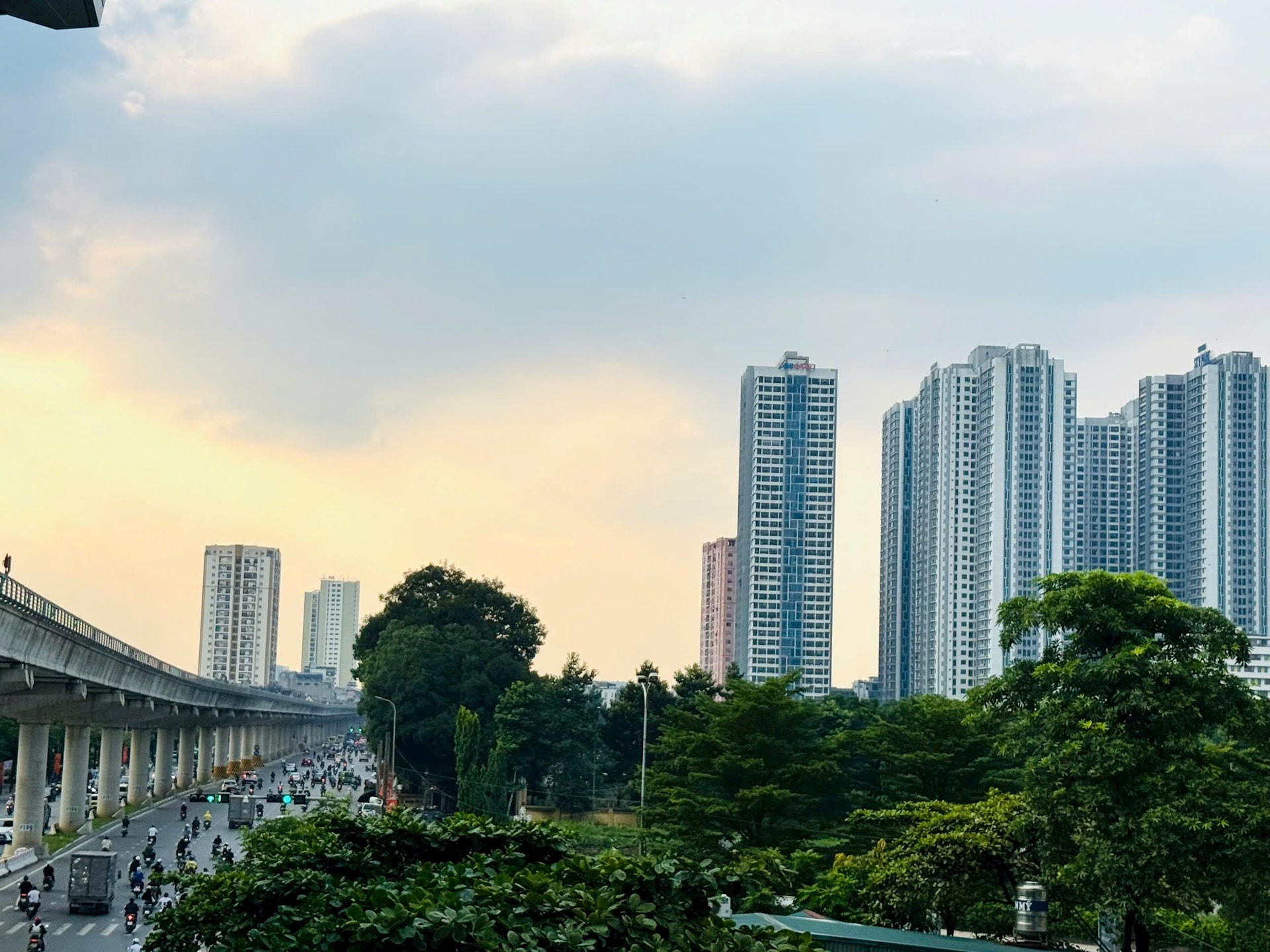
Real estate prices have surged far beyond reasonable levels over the years, creating a significant gap with the affordability of the population. (Image: MarketTimes)
This information was presented by Dr. Vo Tri Thanh, Director of the Brand and Competition Research Institute, at the Q3 and 9-month 2025 Real Estate Market Report event titled “Vietnam Real Estate Market: Identifying Inefficiencies and Solutions.” The event was organized by the Vietnam Real Estate Market Research Institute (Vietnam Association of Realtors).
Soaring Real Estate Prices Harm Low-Income Groups
Specifically, analyzing real estate prices, Dr. Vo Tri Thanh noted that prices have risen far beyond reasonable levels over the years, creating a significant gap with the affordability of the population.
“Adjusted for average inflation, real estate prices should only double in 10 years, but in reality, they have increased by tens of times. While in 1990, a motorcycle could be traded for a house, today it can only fetch a nice window frame,” said Dr. Vo Tri Thanh.
Explaining the price surge, Dr. Vo Tri Thanh stated that this phenomenon stems not only from economic factors but also cultural ones, as Vietnamese view land and property as a long-term investment, keeping demand consistently high. However, the sharp rise in real estate prices, akin to inflation, harms the poor and middle-income groups while distorting investment structures.
He also warned that if capital continues to heavily flow into one sector, the economy could face “Dutch disease,” where an overdeveloped real estate market attracts excessive investment and resources, leading to the decline of other industries.
A notable consequence is the current career choice trend among young people. Many are drawn to two groups of professions: those with a “glamorous” appeal, such as showbiz, KOLs, and KOCs, and those in finance and services, where quick money can be made. Meanwhile, industries requiring manual labor, technical skills, or direct production face growing labor shortages, posing a risk of crisis.
The expert cited the 2008-2009 U.S. crisis, which originated from subprime lending, triggering a chain reaction across the banking system and balance of payments. “We need real estate to develop, but it must be healthy and balanced between growth and macroeconomic stability. The government must carefully calculate the dosage and timing of policies to ensure market growth without risk,” Dr. Thanh emphasized.
Addressing Supply-Demand Issues at the Root
Earlier, Ms. Giang Huynh, Director of Research & S22M at Savills Ho Chi Minh City, argued that the core reason for rising home prices is not primarily speculation but rather a shortage of supply, legal bottlenecks, and increased land and development costs. Consequently, developers often focus on mid- to high-end segments to maximize profits, leading to a supply-demand mismatch.
The primary buyers in the market today are those with genuine housing needs or long-term investors, not purely short-term speculators.
Therefore, instead of tightening credit, policies should focus on addressing supply-demand issues at the root through two main approaches:
First, unlocking supply: Streamlining project approval procedures, accelerating implementation, and resolving bottlenecks for stalled projects through special mechanisms. As supply becomes more abundant and diverse, especially in the affordable segment, home prices will stabilize.
Second, boosting demand: Promoting economic growth, improving incomes, especially for middle- and low-income groups. The goal is for income growth to match or exceed home price increases, enhancing affordability. Simultaneously, developing social housing funds and expanding preferential credit channels to support vulnerable groups is essential.
These two policy groups, if implemented comprehensively, will help resolve market imbalances and foster stable, sustainable development.
Gold Prices Surge Past 160 Million VND/Tael: Investors Lock in Profits, Shift Focus to Coastal Real Estate for Emerging Opportunities
As domestic gold prices surge past 160 million VND per tael, Vietnam’s asset market is witnessing a pronounced shift in capital flows, moving away from traditional safe-haven channels toward tangible assets with higher profit potential. Coastal land plots are poised to emerge as the most attractive investment destination in Q4/2025 and Q1/2026.
Cooling Real Estate Prices: Prescribing a “Bitter Pill” Through Institutional Reform

Real estate transaction prices have been steadily rising year after year, often failing to accurately reflect the true value of properties. This upward trend has pushed prices beyond the financial reach of the average urban resident with a moderate income.
Unveiling Vinhomes Green Paradise: Novasky Ignites Heritage Revival at Grand Event Series

The Hanoi luxury real estate market has recently been captivated by two grand-scale events spotlighting Vinhomes Green Paradise Can Gio’s ESG++ super eco-smart city—a global icon of sustainable, intelligent, and green living.
26 Years of Savings: The Reality of Homeownership for the Average Citizen

Dr. Can Van Luc highlights a concerning trend in the real estate market: speculative hoarding and price manipulation. A staggering 80% of transactions involve properties resold within a year of purchase, indicating a high level of speculative activity.
“Dr. Nguyễn Văn Đính: How Some Developers and Distributors Use ‘Drip Feeding’ to Create Scarcity and Fuel FOMO”

According to Dr. Nguyen Van Dinh, speculative groups hoarding properties and leveraging margin trading to profit from price differences are driving housing prices even higher. Despite this, numerous projects continue to report high absorption rates, with some even selling out on the day of their launch.