Vietnam’s Social Insurance Agency has announced that, starting January 1, 2026, the 2025 Employment Law will come into effect, marking a new era for unemployment insurance (UI) policies.
The new law significantly expands the mandatory UI coverage. Not only does it include workers under indefinite-term contracts, but from 2026, employees with fixed-term contracts of one month or more, or part-time workers earning at least the minimum compulsory social insurance wage, will also be required to participate.
Notably, managerial positions such as company managers, board members, CEOs, directors, auditors, and state capital representatives in enterprises and cooperatives are now included in the UI scheme.
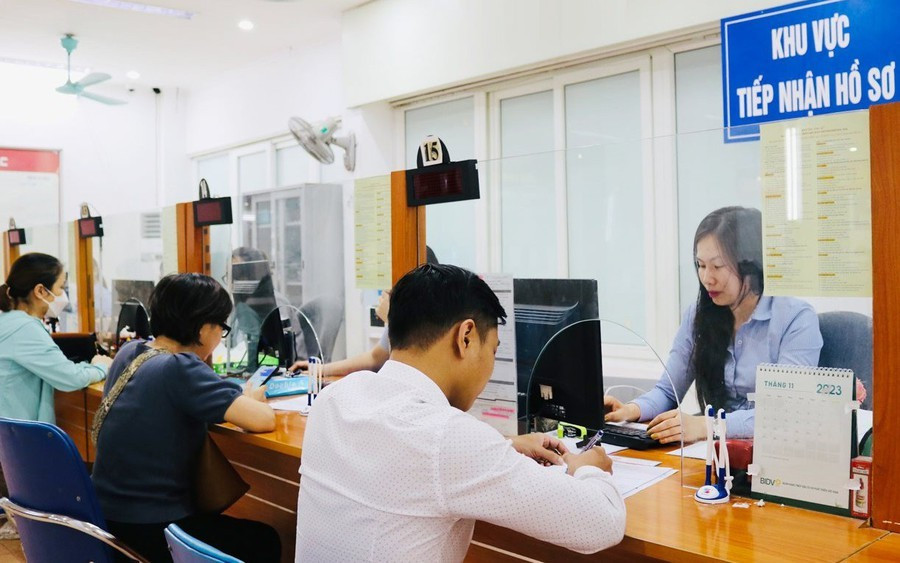
According to Vietnam’s Social Insurance Agency, this regulation is expected to mandate UI participation for millions of workers from 2026. This expansion aims to provide broader social security coverage, particularly for short-term, seasonal, and flexible workers who face higher risks of job loss or income reduction.
In addition to broadening coverage, one of the most significant changes for employees is the reduction of the waiting period for unemployment benefits from 15 to 10 working days.
Furthermore, the maximum unemployment benefit has been increased to five times the regional minimum wage, rather than being based on the base salary as before. This adjustment ensures that workers’ benefits are more closely aligned with their actual regional income levels, providing them with greater financial support during challenging times.
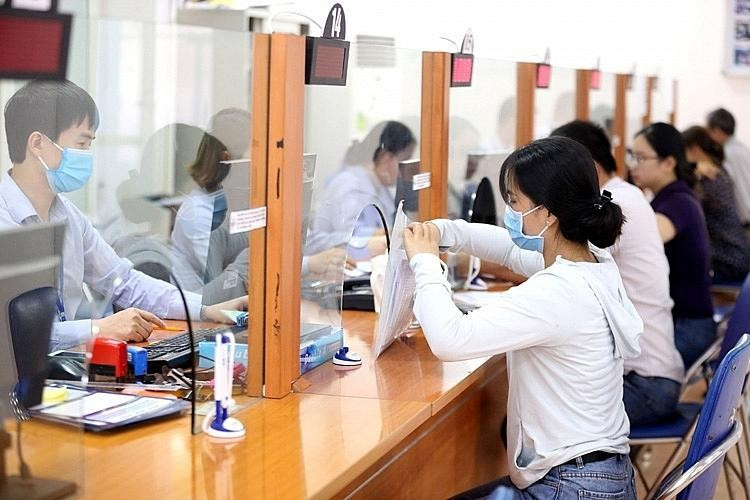
Millions of workers are expected to join the UI scheme under the new regulations.
For businesses, previous regulations required state support only if companies could prove “insufficient funds” or “economic hardship.” Now, the conditions are more clearly defined and practical. Specifically, businesses qualify for support when restructuring, adopting new technology, or facing natural disasters, fires, epidemics, or relocation/production reduction mandated by state authorities.
A groundbreaking change is the authorization for the government to utilize the UI Fund surplus in emergencies such as economic crises, natural disasters, or epidemics.
During the COVID-19 pandemic, such decisions required resolutions from the National Assembly or its Standing Committee, leading to delays. With the new regulation, support policies can be implemented more swiftly, helping businesses and workers stabilize production and livelihoods more effectively.