









A citizen inquires about the calculation of land use fees for cases where land is registered for changes in land use purposes, specifically for land that was allocated, leased, or recognized for use before July 1, 2014, and is now eligible for a land use right certificate under Decree No. 101/2024. How will the tax authority determine the land use fee in such cases?
In response, the Tax Department of Dong Thap Province refers to Article 139, Clause 3(a) of the 2024 Land Law, which states: Individuals or households using land stably and in accordance with district-level land use plans, general plans, detailed plans, construction plans, or rural planning are eligible for land use right certificates (red books). However, they must fulfill their financial obligations as prescribed.
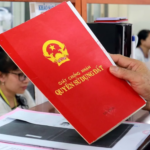
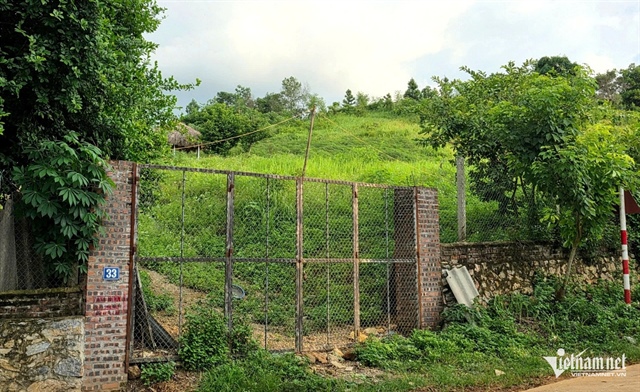 For land used for purposes other than originally intended, the land use fee calculation varies based on the specific period of land use. Illustrative image. |
According to Decree No. 103/2024, the land use fee calculation for households or individuals who violated land laws before July 1, 2014, is divided into four periods:
Before December 18, 1980
For land area within the recognized residential land limit: Land use fee = Area within the limit × Residential land price (as per the land price table) × 10%.
For land area exceeding the recognized residential land limit: Land use fee = Excess area × Residential land price × 30%.
For non-agricultural land purposes (if applicable): Land use fee = Recognized land area × Recognized land price × 40%.
From December 18, 1980, to October 15, 1993
For land area within the recognized residential land limit: Land use fee = Area within the limit × Residential land price × 20%.
For land area exceeding the recognized residential land limit: Land use fee = Excess area × Residential land price × 50%.
For non-agricultural land purposes (if applicable): Land use fee = Recognized land area × Recognized land price × 60%.
From October 15, 1993, to July 1, 2004
For land area within the allocated residential land limit: Land use fee = Area within the limit × Residential land price × 30%.
For land area exceeding the allocated residential land limit: Land use fee = Excess area × Residential land price × 60%.
For non-agricultural land purposes (if applicable): Land use fee = Recognized land area × Recognized land price × 70%.
From July 1, 2004, to July 1, 2014
For residential land (within or exceeding the allocated limit): Land use fee = Residential land area × Residential land price × 80%.
For non-agricultural land purposes (if applicable): Land use fee = Recognized land area × Recognized land price × 80%.
Based on these regulations, the Tax Department of Dong Thap Province confirms that households or individuals using land for purposes other than originally intended but have been allocated, leased, or recognized by the State, and are using it stably in accordance with planning, will have their financial obligations calculated as outlined above when applying for land use right certificates.
The land price used for calculating the land use fee is the price listed in the land price table issued by the Provincial People’s Committee at the time of certificate issuance.
Nguyễn Lê
– 09:00 19/10/2025
“Ho Chi Minh City Directs Review of Handling Plan for Prime ‘Thương xá Tax’ Land”

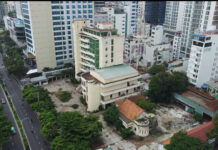
In relation to the land plot at 135 Nguyen Hue and 39 Le Loi, Saigon Ward (former District 1) – the former site of Thuong Xa Tax – the Chairman of the Ho Chi Minh City People’s Committee has directed the Department of Agriculture and Environment to take the lead, in collaboration with the Department of Construction and the Department of Finance, in reviewing, evaluating, and proposing solutions for handling the matter to ensure efficiency and compliance with legal regulations.
Retain the Land Registration Office Model: A Critical Proposal
The current Land Registration Office System operates seamlessly, boasting robust security measures and impressive data management capabilities.
Unraveling Land Valuation Challenges in Ho Chi Minh City’s Thu Thiem Eco Smart City Project
The Thu Thiem Eco Smart City project, which granted land allocation to Lotte Group in October 2022, faced legal challenges during the process of hiring a consultant to determine land pricing. Following the issuance of Decree 71 by the Government on August 1, 2024, Ho Chi Minh City promptly adhered to the prescribed procedures, completing the process within a remarkably short timeframe.
Lost Original Records? Land Can Still Be Granted a Red Book
The Land Law permits the reprocessing of procedures provided there is a certified copy of the land origin documentation and local authorities confirm the absence of any disputes.
Unlocking Decades-Old Land Disputes: Resolution for Pending Cases Since 2003 on the Horizon
At today’s press conference on socioeconomic issues held on October 2nd, representatives from the Ho Chi Minh City Department of Agriculture and Environment announced accelerated efforts to finalize land pricing following the implementation of the 2024 Land Law and its accompanying decrees. Once resolved, these measures are expected to unlock numerous large-scale projects, paving the way for the approval of tens of thousands of residential units.