Can Tho: Poised to Become a National Growth Hub
According to the report from the Can Tho City Party Congress on September 27, 2025, the city aims to become one of Vietnam’s key growth hubs by 2030, driving economic development across the Mekong Delta region. By 2045, Can Tho envisions itself as a modern, civilized, and eco-friendly city, ranking among Asia’s well-developed urban centers.
These ambitious milestones are grounded in the city’s robust economic and investment foundation, significantly bolstered over the past decade, particularly after the merger with Soc Trang and Hau Giang provinces.
Can Tho’s economy currently stands at VND 312.621 trillion, with an average annual GRDP growth rate of 7.41%. The city’s budget revenue exceeds VND 105 trillion, and the poverty rate has plummeted to a mere 0.74%. The emergence of modern, vibrant urban areas has sparked a wave of investment and population influx.

Can Tho’s fully-equipped urban areas are magnetizing capital and residents.
As of mid-2025, Can Tho hosts 78 FDI projects with a total registered capital of USD 2.434 billion. Investment is primarily directed toward three strategic breakthroughs: high-quality human resource development, science and technology application, digital transformation, and infrastructure investment to establish modern logistics, industrial, and commercial hubs.
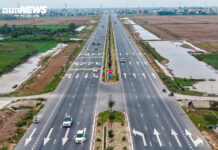
Alongside economic growth, Can Tho’s infrastructure is undergoing unprecedented development with strategic projects connecting the Mekong Delta to national and international markets. These include the Can Tho – Ca Mau Expressway (expected completion in December 2025), the Ho Chi Minh City – Can Tho railway (scheduled to start in 2027), the Can Tho – Ca Mau railway (2028), and the Tran De deep-sea port project.
Can Tho’s Central Real Estate: The Investment Focus for 2025-2030
The positive economic and infrastructure trends position Can Tho at the cusp of a golden era, solidifying its role as a regional and national growth hub. This context ushers in a new development phase for the real estate market from 2025 to 2030, particularly in the urban core.
Experts note that development is shifting toward southern Can Tho, a hub for services, commerce, and public administration, with a new 20-hectare administrative center in the pipeline. Real estate in this area is experiencing high demand from intellectuals, professionals, and investors drawn to well-planned, legally transparent, large-scale projects. The need for urban amenities, education, healthcare, and commerce is significantly influencing the local property market.
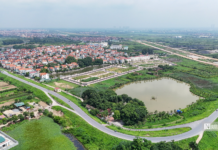
A standout project in this pivotal phase is Nam Long II Central Lake in Cai Rang District. Spanning 43.8 hectares, this integrated urban area features international-standard amenities, including schools, commercial services, healthcare, and community facilities.
Looking ahead, Nam Long II Central Lake (located in Hung Thanh Ward, Cai Rang District) is set to benefit from new infrastructure developments. Backed by Nam Long Group’s 33-year urban development expertise, the project offers legally secure land plots and shophouses, ensuring sustainable value growth as the city’s status rises.
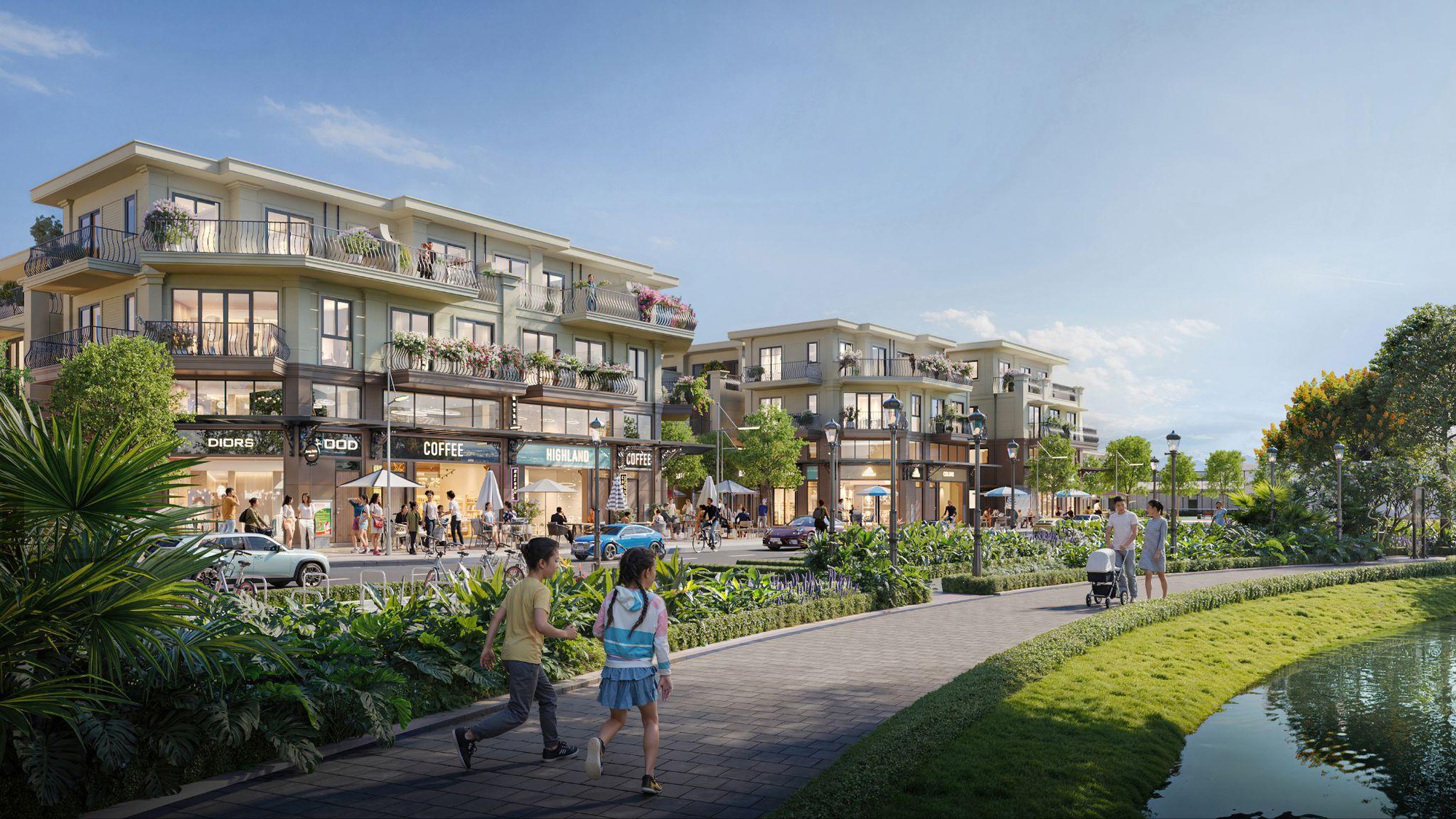
Investors are eyeing land plots and shophouses in the integrated Nam Long II Central Lake urban area.
For savvy investors in the 2025-2030 asset accumulation phase, Can Tho’s central real estate is emerging as a prime destination. Nam Long II Central Lake exemplifies modern urban living and sustainable investment value in this dynamic region.
Vietnam’s Stock Market Poised for Higher Valuations

Vietnam’s economy and stock market have demonstrated remarkable resilience amidst global volatility. However, the current phase demands investors to exercise greater diligence in stock selection. In terms of attracting foreign investment, half of the necessary conditions have already been met.
Expert Insight: The “Resting” Phase is Essential—VN-Index Gearing Up for the Next Bull Run
Most experts agree that last weekend’s correction was merely a “pit stop” for the upcoming bullish waves, with the immediate target set at 1,800 points.
Exciting News from Ha Tinh, Ninh Binh, and Hai Phong
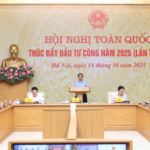
Models from Ha Tinh, Ninh Binh, and Hai Phong demonstrate that public investment capital disbursement is not merely a financial issue but a complex equation of governance, coordination, discipline, and innovation.
“High-Performing Businesses Should Continue to Be Awarded Social Housing Projects”

At the Nam Long 2 social housing complex in Can Tho on the morning of October 19th, Prime Minister Pham Minh Chinh commended the efforts of businesses that have effectively implemented affordable housing projects for low-income individuals. He emphasized that well-performing entities should continue to be entrusted with such initiatives, contributing to the goal of achieving 1 million housing units by 2030.
“Cen Land Chairman Criticizes Land Speculators, Proposes Land Tax Cuts and Anti-Speculation Measures to Address Affordable Housing Shortage”
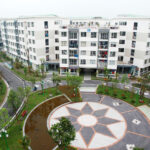
Mr. Nguyen Trung Vu believes that many current developers are merely “land traders” rather than true real estate developers, with exceptions like Vingroup and Sun Group, which create living experiences that attract millions.