With a total investment of up to 12.6 trillion VND and an area exceeding 7.2 km², this project stands as a rare large-scale initiative in Southeast Asia.
The complex comprises three component plants: Dầu Tiếng 1, Dầu Tiếng 2, and Dầu Tiếng 3, boasting a combined installed capacity of 570 MW, accounting for over 10% of the nation’s total solar power capacity at the time of inauguration.
Just one year after groundbreaking, the Dầu Tiếng DT1 and DT2 solar power plants officially commenced operations in June 2019, becoming the largest solar power complex in Vietnam and Southeast Asia at that time. This marked a pivotal milestone in Vietnam’s energy modernization journey.
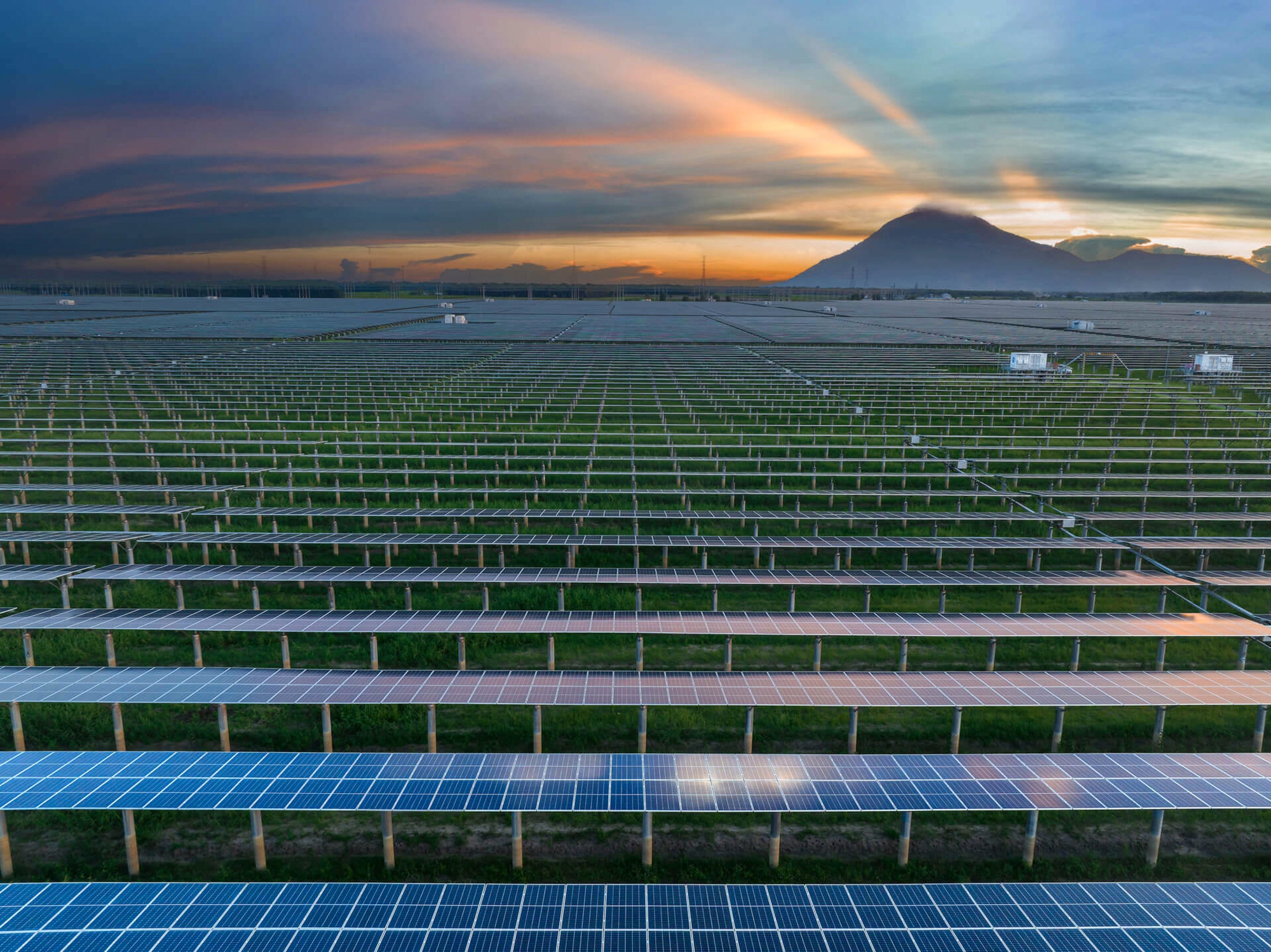
Dầu Tiếng 1, 2, and 3 Solar Power Plants (Photo: XCE Energy Joint Stock Company).
The “Solar Panel Forest” on the Water
Dầu Tiếng Lake, home to the plant, spans over 27 km² with a capacity of 1.6 billion m³, providing irrigation for more than 170,000 hectares of farmland in Tây Ninh province and Ho Chi Minh City. Utilizing the lakeside and semi-submerged areas for the project reflects a harmonious vision between energy and agriculture, maximizing water surface use without impacting arable land.
Once operational, the Dầu Tiếng Solar Power Complex generates nearly 1 billion kWh annually, powering approximately 1 million Vietnamese households. Beyond ensuring energy security, the plant reduces CO₂ emissions by nearly 600,000 tons yearly, equivalent to planting millions of trees—a significant contribution amid escalating climate change.
Positioning the plant on the lake minimizes water evaporation while cooling the panels, enhancing power generation efficiency. This eco-friendly, resource-saving solution serves as a model for solar projects integrating water surface utilization, inspiring similar initiatives globally.
The Dầu Tiếng Solar Power Plant not only advances energy goals but also drives socio-economic growth in Tây Ninh. The project has created numerous local jobs, spurred the development of supporting industrial zones, technical services, and eco-tourism around the lake.
Through this project, Tây Ninh is emerging as a key renewable energy hub in Vietnam, fostering a more modern and sustainable local economy.
This project has paved the way for subsequent renewable initiatives—from rooftop solar to offshore wind—bringing Vietnam closer to its 2050 net-zero emissions goal.