Over the past decade, e-commerce has been synonymous with convenience, affordability, and speed, particularly in China, where platforms like Taobao, JD.com, and Pinduoduo have reshaped the shopping habits of hundreds of millions. However, a paradox is emerging in major cities across the world’s largest e-commerce market: retail prices in physical stores are sometimes lower than online shopping. This phenomenon is not an isolated incident but a sign of a profound structural shift in China’s digital economy.
Are Online Prices Too High?
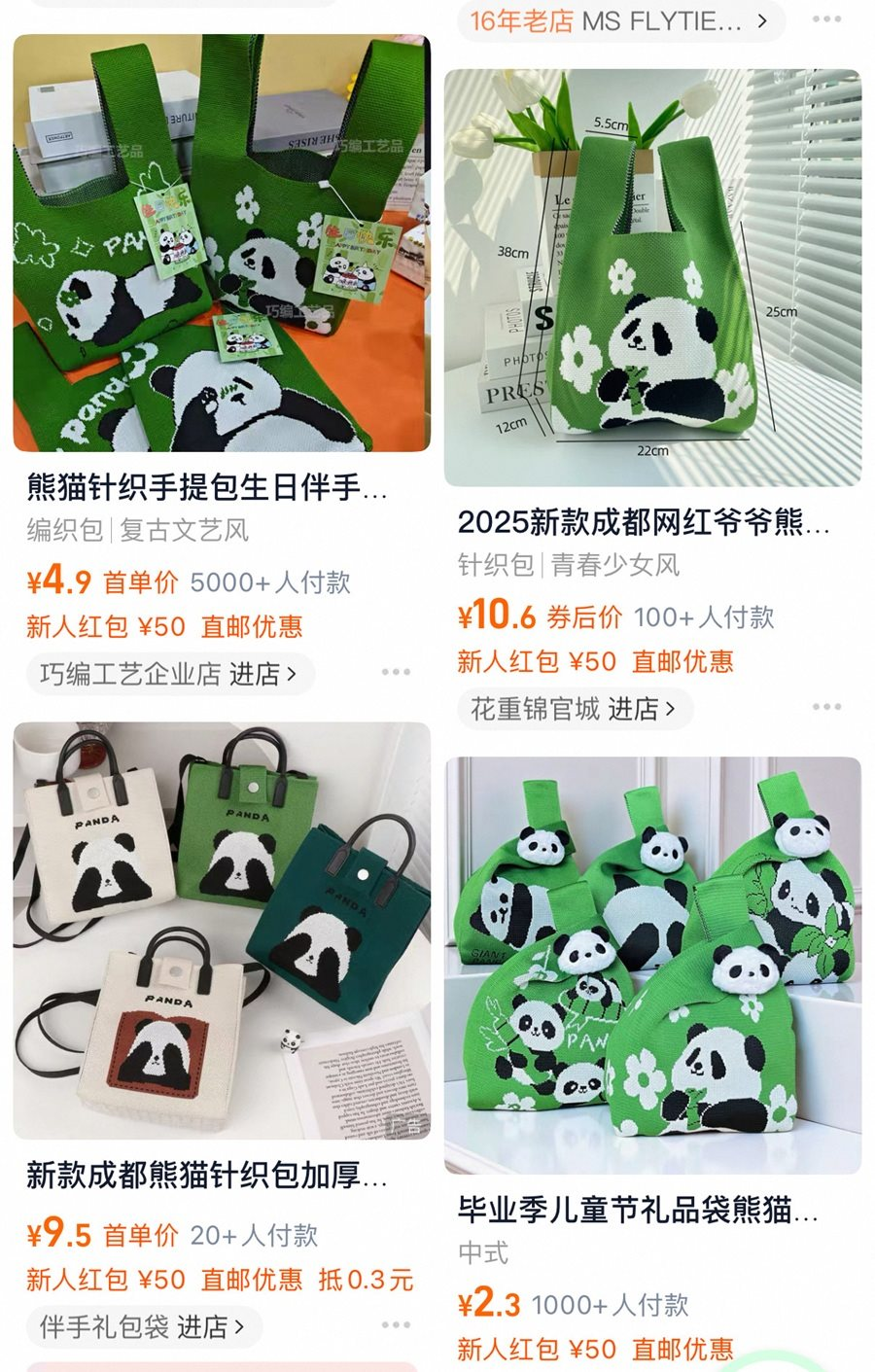
The story begins with seemingly small souvenirs. A panda-patterned tote bag, sold at a Chunxi Road souvenir shop in Chengdu for just 2.5 yuan (0.34 USD), is cheaper than its price floor on Taobao or Pinduoduo. What was once an exception is becoming increasingly common: consumers are finding that in many cities, shopping in-store can be more cost-effective than ordering online.
According to a survey by the China E-commerce Research Center (CECRC) and the China Europe International Business School (CEIBS), when major promotions are absent, online prices are only about 8% lower than offline prices on average. In many cases, physical stores can offer lower prices than online platforms.

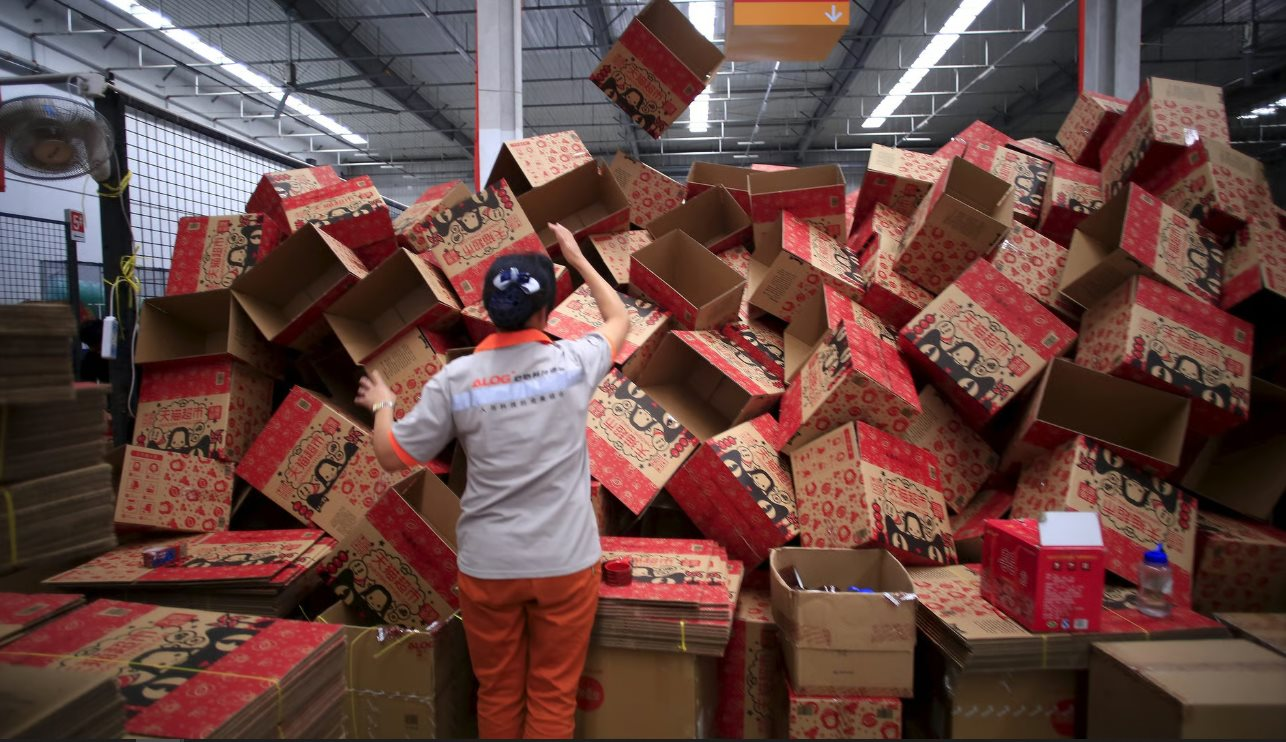
The root cause of this paradox lies in the profound transformation of cost structures within the e-commerce economy. During the initial boom, online platforms dominated the market through heavy subsidies, free shipping, and numerous promotions. However, as competition reached its peak, a self-destructive cycle of involution began.
To survive and attract customers, sellers not only pay commissions to platforms but also allocate tens of percent of their revenue to advertising and marketing to stand out among millions of competitors.
Moreover, consumer-friendly policies like free shipping, free returns, and even “no-return refunds” have pushed logistics and operational costs to unsustainable levels. These hidden costs are ultimately added to online prices, making products less affordable than before.
Meanwhile, many physical stores, especially in emerging cities like Chengdu, Xi’an, and Chongqing, are leveraging reduced rental costs post-pandemic and local government incentives to revive their operations.
According to data from China’s National Bureau of Statistics, the share of online retail sales has dropped from 27.6% in 2023 to 25% in the first eight months of this year, marking the first decline since the e-commerce boom. Conversely, traditional retail channels like convenience stores, supermarkets, malls, and specialty stores have seen growth since March 2025, signaling a resurgence of brick-and-mortar retail.
This phenomenon reflects a natural adjustment after a period of overheated growth. As e-commerce platforms can no longer sustain heavy subsidies, consumers are returning to the “touch-and-choose” experience, saving time and avoiding the risk of low-quality products.
Many businesses are also abandoning online platforms. According to Tingtong Tech, in 2025, numerous cinemas, hotels, and restaurants in China ceased partnerships with online booking apps due to high intermediary fees. Booking directly at the venue is often cheaper than online.
Recognizing the high costs of online operations, a significant number of businesses are implementing strategic retreats. Instead of pouring money into e-commerce platforms to compete for virtual traffic, they are reallocating resources to drive physical footfall.
Cinema chains, hotels, and restaurants now often offer better promotions when booking directly at the counter or store. This approach allows them to pass on the savings from avoiding platform commissions and online advertising costs directly to consumers at the point of sale.
Changing Times
E-commerce was once the epitome of a “light economy,” where value lay in technology and data, not physical space or inventory. However, this model is now facing unavoidable real-world costs: logistics, advertising, customer service, and policies like “no-return refunds.” All these create a new cost structure, eroding the absolute price advantage of online shopping.
In contrast, physical stores can be more flexible with pricing, especially when managing excess inventory or stimulating demand. Some stores in Chengdu, Nanjing, and Guangzhou are proactively offering direct discounts to in-store shoppers instead of online orders, effectively bypassing platform fees and retaining profits.
In reality, the story of the 2.5 yuan tote bag is just one part of a broader issue of overcapacity and price wars.
Following the real estate downturn, the Chinese government has heavily invested in and subsidized manufacturing, particularly in high-tech sectors like electric vehicles, batteries, and renewable energy. However, excessive supply and insufficient demand have led to price wars, as seen in the electric vehicle industry, where over 100 companies are struggling to survive. Many are selling vehicles below cost, causing over 70% of dealerships to operate at a loss.
Overcapacity in China has led to cutthroat competition, eroding profits, exhausting workers, and trapping businesses in a race to the bottom, pushing the economy into a deflationary spiral.
China is now in its fourth year of declining factory gate prices, with consumer prices nearly stagnant, indicating weak domestic demand. Businesses are forced to export cheap goods, causing global dissatisfaction and escalating trade tensions.
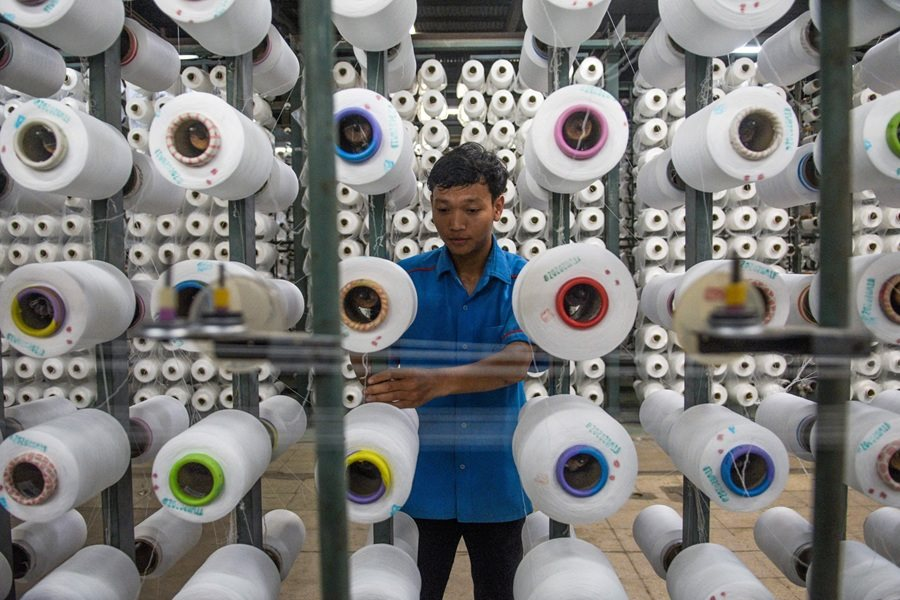
Another illustrative example is the textile industry. China is the world’s largest producer and exporter of textiles, accounting for about one-third of global exports. Since the 1990s, China’s textile industry has faced severe overcapacity, leading the U.S. to impose quotas and tariffs on Chinese textiles.
Today, Southeast Asia has become China’s primary textile export market, with cheap products flooding the region and disrupting local industries. Indonesian officials note that due to Chinese textile dumping, 60 textile companies in Indonesia planned layoffs last year, with up to 280,000 jobs expected to be cut this year.
In June, the Indonesian Filament and Fiber Producers Association proposed a minimum 20% anti-dumping duty on Chinese filament products to protect the competitiveness of the domestic textile industry.
Across the globe, the Caribbean nation of the Dominican Republic faces a similar crisis. In July, the Dominican Textile Industry Association warned that an influx of cheap Chinese textiles has pushed the local industry to the brink of collapse. Without immediate government intervention, over 70,000 jobs could be at risk.
In late 2023, the Chinese government publicly acknowledged overcapacity in certain industries for the first time in four years. Since then, the country has begun addressing these issues and the price wars in traditional industries like steel and cement, as well as in new energy sectors like solar panels and electric vehicles.
On September 26, China’s Ministry of Commerce and three other ministries announced the implementation of an export licensing system for fully electric passenger vehicles starting January 2026 to “promote the healthy development of the new energy vehicle trade.”
This move not only responds to complaints from other countries about China’s dumping of electric vehicles but also aims to break the cycle of oversupply threatening the industry’s future.
In summary, the imbalance between supply (excess capacity driving costs down) and demand (weak domestic consumption) is forcing the Chinese market to seek the most efficient distribution channels.
As online costs soar due to irrational price competition, physical stores, especially those with access to ultra-cheap factory supplies, are regaining price advantages, becoming unexpected bargain destinations for Chinese consumers.
Source: Fortune, BI
Western Leaders Stunned by Visit to Chinese Factory: No Workers in Sight, Only Bizarre Innovations
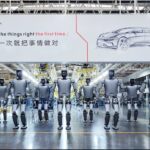
What have Western business leaders witnessed firsthand within Chinese factories?
China to Double Electric Vehicle Charging Capacity by 2027
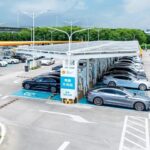
China aims to double its electric vehicle charging infrastructure by 2027, ensuring capacity for 80 million vehicles.
Vietnam’s Durian Emerges as a Thai Rival, Eyes Chinese Market Entry, Experts Warn: At Least 2 Years Needed for Success

This nation is actively pursuing direct export opportunities to China, aiming to boost profits by 10–30%. By bypassing intermediaries such as Thailand or Malaysia, it seeks to maximize returns and establish a stronger presence in the Chinese market.
Wuling Mini EV’s Sibling Launches: Affordable MPV with 3 Engine Options, 1,100+ km Range, and Shockingly Low Price Under $13,000

Introducing the latest MPV from Wuling, offering China’s most competitive pricing in its class.
Global Auto Manufacturers Cling to China Despite Heavy Losses and Plummeting Market Share—Here’s the Unbelievable Reason Why

China is not just the world’s largest automotive market where foreign manufacturers must establish a presence—they remain entrenched here for another critical reason, one that significantly impacts global competitiveness.