








Metro: The Core of Smart Urban Development
Following the TOD (Transit-Oriented Development) model, which integrates urban growth with public transportation, metro systems are more than just modern transit solutions—they are the cornerstone of smart city development. TOD aims to create urban spaces that prioritize easy access via public transport, reducing reliance on private vehicles, alleviating traffic congestion, minimizing pollution, and conserving energy.
Moreover, metro stations serve as hubs for integrated residential, commercial, and service developments, fostering new urban centers. Residents in these areas enjoy unparalleled convenience while contributing to a sustainable, vibrant, and civilized living environment.
Global success stories highlight metro infrastructure as a catalyst for urban restructuring and property value enhancement. In China, metros are considered the backbone of urban planning. Cities like Beijing, Shanghai, and Shenzhen exemplify this, where each station acts as a development nucleus, surrounded by high-density residential areas, commercial hubs, and public services. This has significantly boosted land values and generated reinvestment opportunities for infrastructure.
Hong Kong and Japan are prime examples of the successful Rail + Property (R+P) model, which leverages station land ownership to develop residential and commercial spaces. This approach not only generates substantial supplementary income to offset operational costs but also accelerates urban development.
Beyond solving transportation challenges, metros redefine modern urban living. With TOD, residents benefit from seamless connectivity, saving hours of travel time and bridging distances across the city. This synergy makes properties near metro stations not just ideal living spaces but also benchmarks of modern urban value, particularly appealing to young professionals who prioritize speed, convenience, and a sophisticated lifestyle.
Property Values Skyrocket Near Metro Stations
The exceptional connectivity and amenities offered by metros have long been recognized as catalysts for property value appreciation. In developed nations like the U.S., China, and Japan, as well as major cities such as Singapore, Kuala Lumpur, and Bangkok, studies show that properties within 400–800 meters of metro stations command prices 15–30% higher than those farther away.
In Vietnam, this trend is equally pronounced. For instance, along Hanoi’s Metro Line 3, property prices near Cau Giay and Nhon stations surged by 40% in just one year. Similarly, Ho Chi Minh City’s Metro Line 1 (Ben Thanh – Suoi Tien) has driven property prices up by 35–70% over five years, with some projects doubling in value.
Metro: A Catalyst for Property Value Growth
Properties near metro stations also boast superior rental potential. According to Savills Vietnam, rental demand for apartments near metro stations increased by 45% in 2024, primarily driven by young professionals aged 25–35. Data from the Ministry of Construction reveals that Ho Chi Minh City’s Metro Line 1 has sparked a new wave in the rental market, with rental prices along the line rising by 25–30% since its inauguration.
This means investors not only own assets that appreciate over time but also secure stable, long-term passive income. The seamless blend of urban convenience and financial benefits transforms metros into a “synergy engine,” elevating both living standards and property values for owners.
Jade Square: Prime Beneficiary of West Tay Ho’s Metro Network
Given the unparalleled advantages of metros, properties near stations have become a coveted aspiration for modern urban dwellers, especially young professionals. As West Tay Ho undergoes rapid infrastructure development, including Metro Lines 2 (Nam Thang Long – Tran Hung Dao) and 6 (Noi Bai – Ngoc Hoi), Jade Square emerges as the ultimate solution.
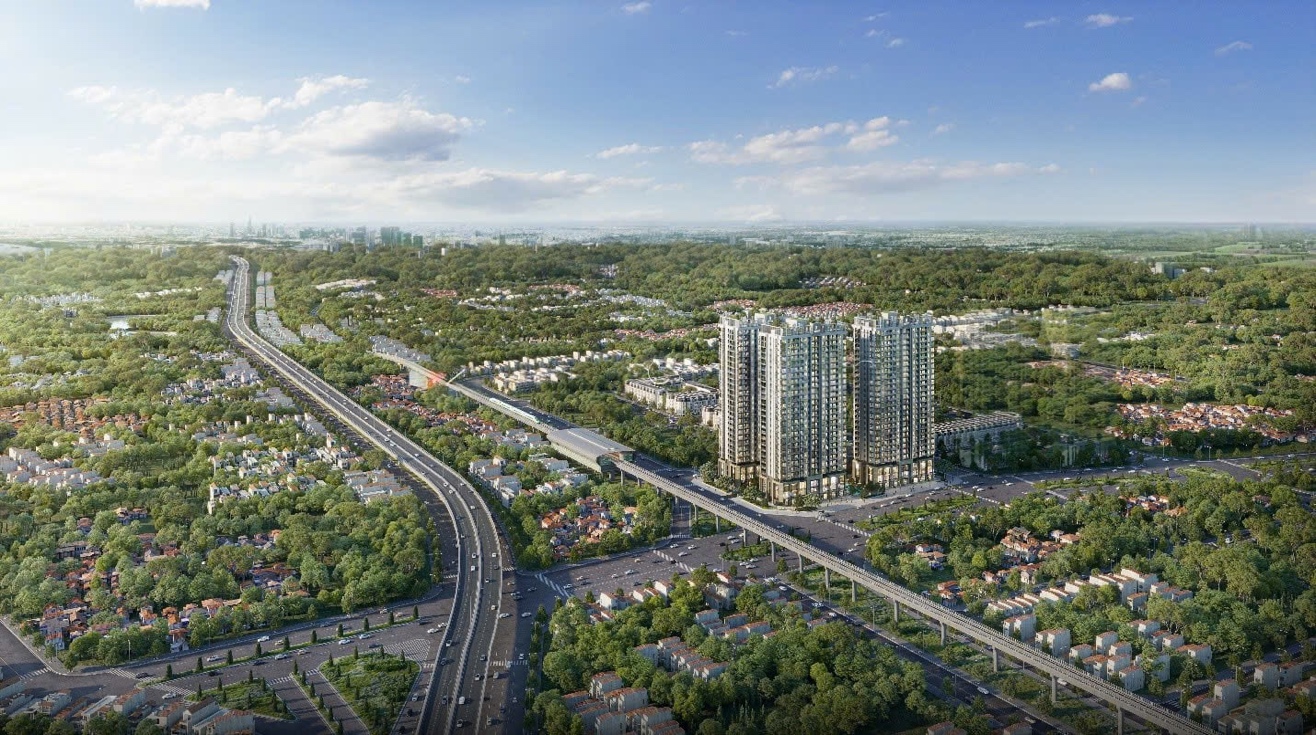
Strategically located at the intersection of two key routes (Line 2 and Nguyen Dinh Tu), Jade Square is adjacent to the Nguyen Dinh Tu station (Line 6) and close to the C1 station (Line 2), which is already under construction. Proximity to metro stations minimizes travel time, reduces commuting costs, and enhances residents’ quality of life.
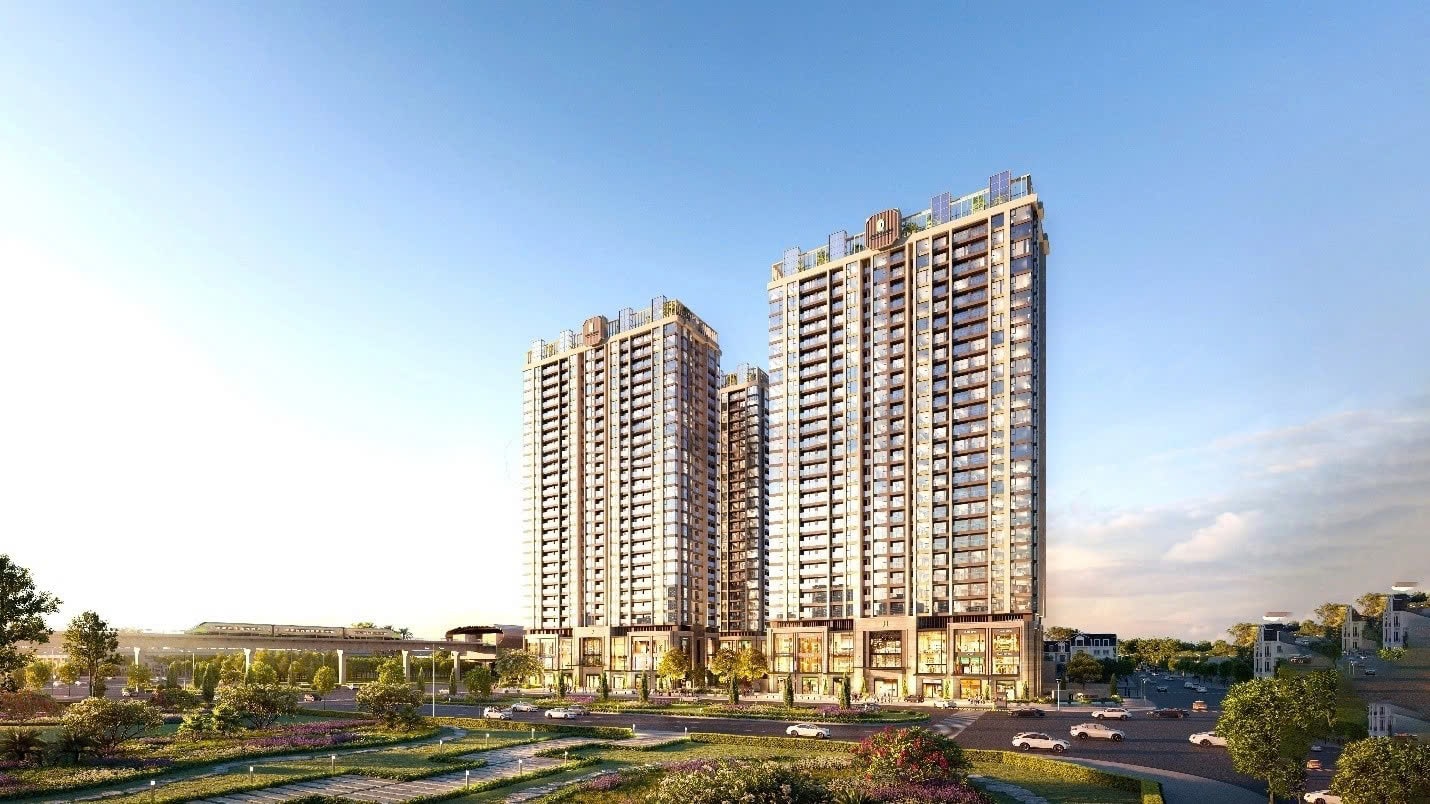
Jade Square: Adjacent to Metro Line 6 and Near Line 2 in West Tay Ho
Residents can swiftly access the Old Quarter, Noi Bai International Airport, and neighboring economic hubs via the metro system or surrounding arterial roads such as Ring Road 3, Ring Road 2.5, Ring Road 2, and Tay Thang Long Boulevard.
Jade Square also prioritizes a comprehensive amenity system, catering to a holistic living experience for all generations. Its multi-level amenities, from the ground floor to the rooftop, focus on relaxation, entertainment, health, community engagement, and include: a year-round swimming pool, Bich Ngoc Square, pickleball court, basketball court, children’s playground, senior area, landscaped gardens, library, school, shophouses, gym, yoga studio, telescope, and observation deck. Each amenity is a perfect piece of the puzzle, crafting a life of convenience, modernity, and daily inspiration.
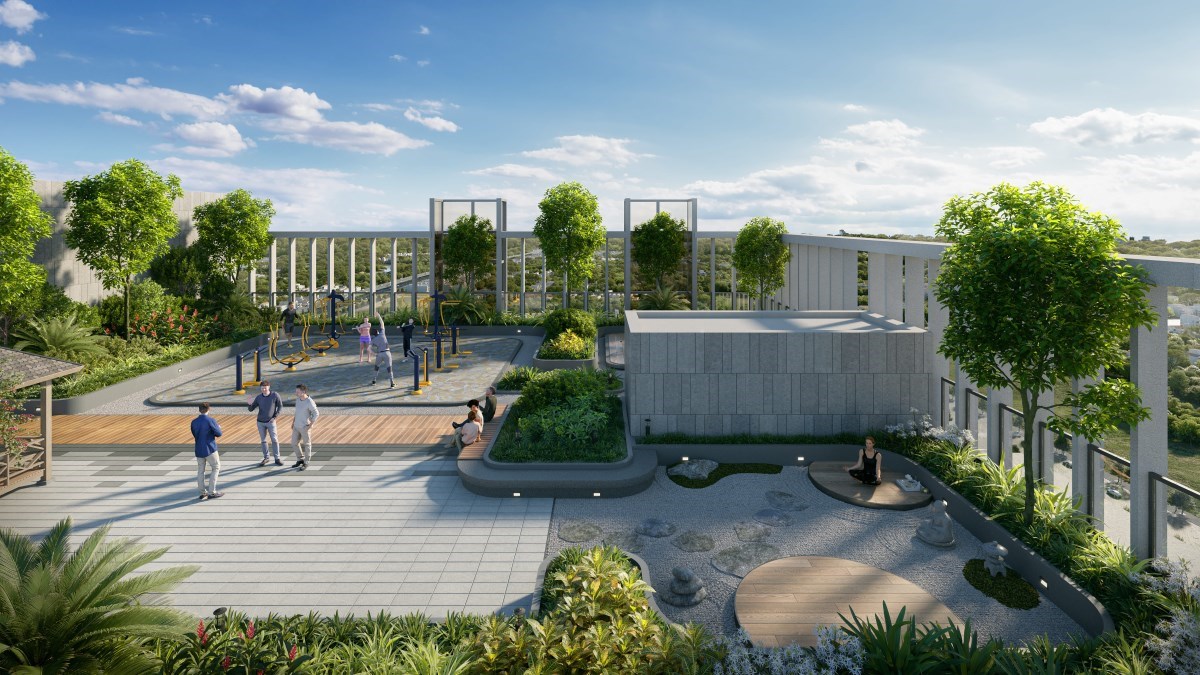
Rooftop Amenities at Jade Square: Where Luxury Meets the Sky
Jade Square’s apartments are designed as ideal homes for both young families and multi-generational households, offering flexible layouts ranging from 70m² to 155m² with 2–4 bedrooms. Notably, the 3 and 4-bedroom units are corner units or located on higher floors, providing breathtaking views that elevate daily living.
With its prime location near the metro network, surrounded by Hanoi’s major arteries, coupled with high-end construction standards, exclusive amenities, and long-term ownership rights, Jade Square is more than a residence—it’s a new symbol of modern living, setting the standard for urban sophistication in the capital.
“Golden Land” of Nha Rong Port: A Paradigm Shift and the “Wave of Consensus”

There are decisions that transcend mere administrative significance, resonating deeply with the hearts of an entire community. When Ho Chi Minh City Party Secretary Tran Luu Quang announced the suspension of real estate projects at the Nha Rong-Khanh Hoi Port area and the land plot at 1 Ly Thai To Street, reallocating them for public spaces and parks to serve the people, the nation’s sentiment was nearly unanimous: it was the right decision.
Marvel at Vingroup’s $18 Billion Mega Project in Northern Vietnam, the Largest in History

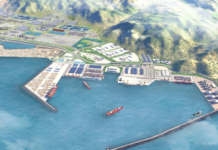
This groundbreaking project has surpassed the iconic Can Gio coastal metropolis, cementing its position as the most ambitious undertaking in Vingroup’s history.
Ho Chi Minh City Halts 3,000-Unit Luxury Complex Project on Prime Land to Develop Public Park
The Nha Rong – Khanh Hoi complex project, featuring a shopping center, 3,116 apartments, a school, and a medical station, with a total investment of up to 11 trillion VND, will be halted to make way for the renovation and expansion of the Ho Chi Minh City branch of the Ho Chi Minh Museum.
The Gateway City: Urban Transformation Unlocking a New Standard of Living in Ân Thi
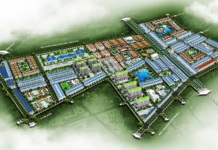
Nestled in the heart of Ân Thi, Hưng Yên, The Gateway City emerges as a new icon of modern living. With its prime location, seamlessly integrated amenities, and enduring investment value, it not only offers a comfortable living space but also sets a new standard for contemporary lifestyles in the region.
Saigon Riverside Transformation: Unveiling Ho Chi Minh City’s Cultural Hub
The decision to halt the residential project at Bến Nhà Rồng in favor of expanding the Ho Chi Minh City Cultural Space has garnered overwhelming support and approval from the city’s residents.