














The Ministry of Industry and Trade is seeking public input on a draft decree amending and supplementing certain provisions of Decree No. 57/2025, which outlines the mechanism for direct electricity trading between renewable energy generators and large electricity consumers. Additionally, the draft addresses Decree No. 58/2025, which details the implementation of the Electricity Law regarding the development of renewable and new energy sources.
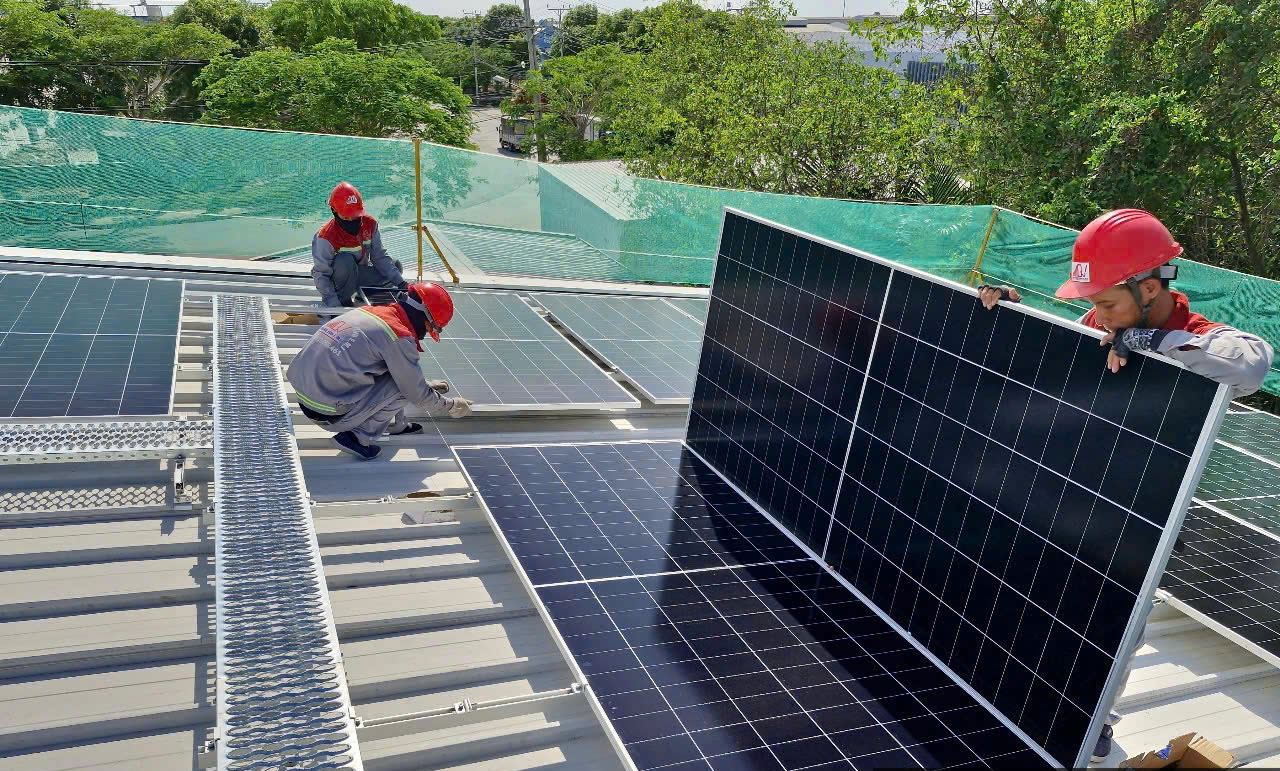
Many households are installing rooftop solar panels to reduce monthly electricity costs.
A key highlight is the proposed amendment to the notification process for developing power sources.
Rooftop Solar Installations for Self-Use Require Notification to Commune-Level People’s Committees
Specifically, organizations and individuals installing rooftop solar systems for self-production and consumption, without connecting to the national grid, are required to notify the Commune-Level People’s Committee (UBND) of the following details: name of the organization/individual, capacity, location, start date, and completion date.
The Commune-Level People’s Committee is responsible for receiving and forwarding the notification to the local power company for coordination, monitoring, and guidance in accordance with the law. In cases where surplus electricity is sold, the Commune-Level People’s Committee must forward the notification to the Department of Industry and Trade within five working days for regulatory management.
Organizations and individuals installing rooftop solar systems with a capacity of less than 1 kW (based on the inverter’s rated capacity) are exempt from this requirement.
The Ministry of Industry and Trade also proposes that organizations and individuals installing rooftop solar systems for self-production and consumption, connected to the national grid at medium voltage or higher, and not registering to sell surplus electricity, must notify the Department of Industry and Trade.
The Department of Industry and Trade is responsible for forwarding the notification to relevant state management agencies and local units for regulatory management, monitoring, and guidance.
Previously, many rooftop solar installers expressed confusion and debate over the proposal that off-grid solar installations must be registered or notified to Vietnam Electricity (EVN).
This concern arose from a report on challenges in implementing the Electricity Law guidelines submitted by EVN to the Ministry of Industry and Trade. EVN suggested that organizations and individuals developing rooftop solar systems for self-production and consumption, without registration or notification, should face administrative penalties under the Electricity Law, depending on the severity of the violation.
Currently, Decree No. 58/2025 stipulates that individuals and businesses installing rooftop solar systems, whether grid-connected or not, with a capacity below 100 kW, need only notify the Department of Industry and Trade and the local power company (providing capacity, installation location, and usage purpose). After confirmation from the managing authority, households can independently manage their electricity supply.
For larger systems with a capacity between 100 kW and 1,000 kW, whether grid-connected or not, households and businesses must submit connection information and files to the Department of Industry and Trade and the local power company to prevent local grid overloads.
New Proposal by the Ministry of Industry and Trade: Mandatory Notification for Self-Consumption Rooftop Solar Installations
The Ministry of Industry and Trade proposes that households installing rooftop solar systems for self-generation and self-consumption, without connecting to the national grid, must submit a notification to the local commune-level People’s Committee.
China’s Green Industrial Powerhouse: The ‘Miracle’ Fueling 30 Million Electric Vehicles and 50,000km of High-Speed Rail
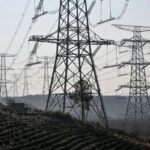
While the world grapples with the electric vehicle revolution, China has quietly constructed a marvel spanning its vast landscape.
EVN CEO Outlines Ambitious Goal: Aiming for Top 3 in ASEAN and Global Top 500 Corporations
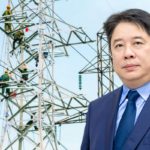
EVN’s CEO, Nguyễn Anh Tuấn, emphasizes the company’s commitment to continuous innovation and modernization in management, technology mastery, and digital transformation. These efforts aim to enhance service quality and ensure sustainable development.
What’s Holding Back the Wind Energy Capital?
The Mekong Delta, renowned as Vietnam’s wind energy powerhouse, boasts immense potential for wind power development. However, despite its advantages, the region faces significant challenges in harnessing this renewable resource. Key obstacles include institutional barriers, inadequate power transmission infrastructure, and cumbersome investor selection processes. These hurdles are currently impeding provincial efforts to attract investment in wind energy projects.
“Electricity Price ‘Golden Hoop’ and Stalled Projects Amid Power Shortage Concerns”
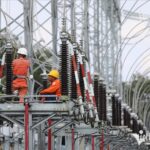
Power industry experts warn of a looming electricity shortage crisis, citing a decade-long drought in major power projects. Meanwhile, over 170 renewable energy initiatives remain stalled, exacerbating the issue. The persistent challenge of electricity pricing continues to weigh heavily on the sector.