














Establishment of Hai Phong City Free Trade Zone
The People’s Committee of Hai Phong City has issued Decision 4068/QĐ-UBND to establish the Hai Phong City Free Trade Zone in Hai Phong City.
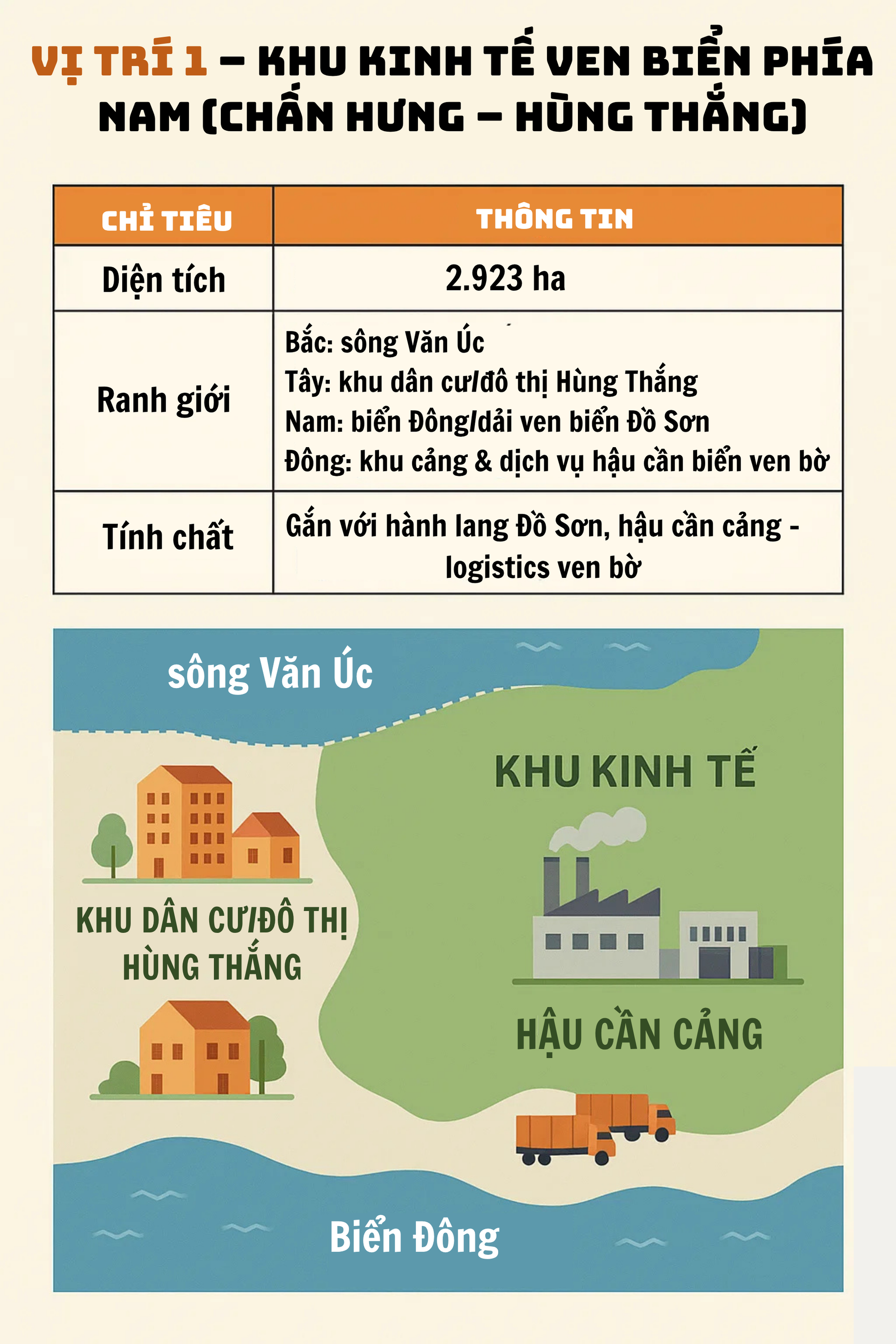
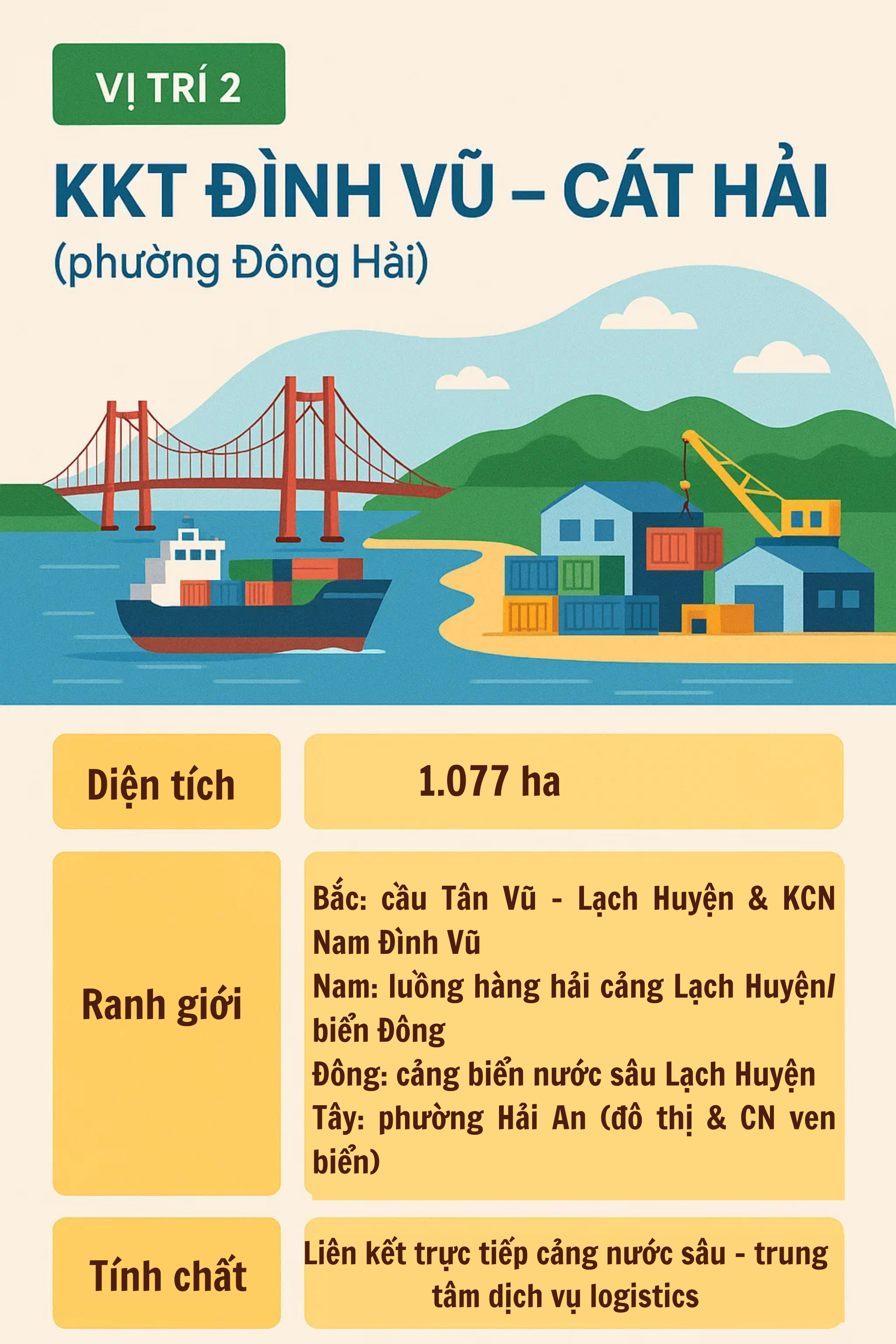
Spanning approximately 6,292 hectares, the Hai Phong City Free Trade Zone is strategically located in non-contiguous areas linked to the Dinh Vu – Cat Hai Economic Zone and the Southern Hai Phong Coastal Economic Zone. It is organized into functional zones, including production areas, port and port logistics zones, logistics centers, commercial and service zones, and other functional areas as prescribed by law.
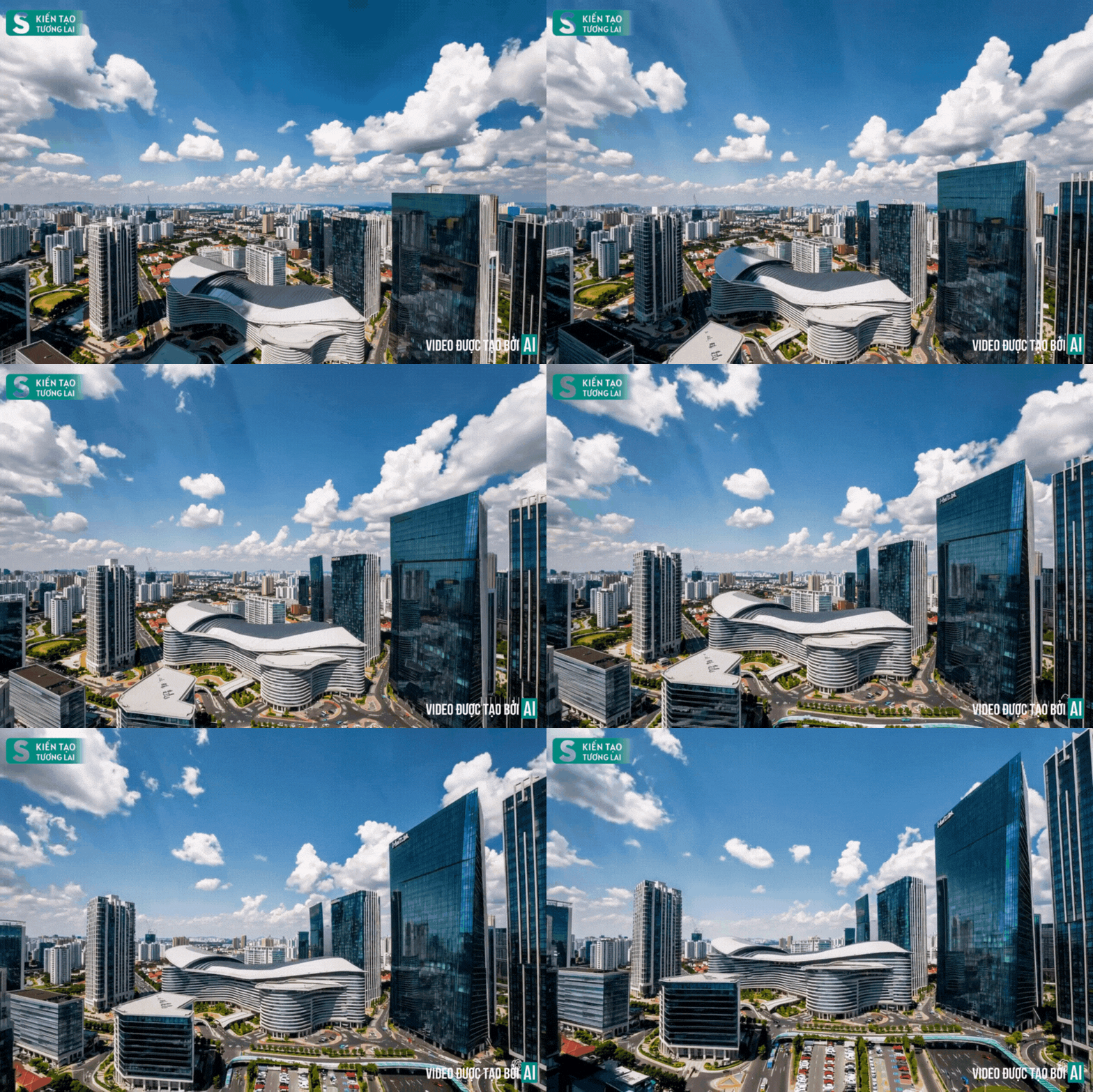
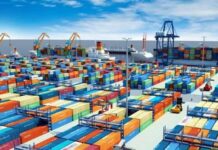
AI-generated illustration of the future Hai Phong City Free Trade Zone
Functional zones within the Hai Phong City Free Trade Zone that meet the conditions of a duty-free zone, as defined by law, will ensure customs inspection, supervision, and control by customs authorities. They will also facilitate state management activities in relevant fields by competent agencies, in accordance with legal provisions.
The Hai Phong City Free Trade Zone is a geographically defined area established to pilot special mechanisms and policies outlined in Resolution No. 226/2025/QH15 dated June 27, 2025, by the National Assembly. These policies aim to foster the development of Hai Phong City.
The Free Trade Zone is planned across three locations, covering a total area of approximately 6,292 hectares within the city’s coastal economic zones:
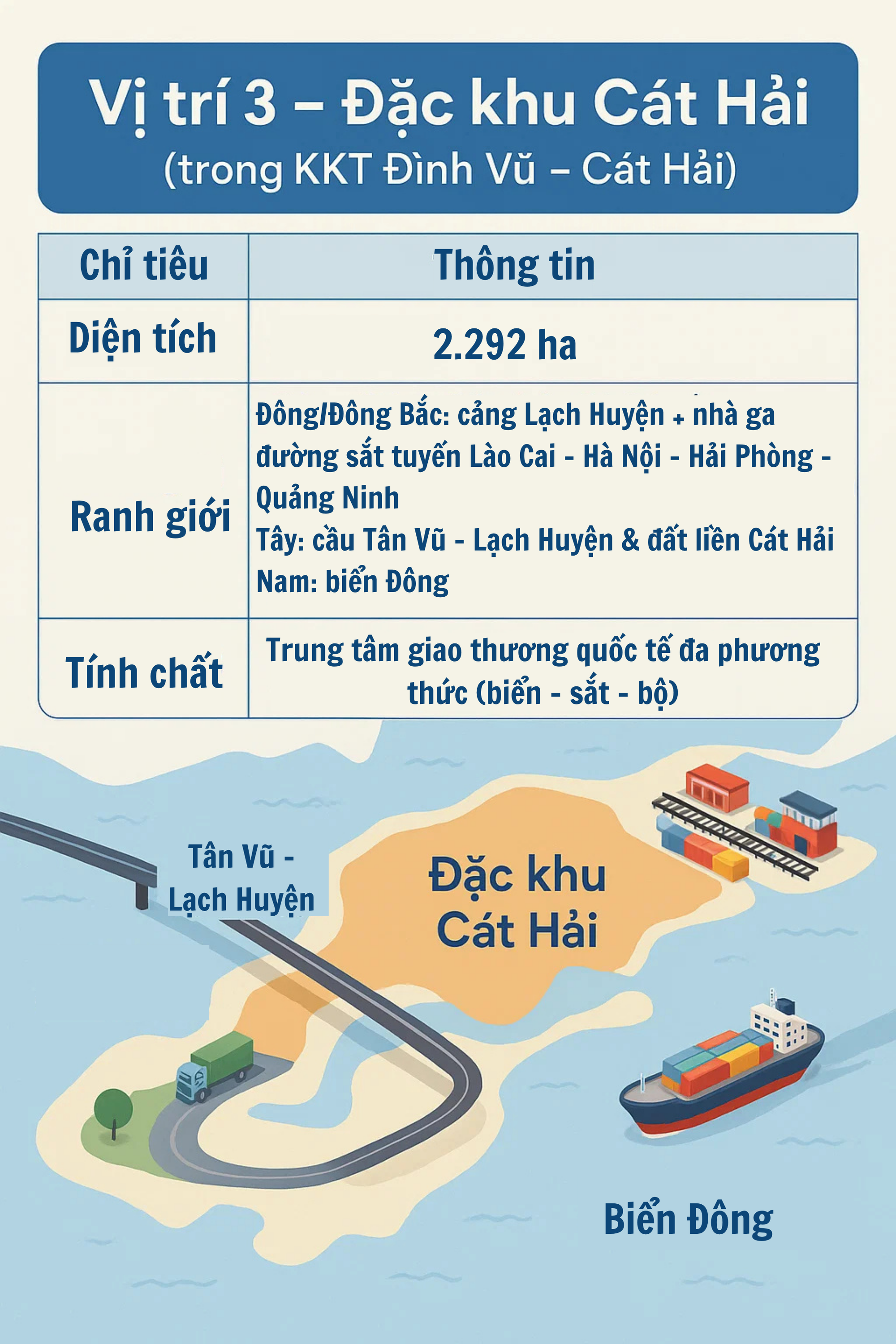
The Hai Phong City Free Trade Zone is poised to become a new growth engine, contributing to the implementation of Resolution No. 45-NQ/TW by the Politburo on Hai Phong’s development until 2030, with a vision to 2045.
Aiming to become a competitive regional and international hub for production, logistics, commerce, high-tech services, and finance, the zone will promote advanced industries, innovation, digital transformation, and green growth. It is structured into functional zones, including production, port and port logistics, logistics centers, commercial and service areas, and other designated zones.
Two Key Drivers: $8.4 Billion Railway and Top Southeast Asian Sea Bridge
The Hai Phong City Free Trade Zone will be connected to the Lao Cai – Hanoi – Hai Phong – Quang Ninh railway line and the Tan Vu – Lach Huyen sea bridge, two pivotal projects in the city.
The Tan Vu – Lach Huyen sea bridge, linking the mainland of the former Hai An District with Cat Hai Island in the former Cat Hai District, has a total investment of nearly VND 11,850 billion, funded by a Japanese ODA loan and the Vietnamese Government’s counterpart funds.
With a total length of 15.63 km, including a 5.44 km sea-crossing section, the Tan Vu – Lach Huyen bridge is Vietnam’s longest sea bridge and one of Southeast Asia’s most extensive sea bridges.
The strategic Lao Cai – Hanoi – Hai Phong railway line, with a total investment of approximately $8.37 billion (VND 203,231 billion), aims to connect Lao Cai with Hanoi and Hai Phong Port. This project seeks to enhance transport capacity and intermodal connectivity with China.
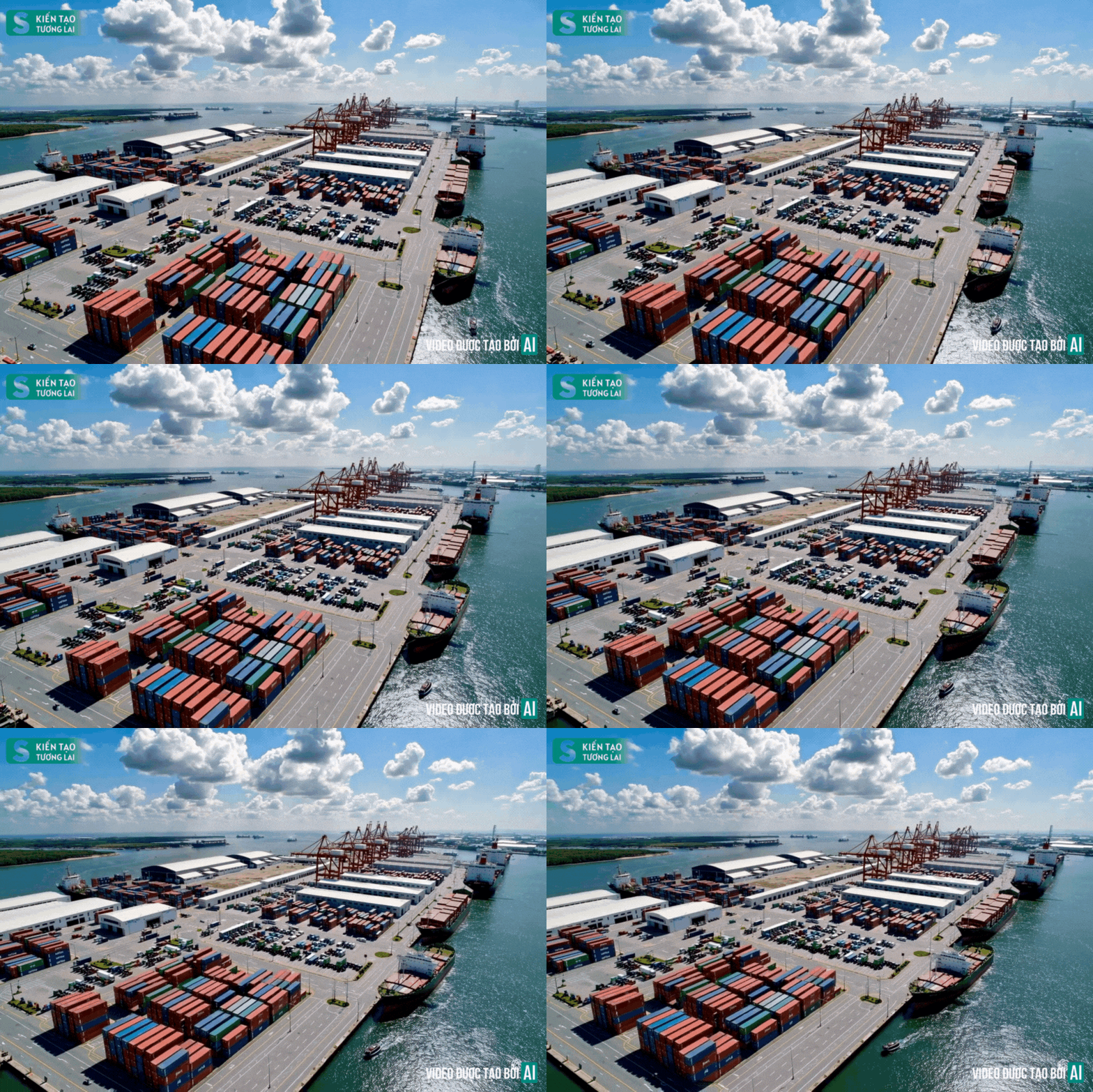
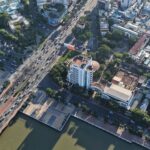
AI-generated illustration of the future Hai Phong City Free Trade Zone
The direct connection of the Hai Phong Free Trade Zone to the Lao Cai – Hanoi – Hai Phong – Quang Ninh railway and the Tan Vu – Lach Huyen sea bridge holds significant strategic importance. It establishes a seamless multimodal logistics chain linking borders, inland areas, and seaports.
The international rail link enables goods from Southwest China and the Mekong sub-region to directly access the sea via Lach Huyen Port, positioning Hai Phong as not only a domestic hub but also a regional “export gateway.”
Meanwhile, the Tan Vu – Lach Huyen bridge serves as a vital artery, directly connecting the mainland to the deep-water port, significantly reducing transit times and logistics costs.
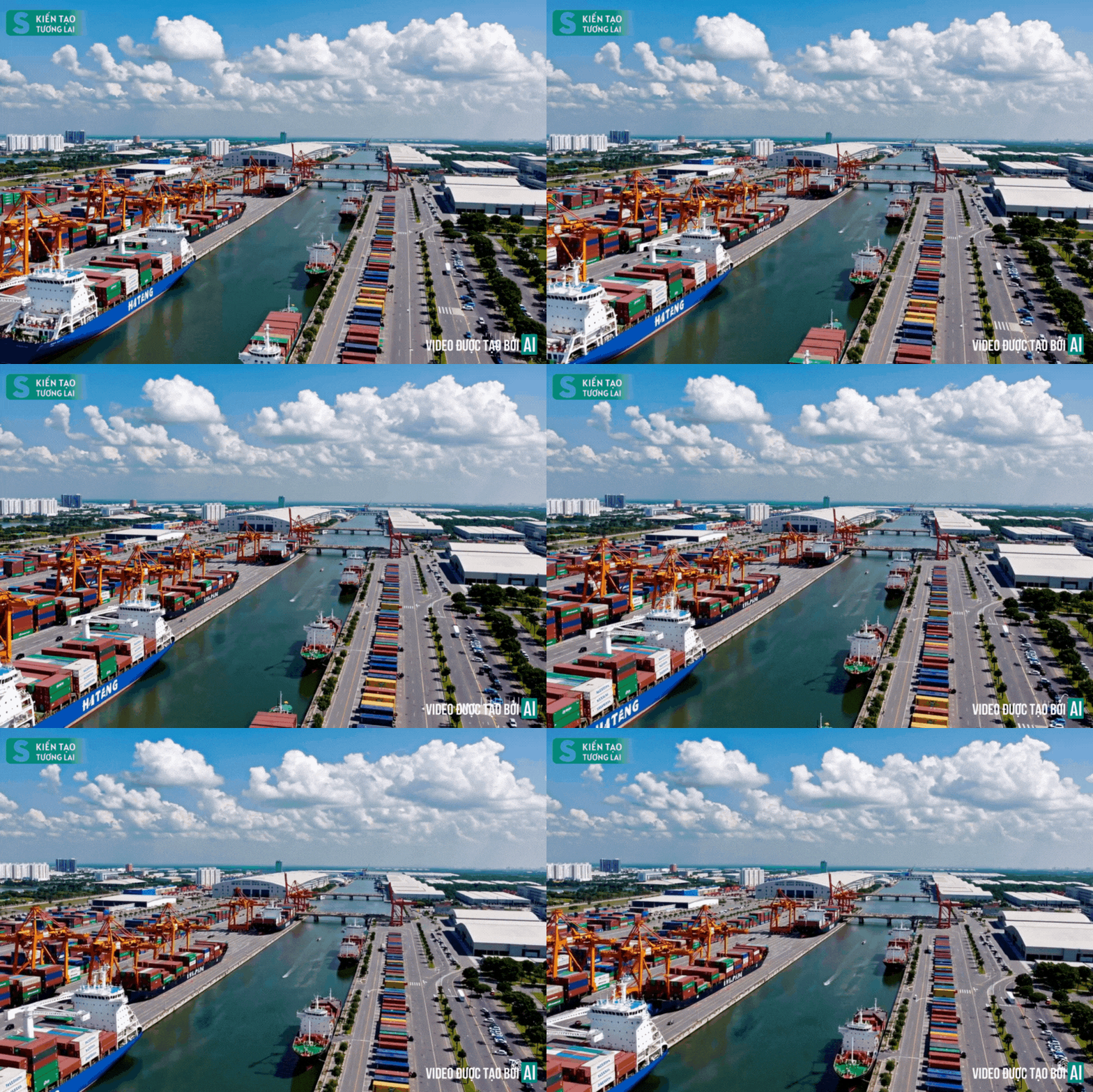
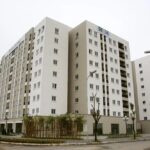
AI-generated illustration of the future Hai Phong City Free Trade Zone
The combination of the cross-border railway and the modern sea bridge gives the Free Trade Zone a unique competitive edge: it can attract international cargo flows, process and re-export goods directly from the port, similar to successful Free Trade Zones in Singapore and Busan (South Korea).
As a result, Hai Phong is expected to evolve beyond a northern maritime hub into a transnational logistics and cargo transshipment center, attracting substantial FDI, supporting industries, and regional trade services.
Establishing the Hai Phong City Free Trade Zone
On October 16th, the People’s Committee of Hai Phong City announced Decision 4068/QD-UBND, officially establishing the Hai Phong Free Trade Zone.
Prime Minister Urges Progress on $8.4 Billion Railway Line Connecting to China

On September 29th, Prime Minister Pham Minh Chinh chaired a meeting of the Government’s Standing Committee to receive a report on the outcomes of the first session of the Vietnam-China Railway Cooperation Joint Committee.
Vietnam-China Landmark Summit: $8.3 Billion Mega-Project Set to Reshape Asia’s Future
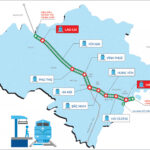
The pivotal joint session between Vietnam and China, focusing on key areas of collaboration, is scheduled to take place this September.
The Premier’s Charge to Phu Tho Province
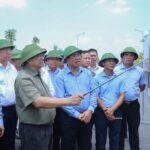
“In a bid to fast-track the crucial Laos Cai – Hanoi – Hai Phong railway project, the Prime Minister has directed Phu Tho province to devise a standalone land clearance and resettlement proposal. This directive underscores the government’s commitment to expediting this vital transportation corridor. With a targeted land clearance commencement date of August 19, the province is now tasked with formulating a comprehensive plan to swiftly and efficiently manage the land acquisition and resettlement process, ensuring a smooth path forward for this ambitious railway endeavor.”
The $11 Billion Rail Link Between Vietnam and China: A Timeline for this 380km Mega Project
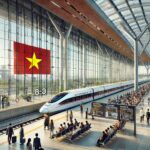
The Ministry of Transport aims to commence construction on the ambitious 11 billion USD railway project, connecting Hanoi to the Vietnam-China border, as soon as possible. This ambitious project underscores the Ministry’s commitment to enhancing the country’s transport infrastructure and connectivity with its northern neighbor. With a hefty price tag, the new railway line is envisioned to bolster trade, tourism, and economic growth in the region.