













Alongside his business endeavors, Mr. Hùng is deeply passionate about community and entrepreneurial activities. He currently serves as a Member of the Central Committee of the Vietnam Youth Union, Chairman of the Phú Thọ Province Business Association, Vice Chairman of the Red Star Entrepreneurs Association, Member of the Presidium of the Vietnam Young Entrepreneurs Association, and Chairman of the Vietnam Young Entrepreneurs Investment and Startup Club.
In a recent conversation, Mr. Hùng shared insights on the role, vision, and mission of Vietnam’s young entrepreneurial generation in this new era, emphasizing the spirit of “creation and service” as the foundation for the business community to accompany the nation’s development.
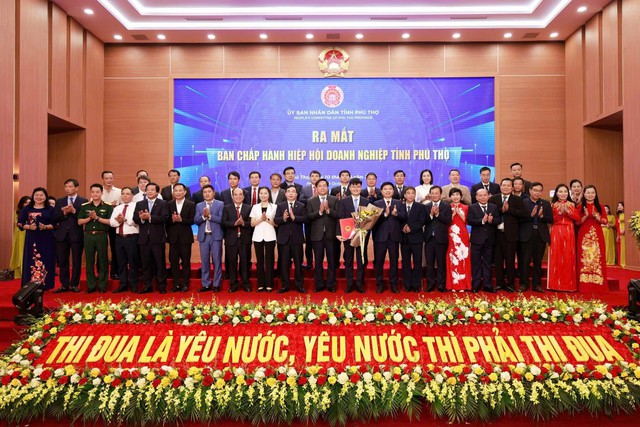
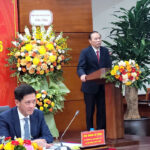
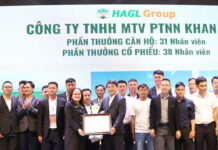
Mr. Nguyễn Văn Hùng – Chairman of the Phú Thọ Province Business Association at the Announcement and Award Ceremony for the Merger of Three Provincial Business Associations into the Phú Thọ Province Business Association
How do you assess the current economic and political context and the role of entrepreneurs in this new phase of the country’s development?
Mr. Nguyễn Văn Hùng: Vietnam is at a pivotal stage, transitioning to a sustainable growth model while asserting its position on the global economic and political map. The administrative system is becoming more streamlined, shifting from “management and administration” to “creation and support,” fostering an environment conducive to private sector growth. The role of the private economy is emphasized in Resolution 68: “The private economy is the most important driving force of the national economy.” Entrepreneurs are the vanguard and creators in this context.
Vietnam’s international standing is increasingly prominent. By participating in new-generation free trade agreements, Vietnam is both integrating and maintaining its autonomy. This demands that entrepreneurs elevate their mindset—not just for their businesses’ benefit but for the nation’s prosperity.
Having been closely involved with Vietnam’s business community and associations for years, I see that young entrepreneurs are not lacking in ambition or capability. However, they need a robust ecosystem that fosters strong connections, provides tangible support, operates flexibly, and continuously inspires.
What should Vietnam’s young entrepreneurial generation do to shoulder the responsibility of national development?
Mr. Nguyễn Văn Hùng: Today’s young entrepreneurs have a responsibility to accompany the nation in creating an independent, self-reliant, and globally competitive economy. To achieve this, unity is paramount—not just in words but in actions and tangible commitments.
Currently, most private enterprises are small and medium-sized, with limitations in capital, technology, and management capabilities. Without cooperation and strategic alliances, it’s challenging to engage in national-scale sectors like infrastructure, renewable energy, manufacturing, or digital transformation.
Young entrepreneurs must forge domestic linkages within sectors such as manufacturing, digital technology, and clean energy to jointly invest, share costs, and technology. Internationally, they should collaborate to form a Vietnamese supply chain with scale and genuine competitiveness. No one succeeds alone—strength comes from trust and mutual support.
As a leader in Vietnam’s business community, what actions should be taken to realize this vision?
Mr. Nguyễn Văn Hùng: We should focus on three strategic pillars: Connection, Leadership, and Creation.
For Connection, we must build a nationwide network of associations and foster intergenerational connections between young entrepreneurs and their predecessors. I envision a national mentor-mentee ecosystem where established businesses guide and empower startups, spreading the spirit of “entrepreneurs in service.”
For Leadership, associations should not only voice business concerns but actively engage in policy-making, directly dialogue with authorities, and propose concrete solutions—from green credit and legal frameworks for innovation to supporting small businesses in national programs. This requires expert teams, policy analysis capabilities, and evidence-based data.
For Creation, we must proactively pave the way for young entrepreneurs to go global through partnerships with foreign associations, trade and investment promotions, and deeper integration into global value chains. Our vision is to take not just individuals but the entire Vietnamese business community to the global stage.
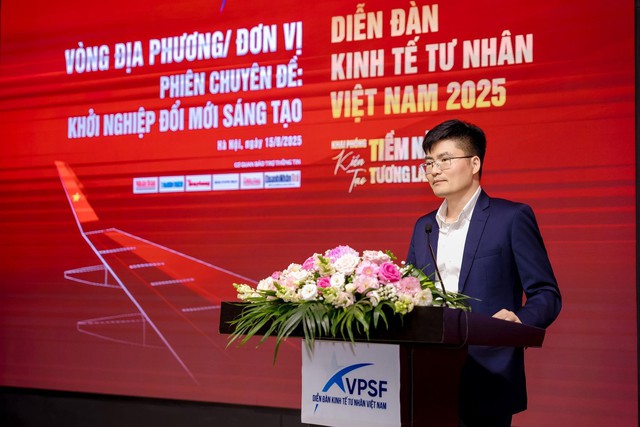
Mr. Nguyễn Văn Hùng – Chairman of the Vietnam Young Entrepreneurs Investment and Startup Club, Member of the Presidium of the Vietnam Young Entrepreneurs Association at the 2025 Vietnam Private Economic Forum
What changes are needed from each member of the business community to drive collective growth?
Mr. Nguyễn Văn Hùng: In my view, the most critical change for entrepreneurs today, including myself, is innovation. Innovation in mindset, methods, and development orientation. We should shift from “enriching ourselves” to “creating value for the community.” Today’s young entrepreneurs should aim not just for profit but for social impact, sustainability, and brand-building.
Additionally, adopting science, technology, digital transformation, and innovative business models will enhance competitiveness.
If you could send one message to today’s young entrepreneurs, what would it be?
Mr. Nguyễn Văn Hùng: I would emphasize that young entrepreneurs must both create and serve. In an era of constant change, entrepreneurs cannot stand still. They must boldly pioneer, continuously create, and, more importantly, serve a greater mission than themselves—the nation’s development.
I believe that with the spirit of “Unity – Boldness – Creation – Service,” Vietnam’s young entrepreneurial generation will not only create wealth for themselves but also build a prosperous future for the nation. This is not just a promise but a commitment through action, belief, and the passion of the entire Vietnamese young business community.
Vietnam Establishes New Growth Model
Vietnam pioneers a groundbreaking approach by consolidating three key documents into one, establishing a new growth model, comprehensive institutional reforms, and paving the way for a development phase driven by science, technology, and human-centric innovation.
Brand-New Airport Just 80km from Noi Bai: Spanning 720 Hectares, Valued at $640 Million, Serving 10 Million Passengers
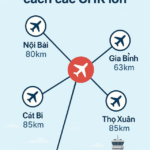
Our expert consulting team has identified three prime locations for the development of this new airport.
Secretary General To Lam’s Address at the 1st Party Congress of the Ho Chi Minh City Party Committee
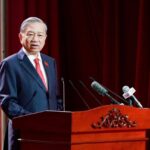
On the morning of October 14th, General Secretary Tô Lâm attended and delivered a keynote address at the opening session of the 1st Party Congress of Ho Chi Minh City’s Party Committee for the 2025-2030 term. We are honored to present the full text of General Secretary Tô Lâm’s speech.
Can Tho City: Public Investment Disbursement Falls Below National Average
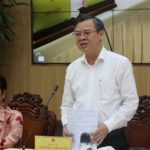
The Chairman of Can Tho City has urged all departments, agencies, and local authorities to accelerate their efforts in the fourth quarter of 2025 to ensure the timely completion of assigned tasks.
Prime Minister: Boldly Entrust Private Enterprises with National Infrastructure Development
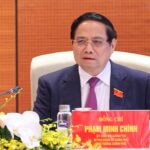
Speaking at the group discussion session on the afternoon of October 12th, Prime Minister Pham Minh Chinh emphasized that it is time to boldly allow private enterprises to participate in major infrastructure projects. This approach effectively mobilizes societal resources, reduces the burden on the state budget, while ensuring the quality and timely completion of projects.