







The Ministry of Industry and Trade is seeking public input on a draft decree amending Decree 57/2025, which outlines the mechanism for direct electricity trading between renewable energy generators and large electricity consumers. This includes amendments to Decree 58/2025 on the development of renewable and new energy sources.
The latest draft introduces new regulations for self-generated and self-consumed rooftop solar power, as well as direct electricity trading between power plants and large consumers. Notably, it revises procedures for residents installing rooftop solar systems. Specifically:
For systems not connected to the national grid, individuals and organizations need only notify the local commune-level People’s Committee. For systems connected to the national grid (even if only for self-consumption, not selling surplus electricity), notifications must also be sent via the commune-level People’s Committee, which will forward them to the power utility for monitoring and dispatch as needed. This shifts the notification process from direct communication with the power utility to the commune-level authority.
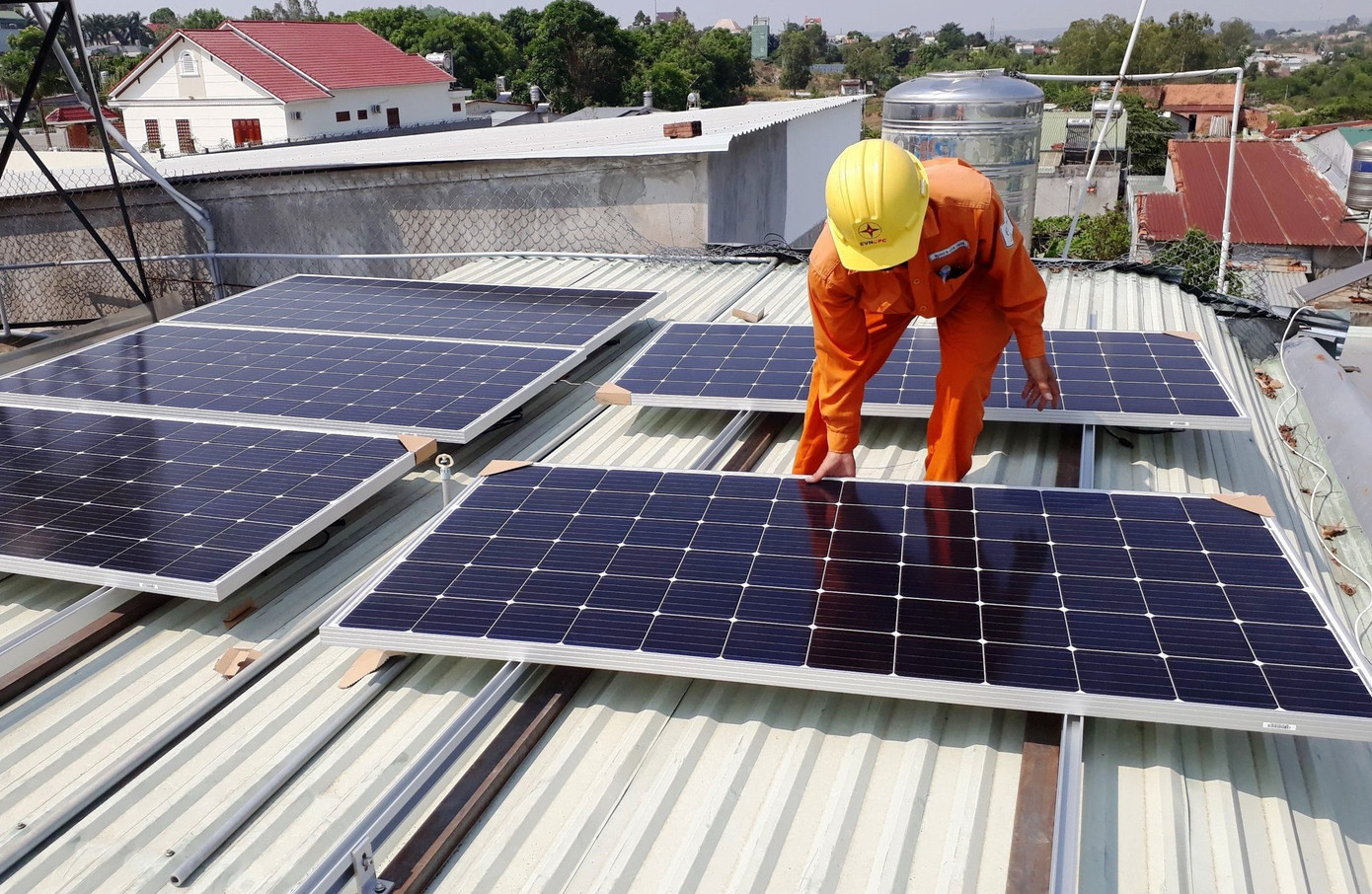
Residents installing rooftop solar systems connected to the national grid must notify the commune-level People’s Committee.
Previously, under Decree 58, individuals and organizations installing rooftop solar systems not connected to the national grid were required to notify the local power utility of the system’s capacity and installation location.
For grid-connected rooftop solar systems with surplus electricity to sell, investors must submit applications, after which the power utility inspects and, if compliant, jointly commissions the system. If selling surplus electricity to the power company, investors must also collaborate on metering system inspections, remote data collection, and monitoring.
The draft decree exempts systems with inverters under 1 kW from notification requirements, catering to small-scale household installations.
The draft also allows self-generated and self-consumed rooftop solar systems to sell surplus electricity, capped at 50% of radiation-based generation, including stored electricity. Organizations and individuals selling surplus power must obtain a development registration certificate from the Department of Industry and Trade. Those only self-generating and self-consuming need only notify authorities, avoiding permits, but remain subject to technical supervision when necessary.
Another key update standardizes technical infrastructure, introducing “anti-reverse power flow devices” to prevent solar systems from feeding electricity into the grid without authorization. These systems must also connect to remote monitoring and data collection networks, a significant shift from the 2019-2022 period when such systems were largely unregulated by the national grid.
New Proposal by the Ministry of Industry and Trade: Mandatory Notification for Self-Consumption Rooftop Solar Installations

The Ministry of Industry and Trade proposes that households and businesses installing rooftop solar systems for self-generation and self-consumption, without connecting to the national grid, must submit a notification to the local commune-level People’s Committee.
New Proposal by the Ministry of Industry and Trade: Mandatory Notification for Self-Consumption Rooftop Solar Installations
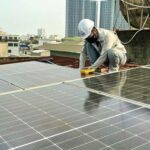
The Ministry of Industry and Trade proposes that households installing rooftop solar systems for self-generation and self-consumption, without connecting to the national grid, must submit a notification to the local commune-level People’s Committee.
Government Clarifies $85-$135 Subsidy for Residential Rooftop Solar Installations
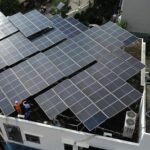
The Ministry of Industry and Trade clarifies the cash incentive of VND 2-3 million for households installing rooftop solar panels, along with a financing support plan offering loans at an annual interest rate of 8.3%.
China’s Green Industrial Powerhouse: The ‘Miracle’ Fueling 30 Million Electric Vehicles and 50,000km of High-Speed Rail
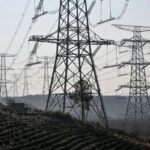
While the world grapples with the electric vehicle revolution, China has quietly constructed a marvel spanning its vast landscape.
EVN CEO Outlines Ambitious Goal: Aiming for Top 3 in ASEAN and Global Top 500 Corporations
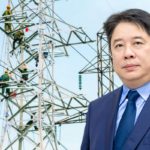
EVN’s CEO, Nguyễn Anh Tuấn, emphasizes the company’s commitment to continuous innovation and modernization in management, technology mastery, and digital transformation. These efforts aim to enhance service quality and ensure sustainable development.