In recent days, the decision by Ho Chi Minh City Party Secretary Tran Luu Quang to transform two prime land areas—Ben Nha Rong – Khanh Hoi and 1 Ly Thai To—into public parks has garnered widespread public support.
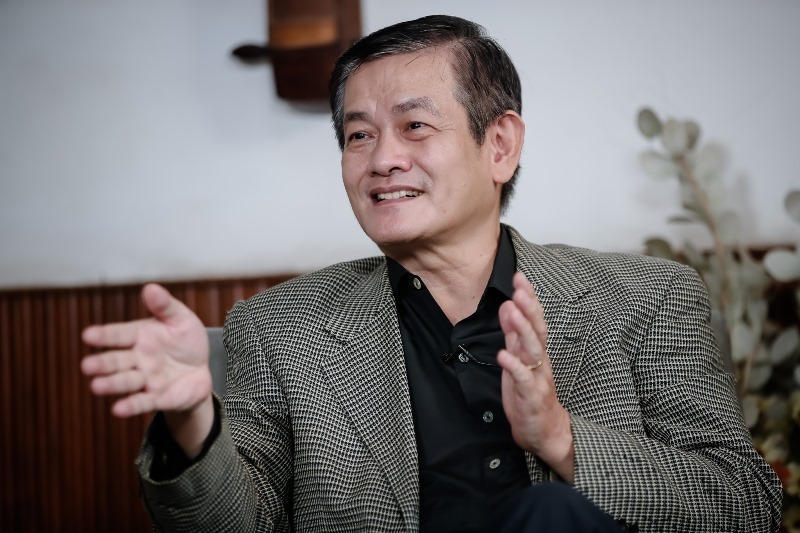
From an expert perspective, this move transcends mere urban planning; it signifies a paradigm shift in urban development, prioritizing a “livable city” over a purely “economic city.” Speaking with VTC News, Dr. Architect Ngo Viet Nam Son, an international urban planning expert and long-time advocate for HCMC’s public spaces, applauded the decision.
Green Spaces: A Long-Overdue Debt to Citizens
“I’m genuinely thrilled, as this is something I’ve advocated for years, though the city couldn’t act on it until now. I’ve repeatedly proposed preserving these areas for parks and cultural projects,” stated Architect Ngo Viet Nam Son.
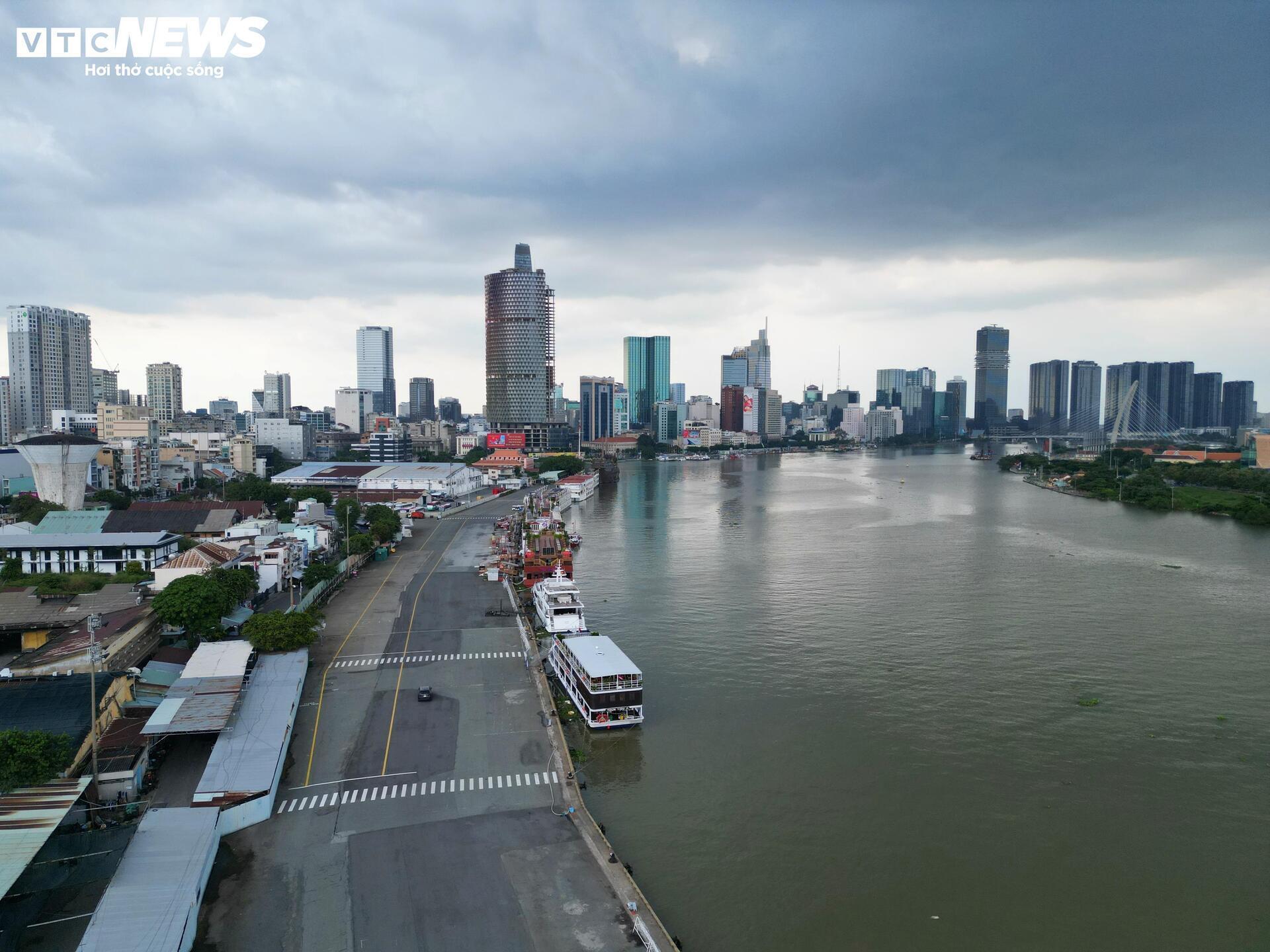
The prime Ben Nha Rong area. (Photo: Luong Y)
He proposed designating the Dien Bien Phu – Ly Thai To area as a special heritage zone, preserving all French colonial villas for cultural and educational use. Adjacent to major universities like HCMC Pedagogical University and Le Hong Phong High School, this could become a vibrant “academic-cultural district.”
For Ben Nha Rong, he advocates allocating 50-60% of the land for green spaces and public facilities instead of high-rises.
“The city desperately lacks breathing room for its residents. Secretary Tran Luu Quang’s decision to preserve green spaces in the city center is absolutely correct,” he emphasized.
He cited data showing HCMC’s inner-city green space averages just 0.5m² per person—the lowest regionally. This contrasts with the UN’s 10m² target and cities like Singapore, New York, and Vancouver, which offer 30-40m².
“We owe our citizens livable spaces—places to breathe, walk, and enjoy,” he stressed.
With its dense river network, HCMC could create extensive green corridors by restoring riverbanks and canal buffers. A 30-meter river buffer and 10-15 meter canal buffer would yield thousands of hectares of green space. However, concrete and high-rises have increasingly encroached on these areas.
In 2016, when HCMC commissioned Sasaki Associates to plan high-rise development along the Saigon River, he opposed the “wall of skyscrapers” approach. While such plans are misguided, it’s taken this long for leaders to prioritize long-term community benefits over short-term gains.
A Visionary and Courageous Decision
Architect Ngo Viet Nam Son sees Secretary Tran Luu Quang’s decision as both a planning milestone and a bold political choice.
“Prime land has long been untouchable. By forgoing immediate economic returns for sustainable development, city leaders are demonstrating true vision,” he remarked.
Post-merger with Binh Duong and Ba Ria-Vung Tau, HCMC’s expanded boundaries allow it to “breathe” with peripheral land, reducing pressure on the central core.
Development can shift to new hubs: Binh Duong for high-tech industry, HCMC for finance and education, and Ba Ria-Vung Tau for maritime economics. This enables population decentralization while preserving the core for culture and community.
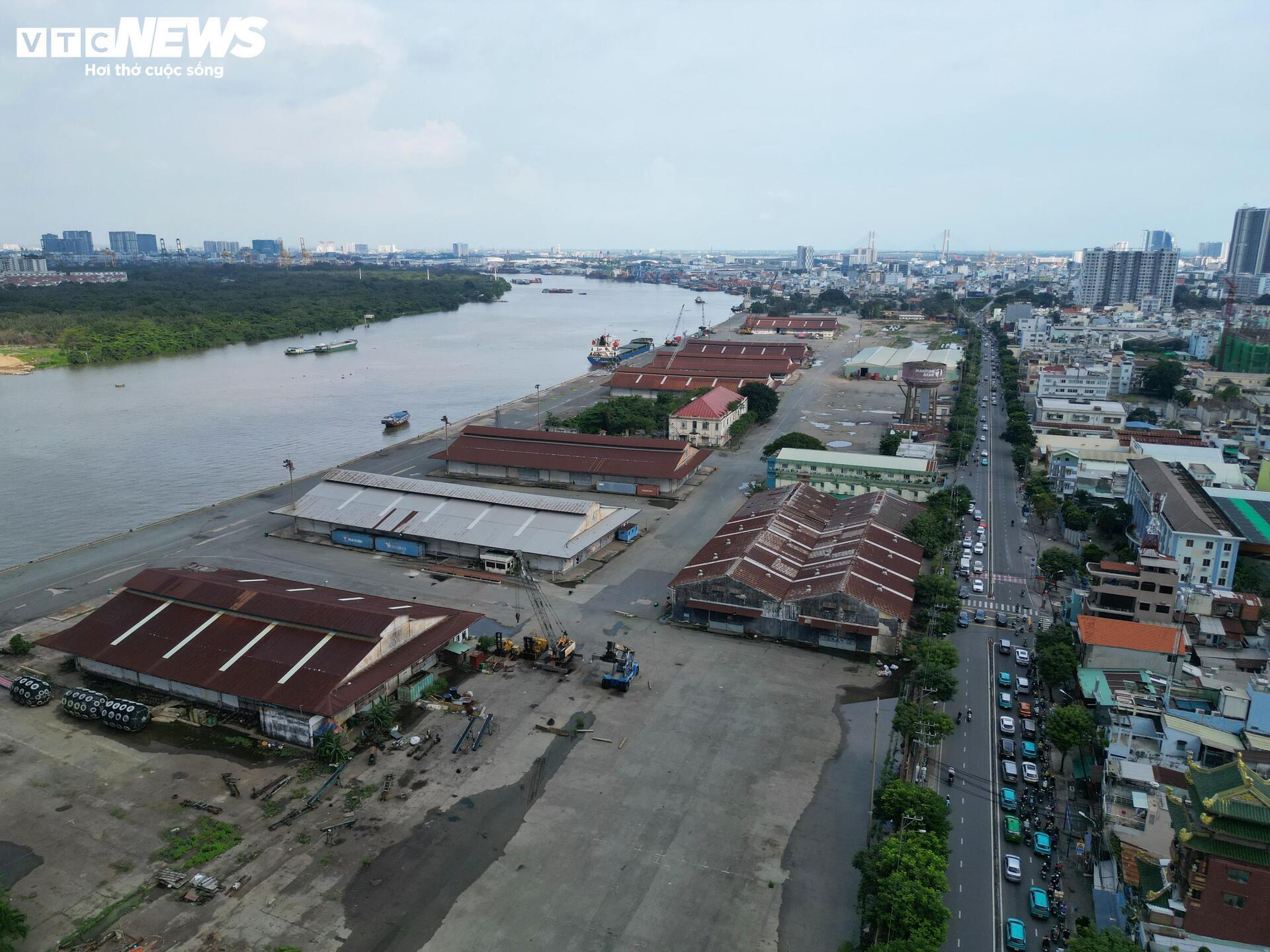
The 31-hectare site once slated for commercial housing. (Photo: Luong Y)
This regional perspective makes central land allocation for parks and culture both feasible and essential.
“It’s not about sacrificing economics, but redirecting benefits more logically. For example, increasing density in Thu Thiem or developing outskirts, rather than overbuilding the old core,” he explained.
He criticized Thu Thiem’s current low-rise plan as outdated.
“It’s illogical for the established core to be dense and high-rise, while modern, spacious Thu Thiem remains low-rise. Allowing high-rise development in Thu Thiem would attract investment, easing congestion and flooding in areas like Nguyen Huu Canh.”
Converting Ben Nha Rong to a park significantly reduces infrastructure demands. Retaining it for high-rises would necessitate costly projects like the Ton Duc Thang tunnel. As a park, no tunnel or waterproofing is needed, providing valuable green space instead.
This decision symbolizes HCMC’s return to its “open” spirit, choosing sustainability over ease. Architect Son urges leaders to maintain this commitment, balancing economic, environmental, and social factors rather than focusing solely on land revenue.
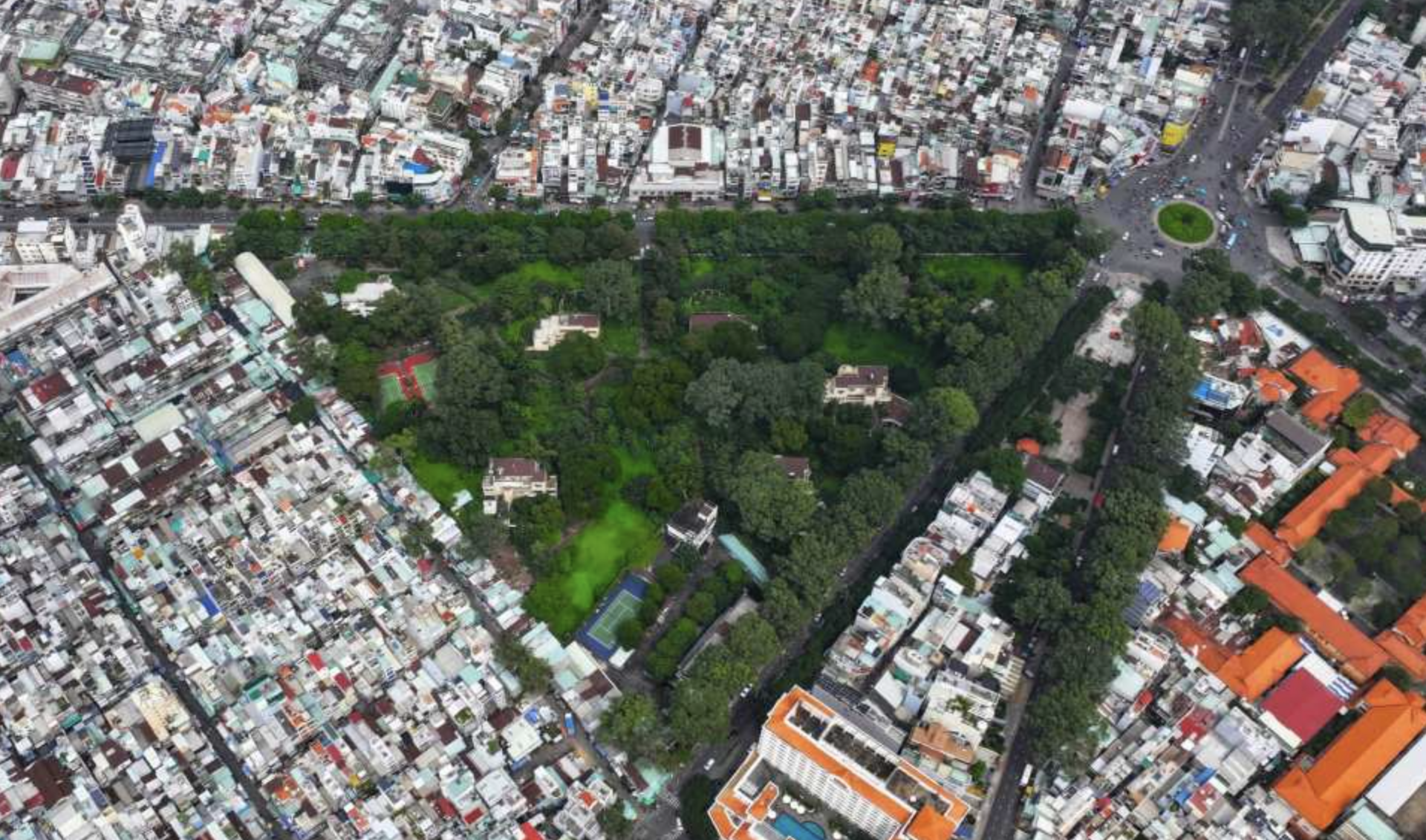
The 3.7-hectare prime site at 1 Ly Thai To (fronting Ly Thai To, Hung Vuong, and Tran Binh Trong).
“Transforming prime land into parks, theaters, and museums maximizes public benefit. When citizens thrive and environments improve, economic growth follows naturally,” he stated.
Preserving Ben Nha Rong’s openness could revitalize District 4, currently underdeveloped despite its riverfront location. A park could spur infrastructure upgrades and investment, breathing new life into the area.
“High-rises here would stifle District 4’s future,” he warned.
HCMC faces a pivotal moment. Upholding this decision not only preserves green space but also public trust. The true value of Secretary Tran Luu Quang’s move lies in prioritizing community over short-term gains—a decision HCMC must steadfastly maintain.
On October 18, at a 50-year literary and artistic review, Secretary Tran Luu Quang announced the cancellation of a commercial housing project at Ben Nha Rong (31 hectares, former District 4) to expand the Ho Chi Minh City Cultural Space—a future city landmark.
The 1 Ly Thai To site (3.7 hectares, fronting Ly Thai To, Hung Vuong, and Tran Binh Trong) will become a multi-functional park hosting cultural events and a COVID-19 memorial.
Why Adopt Global ESG Standards in Vietnamese Real Estate Projects?
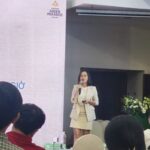
“In fostering economic growth, we prioritize harmony and balance with the environment, society, and humanity. This synergy forms the foundation for sustainable economic development.”
Proposed Metro Link Between Tan Son Nhat and Long Thanh Airports
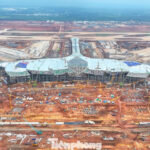
Ho Chi Minh City proposes connecting Metro Line 2 (Ben Thanh – Tham Luong and Ben Thanh – Thu Thiem) with the Thu Thiem – Long Thanh route, creating an integrated metro network to facilitate passenger transport between Tan Son Nhat and Long Thanh international airports.
Unlocking Maritime Tourism Potential: Ho Chi Minh City Collaborates to Overcome Challenges
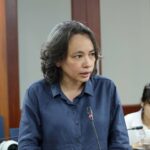
On the afternoon of October 23rd, during a press conference addressing Ho Chi Minh City’s socio-economic developments, Ms. Nguyen Thi Thanh Thao, Head of the Tourism Resource Development Planning Department (Department of Tourism), announced that the city is piloting the reception of international cruise ships at the Cai Mep – Thi Vai port area.
Budget Ride-Hailing App Challenges Dominance of Grab, Be, and Other Giants

Revolutionary ride-hailing apps are shaking up the industry by slashing fares and offering higher driver incentives, forcing established giants like Grab and Be to tread carefully in this evolving landscape.
Surprising Discovery: Prime Area in Ho Chi Minh City’s “Super Metropolis” Offers Condos at Just $1,736 per Square Meter
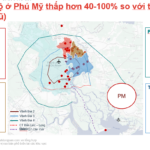
According to Batdongsan.com.vn, apartment prices in Phu My currently range between 35–40 million VND per square meter. In contrast, former Thu Duc district commands higher rates of 80–150 million VND/m², Di An falls within 50–80 million VND/m², and Thuan An ranges from 45–70 million VND/m².