









Ho Chi Minh City Considers Vingroup’s Proposal for Can Gio – Vung Tau Sea Bridge Research
The Ho Chi Minh City Department of Finance has submitted a report to the People’s Committee regarding Vingroup’s proposal to research and invest in a sea bridge connecting Can Gio district with Ba Ria – Vung Tau province.
According to the report, after receiving the initial proposal from the investor, the Department of Finance collaborated with various departments and local authorities to organize a meeting and gather preliminary feedback. The consolidated results show that most specialized agencies highly appreciate the project’s regional connectivity significance and agree with the research initiative.
Simulated video of the Can Gio – Vung Tau Sea Bridge project in the future, created by AI ChatGPT (video is hypothetical).
The Ho Chi Minh City Department of Planning and Architecture suggested including the project in the adjusted Ho Chi Minh City Master Plan to ensure synchronization in urban space and transportation infrastructure development. Simultaneously, the Department of Agriculture and Rural Development emphasized the route’s importance in shortening travel time between Can Gio and Ba Ria – Vung Tau, enhancing coastal connectivity.
Based on the consensus, the Department of Finance recommends that the Ho Chi Minh City People’s Committee approve Vingroup’s self-funded research within 12 months, with the investor bearing all costs and risks.
The Department also stressed that approval for research does not imply preparation for investment or designation of the investor for future project implementation. All procedures for pre-feasibility and feasibility reports or investor selection (if any) will be considered after the city evaluates the research results in accordance with current laws.
During implementation, the investor must fully incorporate expert opinions from state management agencies to ensure feasibility and high-quality documentation. The research results may be transferred to Ho Chi Minh City for use as technical data for subsequent steps.
Vingroup Proposes Can Gio – Vung Tau Sea Bridge Construction
Previously, Vingroup submitted a proposal to the Chairman of the Ho Chi Minh City People’s Committee to research and invest in a sea bridge connecting Can Gio and Vung Tau under a Build-Transfer (BT) contract.
The proposed sea bridge aligns with the adjusted Ho Chi Minh City Master Plan until 2040, with a vision to 2060 (Decision No. 1125/QĐ-TTg). This plan emphasizes the development of modern transportation infrastructure and enhanced intra-regional connectivity as a strategic focus.
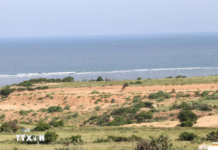
Following the merger of Ba Ria – Vung Tau into Ho Chi Minh City, the need for a direct transportation link between coastal areas has become urgent. Can Gio – Vung Tau is strategically important for maritime economics, logistics, tourism, and eco-urban development, yet current infrastructure remains limited, relying mainly on ferries and circuitous routes.
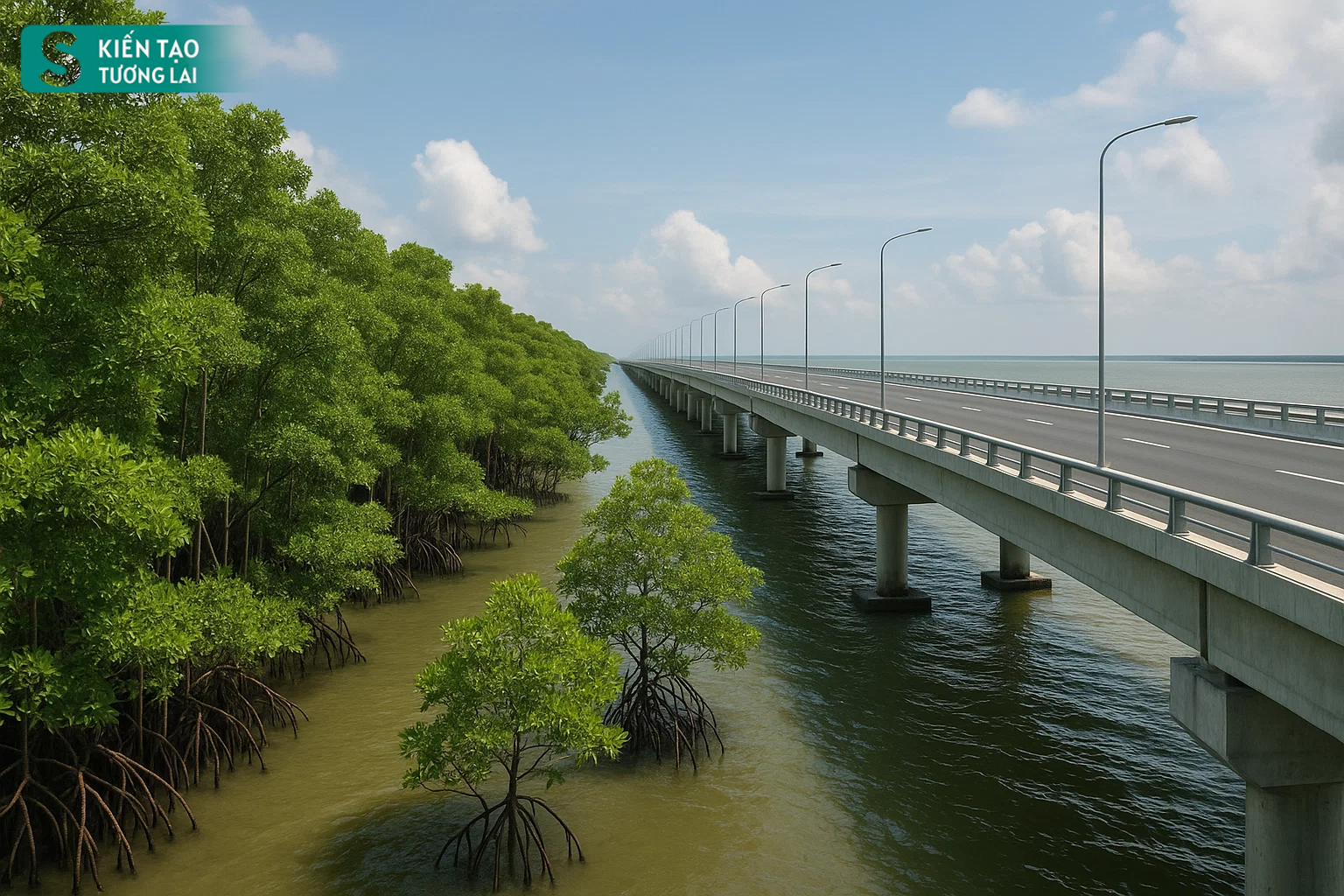
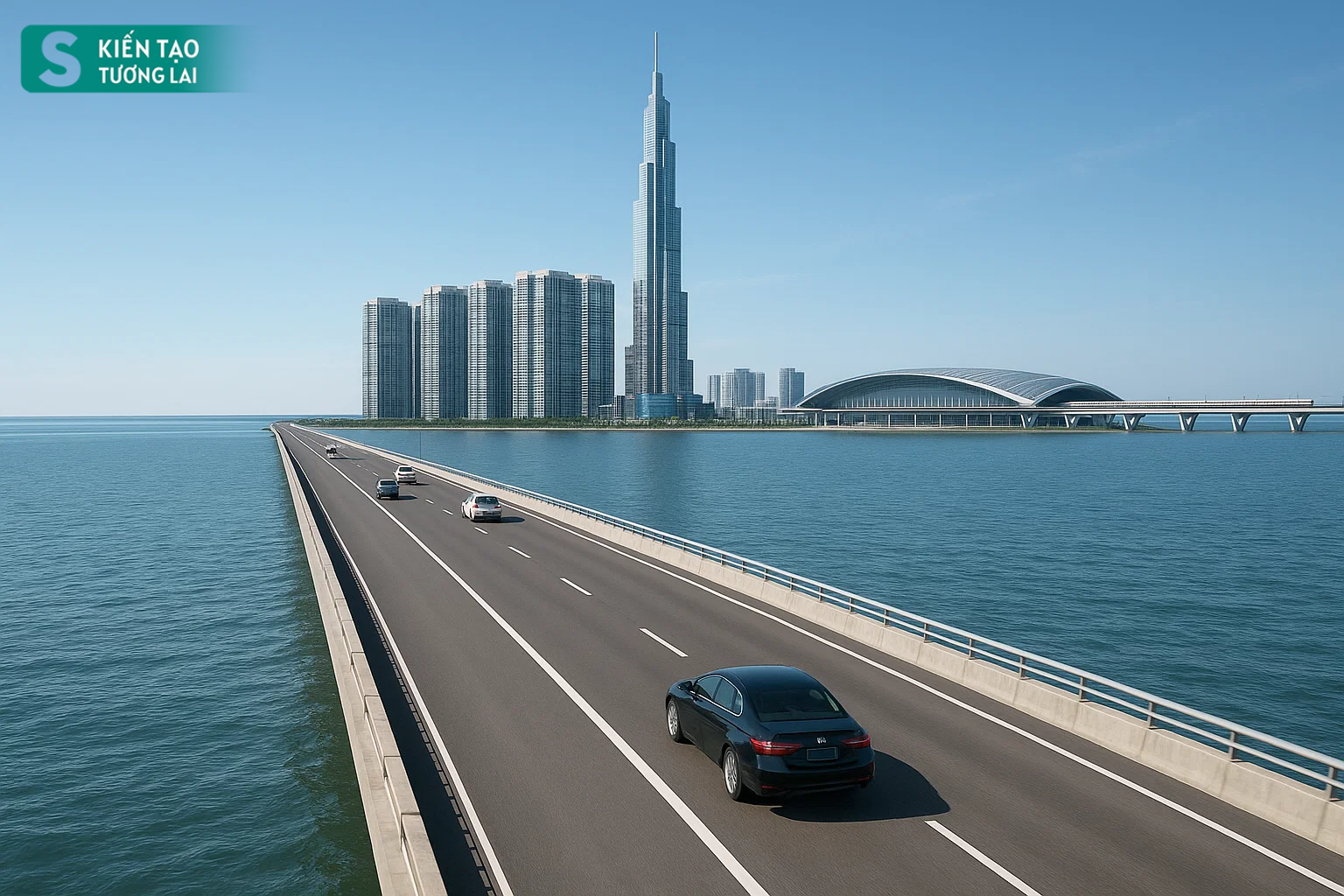
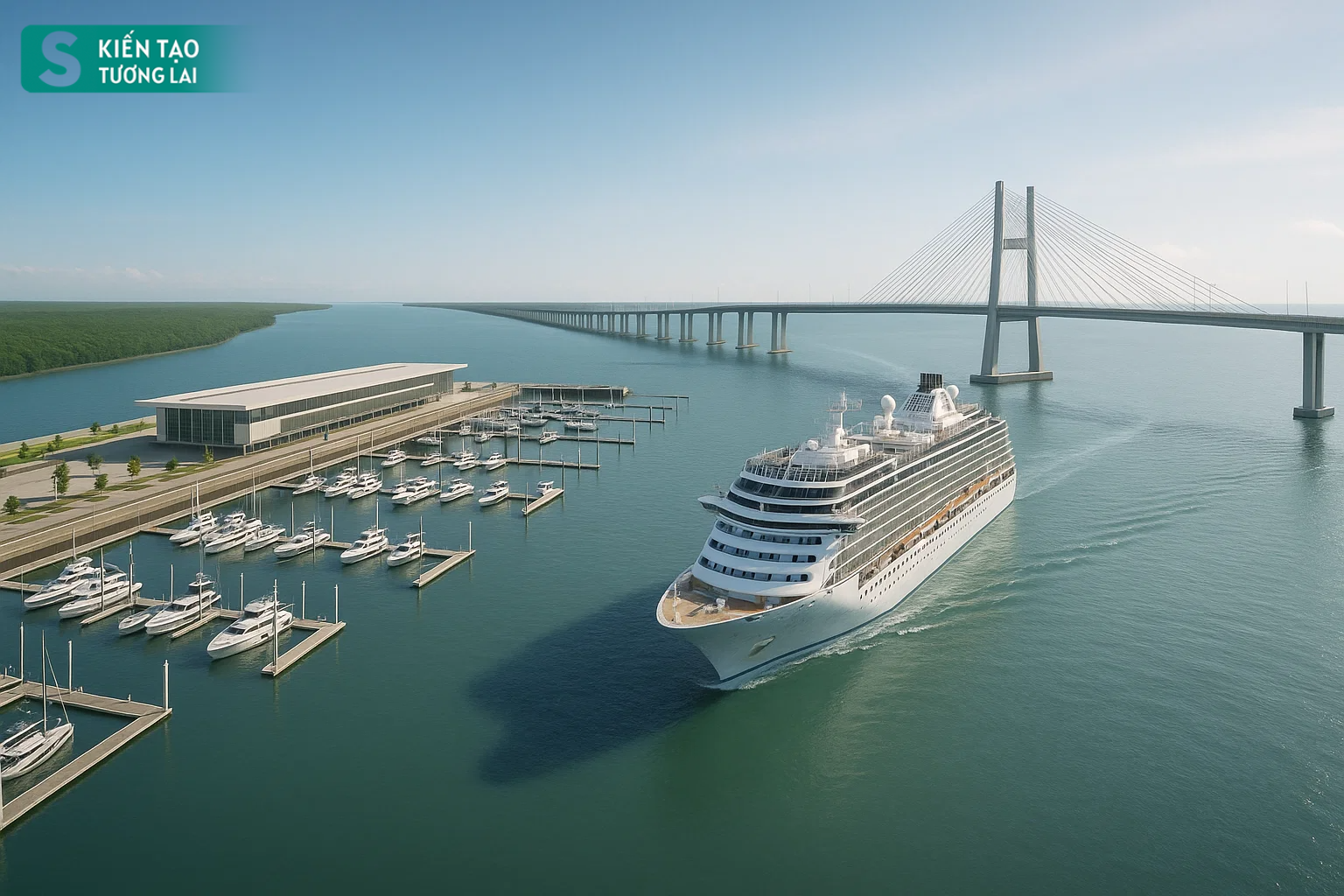
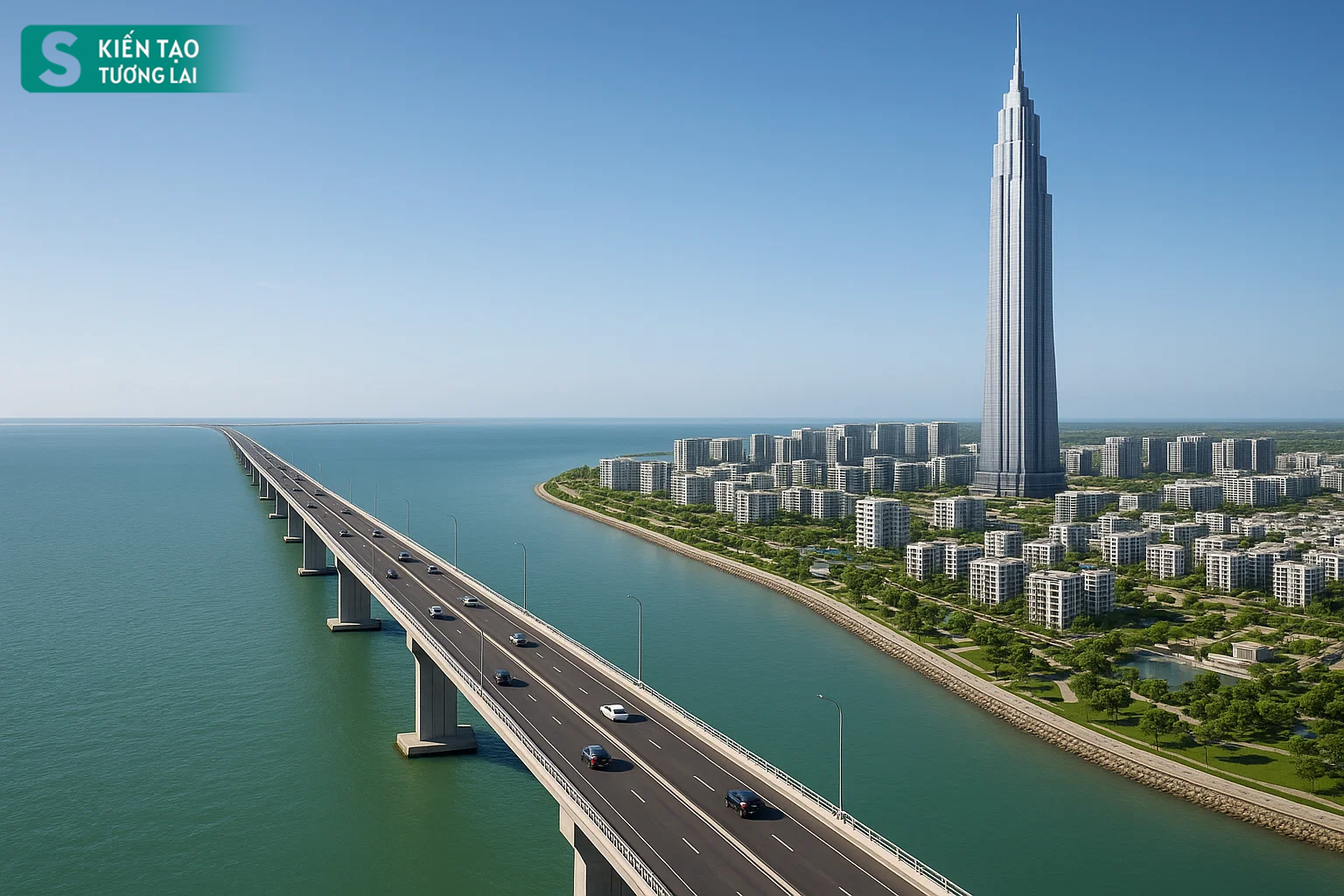
Simulated images of the Can Gio – Vung Tau Sea Bridge project in the future, created by AI ChatGPT
Utilizing the latest bridge construction technologies, the Can Gio – Vung Tau Sea Bridge is poised to become Ho Chi Minh City’s new iconic landmark, the most modern in Vietnam, and among the top in Southeast Asia.
According to Vingroup, approval for investment research will provide a crucial legal foundation to initiate the project’s feasibility assessment. The corporation commits to long-term partnership, contributing to sustainable coastal development and enhanced regional connectivity.
Currently, Can Gio is positioned as the southeastern gateway of Ho Chi Minh City, playing a pivotal role in the development of urban, port, and eco-tourism areas. Vingroup is implementing the largest land reclamation urban project in Vietnam, spanning nearly 2,900 hectares with a 15km coastline and an investment of nearly $10 billion.
Concurrently, Can Gio’s infrastructure is being accelerated across four modes:
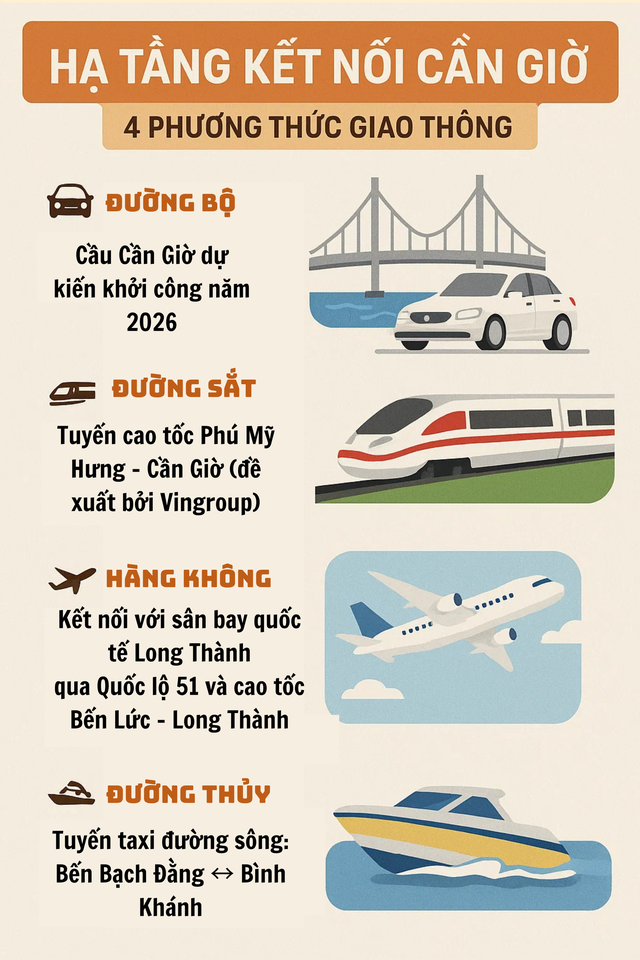
If approved, the Can Gio – Vung Tau Sea Bridge will not only reduce travel time between the two locations to approximately 10 minutes but also become a symbolic infrastructure project for coastal connectivity.
In the future, when the Can Gio International Super Port—a future “gold mine” for Vietnam’s economy—becomes operational, this sea bridge will play a central role in cargo transportation.
The sea bridge is expected to significantly reduce travel time, enhance connectivity between functional regions, drive economic and social development, and expand sustainable urban space for Ho Chi Minh City.
Numerous mega-projects set to be implemented in Can Gio will contribute to realizing the vision of transforming Ho Chi Minh City into a modern, dynamic, and internationally integrated maritime urban center, reinforcing its role as the development hub of the Southern Key Economic Region.
Ho Chi Minh City Authorities Mandate Completion of Electric Ride-Hailing Scheme by October 31
Ho Chi Minh City is accelerating its green transformation in transportation by increasing the adoption of electric vehicles, expanding charging station infrastructure, and preparing a comprehensive plan to transition all ride-hailing services to electric fleets.
Anticipated Completion and Operation of the Ben Thanh-Tham Luong Metro Line After 1,700 Days of Construction

Anticipated to break ground in April 2026, Metro Line 2 in Ho Chi Minh City is slated for trial runs by September 2030 and official operations in December 2030, with a total construction timeline of 57 months.
Astonishing Foundation Engineering Techniques Unveiled in Can Gio’s Revolutionary Coastal Megacity
The 2,870-hectare Can Gio coastal urban area in Ho Chi Minh City is a bustling hub of activity, with thousands of mechanized vehicles working day and night. This ambitious project employs a unique foundation treatment technology, ensuring a robust and innovative approach to its development.
Vingroup Unveils Plans for 6,300-Hectare Riverside Megacity Project in Congo
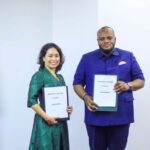
The Kinshasa Capital Authority of the Democratic Republic of the Congo and Vietnam’s Vingroup have signed a Memorandum of Understanding (MoU) to collaborate on the research and development of large-scale urban projects and green transportation initiatives in Congo.
Busting a Massive Counterfeit Perfume Ring: Tens of Thousands of Fake Luxury Fragrances Seized
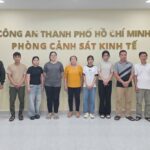
The syndicate, masterminded by Tho and Hien, meticulously self-taught the art of fragrance formulation, crafting counterfeit perfumes that mimic renowned luxury brands before distributing them across the market.