











Amidst a backdrop of tightened consumer spending, soaring sales costs, financial pressures, and escalating inventory levels, Vietnam’s luxury car market is experiencing a pronounced downturn. To stimulate demand, numerous luxury car brands have resorted to substantial price reductions, with discounts no longer limited to tens of millions of dong but extending to hundreds of millions, and even nearing half a billion dong per vehicle.
A survey across multiple dealerships reveals that premium brands such as Mercedes-Benz, BMW, Audi, Lexus, Volvo, and Subaru are offering unprecedented discounts. Notably, the 2024 Mercedes GLC 300 4MATIC is available with a direct discount of approximately 450 million dong, reducing its price from the listed 2.839 billion dong to around 2.389 billion dong. BMW is also providing significant discounts on its X3 and X5 models, amounting to hundreds of millions of dong.
Audi is offering a 50% subsidy on registration fees, equivalent to nearly 200 million dong. The Subaru Forester has seen a reduction of about 240 million dong, while some dealerships are willing to slash prices by 300 to 400 million dong to meet minimum sales targets.
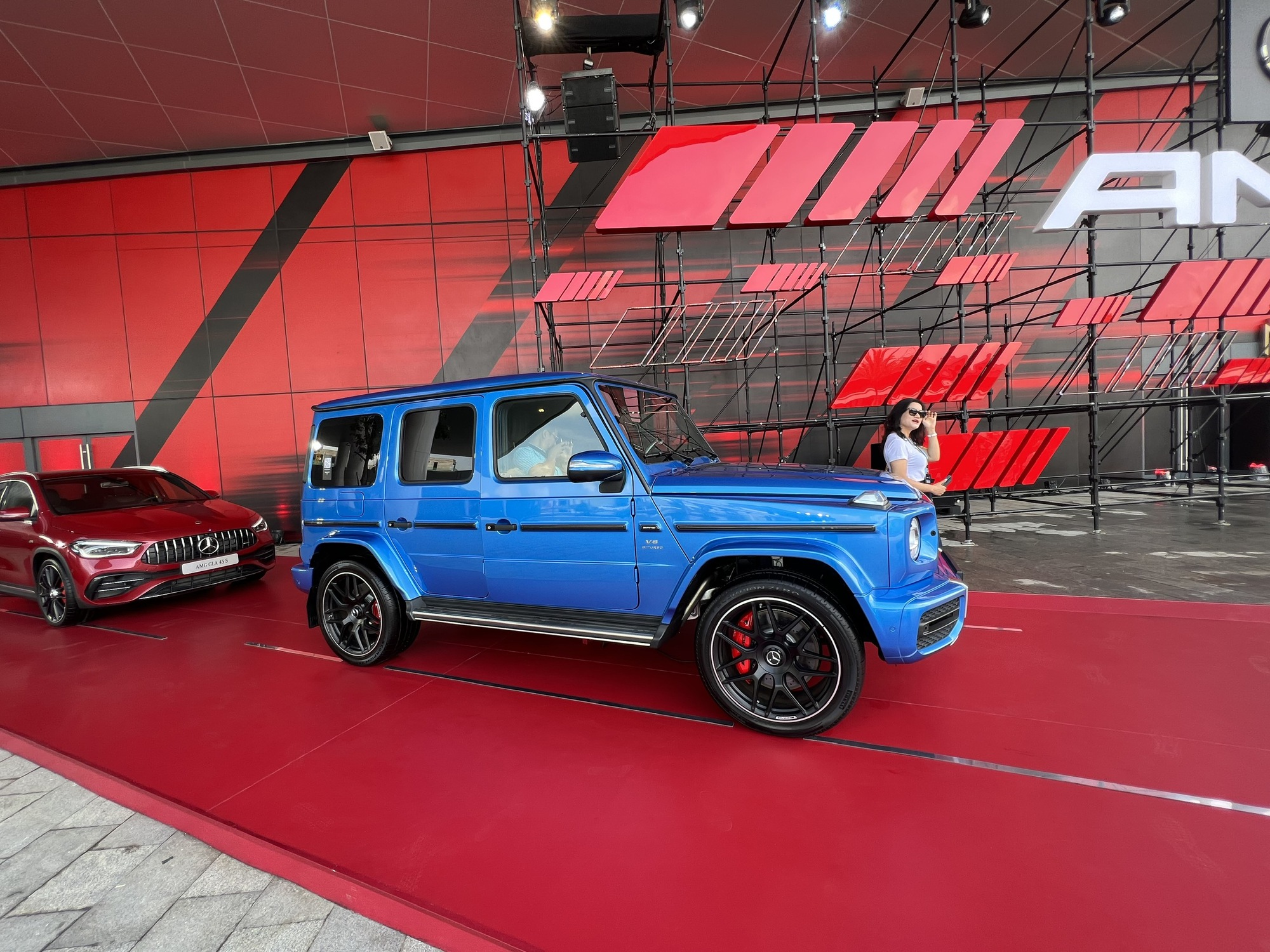
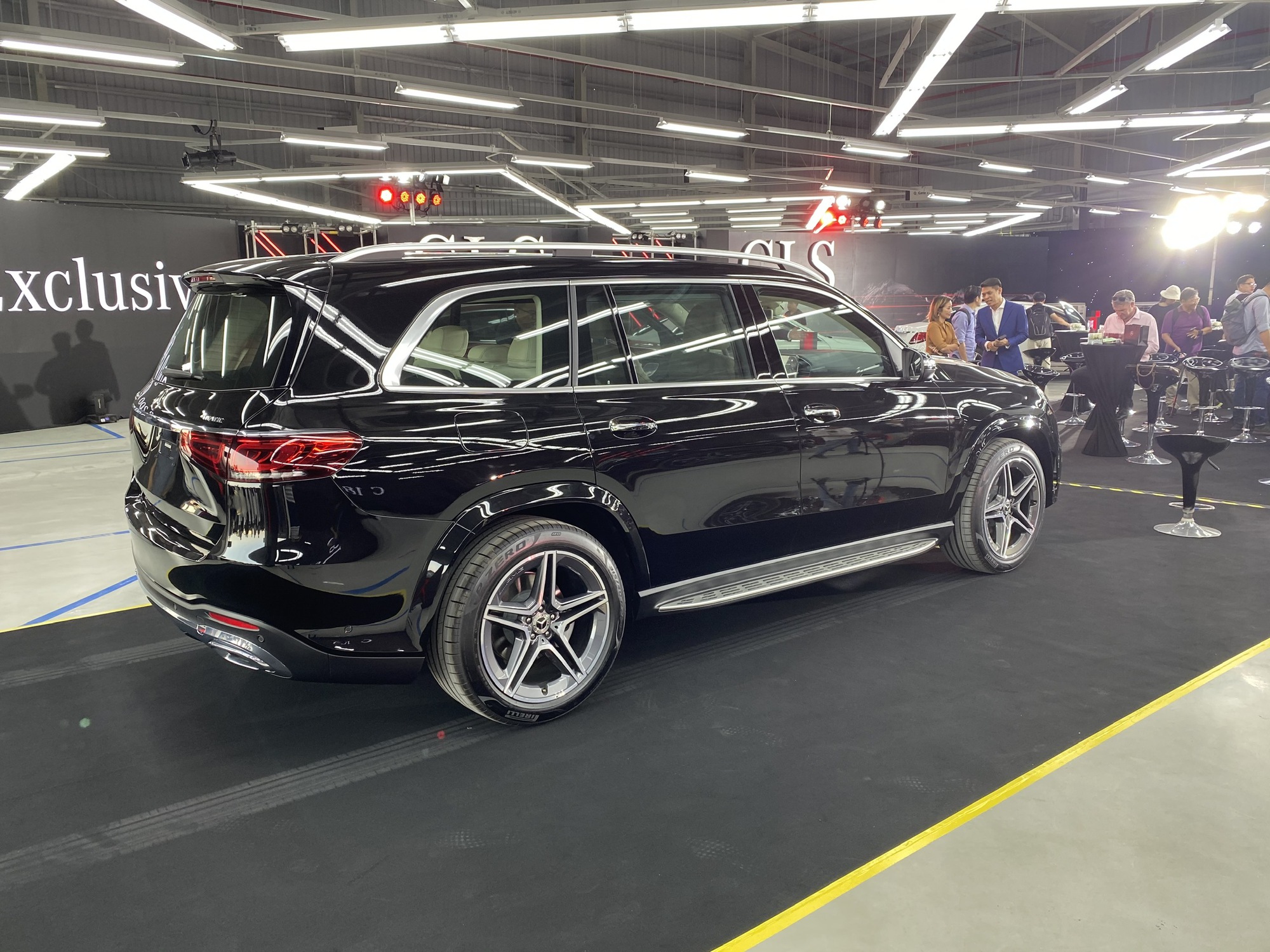
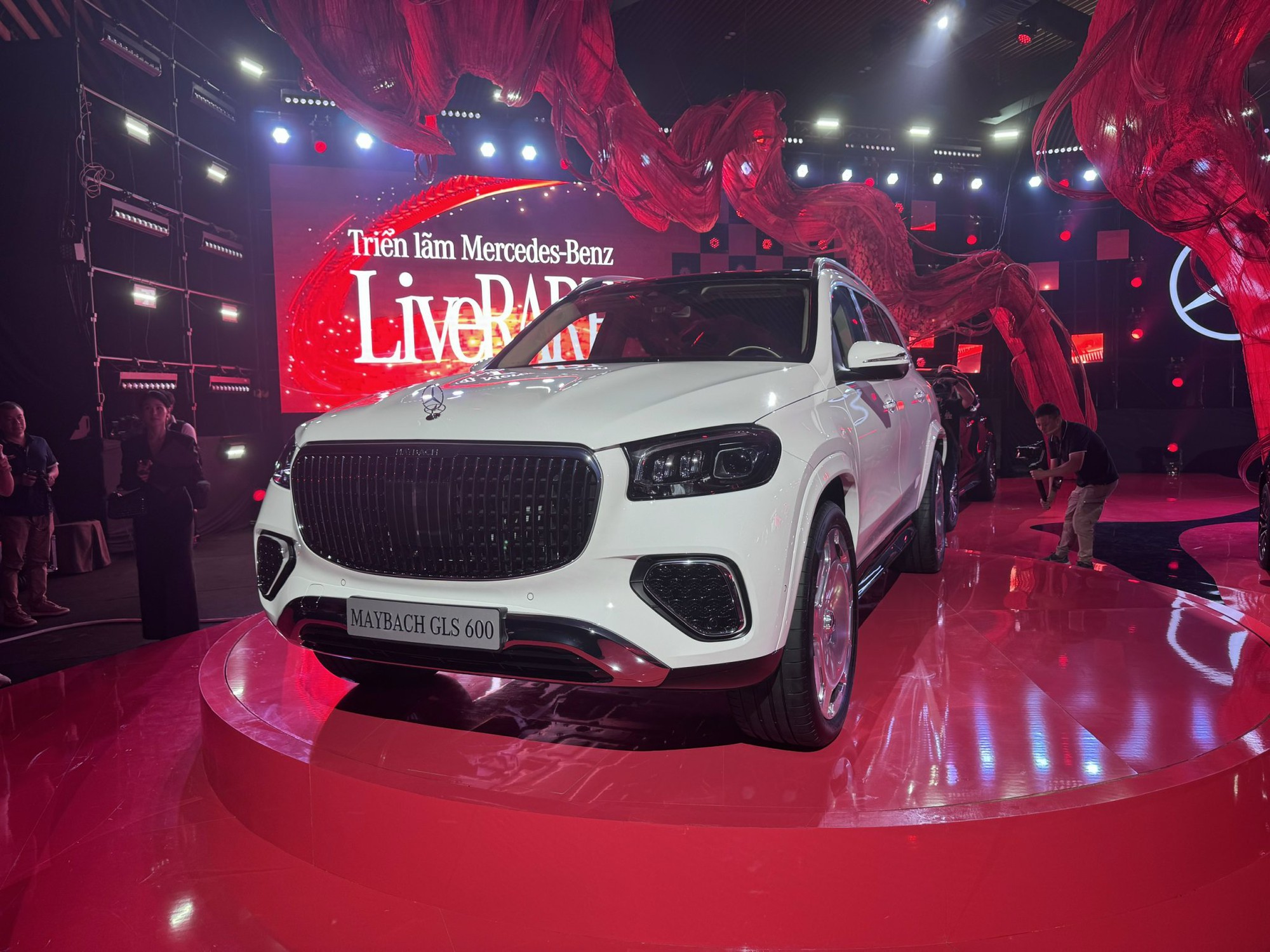
Mercedes models are currently offering aggressive discount programs to boost sales
Despite these steep discounts, purchasing power remains weak. Statistics indicate that the top five luxury car brands—Mercedes, BMW, Lexus, Audi, and Volvo—collectively sold only 436 units in one month. Among these, Mercedes experienced the most significant sales decline at 56%, followed by Audi at 21%, Volvo at 18%, and BMW at 12%.
Subaru representatives confirmed a 20% drop in sales this year, despite price adjustments of hundreds of millions of dong. Another luxury car brand disclosed that their sales have plummeted by 50% over the past three years.
According to Nguyen Xuan Thang, Deputy Sales Director of Hanoi Automobile Joint Stock Company, the number of luxury car dealerships relinquishing their premises underscores the market’s genuine challenges. He noted that previously, a segment of buyers purchased luxury cars to enhance their personal brand image in business. However, this segment has shrunk, further dampening demand.
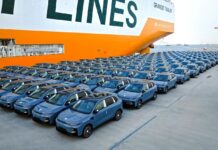
Additionally, the growing preference for environmentally friendly vehicles, coupled with plans to restrict gasoline-powered cars in city centers, has made many hesitant to invest billions of dong in luxury vehicles. “Many customers are now opting for high-end electric vehicles priced at several billion dong. Luxury cars are currently facing massive inventory backlogs, including both 2024 and 2023 models. To clear stock, many dealerships are forced to offer substantial discounts ranging from hundreds of millions to over a billion dong,” Mr. Thang explained.