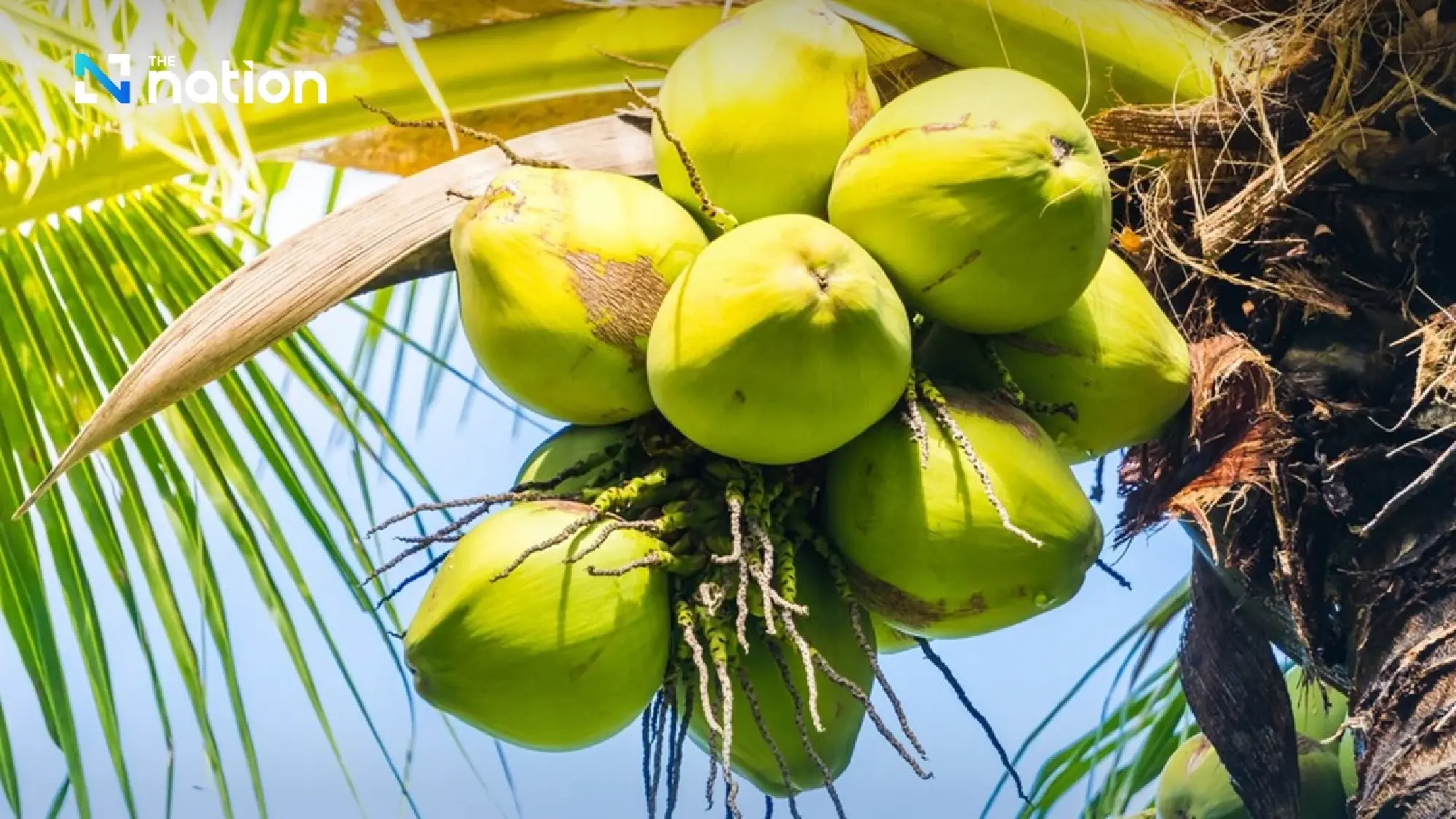
Thailand’s coconut industry is facing its most severe crisis in years, with farm-gate coconut prices plummeting to record lows, falling below half the production cost. This has left farmers in dire straits, with millions of coconuts left to rot on trees.
Deep Price Drops, Heavy Losses for Farmers
According to Tattawin Saruno, an independent scholar and agricultural management expert, coconut prices in southern provinces like Songkhla have dropped to just 2–3 baht per fruit (approximately $0.06–$0.09), while production costs average 4–5 baht per fruit ($0.12–$0.15).
“The situation is so dire that many buyers are refusing to purchase coconuts, forcing farmers to leave them on trees until they spoil,” Tattawin said.
Thailand produces around 500 million coconuts annually. Therefore, every 1 baht drop in price translates to a 500 million baht loss for the industry, equivalent to over $15 million—a significant blow for a sector that once generated billions in export revenue.
Vietnam Gains Ground with China Deal
The primary cause of this price collapse, observers note, is Vietnam’s rapid capture of the Chinese market, previously a major buyer of Thai coconuts.
In 2024, Vietnam signed a formal protocol with China, allowing the export of fresh coconuts to the world’s largest consumer market. Since then, numerous large-scale shipments have been sent to China, particularly in late 2024 and early 2025—coinciding with the sharp decline in Thai coconut prices.
“China, once heavily reliant on Thai supplies, has shifted significantly to Vietnamese imports,” Tattawin observed.
According to Vietnamese media, fresh and processed coconut exports to China surged by hundreds of percent in 2025 alone, solidifying Vietnam’s position as Asia’s emerging coconut supplier.
Strategic Advantages Propel Vietnam’s Rise
Coconuts are now considered a “global superfood,” with the global market projected to grow from $3.5 billion in 2023 to $8.2 billion by 2032. As the world’s 7th largest coconut producer, Vietnam has capitalized on this opportunity with a clear development strategy:
National Priority Policies: The Vietnamese government has designated coconuts as one of six key industrial crops, offering special support in land, credit, and trade promotion.
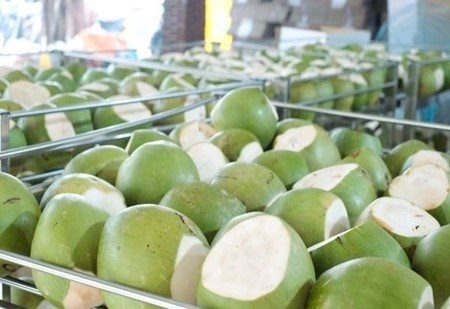
Superior Production Capacity: The Mekong Delta, particularly Ben Tre, produces around 2 million tons annually. Processing plants have increased from 8 in 2015 to 45 in 2024, reflecting a surge in investment.
Logistical Advantages: Vietnam’s proximity to China reduces transportation time and costs, providing a competitive edge over Thailand.
As a result, Vietnam’s coconut export revenue grew from $180 million in 2010 to over $900 million in 2023, with expectations to surpass $1 billion in 2024. Notably, most export value now comes from value-added processed products rather than raw materials.
Thailand Falling Behind
While Vietnam expands production and achieves international organic certification for one-third of its coconut farms, Thailand struggles with inconsistent product quality, lack of planning, and insufficient farmer support.
Farmers in key regions like Ratchaburi and Samut Sakhon are among the hardest hit. Many are forced to uproot coconut trees or switch to other crops to cut losses.
As with the durian industry, experts warn that without urgent policy interventions and a new export strategy, Thailand risks losing its “coconut kingdom” status to Vietnam in the coming years.
Source: The Nation
Fresh Coconut Exports: Lessons Learned from Durian and Dragon Fruit Success Stories
After a brief period of robust growth, Vietnam’s fresh coconut exports are beginning to show signs of instability.
Why Fresh Coconut Prices Have Plummeted
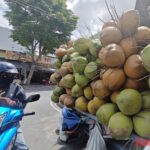
Beyond seasonal fluctuations, the chaotic state of fresh coconut exports has left customers frustrated, with complaints and returns becoming all too common.
Fresh Coconut Exports: Lessons Learned from Durian and Dragon Fruit Success Stories
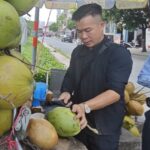
After a brief period of robust growth, Vietnam’s fresh coconut exports are beginning to show signs of instability.
Thai Dried Coconut at Affordable Prices Makes Its Way to Vietnam
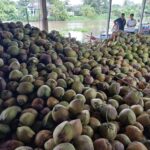
This year, coconut prices have soared to record highs, driven by a surge in processing demand. Thai dried coconuts are now vying to compete with Indonesian coconuts in the Vietnamese market.
Cambodia Spends 682 Times More on Vietnamese Coconuts
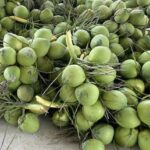
In the first seven months of 2025, the United States surpassed China to become Vietnam’s largest coconut importer. Meanwhile, Cambodia spent a staggering 682 times more on importing this fruit from Vietnam.