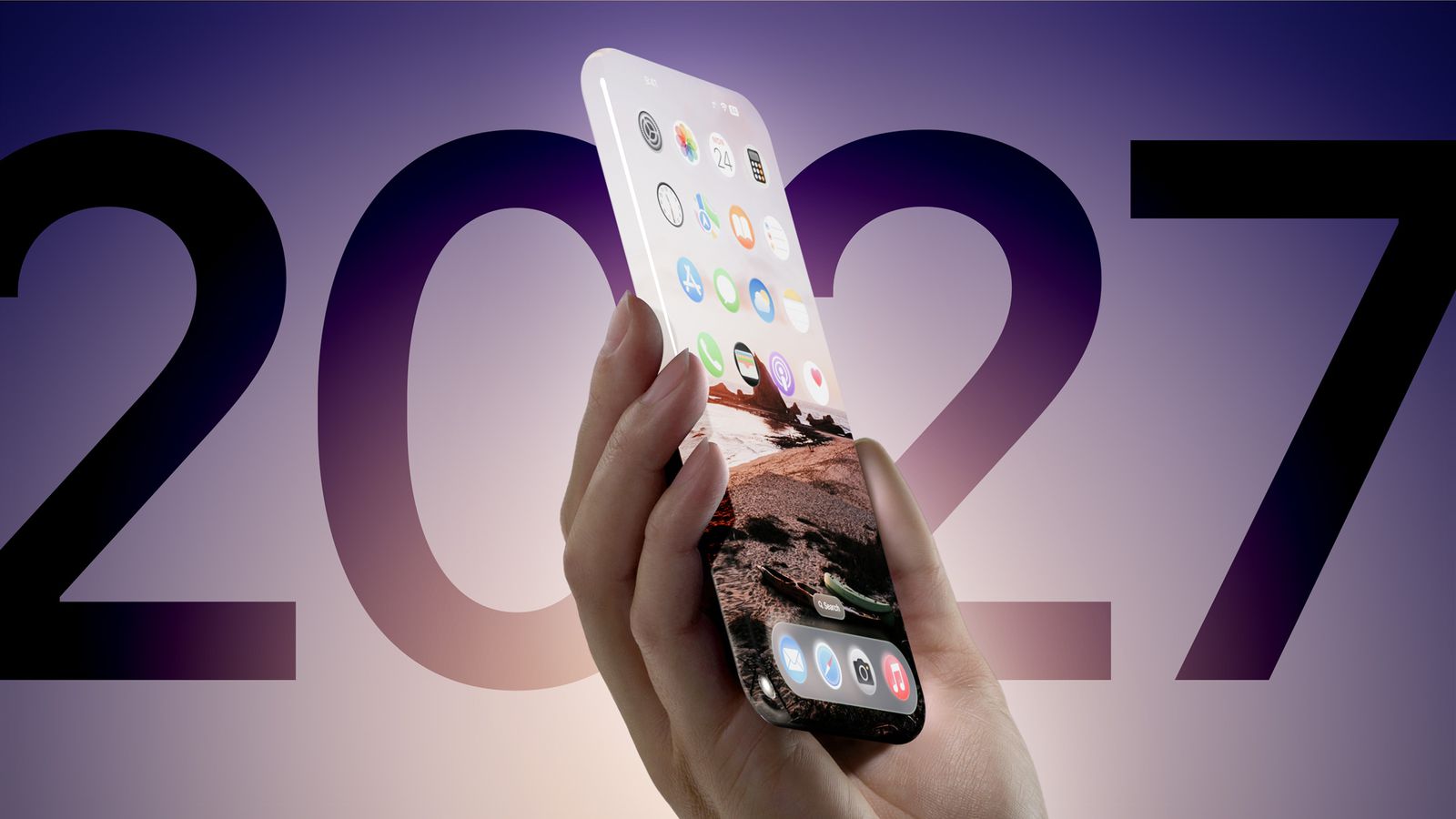
To commemorate the 20th anniversary of the iPhone’s launch, Apple is reportedly planning to skip the iPhone 19 moniker and leap directly to the iPhone 20 in 2027. This move mirrors the company’s 2017 decision to bypass the iPhone 9 and introduce the iPhone X (Roman numeral for 10) to celebrate its 10th anniversary.
However, the name change is just one facet of a broader strategy: Apple may be on the verge of overhauling its product release schedule, transitioning to a biannual iPhone launch cycle.
According to Omdia researcher Heo Moo-yeol, alongside insights from The Information and analyst Ming-Chi Kuo, Apple is seriously considering a staggered iPhone release schedule to maintain consistent sales throughout the year. The iPhone 17, launching in 2025, is rumored to be the final model adhering to the traditional September-centric release model.
The new strategy could be implemented as early as next year:
- Late 2026: Apple may unveil only its premium models, likely the iPhone 18 Pro and iPhone 18 Pro Max.
- Early 2027: The company will introduce more affordable options, including the standard iPhone 18 and the iPhone 18e (successor to the iPhone 16e).
- Late 2027: This marks the significant leap. Apple will launch its new flagships, including the iPhone 20 Pro, iPhone 20 Pro Max, the next-generation iPhone Air, and the second-generation foldable iPhone.
Why the Shift?
Adopting a biannual release schedule offers Apple several strategic advantages.
Business-wise: It helps the company avoid the traditional sales spike concentrated in Q4, leveraging periods of typically weaker demand (such as early in the year).
Logistically: Apple’s product lineup is becoming increasingly complex. The introduction of a foldable iPhone could expand the 2026 lineup to six devices. Staggered launches ease production management and reduce the pressure of hiring a large workforce simultaneously.
Risk Mitigation: This approach also allows Apple to minimize production risks in China. Simpler, more affordable models like the iPhone 18 and 18e are expected to be pilot-produced in India.
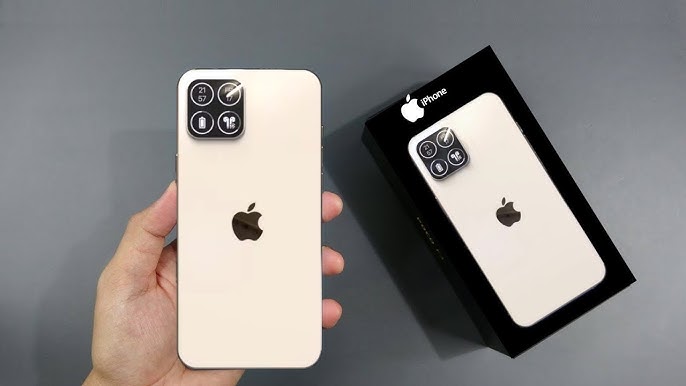
Omdia suggests that Apple’s decision not to launch the standard iPhone 18 in late 2026 could temporarily dampen iPhone demand that year. Apple is projected to reduce display panel orders by 20 million units for 2026.
However, this decline is expected to be short-lived and swiftly offset. “This year’s iPhone display panel shipments are forecasted to reach 245 million units,” noted Heo. “While demand may dip next year, the introduction of the foldable iPhone and the new release strategy could boost production to approximately 250 million units in 2027.”
Apple’s New iPhone Model Surpasses iPhone 17 Pro Max in Price, Leaked Details Reveal

Following the iPhone 17 Pro Max, Apple is rumored to be gearing up for an even more significant leap forward.
Apple’s First Foldable iPhone Unveiled with Unbelievable Price Tag

Apple is poised to usher in a groundbreaking new chapter in iPhone history with its highly anticipated foldable iPhone launch.
Unveiling the Unexpected: iPhone 17 Pro Max Surprises on the Horizon

History seems poised to repeat itself with the iPhone 17 Pro Max.
Unveiling the iPhone 18: A Revolutionary Leap in Smartphone Technology

The iPhone 17 hype is still fresh, but whispers of the iPhone 18 are already shaking things up. Rumors suggest a groundbreaking lineup with six models, including the highly anticipated iPhone Fold, potentially making its official debut.
The Ultimate Unveiling: Awaiting the Revolutionary iPhone Fold

Apple’s inaugural foldable iPhone is expected to be a game-changer, packed with innovative features that have been long-awaited by foldable smartphone enthusiasts.