










The Ho Chi Minh City People’s Committee has recently issued the Implementation Plan for the Adjusted Master Plan of Con Dao Island Development by 2045, marking a new phase of growth for the Con Dao Special Zone. This initiative aims to transform the island into an eco-friendly, heritage-rich, and world-class tourism destination while preserving its unique historical, cultural, and natural values.
A Wave of Major Projects
The plan outlines the implementation of the Adjusted Master Plan, as approved by the Prime Minister in Decision 566/QĐ-TTg on June 26, 2025. The Ho Chi Minh City People’s Committee has assigned responsibilities to various levels and sectors to ensure synchronized, feasible, and highly effective planning.
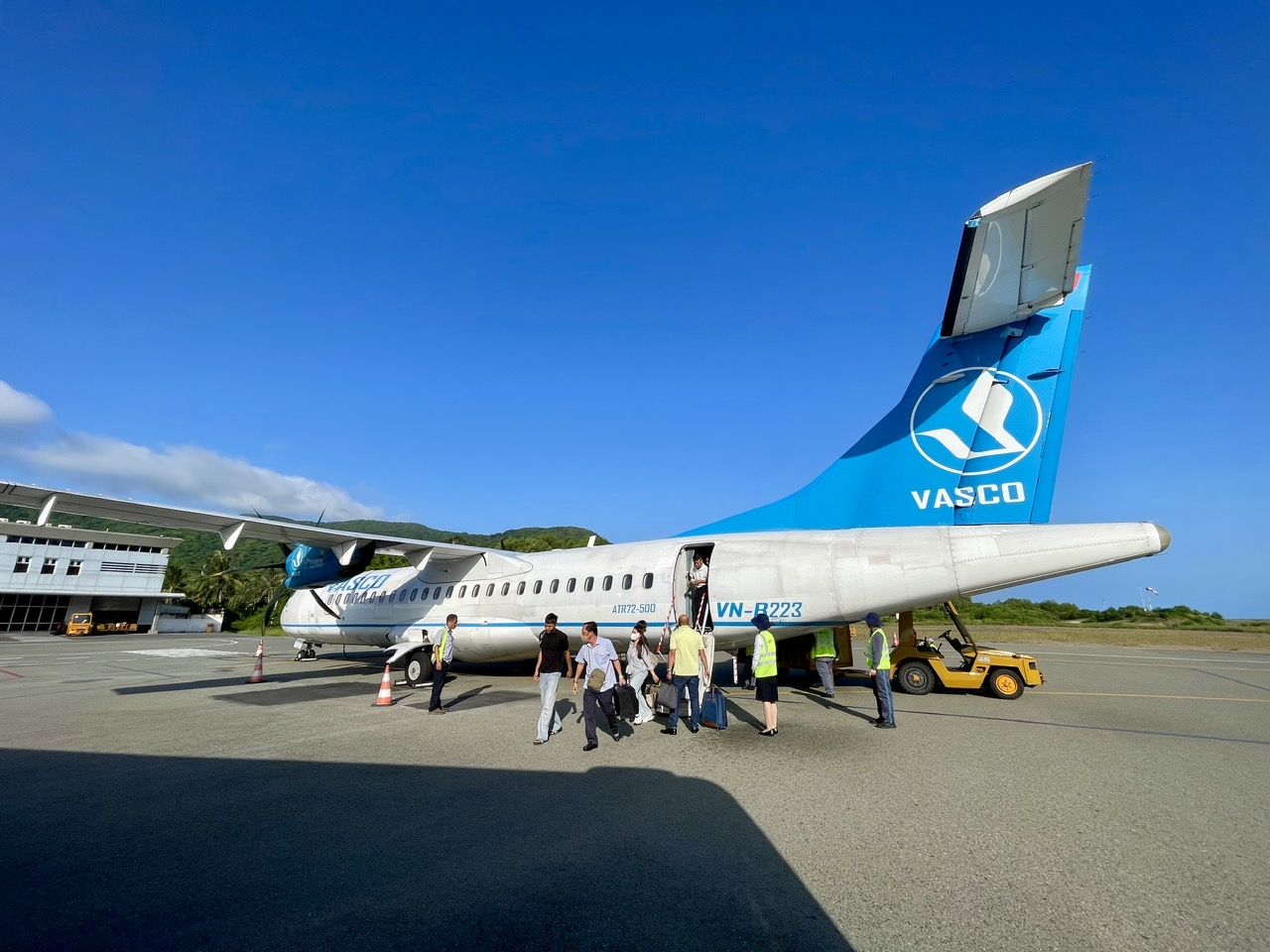
The expansion of Con Dao Airport is set to be funded through a PPP model.
Between 2025 and 2030, Con Dao will launch 73 infrastructure and social projects, with an additional 3 projects planned for the post-2030 period.
Key infrastructure projects include the expansion of Con Dao Airport, upgrading Ben Dam Port, constructing a passenger terminal, laying a 110 kV submarine cable from Vinh Chau to Con Dao, and developing wastewater treatment systems, reservoirs, and a new water plant. Road networks such as Co Ong – Ben Dam, Northwest Con Dao, the island’s central area, and inner-city roads will also be upgraded and expanded.
Significant social infrastructure projects include the restoration of Hang Keo Cemetery, the renovation and expansion of the Con Dao Museum, the construction of Vinh Quang Square, social housing, resettlement areas, schools, and the special zone’s administrative center.
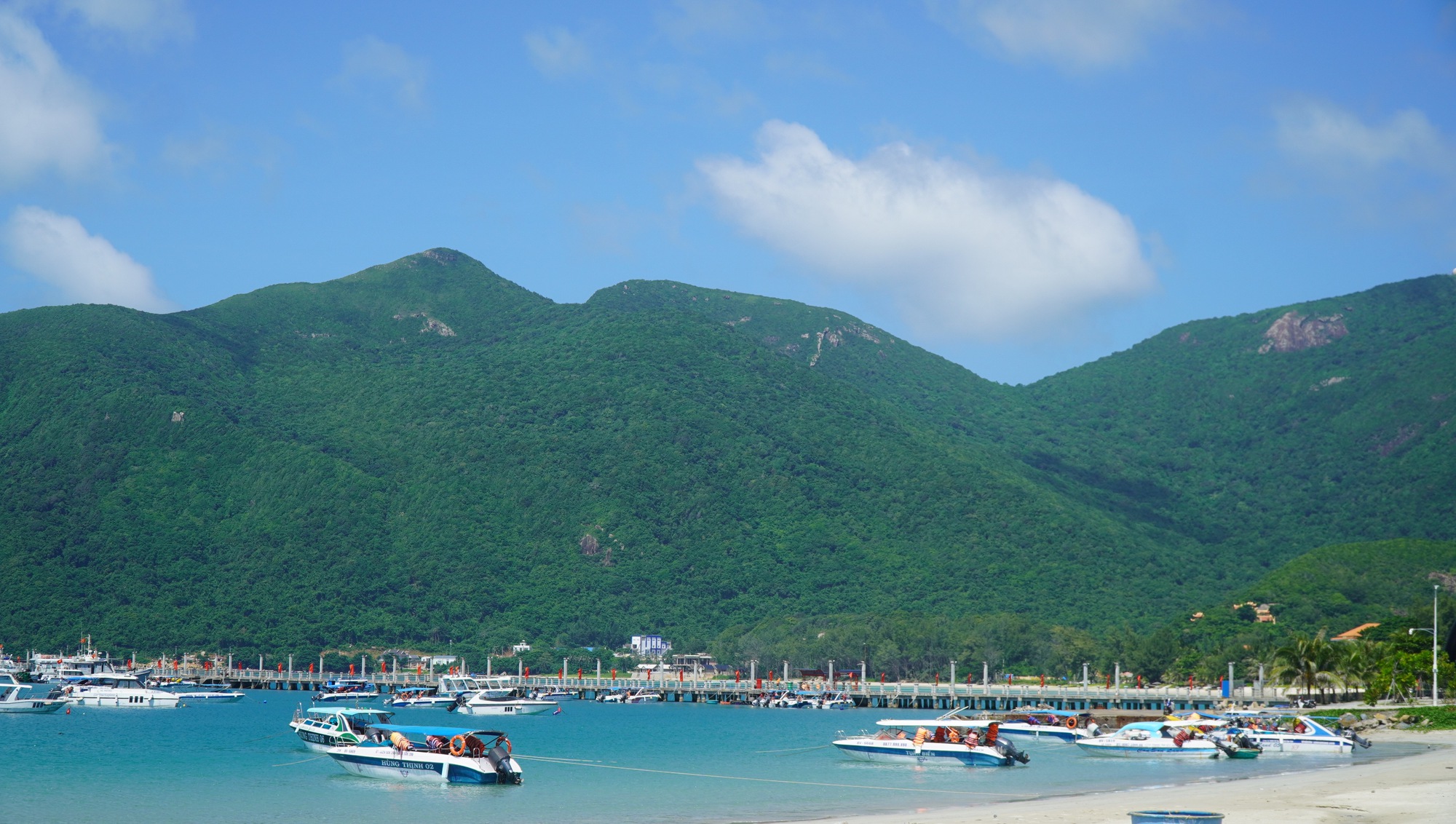
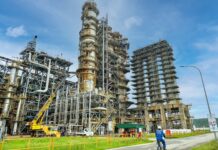
From now until 2030, 73 projects will be invested in Con Dao, including numerous large-scale initiatives.
Alongside public investment, Ho Chi Minh City aims to attract 21 PPP and private investment projects, focusing on tourism complexes, urban housing, and a golf course in Co Ong; a passenger terminal in Con Dao; and a marina and tourism urban area in Ben Dam.
Two land reclamation areas are planned: the Southeast Suot Ot, Co Ong area and the central Con Dao area.
Sustainable Development and Environmental Protection
The total investment for both phases is estimated at over 21,648 billion VND from the state budget and 44,555 billion VND from social and PPP sources. For the 2025-2030 period, the projected investment is 21,348 billion VND. Two projects, Con Dao Airport and the passenger terminal, will be funded through a PPP model (40% state budget and 60% private investment).
To boost revenue, Ho Chi Minh City will enhance budget management efficiency, tighten financial discipline, review and restructure state assets, and implement special financial and investment policies.
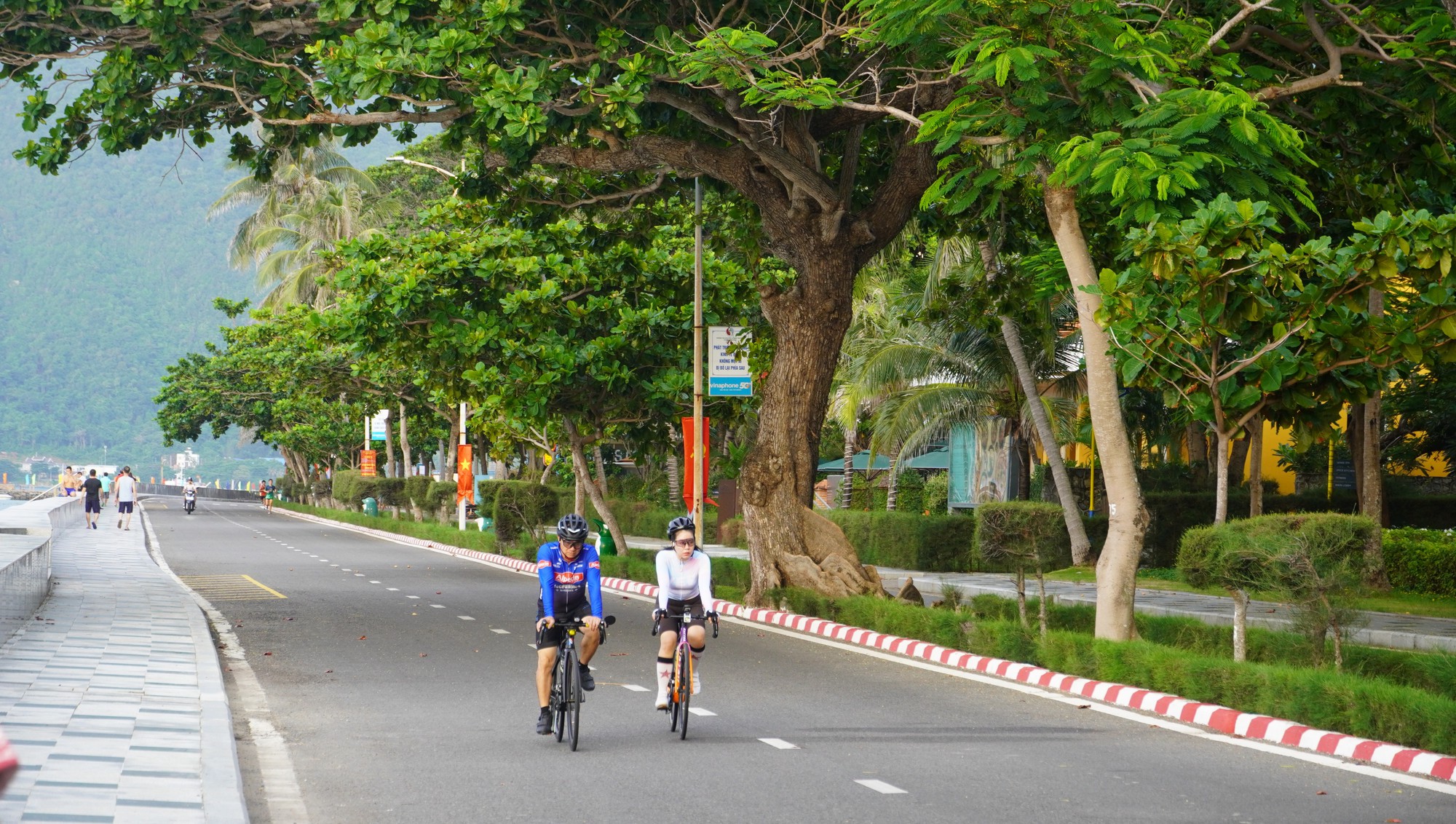
All investment activities must adhere to sustainable development principles, minimizing environmental impact.
The plan emphasizes environmental protection alongside infrastructure development, with strict pollution control and environmental impact assessments for tourism and construction projects. All investments must align with sustainable development goals, minimizing impacts on special-use forests, historical sites, and marine ecosystems.
Con Dao’s tourism development will prioritize quality over quantity, carefully managing visitor capacity to protect its unique biodiversity and pristine environment, ensuring long-term sustainability. Special policies for Con Dao’s development will be proposed to relevant authorities for approval.
Unlocking Land Allocation Challenges for Public Projects in Urban Developments
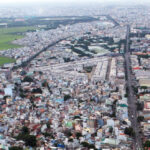
HoREA advocates for resolving land allocation challenges in commercial housing projects and urban areas to facilitate the development of healthcare and educational facilities. This initiative aims to safeguard residents’ interests and promote the synchronized growth of social infrastructure.
Ho Chi Minh City Finalizes Timeline for Upgrading and Expanding National Highway 22 to 60 Meters
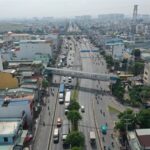
Ho Chi Minh City is set to launch the upgrade and renovation of National Highway 22, a pivotal transportation project aimed at alleviating traffic congestion and seamlessly connecting the city’s Northwestern gateway.
Unlocking Public Investment: Zero Tolerance for Evasion and Accountability Fear
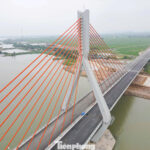
Chairman of the People’s Committee of Bac Ninh Province, Vuong Quoc Tuan, emphasized that the disbursement of public investment capital is a political imperative. He firmly stated that there is no room for evasion, blame-shifting, or fear of accountability in this matter.
Reviving Ho Chi Minh City’s $430 Million Flood Control Project: The Final Step
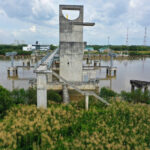
After years of stagnation, the project to address tidal flooding in Ho Chi Minh City, incorporating climate change factors—Phase 1 (commonly known as the 10-trillion-VND anti-flooding project)—is now on the brink of relaunching.
Where is Ho Chi Minh City’s Nearly 5 Quadrillion VND Heading?

As of the end of October, Ho Chi Minh City’s total credit outstanding balance reached nearly 5,000 trillion VND, marking a 9.79% increase compared to the end of 2024. The majority of credit capital has been allocated to the production and business sectors, with small and medium-sized enterprises accounting for a significant portion.