From Scientific Concept to Practical Feature
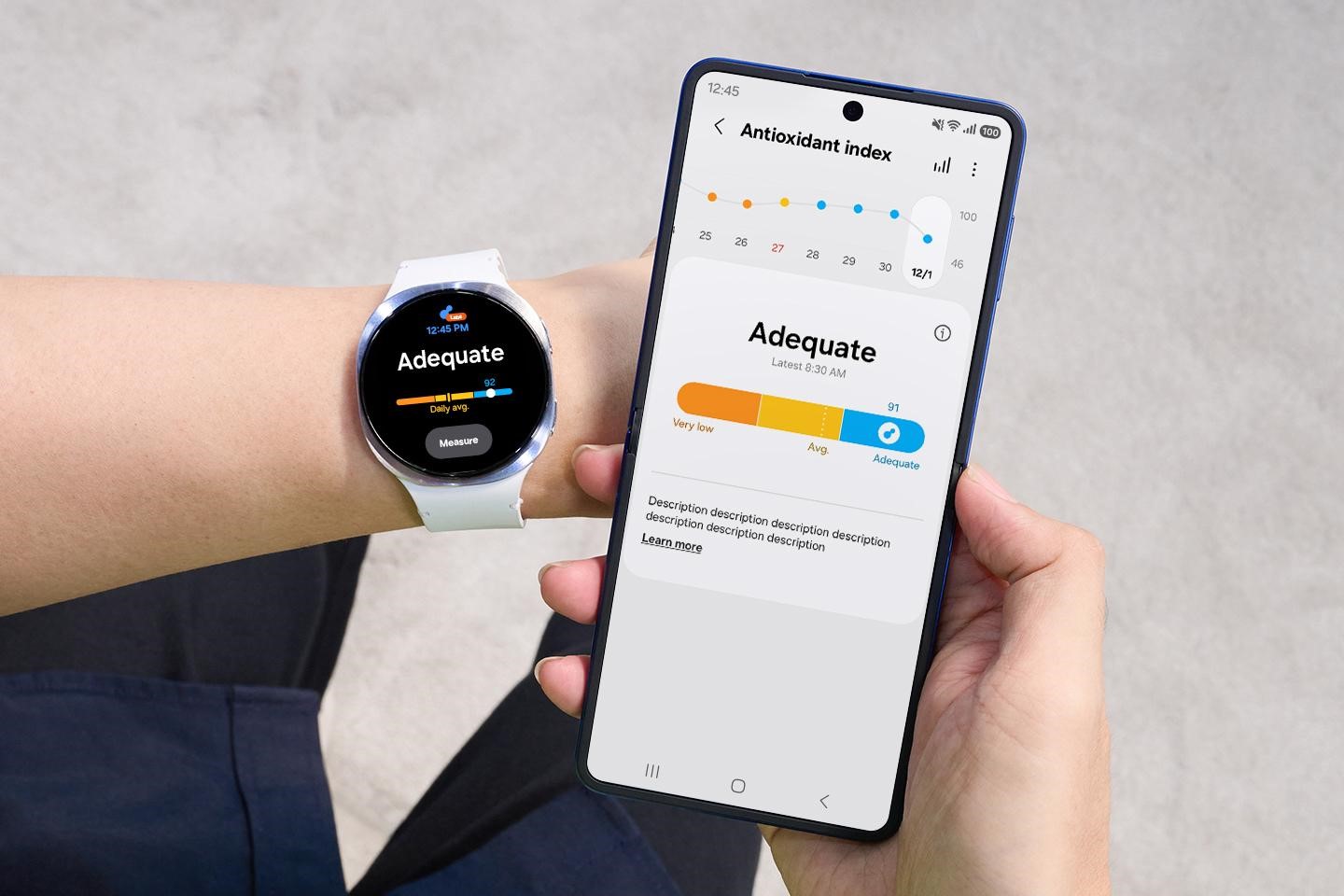
It all began with a simple question: What if users could monitor their nutrition in real-time, right from their wrist? This sparked Samsung’s development of the Antioxidant Index on the Galaxy Watch8—a technology that measures carotenoid levels in the body with just a 5-second finger scan. This marks the first wearable device capable of tracking a measurable nutrition index, revolutionizing how we approach nutritional health.
Achieving this breakthrough required years of research, testing, and refinement. Samsung’s challenge was to miniaturize lab-grade sensor technology, typically found in specialized research equipment, into a compact module without compromising accuracy.
A New Era in Nutrition Monitoring
Since 2018, Samsung identified a gap in wearables: while users could track steps or calories, there was no solution to measure the actual impact of nutrition on health. Advanced nutritional tests were costly and time-consuming.
According to Dr. Hyojee Joung, a community health nutrition expert at Seoul National University, antioxidants play a crucial role in slowing aging and preventing chronic diseases like heart disease, diabetes, and cancer. Recognizing this, Samsung focused on carotenoids—key antioxidants—to develop a sensor that quickly and accurately measures their levels in a user-friendly way.
From Lab to Wrist
Initially, Samsung’s team tackled the challenge of miniaturizing Raman spectroscopy—a lab method for measuring carotenoids—which relies on bulky laser equipment. After seven years, they succeeded with the LED-PD module, combining multi-wavelength LEDs and a custom photodiode array to measure carotenoid levels by analyzing light absorption through the skin.
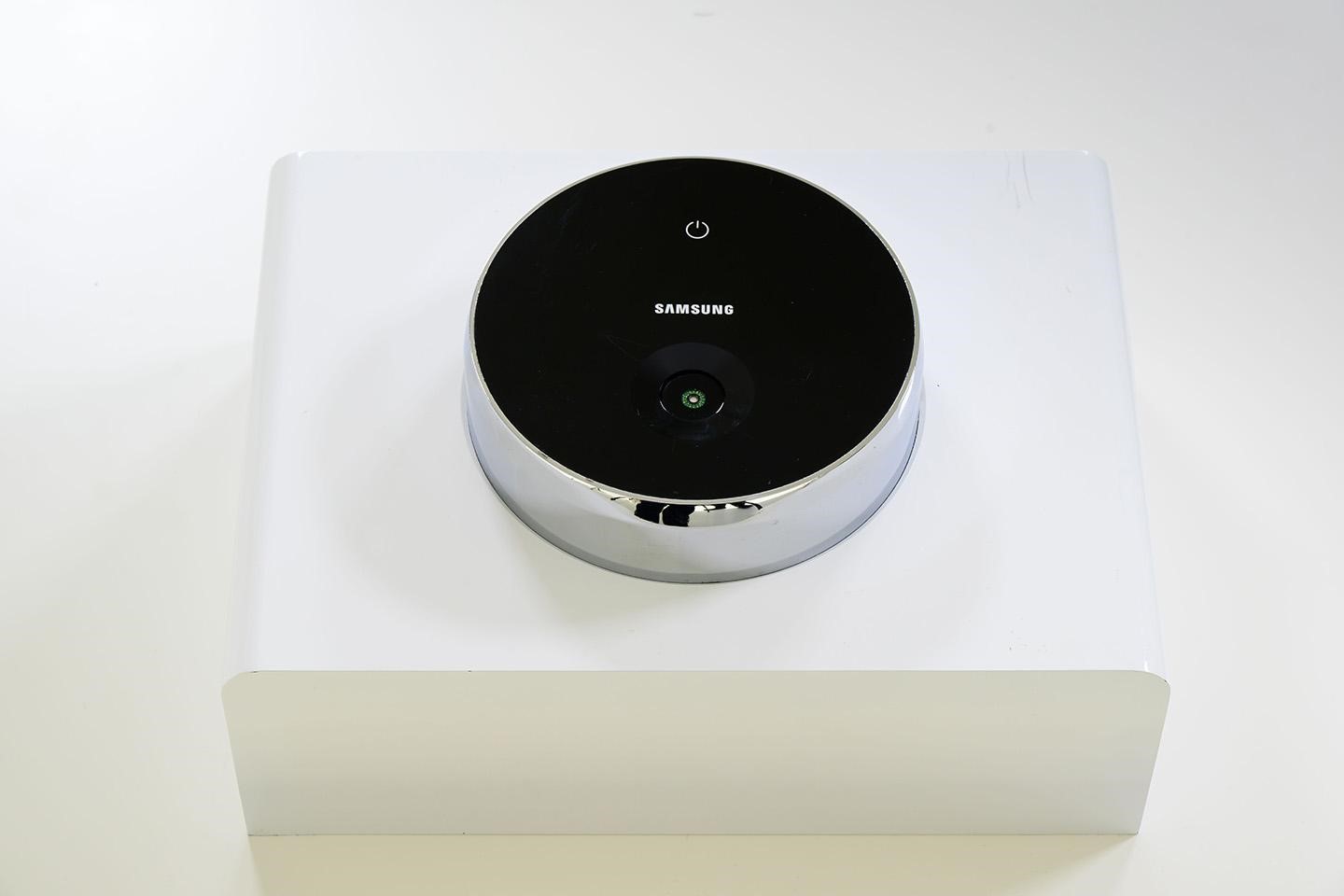
Early prototype of the antioxidant sensor using spectroscopy.
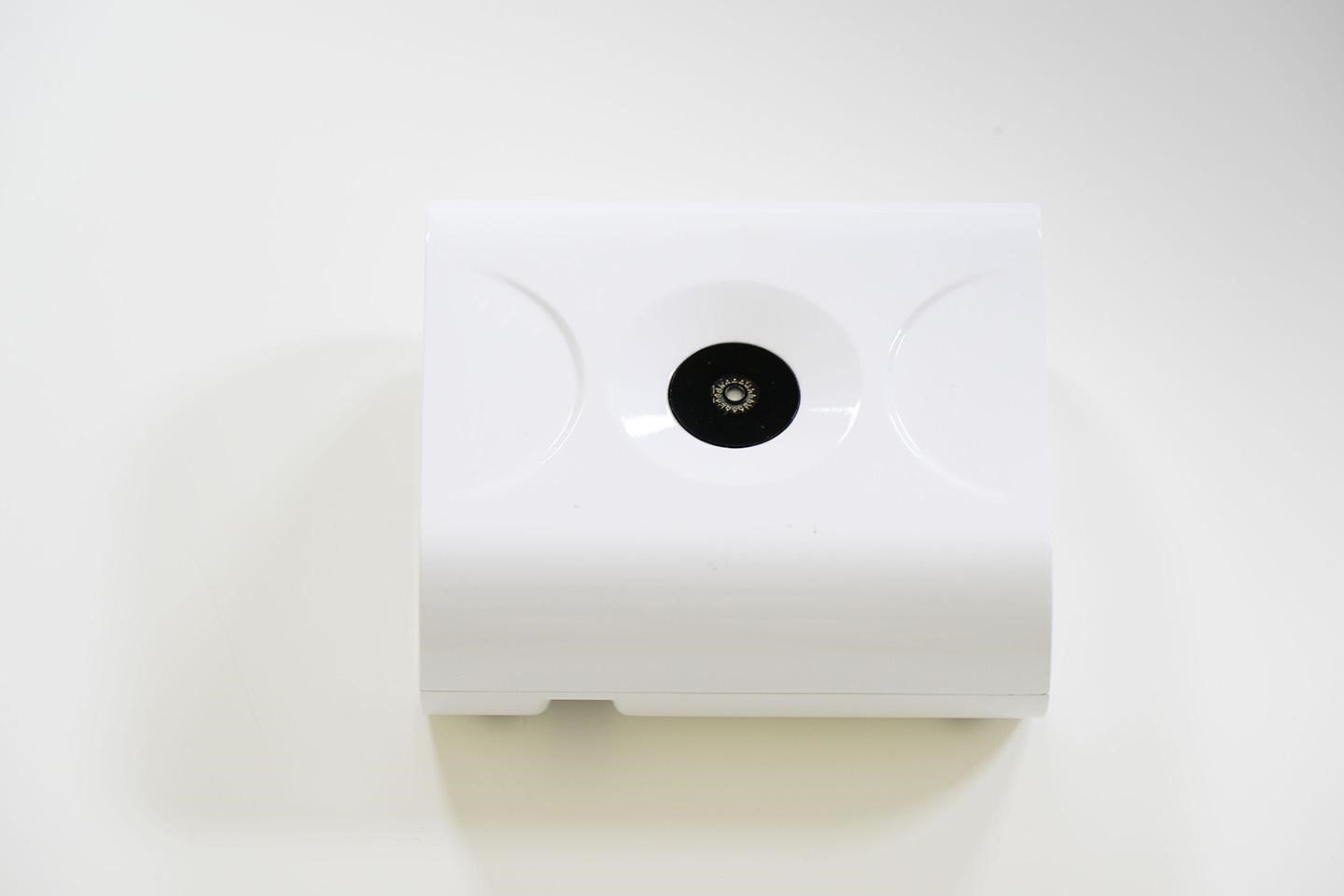
Sensor version prepared for clinical application.
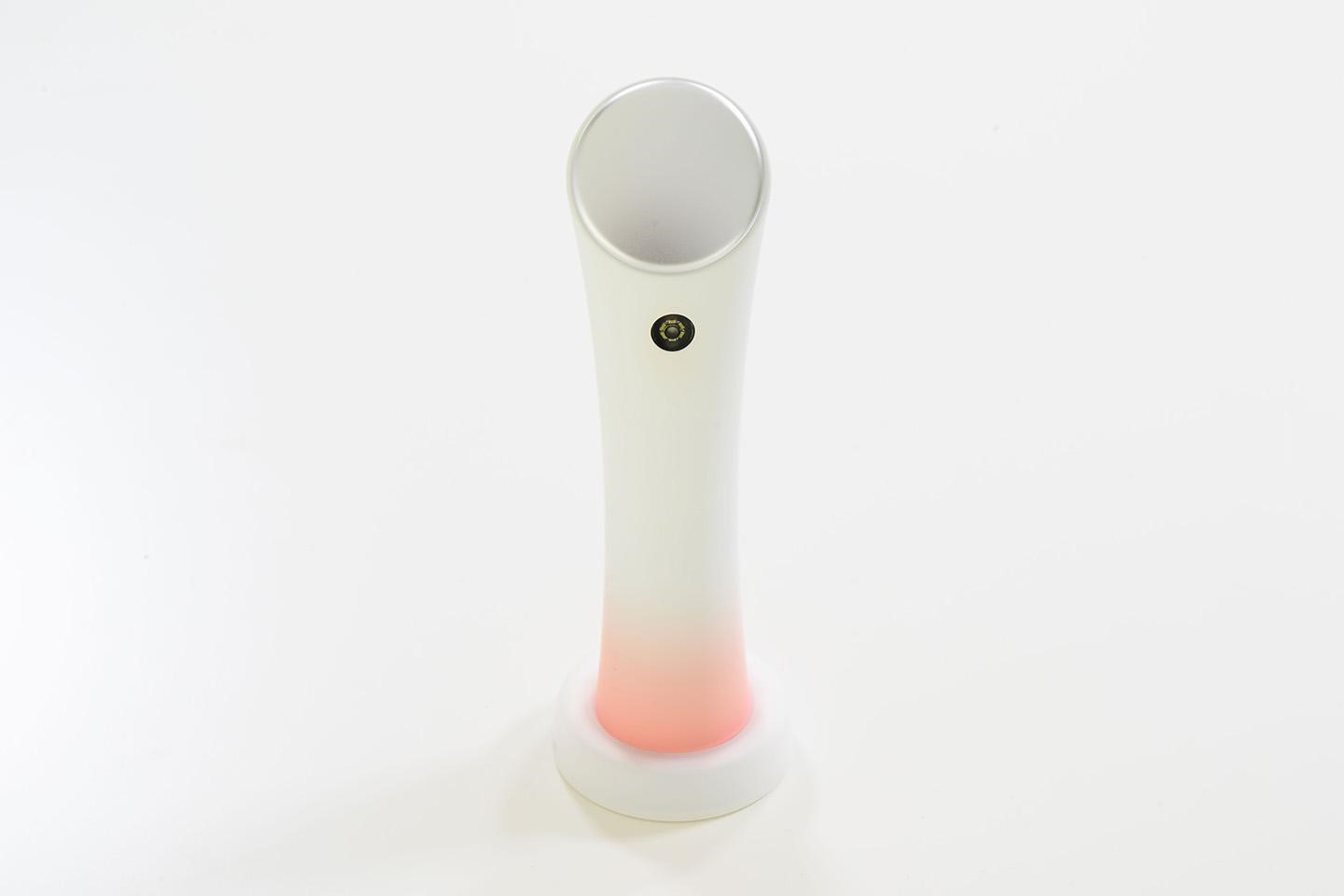
Prototype designed for skincare products.
Jinyoung Park, a Digital Health expert at Samsung, notes, “The breakthrough was integrating reflective spectroscopy with LEDs, maintaining high accuracy in a compact device.” Continuous algorithm calibration ensures personalized and accurate readings across diverse users and conditions.
Bringing Technology Closer to Users
Developing a compact sensor was just the beginning. Samsung faced the challenge of ensuring accuracy across various skin types and physiological conditions. Engineers chose the fingertip—an area with minimal melanin—as the measurement site and applied gentle pressure to minimize hemoglobin interference.
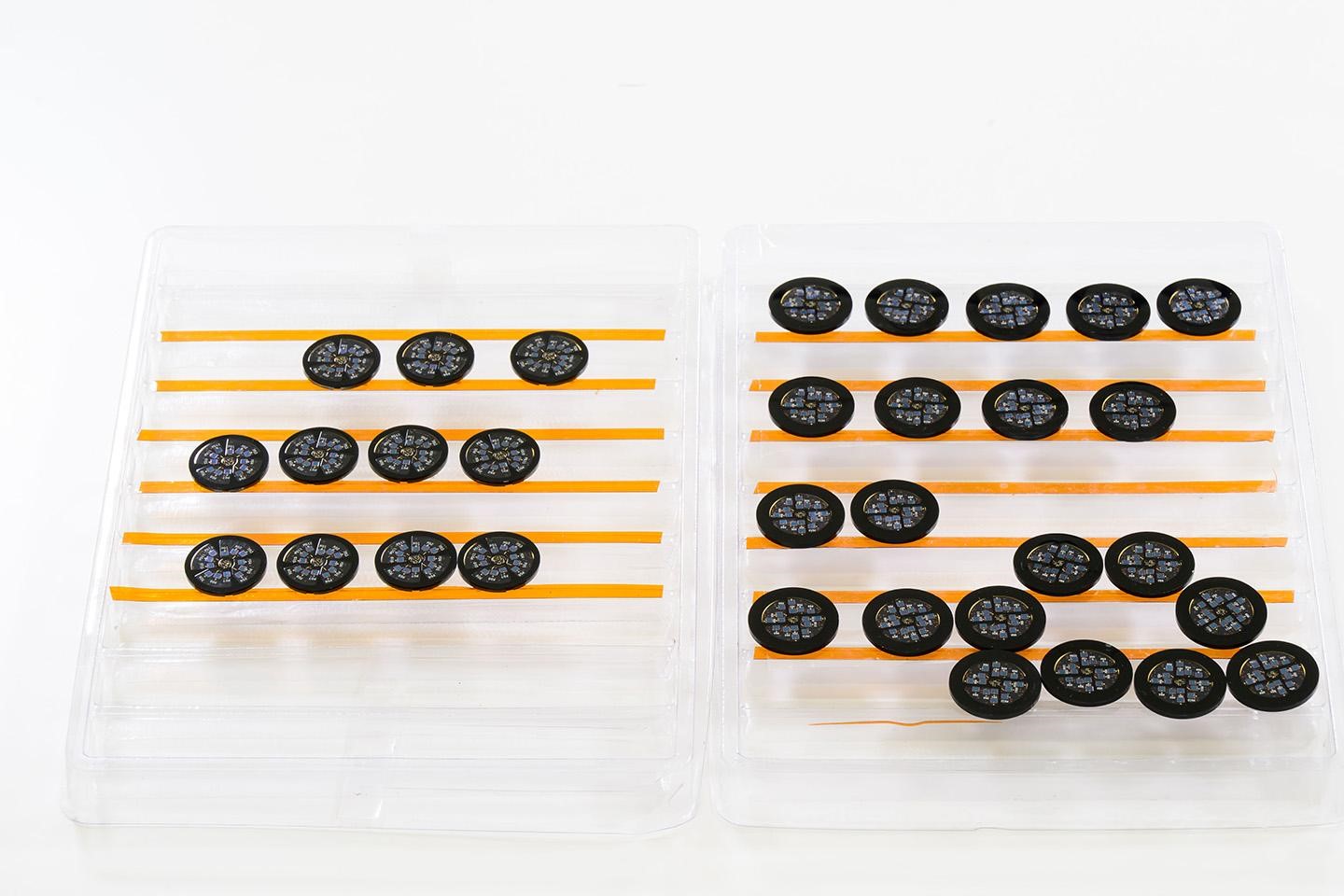
LED-PD sensor module in the Galaxy Watch8.
Large-scale trials at Samsung Medical Center confirmed the technology’s accuracy. This lab-grade feature is now accessible to global users, offering intuitive and convenient nutrition tracking.
Understanding Health Through Carotenoid Levels
Carotenoids, natural pigments in fruits and vegetables, cannot be produced by the body. Their levels reflect dietary intake of health-promoting foods. The Galaxy Watch8’s Antioxidant Index categorizes levels as very low (<50% of WHO recommendations), low (50–100%), and optimal (≥100%).
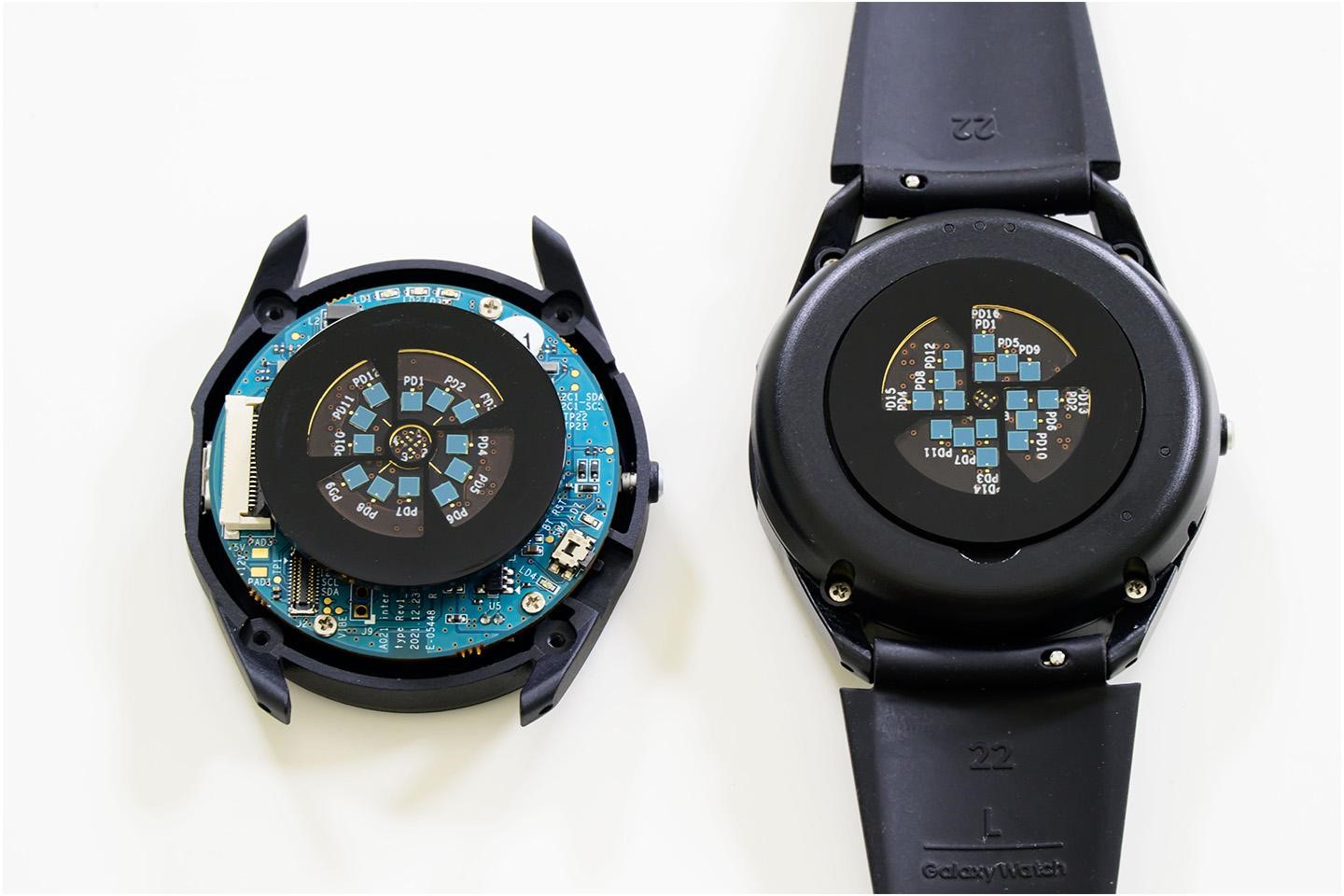
Rear of Galaxy Watch8 with LED-PD prototype platform.
Dr. Hyojee Joung explains that these levels change over time, noticeably improving within one to two weeks of a healthy diet. Beyond nutrition, they are influenced by sleep, stress, and physical activity, offering a comprehensive health overview.
Combined with features like sleep coaching, activity tracking, and blood pressure monitoring, the Galaxy Watch8 provides a holistic health snapshot, helping users make informed adjustments for long-term balance.
Setting New Standards in Personal Health
Professor Yoonho Choi of Samsung Medical Center highlights that these sensors not only provide health data but also encourage healthier eating habits by promoting daily fruit and vegetable intake, potentially preventing age-related diseases.
Previously, antioxidant research was limited by measurement challenges. Samsung’s innovation transforms complex scientific data into actionable insights, bridging the gap between technology and health.
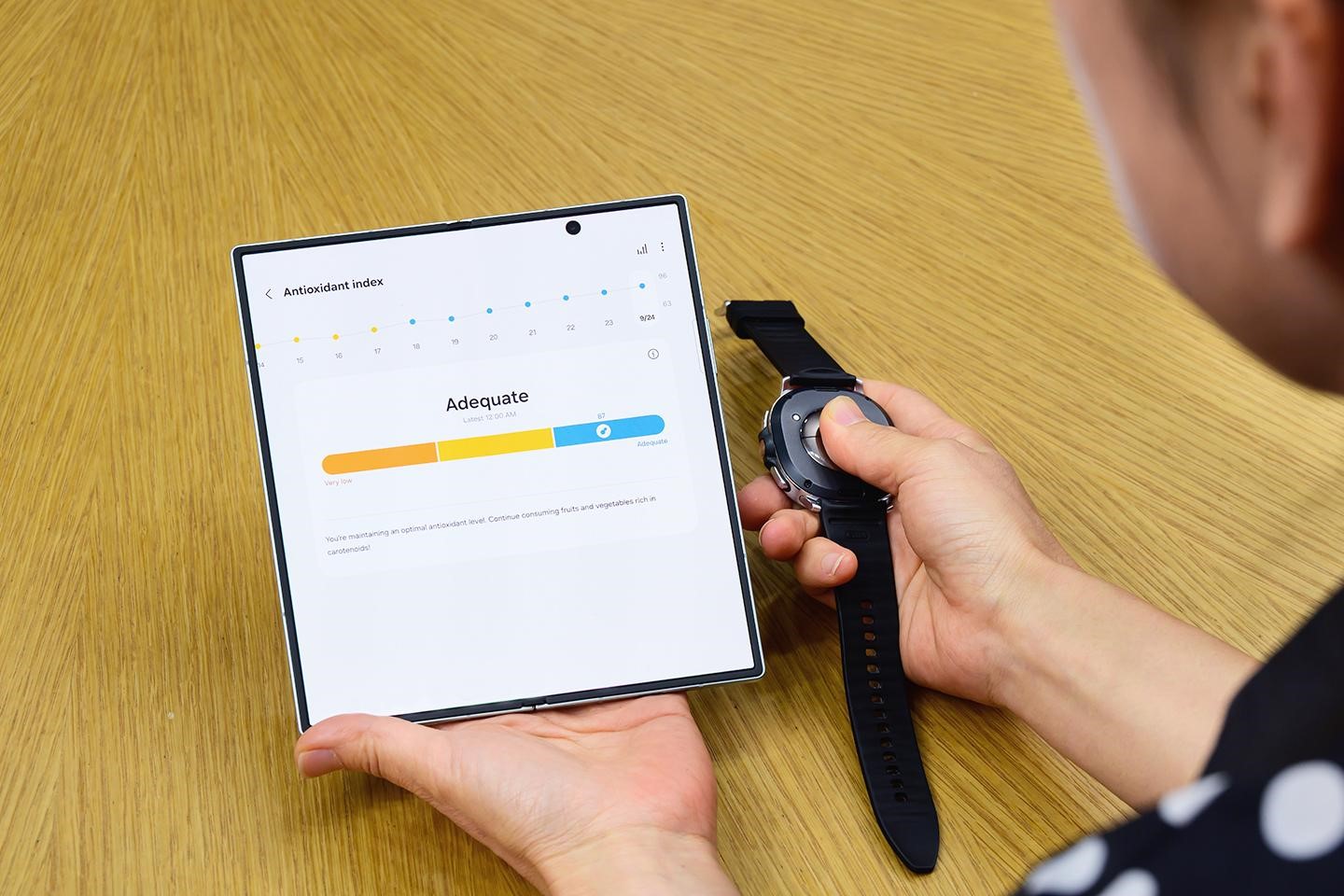
This feature not only redefines personal health management but also sets a new standard for wearables. Recognized by experts, it shifts wearables from basic tracking to proactive health support.
Toward a Future of Proactive Health
The Galaxy Watch8’s antioxidant technology showcases Samsung’s vision for wearables as comprehensive health platforms. By providing personalized, accurate nutrition insights, users can identify risks early, adjust lifestyles, and sustain long-term health.
This journey is more than a technological achievement; it redefines the human-technology relationship, where every wrist-based data point empowers a healthier, more proactive life.