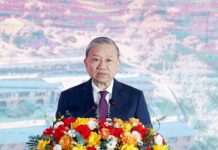







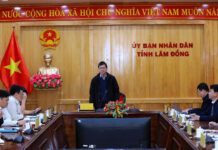






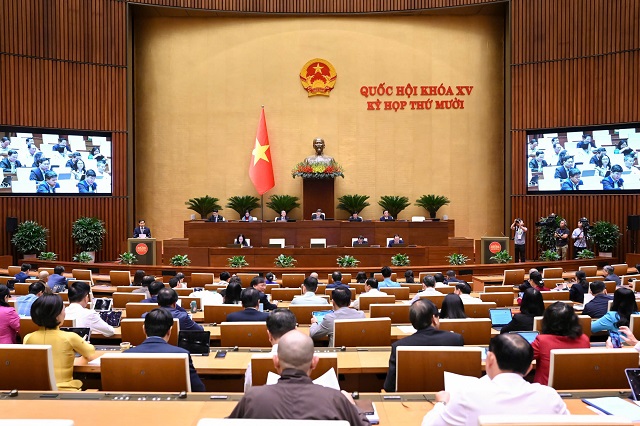
Full view of the session. Photo: National Assembly Media
|
At the 7th Session, the 15th National Assembly adopted Resolution No. 130/2024/QH15 on the National Assembly’s Supervision Program for 2025, deciding to supervise the thematic area of “Implementation of policies and laws on environmental protection since the Environmental Protection Law 2020 took effect” and Resolution No. 131/2024/QH15 on establishing the Supervisory Delegation for this thematic area.
The Supervisory Delegation conducted activities in the context of ministries, sectors, and localities urgently implementing the Party and State’s major policy on streamlining the apparatus. To align with practical realities, the Supervisory Delegation promptly adjusted the working plan; agencies and localities closely coordinated, facilitating the Supervisory Teams to conduct oversight and work smoothly.
Environmental protection has achieved many positive and important results
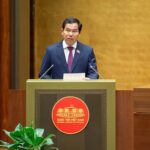
At the session, Secretary General of the National Assembly, Head of the National Assembly Office Le Quang Manh affirmed that the issuance and implementation of policies and laws on environmental protection (EP) since the Environmental Protection Law 2020 took effect have achieved many positive and important results, contributing to the successful implementation of the goals and targets for sustainable socio-economic development, ensuring national defense, security, foreign affairs, social welfare, and international integration. Specifically:
First: The Government, the Prime Minister, ministries, sectors, and localities have issued over 500 documents guiding and implementing the Environmental Protection Law, including more than 30 documents issued by the Government, the Prime Minister, and ministries, which have fundamentally institutionalized and fully concretized the Party and State’s policies on EP, climate change response, adhering to the principle that the environment is one of the three pillars “Economy – Society – Environment” for sustainable development, shifting strongly to an environmental management mechanism using economic tools with the participation of the entire society. The issuance of legal normative documents has been conducted seriously, ensuring constitutionality and legality. Important national strategies and plans have been developed and approved, including the National EP Strategy and, for the first time, the National EP Plan. The system of national technical standards and regulations on the environment has been reviewed, updated, and aligned with international standards.
Second: EP efforts have seen many changes, achieving and surpassing many important targets set out in the Resolution of the 13th National Party Congress; Vietnam’s sustainable development index has increased, ranking among the top in ASEAN. Three out of five targets have exceeded the plan set for 2025, including: the rate of collection and treatment of urban domestic solid waste (DSW) meeting standards and regulations; the rate of industrial zones and export processing zones in operation with centralized wastewater treatment systems meeting environmental standards; and the forest coverage rate. The state budget allocation for environmental activities is ensured not to be less than 1% of the total state budget expenditure and has increased over the years (reaching 1.12% in 2024). Socialization resources and investment from businesses for EP have also shown positive changes.
Third: Major pollution sources have been proactively and strictly controlled, preventing major environmental incidents; many models of urban, rural, industrial zones, industrial clusters, craft villages, and production facilities that are ecological and environmentally friendly have emerged. Many large projects with strict EP control have gone into official operation, significantly contributing to economic growth. Investment in installing automatic wastewater monitoring equipment, continuously transmitting data directly to state management agencies, has been prioritized. The rate of industrial zones and industrial clusters in operation with centralized wastewater treatment systems has increased compared to the previous period.
In the 2022-2024 period, the Ministry of Natural Resources and Environment inspected 812 facilities, fined 348 facilities with a total amount of 96.7 billion VND. Localities have fined 14,863 cases with a total amount of 643 billion VND. The State Audit has conducted 12 audits, identifying many limitations and inadequacies in environmental management. Additionally, the Environmental Police Force has actively investigated, detected, and prosecuted 2,336 cases involving 2,935 defendants.
Fourth: Waste management has seen many changes, with the rate of collection and treatment of DSW gradually increasing over the years, reaching 97.26% in urban areas and 80.5% in rural areas by the end of 2024, reducing landfill methods; waste recycling, reuse, and resource recovery have been enhanced through forms such as co-processing waste in cement kilns, utilizing residual heat from waste incineration, and cement production for electricity generation; the amount of residual ash, slag, and gypsum from thermal power, fertilizer, and chemical plants has significantly decreased. Localities have been gradually building waste treatment infrastructure with recycling and energy recovery technologies instead of landfilling DSW; applying new and advanced technologies such as energy recovery incineration and electricity generation to treat DSW after sorting, maximizing waste resource value, contributing to the development of a circular economy; piloting waste collection, transportation, and treatment service pricing based on volume and weight.
Fifth: The rate of environmental pollution and degradation has been curbed, and environmental quality has gradually improved, particularly in soil, surface water in some major river basins, coastal seawater, and groundwater.
Sixth: Climate change response efforts have seen positive changes; the resilience and adaptive capacity of natural, economic, and social systems have been enhanced, ensuring sustainable livelihoods; greenhouse gas inventories at enterprises have been implemented; green transformation in sectors and fields towards the goal of net-zero emissions by 2050 has been strongly promoted; the legal framework for developing the carbon market in Vietnam has been and is being formed. Regarding climate change response in the Mekong Delta, many engineering and non-engineering solutions are being implemented.
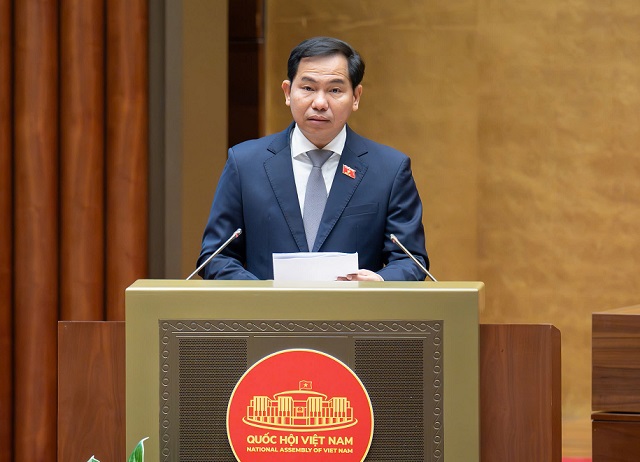
Secretary General of the National Assembly, Head of the National Assembly Office Le Quang Manh
|
Implementation of the Environmental Protection Law 2020 still has some limitations and inadequacies
However, alongside the achieved results, Secretary General of the National Assembly, Head of the National Assembly Office Le Quang Manh stated that the Supervisory Delegation found that the implementation of the Environmental Protection Law 2020 still has some limitations and inadequacies, such as:
First: Environmental pollution still occurs and remains complex, with periods of severe levels, particularly air pollution (due to fine dust) in major cities; the air quality index has occasionally exceeded safe thresholds, negatively impacting public health, with Hanoi and Ho Chi Minh City sometimes ranking among the most polluted cities globally. Water quality in some river sections concentrated in densely populated areas, production, business, and service establishments, and craft villages in the Cau River, Nhue-Day River, and Bac Hung Hai irrigation system has been slow to improve. The target for treating all severely polluting establishments has not been fully met. According to the 13th Party Congress Resolution, by 2025, 100% of severely polluting establishments must be treated, but as of September 2025, 38 out of 435 such establishments nationwide have not completed thorough treatment.
Second: Technical infrastructure for EP, especially in collecting and treating DSW and wastewater, remains outdated and insufficient (currently, only about 18% of total urban wastewater is collected and treated; the rate of direct landfilling, though reduced, is still high, with many landfills causing environmental pollution that are slow to be addressed). Nationwide, only 31.5% of industrial clusters and 16.6% of craft villages have invested in building centralized wastewater treatment systems meeting EP requirements. The issuance and implementation of new policies on waste sorting, collection, transportation, recycling, and treatment have not followed the prescribed roadmap and have been ineffective due to a lack of synchronized infrastructure for sorting, collection, and treatment. Although the Environmental Protection Law 2020 and guiding documents have regulations on collecting specific waste (electronic, batteries, solar panels) with producer responsibility for recycling (EPR), the infrastructure for collecting and recycling these waste types remains limited. Production technology in establishments is generally outdated, energy and water-intensive, and inefficient in resource use; illegal imports of outdated technology have not been thoroughly controlled and prevented.
Third: The circulation and reuse of wastewater, and recycling of some types of industrial solid waste, remain limited; some hazardous waste types, including pesticide packaging from households, are not collected and treated separately but are mixed with DSW; in some localities, healthcare facilities face difficulties in collecting, transporting, and treating hazardous medical waste.
Fourth: Some policy objectives of the Environmental Protection Law reflected in other related laws have not achieved the desired effectiveness, such as: the objective of promoting behavioral and consumption habit changes through environmental protection taxes and fees; the objective of enhancing the effectiveness of the Vietnam Environmental Protection Fund to promote EP projects through state budget laws; the objective of improving the quality of environmental dossier consulting services.
Fifth: Environmental complaints, denunciations, crimes, and violations of EP laws still occur in some localities, with some cases becoming complex and causing social disorder.
According to the Secretary General of the National Assembly, Head of the National Assembly Office Le Quang Manh, the report from the National Assembly’s Ombudsman and Supervisory Committee indicates that there are complaints, denunciations, and petitions related to the operations of some concentrated livestock farms discharging waste into the environment; waste collection and treatment activities in some localities; operations of some production facilities emitting polluting gases; and cemetery park projects, which have significantly impacted the lives of residents in the area. Most local authorities’ resolutions have only required investors to limit the negative impacts of projects and works on residents’ lives, production, and livelihoods, without offering more fundamental solutions to definitively address environmental pollution.
Regarding the causes of these limitations and inadequacies, Secretary General of the National Assembly, Head of the National Assembly Office Le Quang Manh stated that the objective reasons include the negative impacts of the COVID-19 pandemic and economic fluctuations; the increase in mechanical population and rapid urbanization; complex and extreme climate change and natural disasters; the impacts of integration and globalization, transboundary environmental issues; low technological mastery; and difficulties in building and perfecting domestic regulations due to the novelty of carbon credit exchange and compensation.
Subjective reasons include insufficient awareness and responsibility regarding the importance of EP for sustainable development among some Party committees, authorities, organizations, businesses, and citizens; occasional prioritization of economic growth and investment attraction over EP; some businesses viewing EP as an additional cost. The development and issuance of local environmental technical standards have not been prioritized; some localities have not issued documents within their competence.
Some policies of the Environmental Protection Law need to be concretized in other related laws; however, the legal system remains inconsistent, such as: laws on taxes and fees to enhance the effectiveness of economic tools, change behaviors, and promote socialization in EP; state budget laws to improve the effectiveness of the Vietnam Environmental Protection Fund in promoting EP projects; investment laws to regulate business conditions for environmental dossier consulting services and the time required to process administrative procedures in the environmental field.
According to Secretary General of the National Assembly, Head of the National Assembly Office Le Quang Manh, the issuance and implementation of new policies on waste sorting, collection, and treatment have not followed the prescribed roadmap. Some economic and technical norms and unit prices remain outdated, failing to provide sufficient incentives for socializing investment in EP and climate change response, while state budget allocations have not received adequate attention and are not commensurate with revenue from EP taxes and fees.
The principle of “polluter pays, compensates for damage, and remedies environmental pollution and degradation” has not been thoroughly applied; some standards, technical regulations, and guidelines for reusing wastewater and industrial solid waste have not kept pace with the requirements of a circular economy and rapid advancements in science and technology. The implementation timeline for some initiatives remains slow, such as establishing a domestic carbon market and transitioning transportation away from fossil fuels.
Other causes include the slow development of an environmental technology market and environmental industry; delayed renewal and replacement of outdated production technologies; inadequate attention to legal dissemination, education, and awareness-raising, lacking innovation and diversity; occasional inefficiencies in coordination and task allocation among agencies; limited capacity and infrastructure; and insufficient professionalism and modernization among officials and civil servants working in EP and climate change response at the grassroots level.
Inspection, examination, and violation handling have not met requirements, with penalties for some environmental pollution acts being too low and lacking deterrence; community participation from residents, the Fatherland Front, organizations, and stakeholders in EP activities remains insufficiently strong and widespread.
Preventing, controlling, and mitigating environmental pollution and incident risks from the outset
Regarding urgent tasks and solutions to be completed by the end of 2026, Secretary General of the National Assembly, Head of the National Assembly Office Le Quang Manh stated that the Supervisory Delegation believes it is necessary to summarize, evaluate the implementation, and propose amendments to the Environmental Protection Law 2020, to be submitted to the National Assembly for consideration and adoption early in the 16th National Assembly term. Initially, consider amending some articles of this Law at the 10th Session to help unlock resources, promote socio-economic development, and implement the two-tier local government model. Simultaneously, amend regulations on the roadmap and timing for implementing policies related to solid waste management to align with practical requirements. Review and amend related legal provisions, such as those on EP taxes and fees, the state budget, and investment.
Additionally, review, evaluate, and update (if necessary) strategies, plans, and programs related to EP and climate change response to meet the requirements of “expanding and creating new development spaces,” achieving double-digit economic growth while ensuring the principle of not sacrificing the environment for purely economic development and respecting natural laws.
Furthermore, establish and pilot the operation of a Carbon Credit Exchange, initially forming and developing a carbon market in Vietnam. Regulate the proportion of greenhouse gas emission reduction results and the minimum amount of carbon credits to be retained for achieving emission reduction goals in the Nationally Determined Contributions (NDC) during international exchanges and transfers, based on each phase and actual conditions, ensuring national interests.
Regarding medium and long-term tasks and solutions until 2030, Secretary General of the National Assembly, Head of the National Assembly Office Le Quang Manh stated that the Supervisory Delegation believes ministries and sectors should prevent, control, and mitigate environmental pollution and incident risks from the outset; forecast climate change impacts early; and focus on improving environmental quality in key areas. Additionally, enhance the effectiveness of solid and hazardous waste management; improve institutions and policies for climate change response. Continue to enhance legal dissemination, education, and awareness-raising on EP and climate change response. Strengthen the capacity of EP management organizations.
Some proposals and recommendations
Regarding proposals and recommendations to the National Assembly, the Standing Committee of the National Assembly, National Assembly agencies, and National Assembly delegations, Secretary General of the National Assembly, Head of the National Assembly Office Le Quang Manh stated that the Supervisory Delegation requests the National Assembly to issue a Resolution on this thematic supervision with specific tasks and solutions as mentioned above. Supervise the Government to focus on implementing the National Assembly’s Resolution, particularly the review and amendment of laws in 2025-2026 and the period until 2030.
The Standing Committee of the National Assembly, National Assembly agencies, and National Assembly delegations should continue to strengthen supervision of policy and legal implementation in EP and environmental legal normative documents.
For the Government, the Prime Minister, ministries, sectors, and localities, the Supervisory Delegation requests that, based on the supervision results, the Government directs the amendment, supplementation, improvement, and implementation of legal documents, mechanisms, and policies in the environmental field to address limitations and inadequacies. Fully and synchronously implement tasks and solutions, focusing on resolving difficulties, obstacles, and handling “hotspots” of environmental pollution.
The Government and the Prime Minister, within their competence, should direct implementation and report to the National Assembly on the results of implementing the National Assembly’s Resolution on thematic supervision at the same session as the annual EP report. Issue programs and plans to implement the Resolution, clearly identifying lead and coordinating agencies, timelines, and completion progress for each task, ensuring implementation funding. Initially, focus on leading and directing the implementation of breakthrough and urgent tasks and solutions, to be completed by the end of 2026.
– 13:45 28/10/2025
SeABank Surpasses 2025 Profit Target, Achieving $285 Million in Just 9 Months

By the end of the first nine months of 2025, Southeast Asia Commercial Joint Stock Bank (SeABank, HOSE: SSB) reported pre-tax profits of VND 6,739 billion, a remarkable 49.5% increase compared to the same period last year, surpassing its annual target by 104%.
Urgent Solutions Needed to Curb Polluting Vehicles in Major Cities Like Hanoi and Ho Chi Minh City
The Supervisory Delegation proposed a solution during the National Assembly session to address environmental pollution in major cities such as Hanoi and Ho Chi Minh City.
Lightning-Fast Construction: Unveiling the Revolutionary Technology Behind Vingroup’s $10 Billion Sea Reclamation Mega-Project

The groundbreaking offshore reclamation project is revolutionizing construction with its innovative foundation treatment technology.
Vietjet Honored at ASEAN Business Awards 2025, Solidifying Its Position as a Leading Regional Airline

On October 26, 2025, Vietjet was honored with the prestigious “Best Tourism Enterprise in Southeast Asia” award at the ASEAN Business Awards (ABA) 2025, held during the ASEAN Summit in Malaysia.
From Social Welfare Policies to a Vision of Humane Urban Development

Some decisions require no grand announcements, yet they resonate deeply with millions of hearts. When the Standing Committee of the Ho Chi Minh City Party Committee unanimously agreed to increase support for housing construction for the poor, near-poor, and those in difficult circumstances, it was more than a technical adjustment in social welfare policy. It was a vivid demonstration of a commitment to progress that leaves no one behind.