




















Recently, the news of Bai Tom, a well-known restaurant in the heart of Hanoi, officially closing its doors has caught the attention of many. Notably, this isn’t an unfamiliar name, as numerous people have discovered Bai Tom through a series of viral TikTok videos, which brought significant attention to the restaurant’s Cajun seafood dishes.
So, what led a once-popular brand to fail in Hanoi’s vibrant F&B market?
How Popular Was Bai Tom?
Bai Tom was an American cuisine restaurant, most famous for its Cajun seafood dishes—a Western-inspired dining style. Despite operating for just over a year, the restaurant quickly made its mark with its meticulous and visually appealing branding, consistently staying on top of trends during holidays and special occasions.
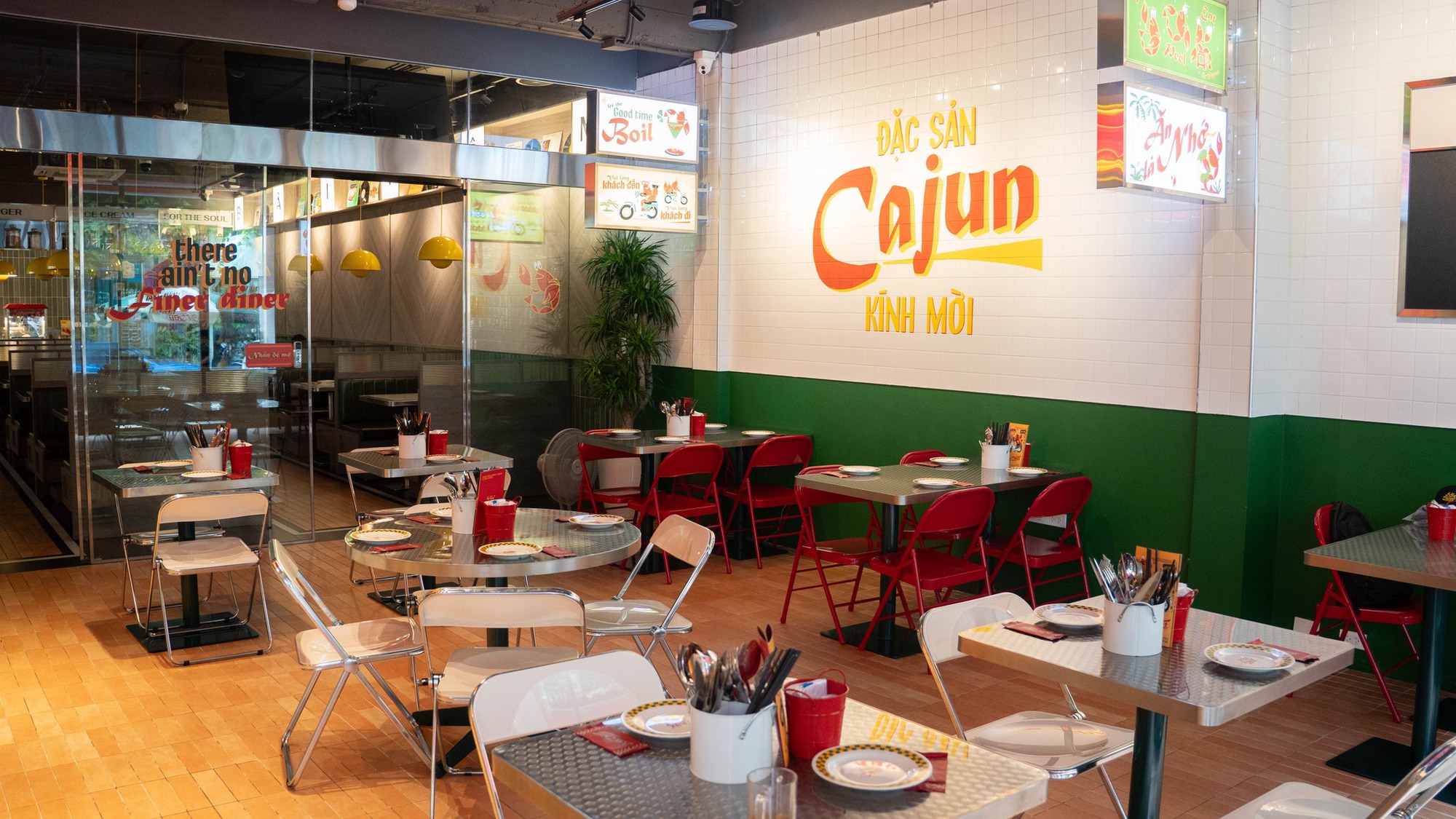
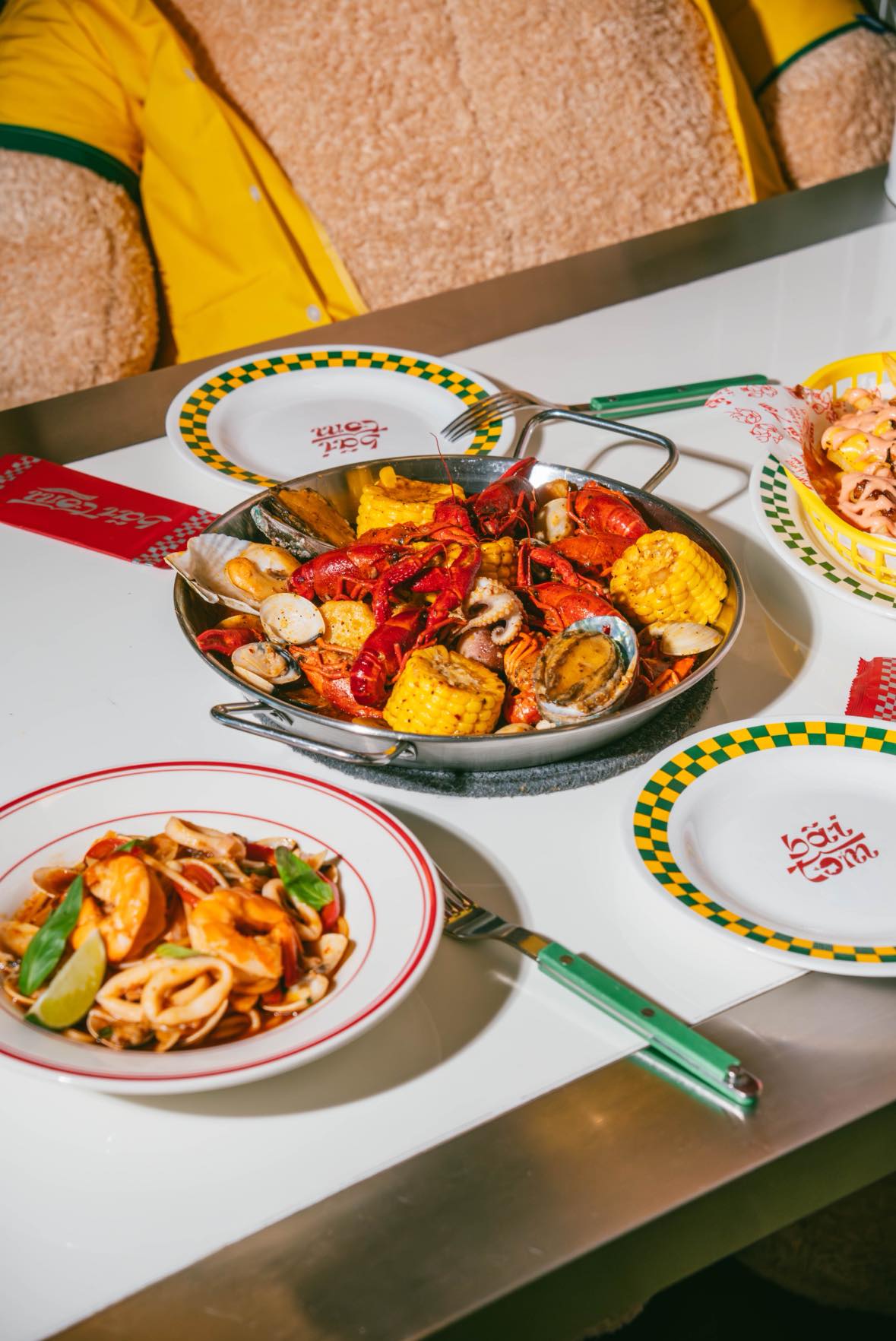
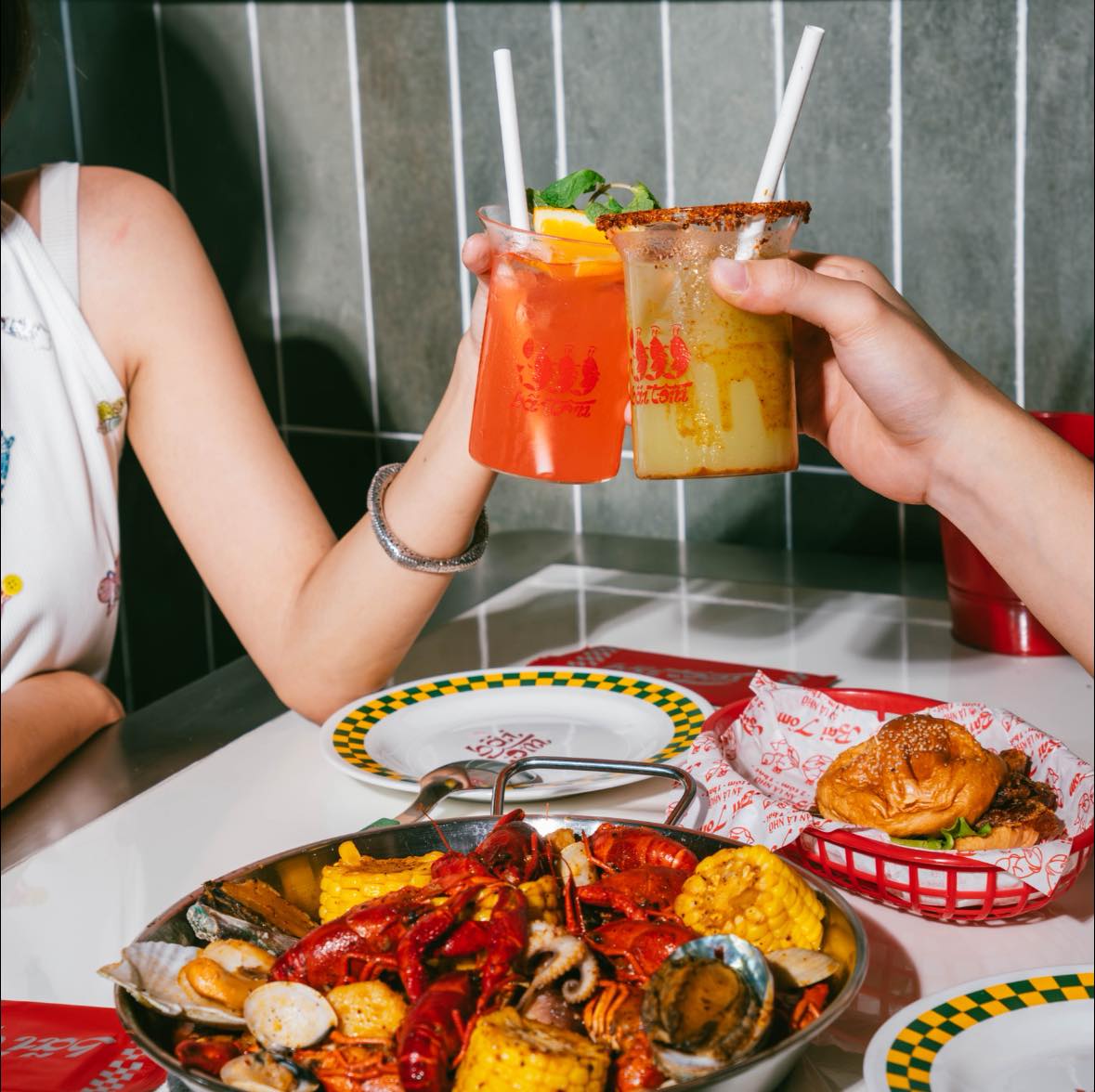
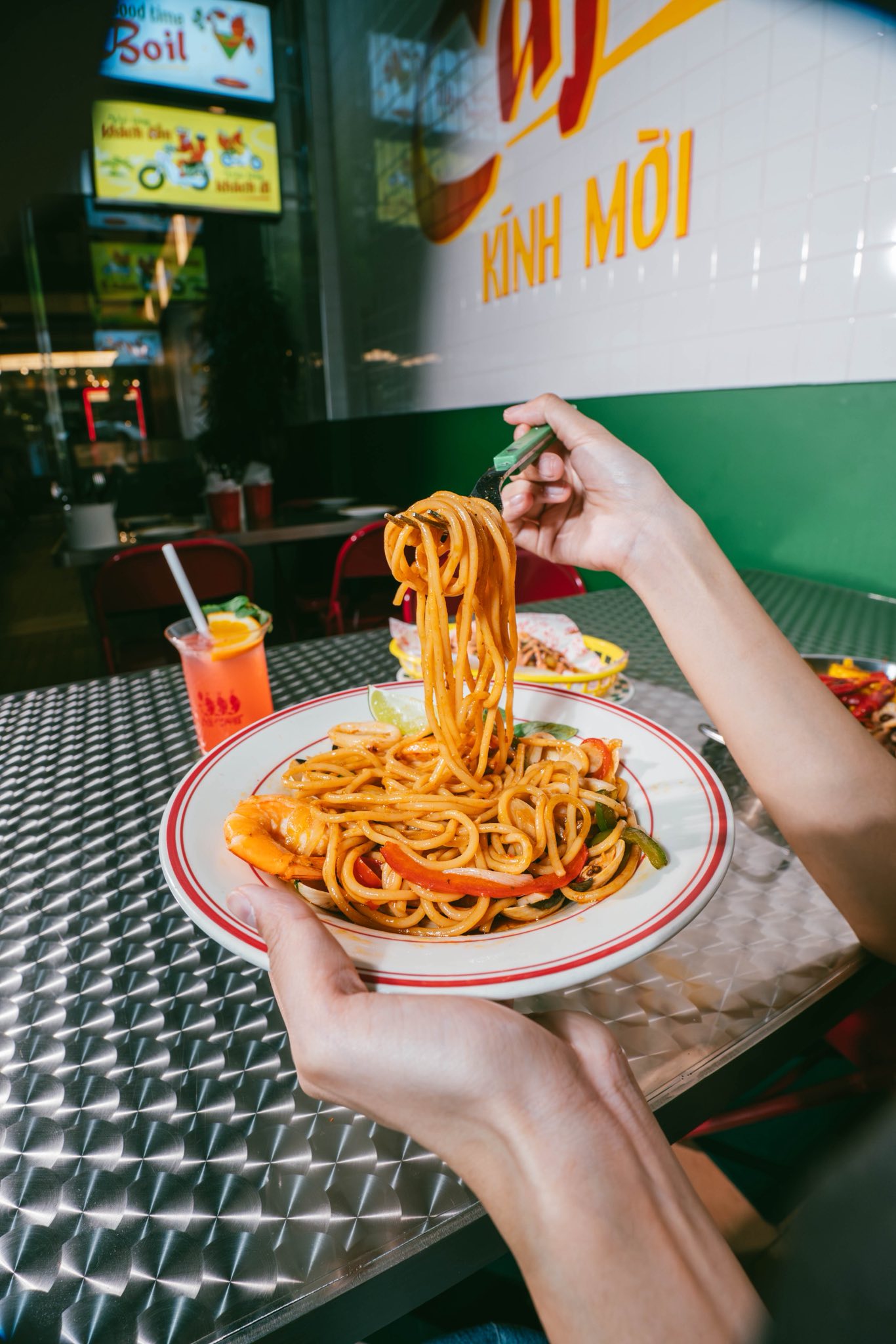
Bai Tom gained attention through its impressive branding and visuals
Remarkably, Bai Tom didn’t just sell food—it built a robust brand presence on TikTok. Each video was carefully crafted, from camera angles and lighting to music, making the dishes look irresistible even on a phone screen. Some videos garnered millions of views and thousands of comments.
The restaurant’s TikTok account amassed over 78,000 followers, a number few eateries can achieve. Thanks to this, Bai Tom became a familiar name among Hanoi’s food enthusiasts, especially the younger crowd. Thus, when the closure was announced, many were surprised and disappointed.
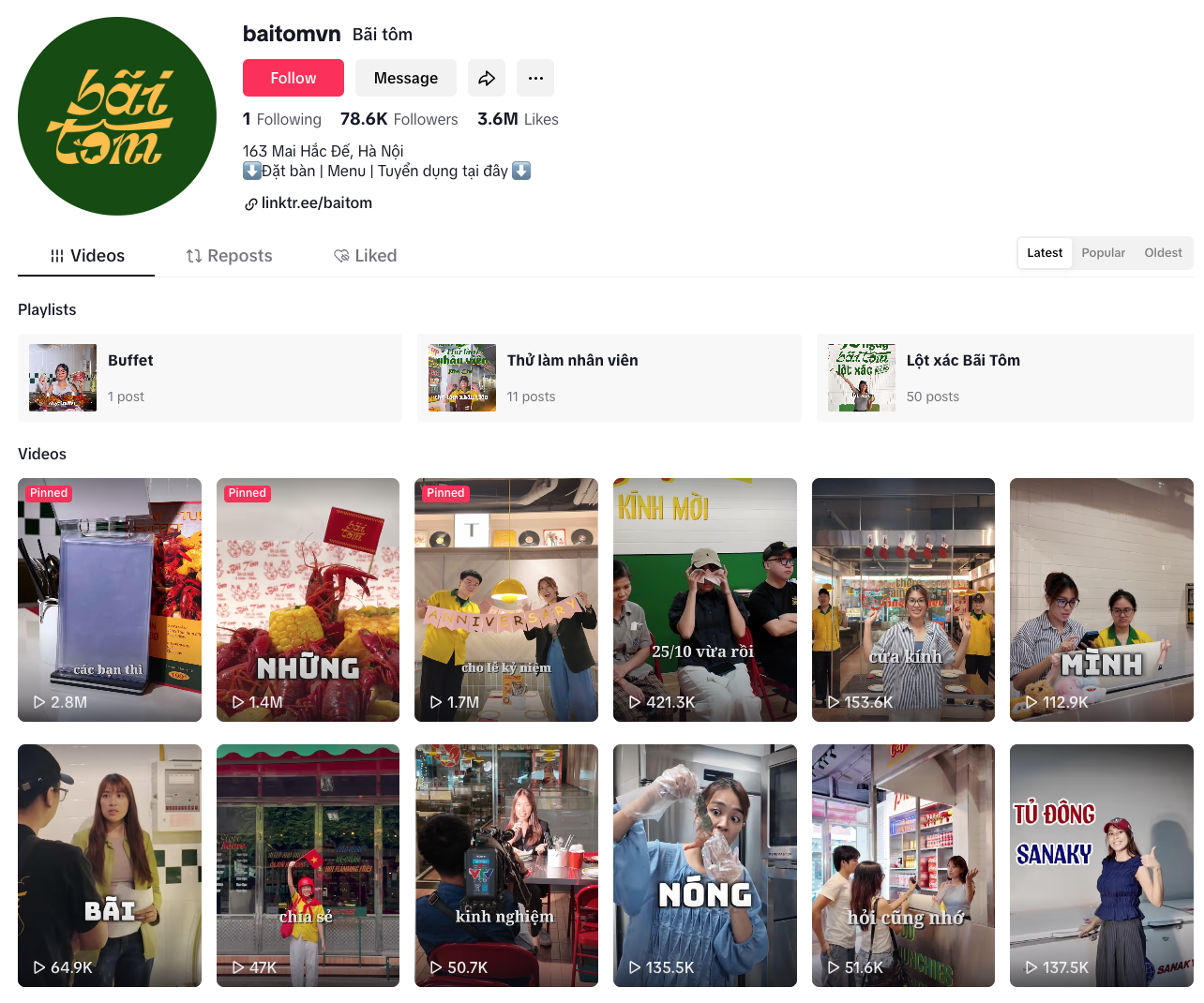
Bai Tom’s TikTok channel
Viral Yet Unsustainable: Why?
According to an official statement on Bai Tom’s TikTok, the restaurant ceased operations after October 25. In their farewell video, the owners candidly discussed the reasons behind this decision, shedding light on the paradox of going viral yet still closing down.


Bai Tom’s closure announcement
First, the F&B market is fiercely competitive. Bai Tom acknowledged being one of many establishments forced to exit the game recently, as operational costs, rent, and staffing expenses soared while purchasing power declined.
Second, the restaurant admitted to an initial misstep in product selection. While Cajun seafood is appealing, it remains a niche choice, not suited to the broader palate. Vietnamese diners, especially in Hanoi, often prefer familiar, easy-to-eat dishes with milder flavors that complement home-style meals.
Third, high rent and operational costs. Located centrally with a spacious, well-designed interior, the restaurant faced significant financial burdens. With sparse lunchtime customers, revenue couldn’t cover expenses, making the model unsustainable long-term.
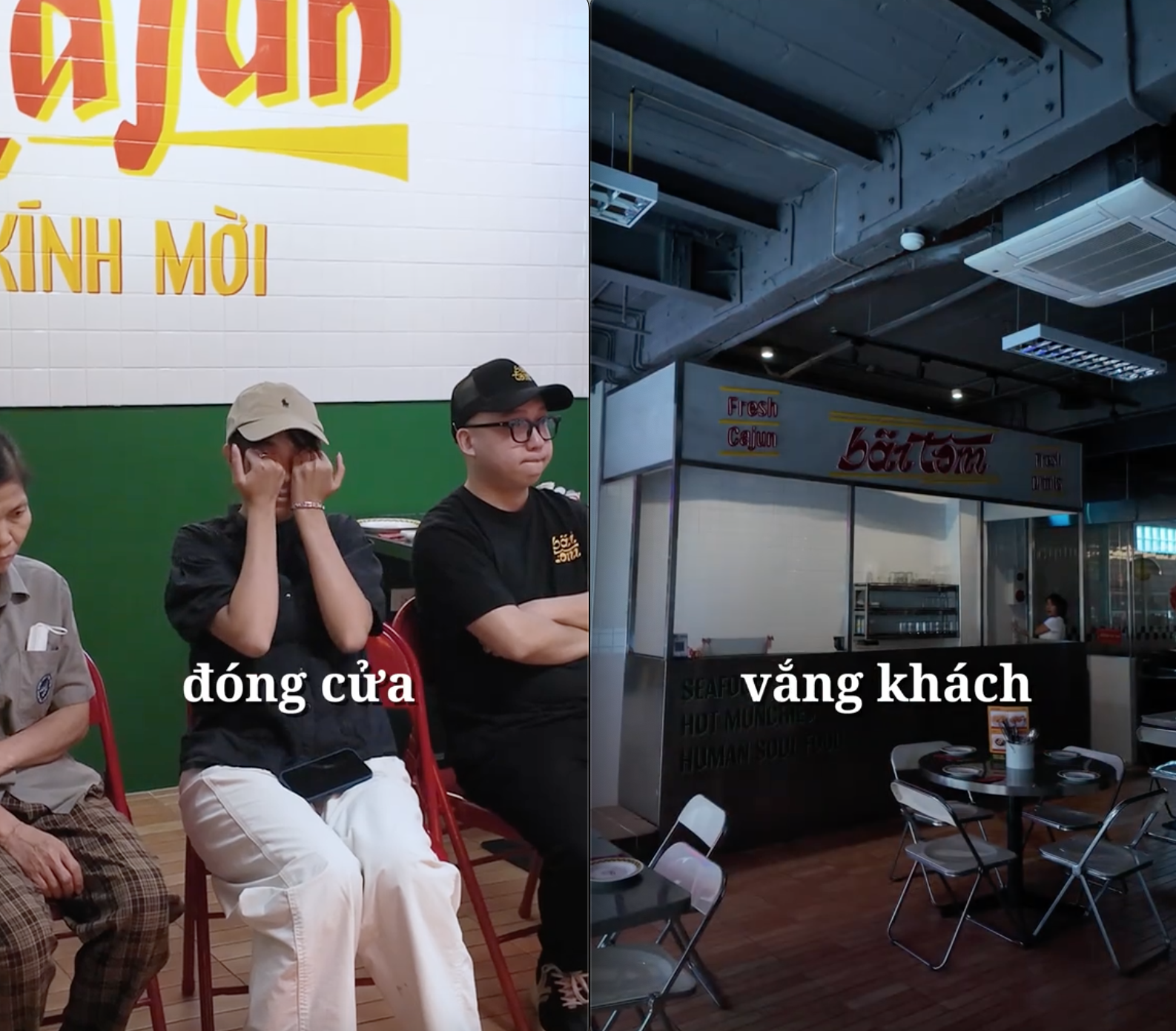
The restaurant’s reasons for closing
Following the closure announcement, Bai Tom’s video comments were flooded with opinions. Many expressed sympathy, while others offered candid feedback.
Some agreed that seafood wasn’t a lunchtime draw: “I don’t know about elsewhere, but in Hanoi, seafood restaurants only thrive after 6 PM… People don’t eat seafood during the day.”
Notably, many comments highlighted the mismatch between food quality and pricing, making it hard to retain customers:
– It’s not about being picky; the quality didn’t justify the price. A viral restaurant with satisfied customers would have repeat visits. Seafood buffets now cost around 500k-600k, while Bai Tom’s prices were comparable. Even crayfish buffets struggle to attract diners.
– True, the product quality wasn’t enough to retain customers.
– The target audience was young, but prices were too high. Importantly, consistent feedback like “bland, salty, not tasty” wasn’t addressed. Lunchtime emptiness wasn’t met with niche product adjustments. The core issue was an unsuitable key product without flexibility for change.
Additionally, many expressed regret, as Bai Tom had invested significantly in branding, creating a professional image on TikTok—a lesson worth learning.
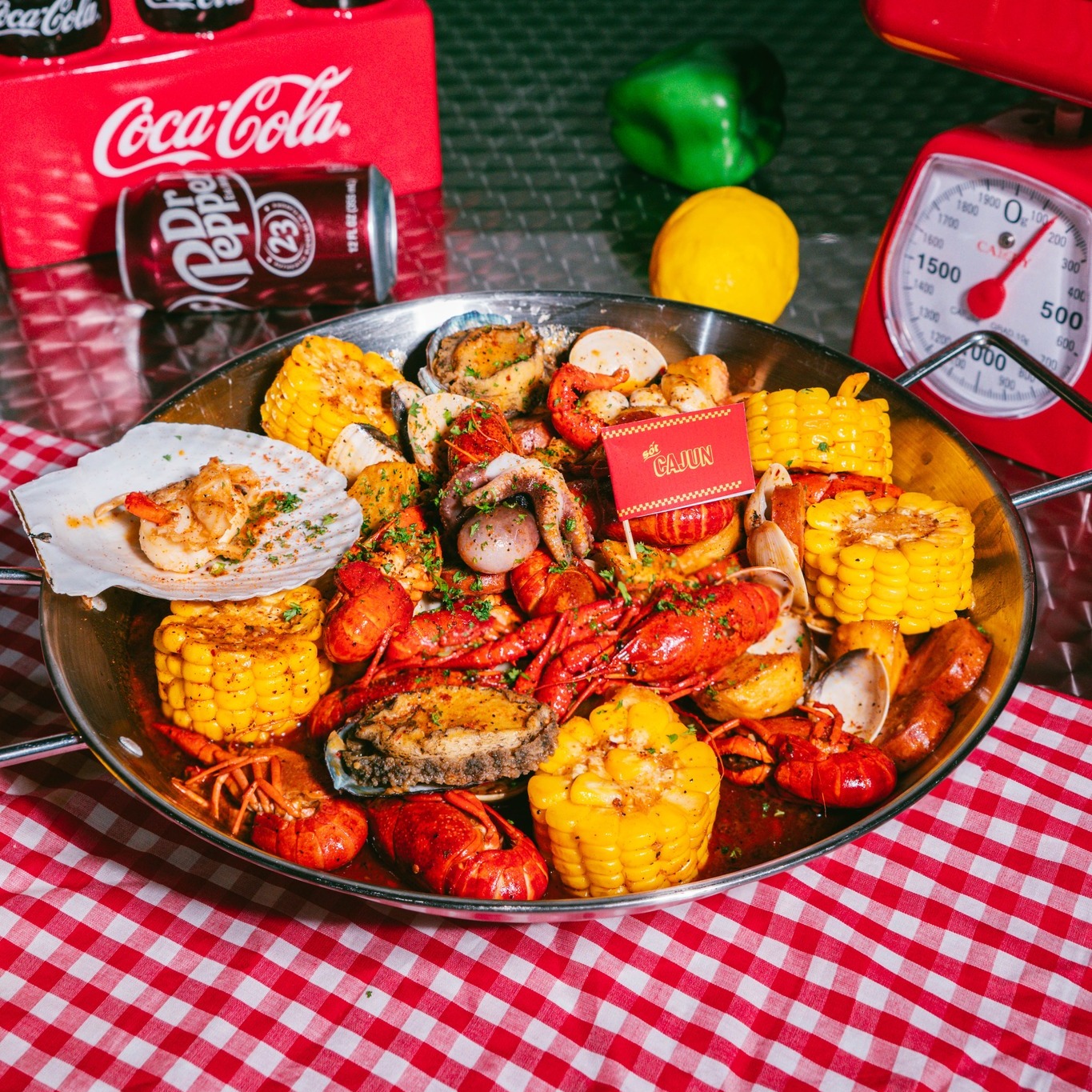
(Illustrative image)
Bai Tom’s story underscores a key lesson: virality doesn’t guarantee sustainability. A brand may gain traction through stunning visuals and million-view videos, but long-term survival depends on the actual product, customer experience, and a viable business model.
For businesses excelling in marketing, Bai Tom’s tale serves as a reminder: Virality may bring initial customers, but only great food and service will keep them coming back.
(Source: Bai Tom)