







The timeline for restricting gasoline-powered motorbikes in major Vietnamese cities, particularly Hanoi, has entered its final phase. Amid this, Japanese motorcycle manufacturers, including Honda, Yamaha, and Suzuki, have petitioned the Vietnamese government for an additional 2 to 3-year transition period. They cite the need for time to adjust production lines, distribution networks, and charging infrastructure for electric vehicles. This request follows the announcement of a new directive banning gasoline motorbikes within Hanoi’s Ring Road 1 starting mid-2026.
This situation reveals a complex landscape: on one side, environmental policies planned nearly a decade ago, and on the other, the practical challenges of transitioning a billion-dollar industry that employs hundreds of thousands in Vietnam.
Policy Established in 2017: No Surprises, Just Implementation Time
On July 4, 2017, the Hanoi People’s Council issued Resolution 04/2017/NQ-HĐND, approving the “Plan to Enhance Management of Road Vehicles to Reduce Traffic Congestion and Environmental Pollution for 2017-2020, Vision to 2030.” This document outlined a phased restriction of motorbikes in inner districts, aiming to halt their operation in central districts by 2030, alongside developing public transport. This marked the first clear policy roadmap for green transportation.
Eight years later, in July 2025, the government issued Directive 20/CT-TTg, mandating Hanoi to ban gasoline motorbikes within Ring Road 1 from July 1, 2026. By 2028, restrictions will expand, and by 2030, the city aims to eliminate gasoline motorbikes in central districts. This is no surprise; the policy message has long been clear, and now it’s time to act.
Hanoi People’s Committee Chairman Trần Sỹ Thanh confirmed to the press that “the city will not alter the motorbike restriction timeline,” adhering to the 2017 plan. This provides a clear legal foundation for both citizens and businesses to plan long-term.
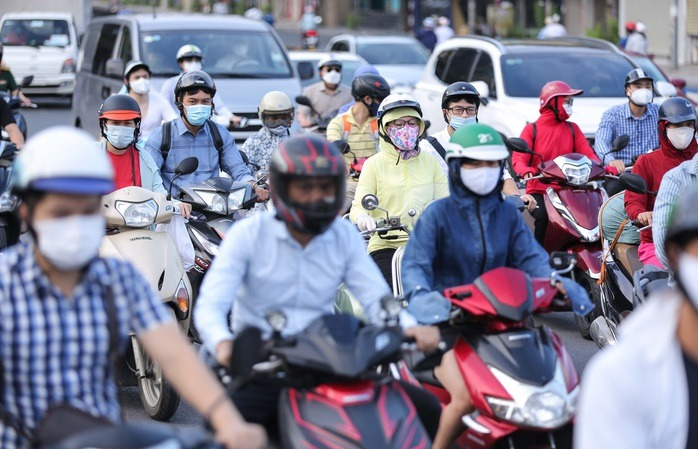
The policy, established in 2017, provided an 8-year preparation period for all manufacturers.
A $4.6 Billion Motorbike Market: A Major Shift Underway
According to Mordor Intelligence data cited in Vietnamese media, the 2025 motorbike market is valued at approximately $4.6 billion, with ownership rates nearing 80% of the population. This makes it one of the world’s largest two-wheeler markets. However, consumer trends are shifting: urban dwellers are increasingly interested in green vehicles, particularly electric motorbikes, as policies and public infrastructure expand.
Honda currently dominates Vietnam’s two-wheeler market with an 80% share, but most of its products are gasoline-powered. Reuters data shows Honda’s Vietnam sales dropped 22% in August 2025 following the gasoline ban announcement, continuing a double-digit decline year-over-year. Though sales slightly recovered, this reflects changing consumer sentiment and market pressure.
Meanwhile, domestic electric vehicle makers like VinFast are capitalizing on this transition. In Q2 2025, VinFast’s electric motorbike and e-bike sales surged 55% from Q1, reaching nearly 70,000 units. This shift highlights the market gap traditional players risk missing if they fail to adapt.
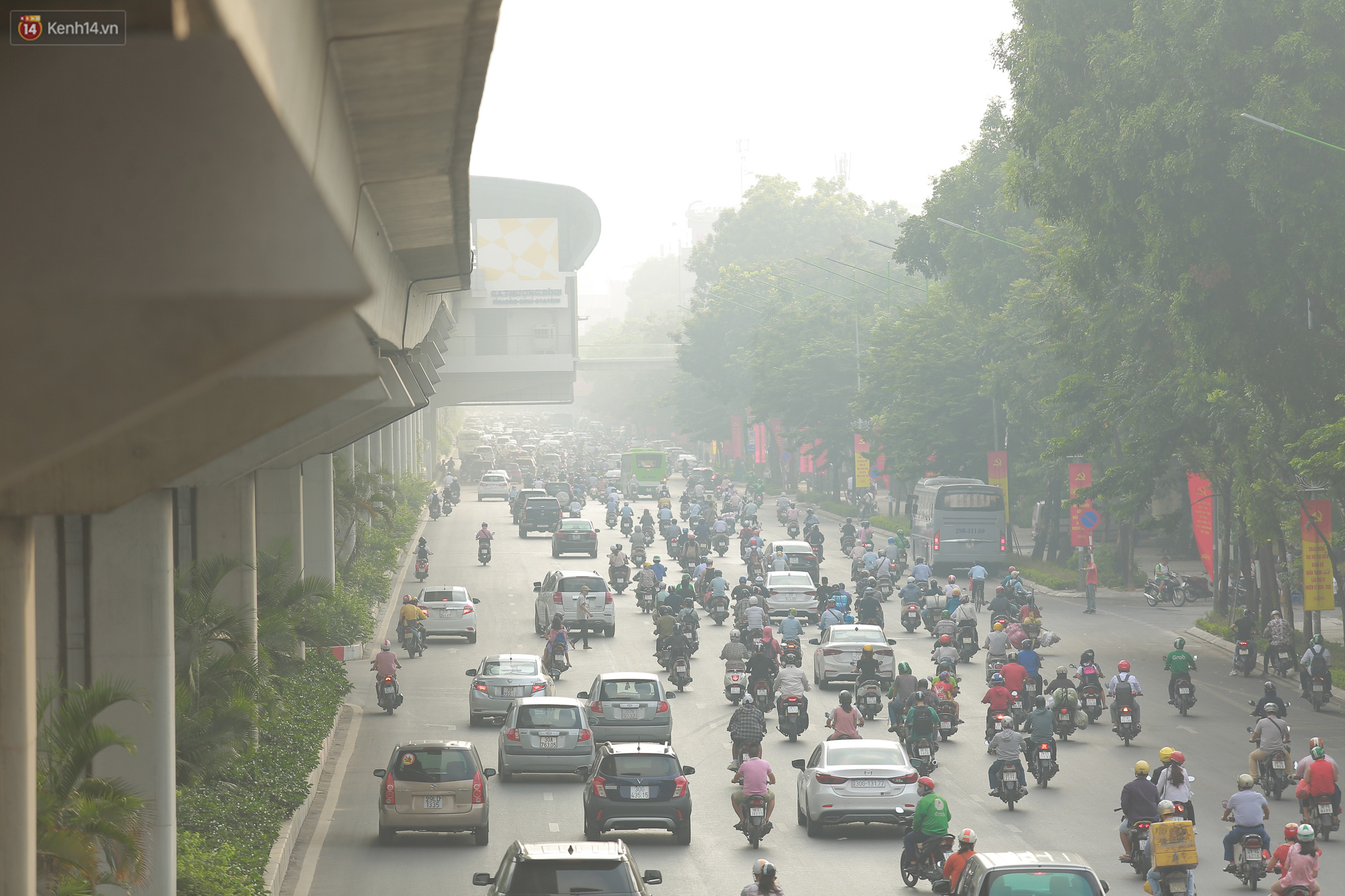
Vietnam’s government has repeatedly emphasized that reducing pollution and achieving net-zero emissions are international commitments, with green transportation policies as a key strategy.
Businesses Request “More Time”
In a petition to Vietnam’s government, the Japanese Embassy and business associations expressed concern that a sudden gasoline motorbike ban could impact hundreds of thousands of jobs in the supporting industry, including dealers, parts suppliers, and service chains. They argue that a minimum 2-3 year extension is needed for manufacturers to adjust production lines, expand charging infrastructure, and standardize technical safety before widespread implementation.
This argument seems grounded in reality: transitioning to electric vehicles involves more than production—it requires building new supply chains, training technicians, and changing business models across nearly 2,000 dealers and hundreds of parts suppliers. Not all businesses can achieve this overnight.
However, many environmental and transportation experts question why these transition plans weren’t initiated earlier, given the policy’s existence since 2017. Requesting a 2-3 year extension now places pressure on the nation’s overall timeline.
Technically, a 2-3 year buffer could ensure a smoother transition. Many countries implement grace periods during vehicle transitions to harmonize technical standards, charging infrastructure, workforce training, and consumer communication. This is especially crucial for large enterprises like Honda.
Yet, the key is that this buffer must come with clear conditions. If it’s a technical mechanism to help businesses complete their new value chains, it’s worth considering. But if it delays policy implementation, it contradicts the decade-long effort to combat air pollution.
Vietnam’s government has consistently stressed that reducing pollution and achieving net-zero emissions are international commitments, with green transportation as a core strategy.
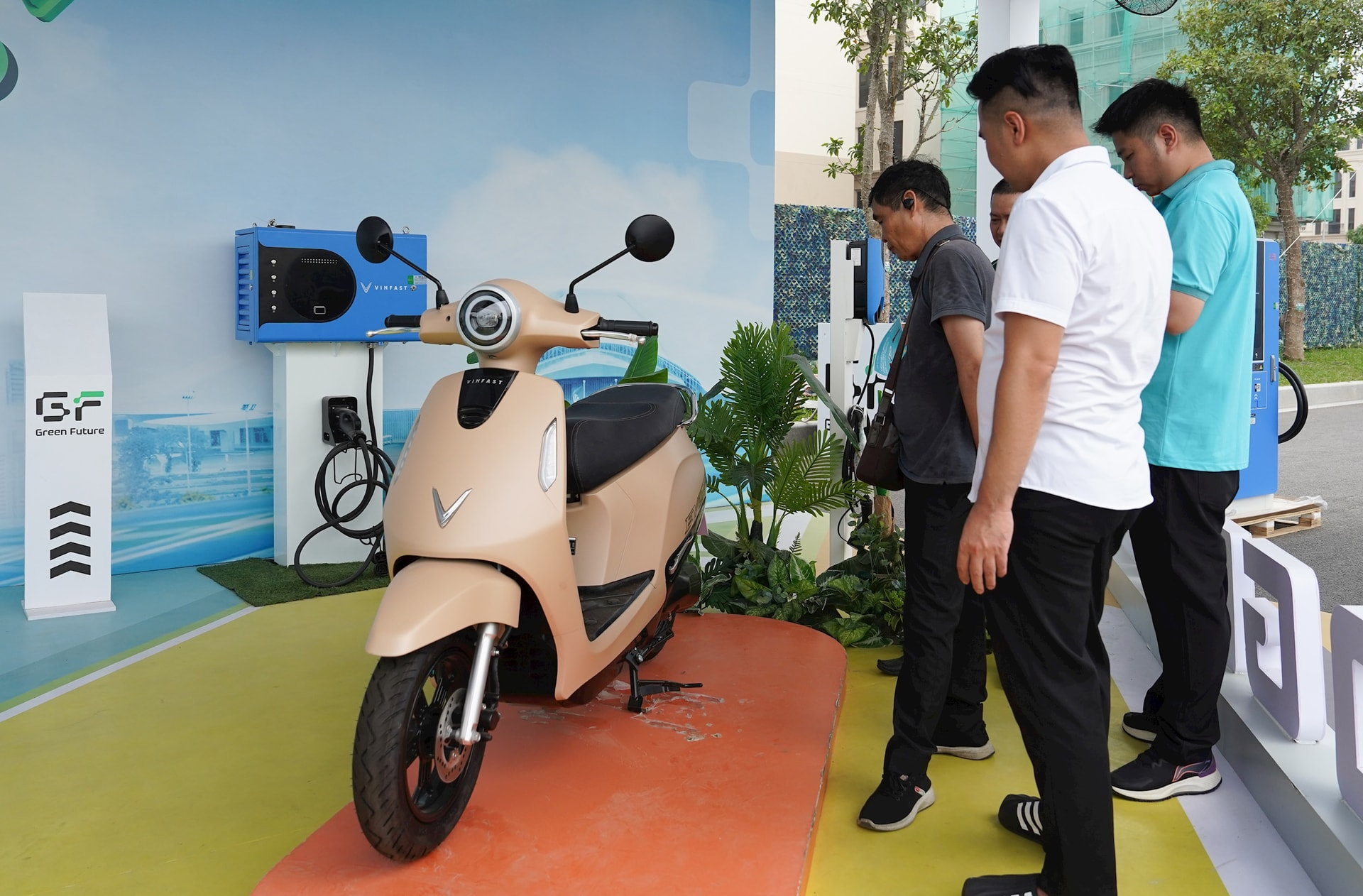
In Q2 2025, VinFast’s electric motorbike and e-bike sales rose 55% from Q1, reaching nearly 70,000 units.
Shared Responsibility: Government Tightens, Businesses Must Act
For a policy like restricting gasoline motorbikes to succeed without social shock, both the state and businesses must play their part. The state must prepare public transport infrastructure, charging/battery swapping systems, vehicle conversion incentives, and support for affected workers. Businesses, especially large corporations, must act early to invest in technology transitions, diversify products, and support consumers.
Realistically, the market doesn’t stand still. When a major player delays, competitors fill the void. The growth of VinFast and other electric motorbike brands like Yadea and DatBike is a clear example. With policy set and consumers shifting, delay can turn market leaders into followers.
Maintain Policy Core, Flexibility in Execution
Eight years after the roadmap’s announcement and less than two years before the gasoline motorbike ban in central Hanoi, the message is clearer than ever: the policy won’t change. What can be flexible is execution, including technical transition phases, support for vulnerable groups, and transparent mechanisms for businesses to adjust.