The Thai Food and Drug Administration (Thai FDA) has issued a warning regarding Hong Thai nasal inhaler oil after detecting microbial contamination violations.
According to the Thai FDA’s website, the agency conducted a random inspection at the manufacturing facility of Hong Thai Panich Herbal Products.
Samples were sent to the Department of Medical Sciences for quality testing. Results revealed that the batch produced on December 9, 2024, with an expiration date of December 8, 2027, failed microbial standards, including elevated levels of aerobic bacteria, yeast, mold, and notably, Clostridium—a bacterium that can cause various degrees of poisoning.
Hong Thai nasal inhaler oil is marketed as containing herbal and essential oil ingredients such as peppermint, angelica, camphor, and borneol, promising a cooling sensation upon inhalation to relieve nasal congestion, headaches, motion sickness, and stress.
In Vietnam, the product is widely sold on e-commerce platforms like Shopee, Lazada, TikTok Shop, and Facebook, priced between 45,000 and 55,000 VND per jar. Some stores report over 100,000 units sold.
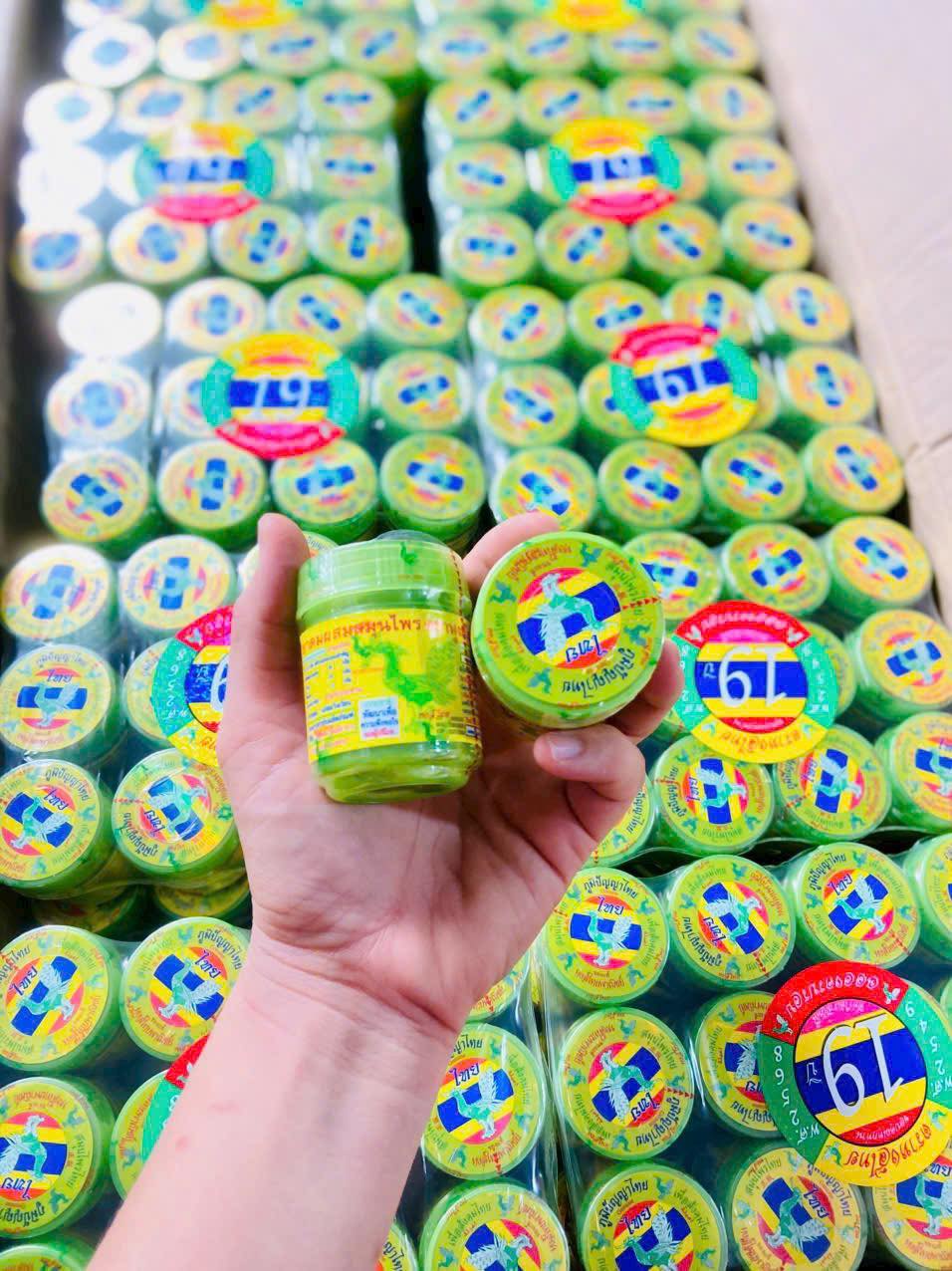
Hong Thai nasal inhaler oil widely available online
In a statement to Người Lao Động newspaper, a Shopee representative confirmed they are investigating the issue. Other platforms like Lazada and TikTok Shop have yet to respond.
Consumers describe Hong Thai inhaler as a “national favorite,” often purchased as a souvenir when traveling to Thailand.
However, news of the product’s bacterial contamination has shocked and concerned many Vietnamese consumers who have used it long-term. “The inhaler is almost indispensable at work, but hearing about the toxic bacteria is terrifying—I’m too scared to use it anymore,” shared Ms. Nguyễn Thị Thu Hằng, an office worker in Ho Chi Minh City.
Ms. Thanh Thảo, also from Ho Chi Minh City, mentioned using Hong Thai inhaler for over three months, consuming approximately five jars. “I’m extremely worried after learning about the toxic bacteria. I stopped using it immediately this morning, even though it helped me relax during stressful work,” she said.
Some users noted they purchased the product due to its popularity but experienced nasal irritation and discontinued use early, now feeling fortunate for doing so.
Breaking News: Popular Herbal Nasal Inhaler “Hong Thai” Found Contaminated with Harmful Bacteria
According to Thailand’s Food and Drug Administration, Hong Thai Formula 2 herbal inhaler jars have been found contaminated with microorganisms exceeding safety standards, prompting an urgent warning for consumers to discontinue use immediately.
iPhone Air: Vietnamese Critics, Chinese Enthusiasts

While the iPhone Air sold out within minutes of its launch in China, Vietnamese consumers have shown little interest in this ultra-slim iPhone model. Its modest specifications, high price tag, and lack of appeal compared to the Pro Max series have failed to captivate the local market.
Vietnamese Spend Nearly VND 52 Billion on 800,000 Mooncakes Purchased Online in One Month
Mooncake sales online are thriving, with the highest demand in the price range of 10,000 – 100,000 VND per piece. In just one month, revenue from four major e-commerce platforms reached an impressive 51.7 billion VND.
Mooncake Sales Surge: E-commerce Platforms Generate Over 51 Billion VND in Revenue, Nearly 800,000 Units Sold in One Month

In addition to in-store purchases, Vietnamese consumers are increasingly turning to e-commerce platforms to buy mooncakes.
Top High-Clearance Vehicles Dominating Vietnam’s Market Today

Over 50% of car sales from VAMA member companies are SUVs and Crossovers, a clear testament to Vietnamese consumers’ growing preference for versatile, high-clearance vehicles.