According to the announced plan, VinFast is set to deliver the first batch of its compact EC Van electric trucks in November. As the delivery date approaches, more real-life photos of the vehicle are surfacing on social media, accompanied by previously undisclosed details.
In a recent series of images, a photo of the battery specifications reveals that VinFast has made adjustments compared to the initially announced information.

An image purportedly showing the battery specifications of the VinFast EC Van.
Specifically, the specifications reportedly belonging to the VinFast EC Van indicate a battery capacity of up to 18.64 kWh, surpassing the previously announced figure.
Publicly available information states that the VinFast EC Van utilizes a 17 kWh LFP battery, capable of charging from 10% to 70% in 42 minutes at a maximum charging power of 19.4 kW. On a full charge, the vehicle can travel over 150 km under the NEDC standard.
With a higher-capacity battery pack, the vehicle’s range per charge may increase; however, charging times could also extend if the maximum charging power remains unchanged. VinFast has yet to provide specific details, though it may offer this as a complimentary upgrade, similar to its previous approach with the Minio Green.
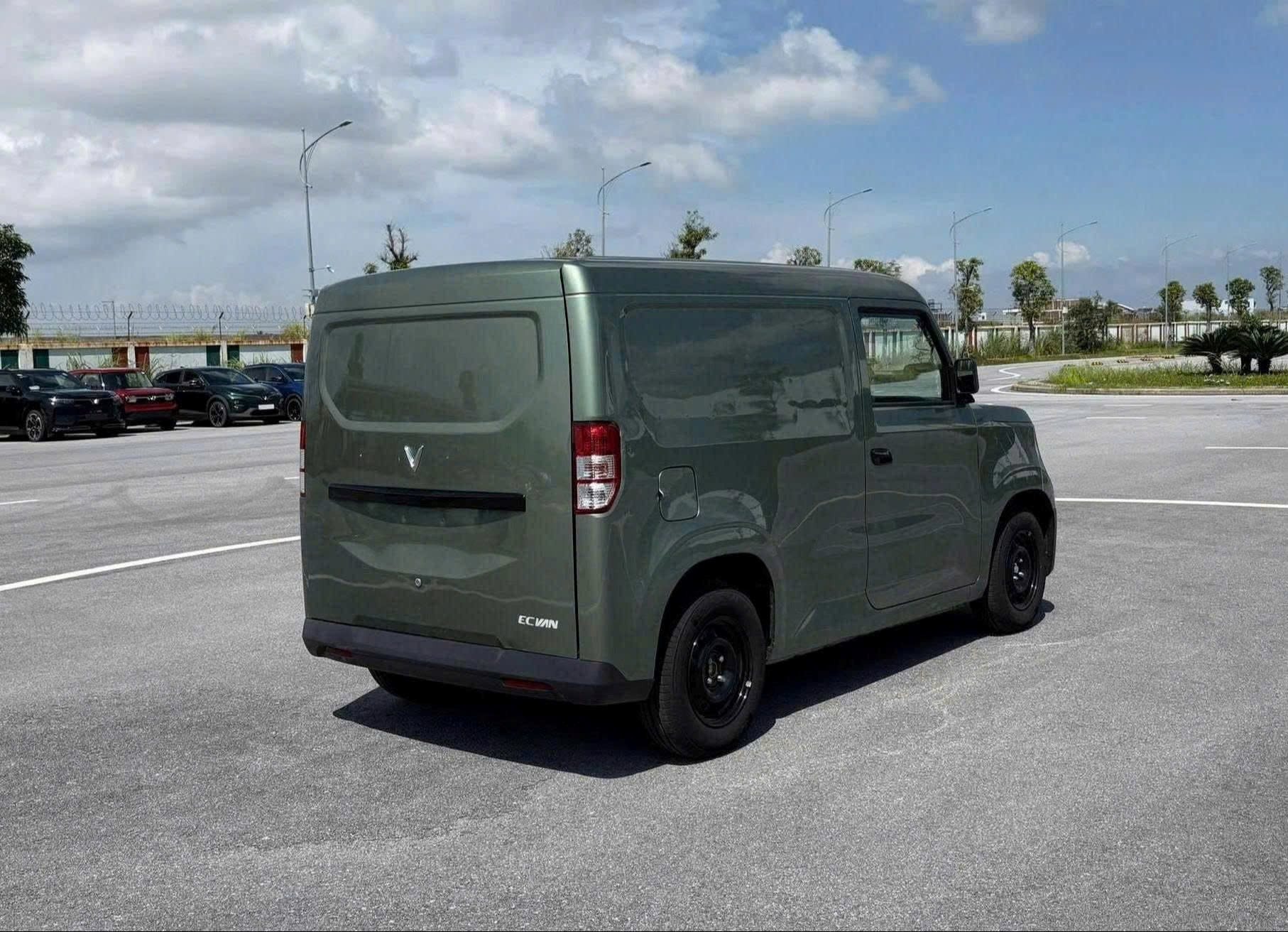
Real-life images of the VinFast EC Van are becoming increasingly common.
Within VinFast’s product lineup, the EC Van is the first model specifically designed for cargo transportation, complementing its range of passenger vehicles.
Officially unveiled in mid-May, the EC Van boasts a compact design with a length under 3.8 meters and a width of 1.68 meters. It offers a cargo capacity of approximately 2,600 liters and a payload exceeding 600 kg, making it ideal for urban freight transport.
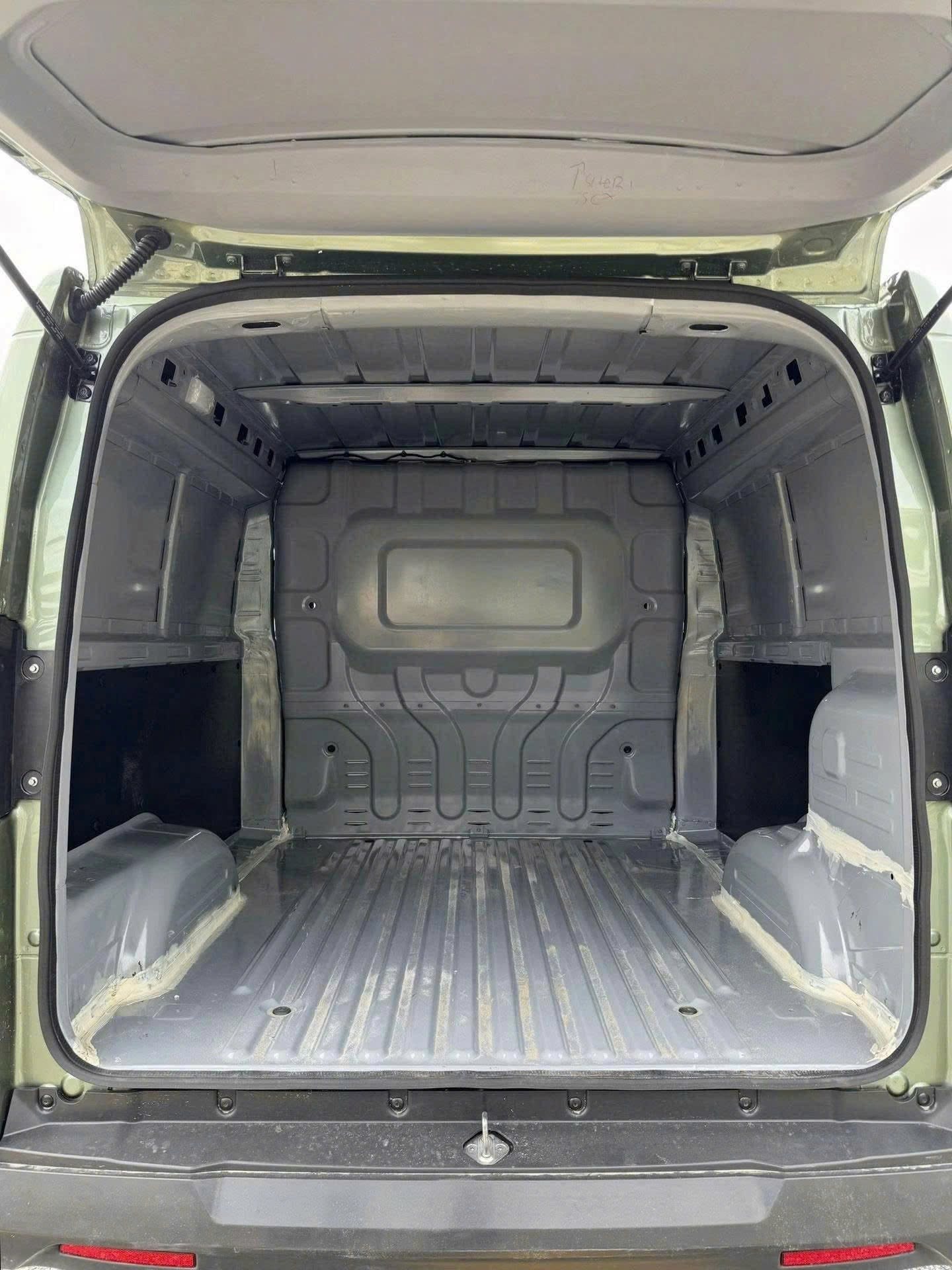
A close-up of the cargo area in the VinFast EC Van.
The vehicle features two front seats and a dedicated cargo area at the rear, targeting small businesses, entrepreneurs, and urban delivery services.
Priced at approximately 285 million VND, inclusive of the battery, the EC Van is being hailed by experts as a viable business option in the electric vehicle era.
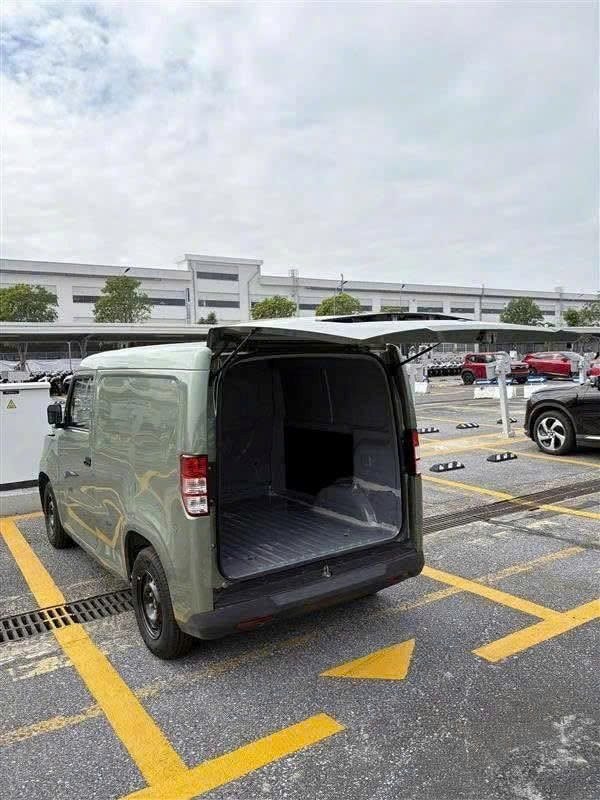
The VinFast EC Van features a rear hatch but no side doors.
One of the standout features of the VinFast EC Van is its array of essential safety systems, including ABS, electronic brakeforce distribution (EBD), and traction control (TCS). Combined with the simplicity of electric vehicle operation, the EC Van is easy to drive and user-friendly, unlike traditional internal combustion engine trucks that often require manual transmissions.
Mr. Nguyễn Văn Thanh, CEO of Xanh SM, believes that the urban transportation market remains an untapped goldmine. He notes that while VinFast and other manufacturers have focused on electric motorcycles, personal electric cars, and electric buses, the demand for urban cargo transport has been largely overlooked.
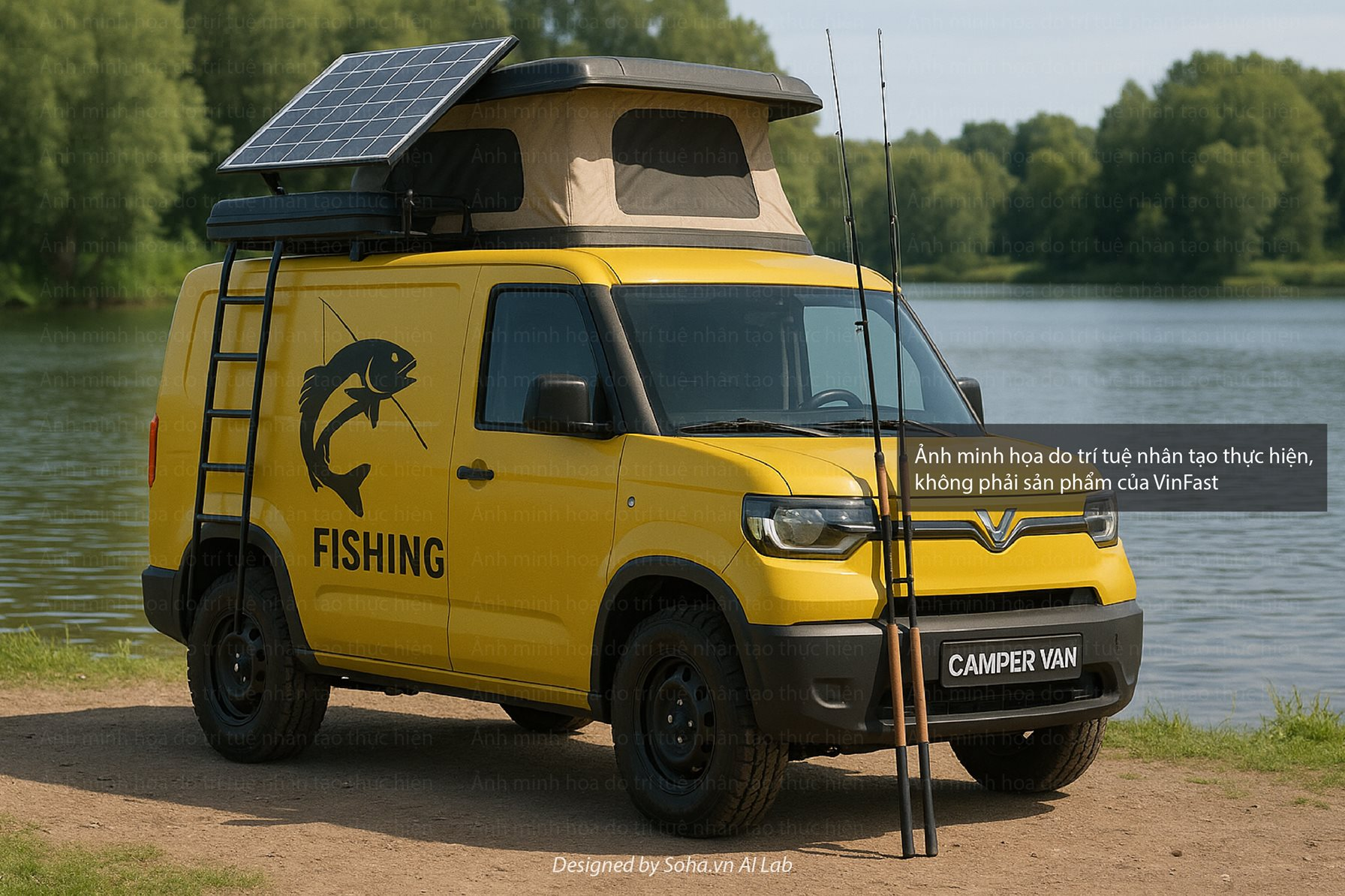
Not only business customers but also individual buyers are showing interest in the VinFast EC Van, with some planning to convert it into a camping vehicle.
CEO Nguyễn Văn Thanh emphasizes that the VinFast EC Van is more than just a vehicle; it’s an extension for small businesses and entrepreneurs, enabling fast, flexible, and eco-friendly delivery solutions.
Beyond its primary transport function, many individual users have shared creative ideas for the EC Van. One popular concept is converting it into a camping vehicle.
Breaking: Vingroup Granted 6,300 Hectares of Free Land in Congo for Mega Riverside Urban Project

On October 25th, the Kinshasa Capital Authority in the Democratic Republic of the Congo and Vietnam’s Vingroup signed a Memorandum of Understanding (MoU) to collaborate on the research and development of large-scale urban projects and green transportation initiatives in Congo.
Exclusive First Look: Unveiled VinFast Affordable New Car, Delivery Next Month – Featuring Unseen Design Details
VinFast’s new electric vehicle has been unveiled, shedding its camouflage wrap and revealing its sleek design to the world.
VinFast’s New $12,000 Electric Car Fully Unveiled for the First Time, Deliveries Set for November 2025
Unveiled for the first time without camouflage, VinFast’s electric truck prototype reveals striking, real-world design elements, poised to redefine the urban delivery segment as early as November.
VinFast’s Brand-New Model Hits the Road in a Surprising Debut

This marks the first time this VinFast model has been spotted in real life.
“Agribank: Partnering with Vietnam to End Substandard Housing.”

“The eradication of temporary housing has been a key policy of the Government and the Party, aiming to ensure social welfare for all. Over the years, this initiative has been vigorously directed by the Party, the Government, and various ministries, sectors, and localities. According to statistics, there were once hundreds of thousands of temporary and dilapidated houses, but as of August 2025, only 600 remain across the country.”