The Department of Agriculture and Environment of Ho Chi Minh City (HCMC) has issued Document No. 10318 to the HCMC People’s Committee regarding the development of the first land price list for HCMC, to be implemented from January 1, 2026, following a streamlined procedure.
According to the Department, they are currently requesting wards, communes, special zones, the HCMC Tax Department, local tax offices, the HCMC Land Registration Office, branches, and relevant agencies to urgently provide land price data for roads, planned routes, and resettlement projects.
Based on this data, the Department will compile, calculate, and adjust proposals for the land price list applicable from January 1, 2026. The draft will be submitted to the Vietnam Fatherland Front Committee of HCMC and published on the HCMC Information Portal for public feedback from agencies, organizations, and citizens.
Subsequently, the Department will consolidate feedback, submit it to the Land Price Appraisal Council for review, and forward it to the Department of Justice for legal compliance evaluation. The final report, including the draft land price list, will be submitted to the HCMC People’s Committee for approval by the HCMC People’s Council.
To meet the deadline for developing and submitting the first land price list, the Department proposes that the HCMC People’s Committee approve the streamlined procedure under Article 50 of the Law on Promulgation of Legal Documents.
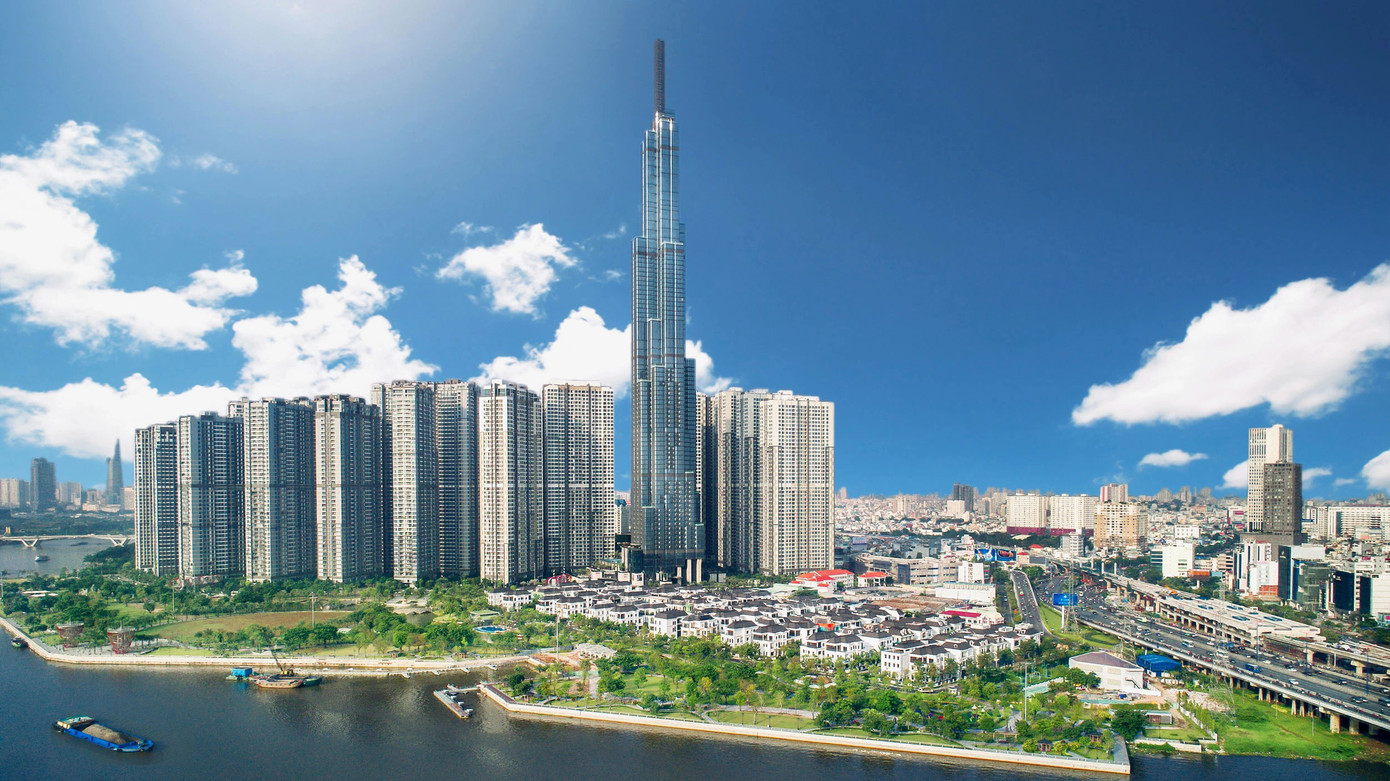
HCMC is requesting units to provide land price data for roads, planned routes, and resettlement projects to develop the land price list.
Previously, the HCMC People’s Committee approved the project to develop the first land price list for HCMC, effective from January 1, 2026, as per Article 159, Clause 3 of the 2024 Land Law.
HCMC is conducting a comprehensive land price survey to establish a unified land price list. This will serve as a critical basis for calculating taxes, fees, and managing the real estate market, directly impacting investment, construction, and transactions.
The project will focus on surveying and collecting land price data for individual plots, based on value zones and standard plots. It will classify land types, areas, and positions in each ward and commune; categorize and count land plots; and analyze the current land price list to formulate a new one.
Value zones will be established, standard plots selected, and specific prices determined. A comparison ratio table will be created to form a detailed price list. The survey will cover all of HCMC, with wards and communes as the primary units. Results at the ward/commune level will be aggregated for HCMC.
Each road segment will have three survey forms completed by local authorities. In addition to existing roads in the current price list, consultants will survey new roads to ensure accurate data.
HCMC will deploy approximately 27,000 survey forms across 7,505 road segments. The project, with a budget of over 16.2 billion VND, will run from August to December 2025, ensuring the unified land price list is implemented by January 1, 2026.
Until then, HCMC will continue using three existing decisions: Decision No. 79/2024/QĐ-UBND for pre-merger HCMC, Decision No. 63/2024/QĐ-UBND for former Binh Duong, and Decision No. 26/2024/QĐ-UBND for former Ba Ria – Vung Tau, until the end of 2025.
Since the 2024 Land Law took effect on July 1, the land price list will be updated annually. Using the old price list until the end of this year aligns with the transitional provisions in Article 144, Clause 1 of the law. The land price list is the basis for calculating taxes, registration fees, land use fees, and compensation when the state acquires land.
Over 58,000 Condominium Units in Ho Chi Minh City Still Without Land Use Rights Certificates
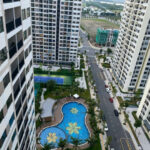
According to HoREA, Ho Chi Minh City currently has over 58,000 apartments without land-use rights certificates, primarily due to developers failing to fulfill their obligations to pay land-use fees.
“Less Than a Year Later: Real Estate Tycoons Lê Thanh Thản and Đỗ Anh Dũng Reemerge with Ambitious Projects – Will Former FLC Chairman Trịnh Văn Quyết Return to the Business Arena?”

Amidst the recent developments at FLC, following the completion of legal obligations by its former Chairman, Trịnh Văn Quyết, investors are closely watching the company’s next moves with heightened interest.
Surge in Capital Flows into Real Estate
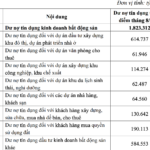
The Ministry of Construction reports that as of August 31, outstanding real estate credit stands at approximately 4.1 trillion VND. Additionally, the total value of issued bonds has surged by 44% compared to the same period in 2024.
Only 9% of Apartments in Ho Chi Minh City Are Priced Below VND 3 Billion
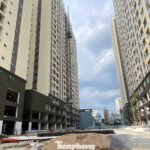
The Southern apartment market is experiencing a stark polarization. In Ho Chi Minh City, apartments priced under 3 billion VND account for a mere 9% of total transactions. Conversely, in neighboring provinces, these affordably priced units dominate, representing over 60% of all deals.
Unusual Developments in Once-Hot Land Plots in Dong Nai, Hung Yen, Bac Ninh, and Ninh Binh

According to the Ministry of Construction, regions such as Dong Nai, Hung Yen, Bac Ninh, and Ninh Binh, after experiencing a “feverish” period earlier this year, have now returned to a stable state. The majority of transactions are genuine purchases, catering to either residential needs or long-term investment goals.