











Vietnamese blue crab is emerging as one of the most promising seafood exports in the global market. With abundant raw materials from the South Central Coast and Mekong Delta regions, coupled with decades of expertise in seafood processing, Vietnamese crab products are gaining popularity in high-end markets. Currently, over 93 Vietnamese companies are engaged in crab and blue crab exports.
In particular, Vietnam’s ready-to-eat crab products, cooked crab meat, and canned crab are highly regarded for their consistent quality, natural flavor, and compliance with traceability standards. As global consumers increasingly favor convenient and nutrient-rich foods, Vietnamese blue crab is poised to expand its market share and solidify its position in the global seafood industry.
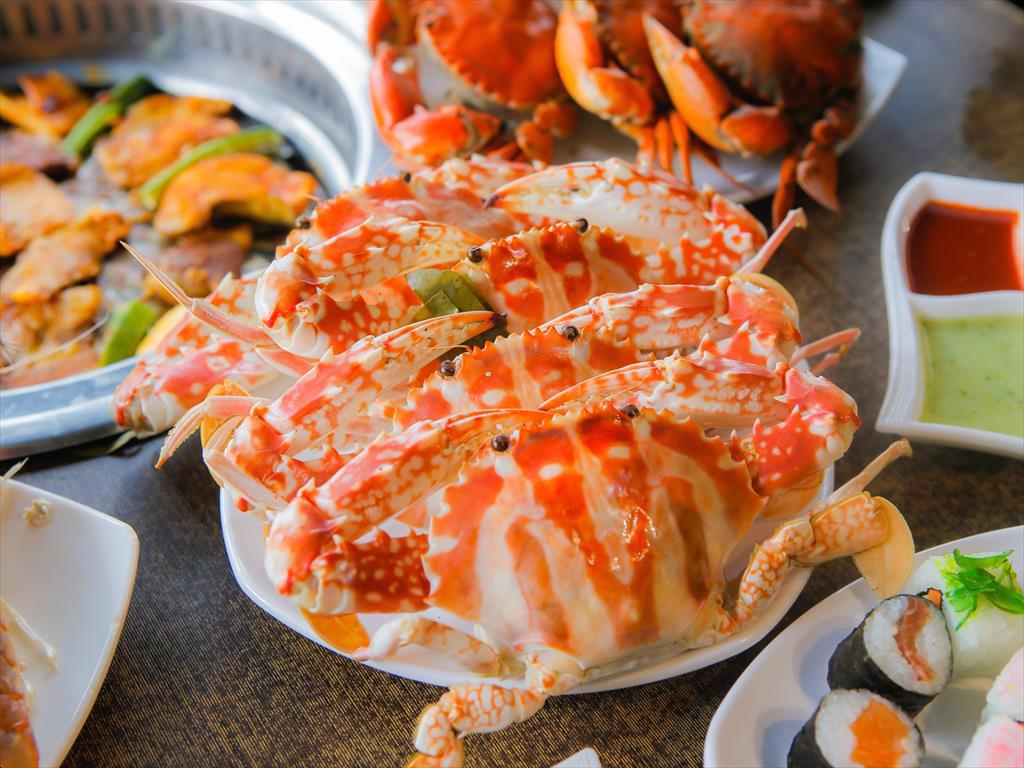
According to Vietnam Customs, in the first 9 months of 2025, Vietnam’s blue crab exports reached nearly $58 million, a modest 1% increase compared to the same period in 2024. Despite the slight growth, this is a positive sign, offering significant potential for Vietnam’s processed crab products.
The United States remains the primary market, with exports exceeding $46 million, a 5% increase year-over-year, accounting for approximately 80% of Vietnam’s total export value. However, growth has slowed due to high prices, rising logistics costs, and intense competition from Indonesia and the Philippines. Nonetheless, cooked crab meat and canned crab remain flagship products in the U.S. market, favored in restaurants and retail sectors.
The EU and CPTPP markets are emerging as new growth drivers. Exports to the EU surged by 161%, reaching over $2 million, with France leading the bloc at a 208% increase. Exports to CPTPP countries rose by 28%, with Australia seeing a remarkable 280% jump in September, driven by high demand for premium frozen and convenient crab products.
In contrast, Asian markets experienced significant volatility. Exports to China declined by 55%, and Hong Kong (China) by 7%, primarily due to weak purchasing power and stricter quarantine regulations as China’s domestic supply from local fishing increased. South Korea also saw a 17% drop, reflecting dietary shifts toward cheaper alternatives like shrimp and fish.
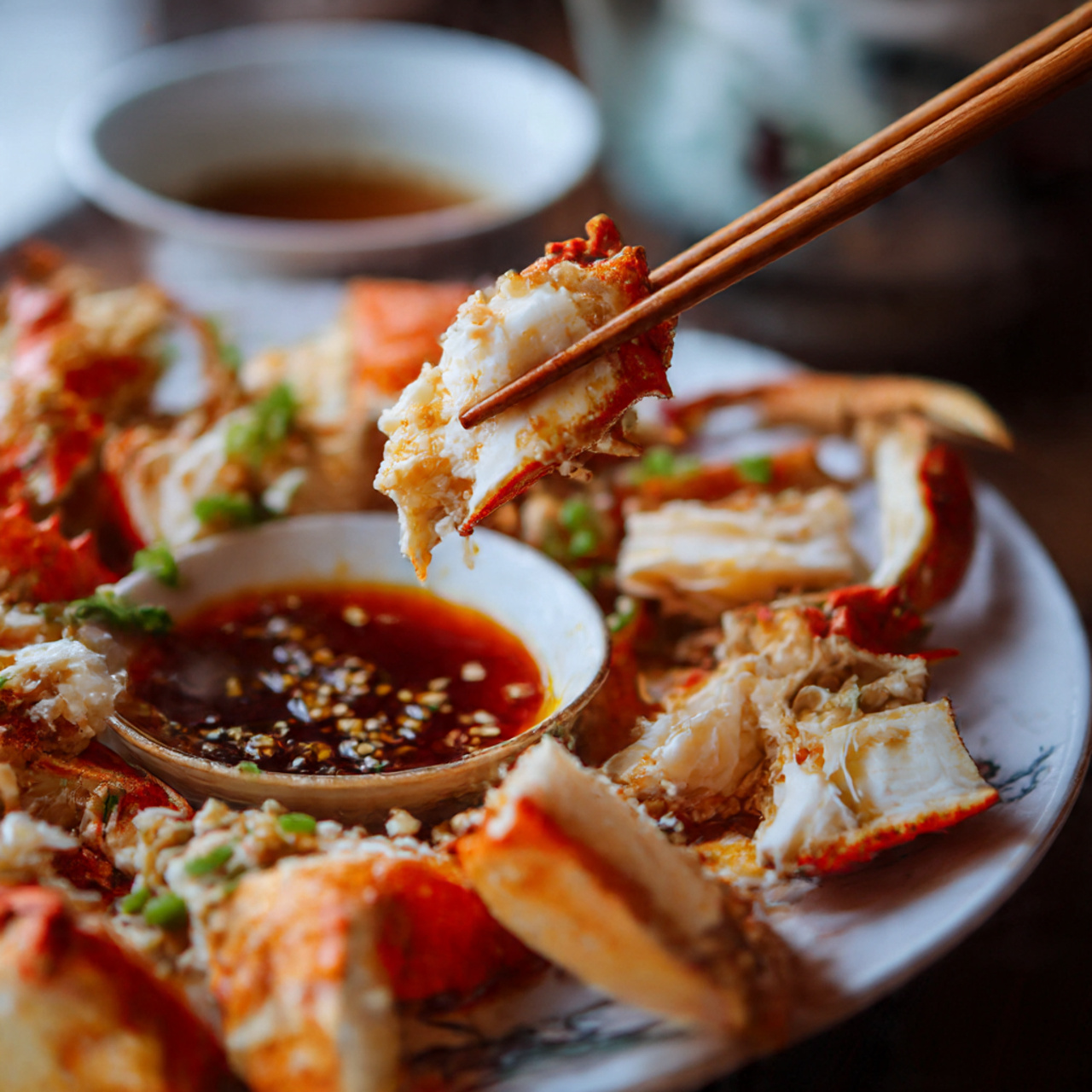
In 2025, the global crab and blue crab market saw prices remain high due to limited natural supply, increased logistics costs, and strong demand in the U.S., Japan, and China.
Products such as snow crab, emperor crab, and blue crab—Vietnam’s primary exports—are expected to maintain or slightly increase in price during Q4 2025. Importers are increasingly focusing on traceability, sustainability certifications, and value-added processing—trends Vietnamese businesses are actively adopting to meet market demands.
By the end of 2025 and into 2026, Vietnam’s blue crab exports are projected to grow by 3–5%, provided companies enhance value-added products, deepen processing (e.g., packaged crab meat, canned crab, crab surimi), obtain MSC/FIP sustainability certifications, and diversify their market reach.
Over 100 Markets Compete to Purchase This Product from Vietnam, with China Leading the Charge
China accounts for nearly 30% of Vietnam’s total export turnover in this product category.
Vietnamese Processed Fruits and Vegetables Take Center Stage
The global shift towards healthy eating is revolutionizing consumer behavior worldwide, unlocking significant opportunities for Vietnam’s processed fruit and vegetable industry.
Afternoon of October 15: Ring Gold Prices Surge Past 151 Million VND per Tael
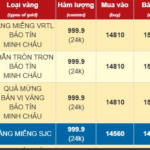
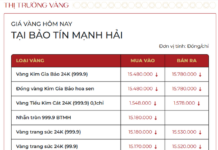
This afternoon, the price of gold rings at a leading gold trading enterprise in Hanoi was adjusted to a range of 148.1 – 151.1 million VND per tael.
Chairman of HBC Le Viet Hai: “Thinking Big” Without “Taking Action” is Mere Illusion… We Can Export Vietnam’s Comprehensive Construction Services to the World

“Today, we are equipped with the most advanced technology, cutting-edge management systems, and state-of-the-art machinery,” affirmed Mr. Lê Viết Hải.
Vietnam’s Tech Commodity in High Demand: $43B Earned in 9 Months, Securing 2nd Global Export Rank
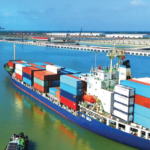
China, the United States, and South Korea currently stand as Vietnam’s top three importers for this particular product category.