

















Diverse Funding Sources are Key to Development
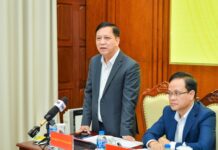
On the morning of November 3rd, during a group discussion on the draft Law amending and supplementing certain articles of the Public Debt Management Law, National Assembly Chairman Tran Thanh Man stated that by the end of 2025, public debt is projected to be around 35-36% of GDP, government debt at 33-34% of GDP, and foreign debt at 31-32% of GDP, all of which are below the permissible limits.
Regarding ODA loan methods, the draft Law adds provisions stipulating that commercial banks will re-lend to public service units under a scheme where the lending agency bears no credit risk, and to businesses for investment in state-prioritized programs and projects, with the lending agency sharing a portion of the credit risk.
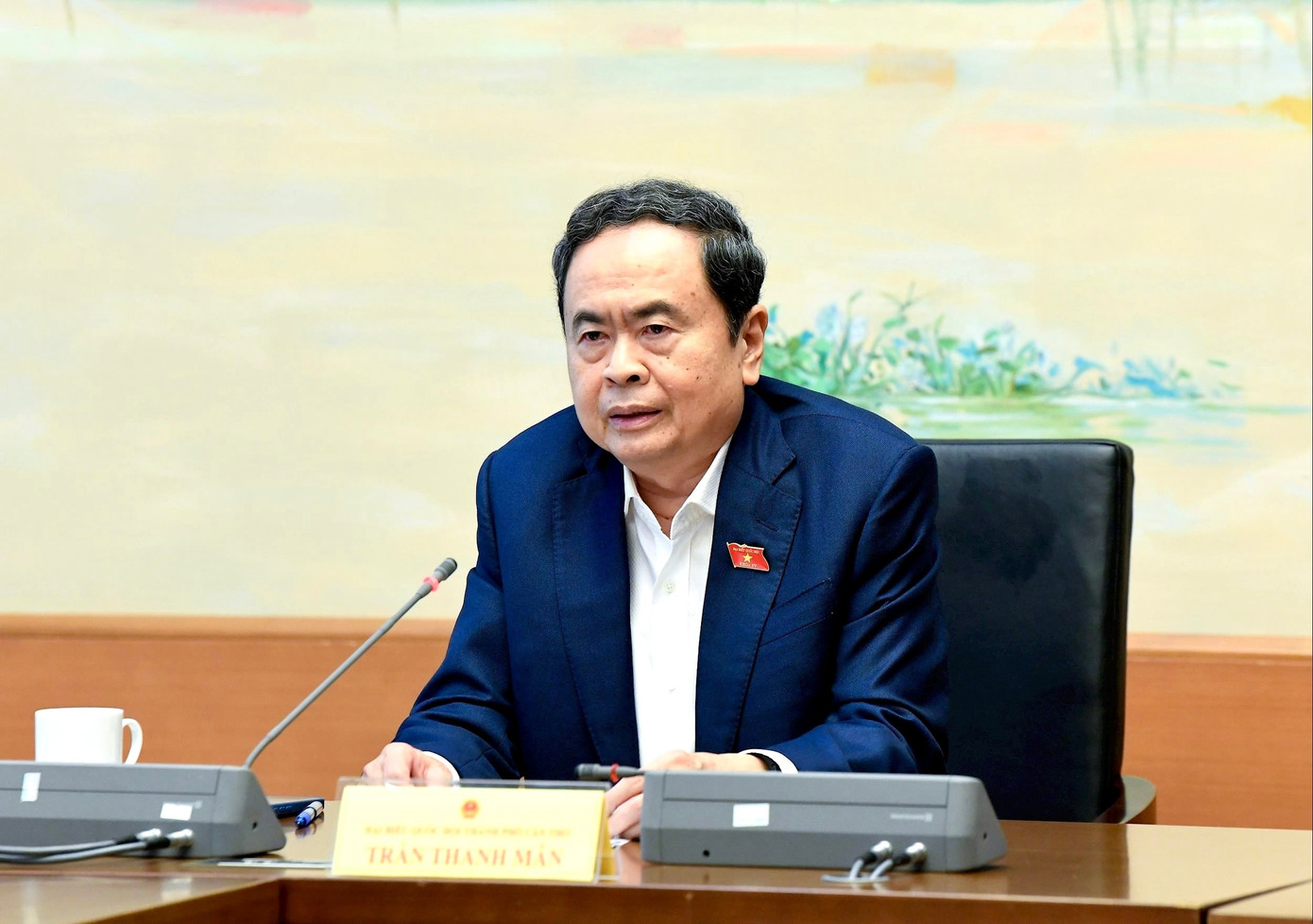
National Assembly Chairman Tran Thanh Man speaking at the group meeting.
Emphasizing the need for thorough impact assessments, the National Assembly Chairman warned against lending without ensuring effectiveness, as well as banks’ lack of responsibility in monitoring loans, which could affect debt repayment and public debt safety. “The biggest concern is borrowing for one purpose but using it for another, with banks failing to provide proper oversight,” he noted.
He further suggested clarifying the responsibility of commercial banks in cases where borrowers default. “We need a clause specifying the bank’s liability in such scenarios, including the proportion of risk they share and the basis for determining this. If not explicitly stated in the law, it should be delegated to the Government for guidance through a decree,” he explained.
Highlighting the connection between public debt and investor confidence in Vietnam, as well as public trust, the National Assembly Chairman called for a meticulous review of the draft Law and enhanced public communication. This would ensure that citizens and investors understand that “while we have public debt, we maintain effective debt management.”
The Chairman observed that globally, larger economies tend to have higher debt levels, citing examples like the U.S., France, China, and Japan. “A larger ship faces larger waves,” he said. “To do business and develop, diversifying funding sources is essential. For instance, the proposed North-South high-speed railway, estimated at $67 billion, requires a mix of funding, including borrowing when the budget falls short.”
He stressed the importance of a comprehensive review of central and local government borrowing to ensure effective development.
Aim to Complete Procedures Within 12 Months
Minister of Finance Nguyen Van Thang elaborated on the issues raised, noting that the revised Public Debt Management Law allows state-owned enterprises to propose ODA loans directly, rather than through their parent ministries. This also applies to wholly state-owned companies and their subsidiaries.
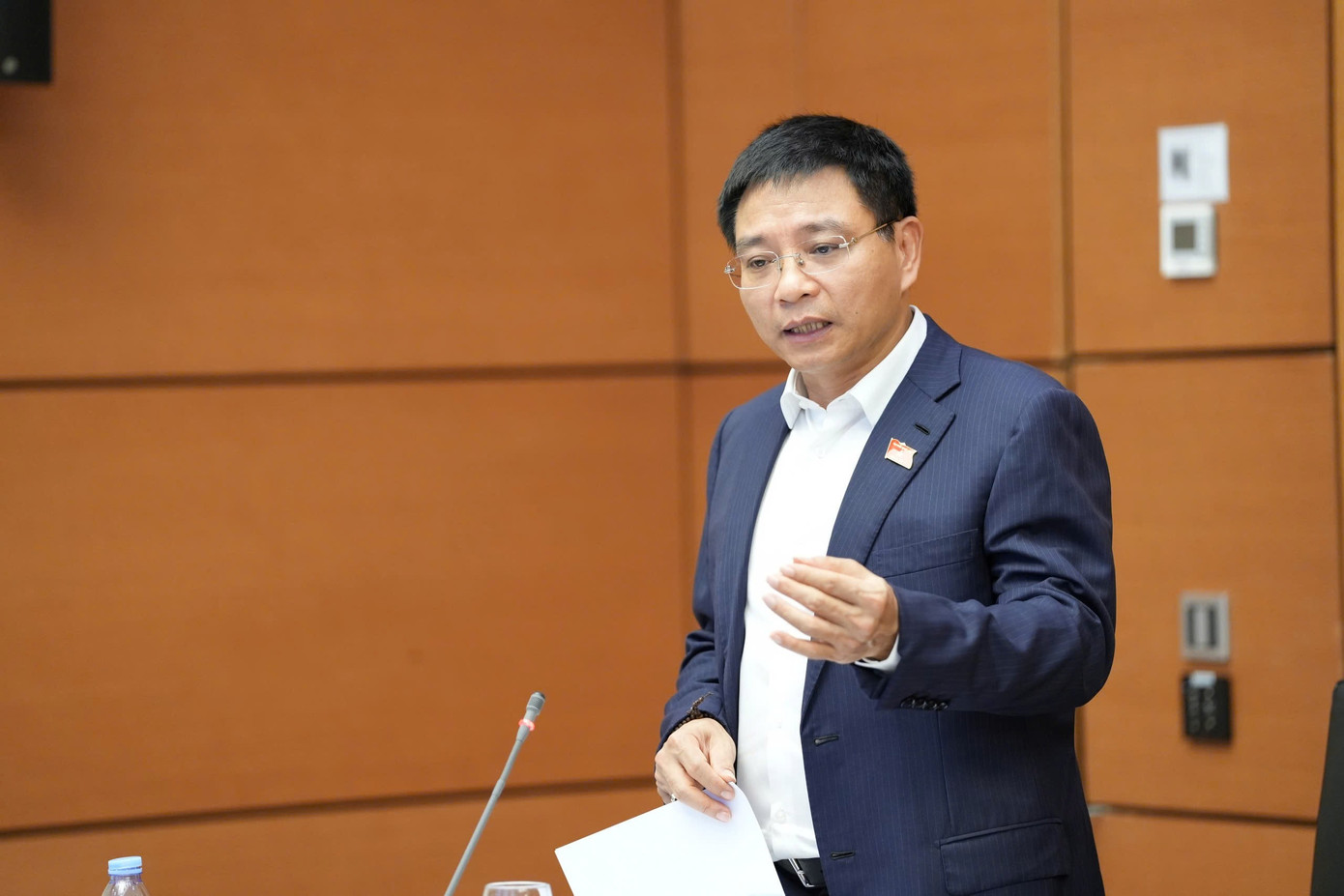
Minister of Finance Nguyen Van Thang. Photo: PV
Addressing concerns that parent companies might disengage from the process, the Minister pointed out that most state-owned enterprises eligible for ODA loans are large corporations and their subsidiaries, which are capable of independently managing their business plans. Direct loan proposals from these entities would expedite the process.
However, he acknowledged the need for parent companies to retain some responsibility. “We must establish regulations that minimize internal bureaucratic procedures within these enterprises,” he added.
The Minister highlighted the primary challenge in ODA management: the lengthy process from initial discussions and negotiations to project preparation and agreement signing. This often results in delayed disbursements, sometimes even beyond the agreement’s timeframe, necessitating extensions and further negotiations.
Minister Nguyen Van Thang stated that if donors refuse extensions, projects may be left incomplete, requiring alternative funding sources. “This is a significant issue with ODA funds. The Ministry of Finance has been actively addressing this,” he said.
Following consultations with the World Bank, the Ministry proposed amendments to the ODA Decree, aiming to streamline procedures. The goal is to complete standard loan procedures within 12 months, extending to 14 months only for highly complex projects. “This is crucial for the effectiveness of ODA loans,” the Minister emphasized.
Unraveling the Responsibility: What Happens When Borrowers Default, and What Role Do Banks Play?

Chairman of the National Assembly Trần Thanh Mẫn has called for clarification on the responsibilities of commercial banks in cases where borrowers are unable to repay their loans. He seeks to understand the legal framework governing such situations and the subsequent obligations of financial institutions.
Ministry of Construction to Set Maximum Domestic Economy Class Airfare
On the morning of November 3rd, Minister of Finance Nguyen Van Thang, authorized by the Prime Minister, presented the proposal for the draft Law amending and supplementing certain articles of the Law on Prices.
Finance Minister: Numerous ODA Projects Delayed, Processing Time Doubles or Triples International Standards

Finance Minister Nguyen Van Thang emphasized the urgent need to amend the Public Debt Management Law to address existing challenges in the management and utilization of borrowed capital.
Vietnam’s Emerging Goldmine Sought After by Cambodia: A Game-Changer for Livestock, Ranking 8th Globally in Production
China has emerged as Vietnam’s largest export market in the first eight months of 2025, solidifying its position as a key trading partner.
Groundbreaking Ceremony for Two Mega Projects Totaling 182 Trillion VND in Hai Phong
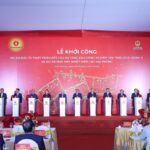
On September 26th, Prime Minister Pham Minh Chinh attended the groundbreaking ceremony for two significant projects in Hai Phong: the infrastructure development of the Tan Trao Industrial Zone (Phase 1) and the Hai Phong LNG Thermal Power Plant.