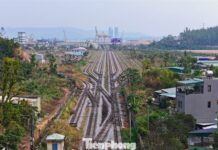















The primary driving force behind the market growth in the Western region of Ho Chi Minh City (HCMC) over recent years has been the presence of multi-billion-dollar infrastructure projects. Key national highways, expressways, and metro lines are either nearing completion or set to begin construction, significantly reducing travel time from the Western area to HCMC’s central districts.
Notably, these infrastructure projects not only enhance regional connectivity but also create economic development corridors, directly impacting urban development and the real estate market in the area.
Ring Road 3 is being expedited for technical completion of sections by December 19, with the entire route expected to be fully operational by early 2026. This highly anticipated project, with a total investment of over $75 billion, spans HCMC, Dong Nai, Binh Duong, and Tay Ninh. The Tay Ninh segment is projected to finish by early 2026, providing rapid connectivity from the Western region to HCMC’s center and fostering the development of satellite cities.
Ring Road 4, specifically the Tay Ninh section, is in the initial investment phase. This 40 km stretch passes through Duc Hoa, Ben Luc, and Can Duoc districts. With an investment of over $120 billion, its completion will reduce travel time between Tay Ninh and HCMC’s center and neighboring provinces by 40%.
Additionally, the Ben Luc – Long Thanh Expressway, with an investment of nearly $30 billion, is set to be fully operational by late 2026. This project will significantly reduce travel time from the Western region to Long Thanh Airport to approximately one hour.
Currently, nearly 30 km out of 57 km from Ben Luc and Can Giuoc (formerly) to Nha Be (former HCMC) has been opened to traffic. Specifically, the 21 km segment connecting the HCMC – Trung Luong Expressway to Hiep Phuoc Port will create a seamless corridor linking the Western region with the Mekong Delta.
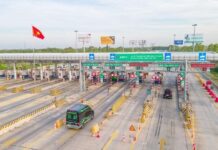
Recently, the “super interchange” My Yen in Ben Luc (Tay Ninh) has been making progress. This project connects three major expressways: HCMC – Trung Luong, Ben Luc – Long Thanh, and Ring Road 3, becoming a key infrastructure highlight for the Western region of HCMC.
In the future, with the completion of Ring Road 3 and the full operation of the Ben Luc – Long Thanh Expressway, the My Yen interchange will become one of the largest transportation hubs in the Western region, facilitating easy travel to various areas.
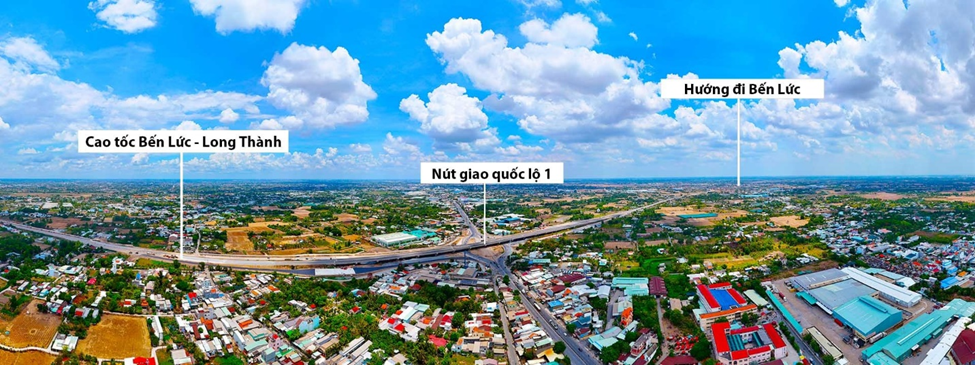
Large-scale infrastructure projects are transforming the Western region of HCMC.
Furthermore, the expansion of the HCMC – Trung Luong – My Thuan Expressway to 6–8 lanes will enhance inter-regional connectivity, promoting socio-economic development across the Southern region. The project has a preliminary investment of nearly $40 billion.
Moreover, the Vo Van Kiet Avenue in HCMC is being expanded and extended to the Hai Son – Tan Do Industrial Park (Duc Hoa District, Tay Ninh). Once completed, it will directly connect with Le Kha Phieu Road in Ben Luc, facilitating transportation and economic development in the region.
The planning of the Metro Line 3A (Ben Thanh – Tan Kien), spanning 19.6 km with a total investment of nearly $2.88 billion, is another significant infrastructure boost. Upon completion, it will reduce travel time from the Western region to the city center to just 20 minutes.
Another critical project in the Western region is the expansion of National Highway 50, which is nearing completion after two years of construction. The Transport Department is urging contractors to accelerate progress, aiming to finish the entire project by December 31. Once completed, it will significantly enhance transportation capacity and economic connectivity between HCMC, Tay Ninh, and the Mekong Delta provinces.
Additionally, the expansion and upgrading of provincial roads such as QL62, QL1A, QL22, 827E, 830C, 823D, and the construction of bridges will create a seamless transportation network, easily connecting the Western region with other parts of HCMC.
In Tay Ninh‘s development plan from now until 2030, the province continues to prioritize investment in 14 regional and economic corridor infrastructure projects. Continuous infrastructure investment is turning the Western region into a magnet for large projects and investor capital.
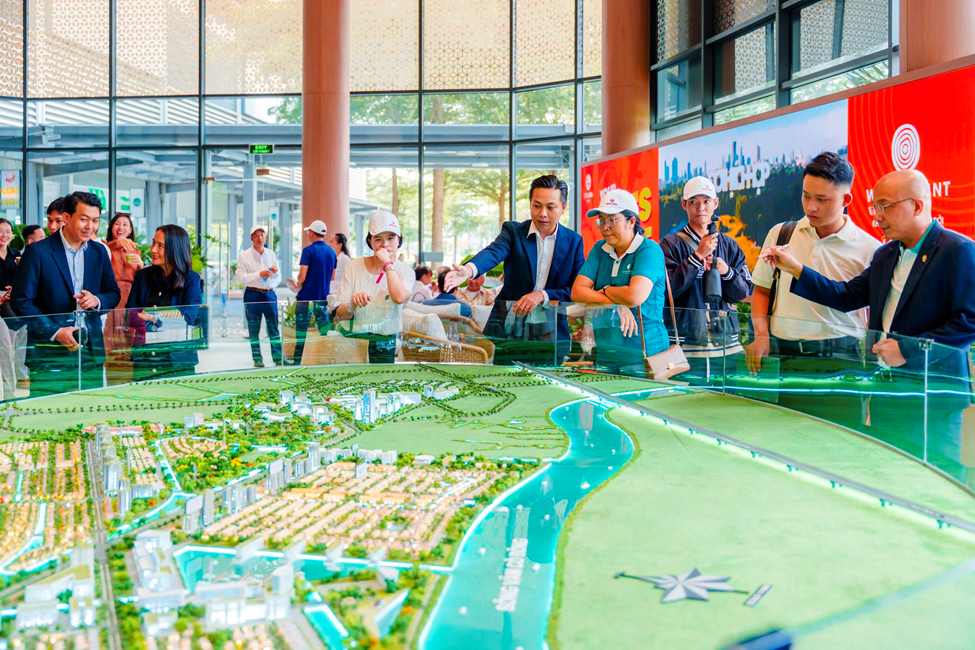
Investors are flocking to the Western region of HCMC in anticipation of infrastructure development.
It is evident that transportation infrastructure is a crucial catalyst, transforming the Western region of HCMC: reducing travel time, increasing liquidity, and boosting property values in the long term.
In reality, over the years, the real estate market in the Western region of HCMC has seen positive liquidity due to infrastructure-driven growth. Notably, large-scale urban developments by companies like Vinhomes, Nam Long, Phu My Hung, Bim Group, Him Lam, Ecoparrk, MIK Group, and T&T Group have garnered significant interest from buyers.
For instance, at the Waterpoint Urban Area spanning 355 hectares by Nam Long, thanks to its direct connectivity to the HCMC – Trung Luong – My Thuan Expressway, proximity to Ring Road 3, Ring Road 4, and Ben Luc – Long Thanh Expressway, and just 30-45 minutes from Phu My Hung and HCMC’s center, all launched sub-zones have attracted substantial investment, including from Northern investors.
This urban area, which began construction in 2018, now has many completed sub-zones with operational amenities. With key infrastructure projects in the region set to complete between 2025-2027, the project’s value appreciation potential is highly promising. On November 16, Nam Long will host the event “Dawn Illuminates Western Saigon” at 44B Ly Thuong Kiet, Cua Nam, Hanoi, showcasing investment and sustainable living opportunities in the Western region of HCMC.
According to CBRE experts, in the final months of 2025, 80% of low-rise housing supply will remain concentrated in HCMC’s satellite areas, with Tay Ninh accounting for a significant portion. Population decentralization, driven by infrastructure development and provincial mergers, is acting as a catalyst for increased demand and price levels in these areas. The average primary selling price is expected to rise by 9%-11% annually for apartments and 6%-12% for townhouses and villas over the next three years.
Ho Chi Minh City Compensation Capital: Three Units Disburse Less Than 1%

In 2025, Ho Chi Minh City’s compensation fund disbursement revealed a concerning trend, with three units achieving remarkably low disbursement rates of less than 1%. Alarmingly, one of these units failed to disburse any funds at all.
Ho Chi Minh City Assigns Research for Phu My 2 Bridge, Connecting Long Thanh Airport
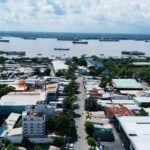
The People’s Committee of Ho Chi Minh City has issued an official document to relevant departments and agencies, tasking them with preparing a feasibility report for the proposed investment in the construction of the Phu My 2 Bridge project.
Unprecedented Surge in Electronics Sales Attributed to Heavy Rainfall

Previously, this item often languished in obscurity due to limited demand.
60 Days and Nights of Intense Effort Towards the Commencement of Metro Line 2
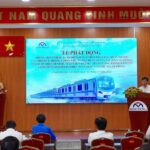
The Ho Chi Minh City Urban Railway Management Board has launched a 60-day intensive competition to finalize critical tasks for Metro Line No. 2.
AVA Center Unveiled: A Vision of Urban Excellence in Northeast Ho Chi Minh City
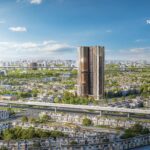
On November 9th, the grand unveiling of AVA Center – All-Round City, a pinnacle of luxurious living in the heart of Ho Chi Minh City’s thriving Northeast financial and economic hub, will take place at the prestigious White Palace Convention Center on Pham Van Dong Street.