
















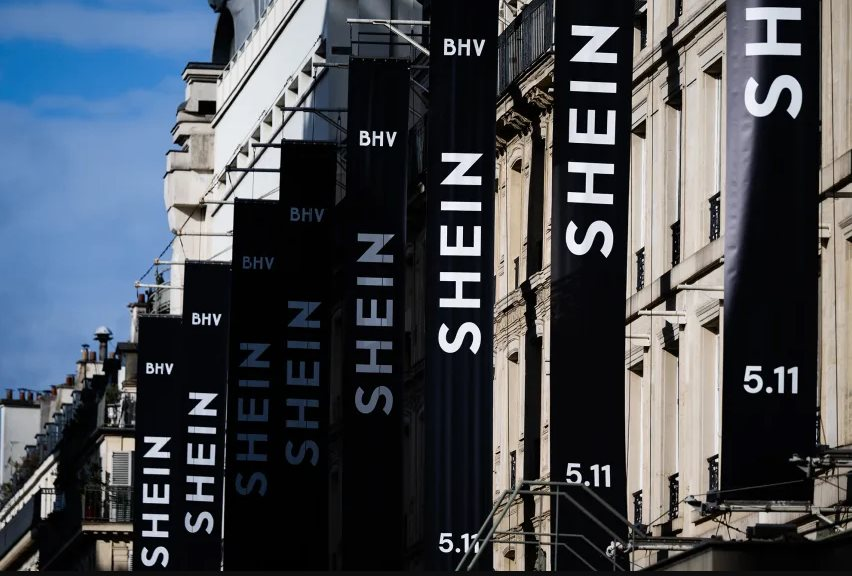
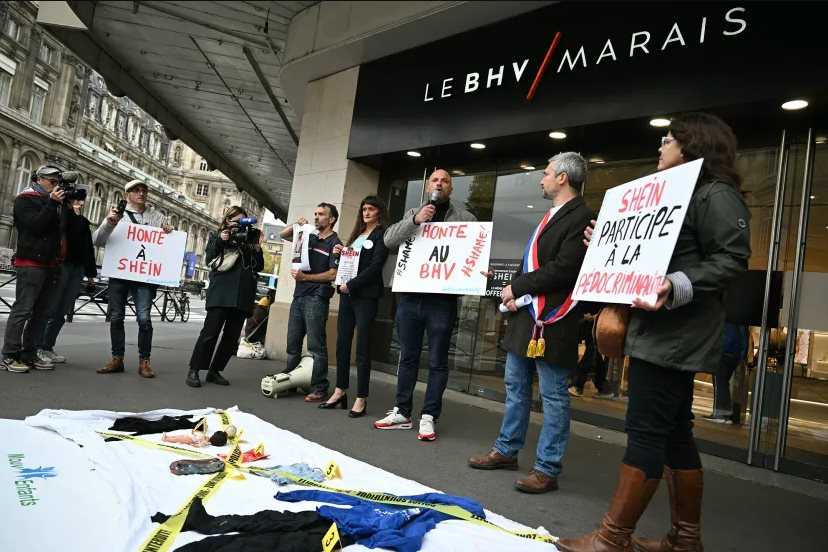
The glamorous capital of Paris, the spiritual cradle of haute couture, is witnessing a turbulent invasion: Chinese e-commerce giant Shein has just opened its first brick-and-mortar store worldwide at BHV Marais.
This event is not a lavish celebration but an open battle, exposing the deep conflict between the historical identity of the fashion capital and the unstoppable rise of ultra-fast fashion.
Too Cheap
Shein brings to Paris its ultra-fast fashion model, launching products at a speed far surpassing Zara or H&M, with prices so low they nearly eliminate all consumer barriers. Hundreds of designs are released daily, with some items having a lifespan of just a few weeks.
To millions of young people, this is the democratization of fashion: anyone can dress well without a hefty wallet. But to the French fashion industry, it’s an insult to the centuries-old craftsmanship, creativity, and sustainability that Paris has nurtured.
Paris represents refinement, artisanal artistry, exclusive design, and enduring quality—elements that have built France’s global reputation.
In contrast, Shein epitomizes throwaway culture, mass-producing clothes at breakneck speed, offering ultra-low prices, and short lifespans to cater to fleeting trends.
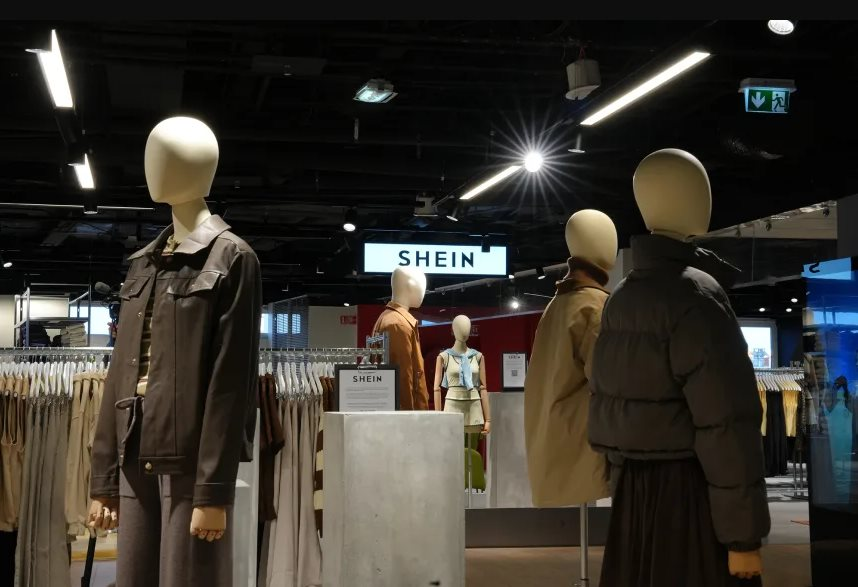
French designers view “dressing well” not as chasing trends, but as respecting process, materials, and aesthetics. Shein’s rapid production model and synthetic materials are seen as the epitome of disposable fashion, diametrically opposed to Paris’ values.
“The capital cannot become a showcase for cheap, exploitative fashion. This partnership contradicts all of France and Paris’ commitments to better regulate the fashion industry,” stated Paris Senator Ian Brossat regarding Shein’s first physical store in France.
Before the opening, protests spread rapidly. Paris Deputy Mayor Nicolas Bonnet-Oulaldj publicly urged the Ministry of Economy to ban Shein from operating in France. Over a dozen French brands, including Armor Lux and Figaret, withdrew from the BHV Marais mall in protest.
Even Disney canceled plans to design the mall’s traditional Christmas window display. Tensions escalated to the point where Société des Grands Magasins, owner of BHV and Galeries Lafayette, renamed five Lafayette branches to BHV after the system opposed being “forced” to collaborate with Shein.
Shein’s appeal is undeniable: approximately 25 million French people have purchased from the brand. To them, Shein symbolizes convenience, endless choices, and accessibility. But this raises the question: how cheap is too cheap? When costs are minimized, who pays the price—the environment, labor, or creative value?
In France, where fashion has long been a cultural and artistic statement, Shein is not just seen as a business but as an “ideological opposition.”
One side champions speed, consumption, and global markets, while the other defends sustainability, exclusivity, and the philosophy of “less but better.” Shein’s arrival in Paris is thus not merely about opening a store but about challenging the identity of a culture.
Sustainability Crisis
Shein argues its model reduces waste by producing on demand, avoiding overstock. However, environmental activists counter that creating billions of short-lived products and encouraging impulsive buying has strained the global supply chain.
In contrast, French brands are promoting “slow fashion”: fewer products, higher prices, but longer-lasting and personalized.
The ethical environmental conflict further heightens tensions. Paris, a signatory of the historic 2016 Climate Agreement, strives to position itself as a leader in low-carbon and sustainable business practices.
Shein’s arrival, accused of generating massive textile waste and contributing to high carbon emissions from global production and shipping, is seen as a profound irony.
France has demonstrated its commitment to regulating the industry through legislation. The French Parliament is advancing a bill to impose environmental taxes on ultra-fast fashion products and ban their advertising, aiming to hold companies accountable for their environmental costs.
This puts Shein in a difficult position: while expanding its physical market, it faces growing legal barriers.
Paris, aiming to position itself as the center of “green fashion,” has become a battleground between two visions. On one side is the market reality where Shein and competitors like Temu and AliExpress dominate the world with speed and low prices. On the other is the symbol of refinement, craftsmanship, and the belief that fashion should transcend seasonal trends.
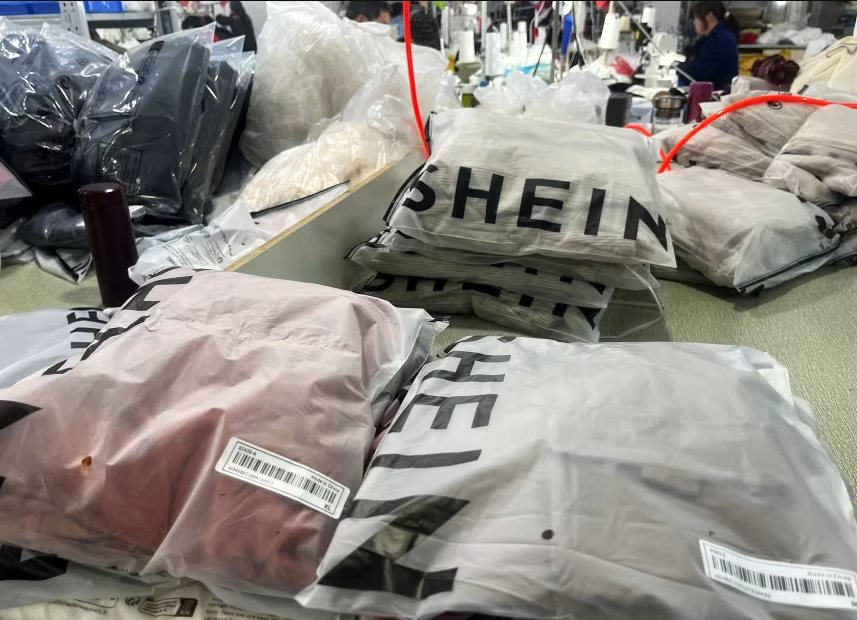
Shein’s presence in Paris is not just a clash between a city and a fashion brand. It exposes a broader global conflict between two consumption models: fashion as a cultural experience versus fashion as a fast product.
This conflict will undoubtedly reshape retail markets and fashion legislation, not just in France but across Europe. As Shein hangs its first sign in the “fashion capital,” the world is forced to revisit an old, unanswered question: in the race between speed and value, who truly wins?
*Sources: CNN, Fortune, BI
Vietnam Achieves Impressive Milestone with 183,974, as the World Races to Hit the Trillion-Dollar Mark
This is the global trend that the entire world is pursuing.
Unveiling the 7 Wonders of Future Cities Campaign: Vietnam’s Urban Hubs Poised to Become Global Marvels

New7Wonders, the renowned international organization dedicated to publicly electing the Wonders of the World, has officially launched its latest global campaign, “7 Wonders of Future Cities,” in celebration of World Cities Day 2025.
30 Years of Defining Identity: Viettel Construction Steadfastly Rising in the New Era

Over the past three decades, Viettel Construction Corporation (Viettel Construction) has not only embarked on a journey of building with sweat, intellect, and a spirit of service but has also become a clear testament to why it is hailed as the “symbol of sustainability” in Vietnam’s construction, infrastructure, and technical services sector.
Unveiling a Transformative Project: Empowering Nearly 1,000 Rural Students

LG Electronics Vietnam (LG) and Bao Dai Primary School (Bac Ninh) proudly inaugurated the “Seeds of Talent” football field, offering a safe and modern space for physical training. This initiative aims to enhance children’s health, spirit, and passion for sports, ultimately elevating the quality of local education.
Vietnam’s Economic Shift: From Labor-Intensive to Capital-Intensive, Experts Say
The global industrial real estate market typically progresses through three distinct phases: labor-intensive, capital-intensive, and research & development. Vietnam is currently transitioning away from the labor-intensive stage and entering the capital-intensive phase.