By mid-2025, on the nearly 180 km inland waterway from former Binh Duong to Cai Mep – Thi Vai, electric-powered barges were introduced for the first time on a trial basis. This is not a theoretical model or a demonstration project, but the result of a collaboration between Gemadept and CMA CGM Group (France) – one of the world’s largest shipping companies – marking a significant turning point for Vietnam’s logistics sector.
The launch of these electric barges not only introduces a new mode of transportation but also paves the way for reducing approximately 778 tons of CO₂ annually, aligning with international green logistics standards. This development indicates that Vietnam’s seaport industry is entering an era of competition driven by “green standards,” where companies failing to transition will be left out of the global supply chain.
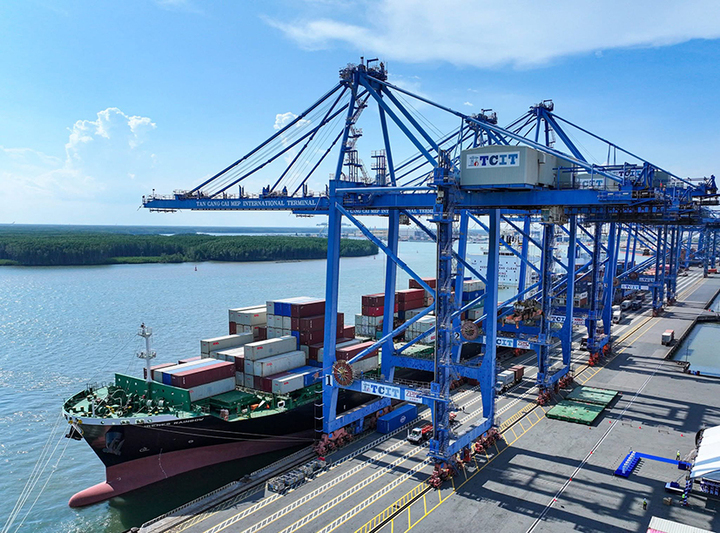
Tan Cang – Cai Mep International Port won the 2020 Green Port Award from the APEC Port Services Network Council.
According to an announcement in May 2025, Gemadept and CMA CGM officially established a joint venture to operate Vietnam’s first 100% electric barge fleet. The 180 km route will reduce 778 tons of CO₂ annually – a modest figure globally but a strategically significant first step in Vietnam, where inland waterway transport still heavily relies on fossil fuels.
Ms. Nguyen Thi Thu Thao, Head of Public Relations and ESG Coordination at Gemadept, stated that the company began preparing for the green transition in 2023: establishing an ESG committee, measuring greenhouse gases according to international standards, and setting a goal to implement ESG across the entire system by 2025.
Gemadept aims to develop an eco-port model with low-emission logistics, implementing: smartPort, smartGate, riverGate systems, rooftop solar power, and electric vehicles and equipment. The electric barge fleet is just the beginning of a comprehensive green strategy, helping the company meet standards demanded by global shipping lines.
Saigon Port: From Pioneer to Leader in Green Transition
While Gemadept leads in clean inland waterway transport, Saigon Port Corporation (SPC) was the earliest to establish a green port model in Vietnam.
Since 2009 – when the concept of a “green port” was still unfamiliar – SPC decided to replace all diesel-powered equipment with electric alternatives. This foundational step brought about significant changes: operating costs decreased from 200 billion VND to 66 billion VND annually; noise and emissions were reduced; operational efficiency increased; and it laid the groundwork for automation and smart management.
Today, SPC transports 80% of goods between Cai Mep – Thi Vai and Ho Chi Minh City via barges, reducing pressure on roads and cutting hundreds of thousands of tons of emissions annually.

Tan Cang – Cai Mep International Port operates a “greened” seaport model.
Simultaneously, solar power systems have been installed on office rooftops; lifting equipment and tractors are gradually transitioning to electric power; shore power is supplied to ships; and waste treatment systems have been upgraded. Two of SPC’s largest ports – Cat Lai and Tan Cang – Cai Mep – have been recognized as green ports by the Asian-Pacific Port Community (APSN).
Discussing the green transition roadmap, Mr. Bui Van Quy, Deputy General Director of SPC, noted that the company proactively implemented its strategy early, starting with equipment electrification – the most feasible and immediately effective step.
From yard cranes and forklifts to port vehicles, all were gradually replaced from diesel to electric power. Concurrently, SPC installed solar power systems at multiple warehouses and offices to supplement clean energy and reduce reliance on the grid.
However, according to Mr. Quy, energy transition is only part of the “green overhaul.” More importantly, companies must change their transportation methods.
This is why SPC is aggressively shifting cargo to barges, reducing the burden on roads that cause congestion and significant emissions. The results are clear: while a truck carries only one container and consumes about 50 liters of fuel for a 100 km trip, a barge can carry 30-40 containers over the same distance, reducing fuel consumption by up to 70%.
To overcome transition challenges, SPC established a Green Port Steering Committee to unify goals, assign tasks, and develop a suitable roadmap for the entire system. The company also set up an internal training center to regularly update knowledge on clean energy, smart ports, carbon management, and more, helping employees adapt proactively.
SPC also actively expands international cooperation, sending personnel to learn from advanced ports in Europe, the US, Singapore, China, and Japan. These experiences are directly applied at Cat Lai and TCIT, driving substantial and sustainable change.
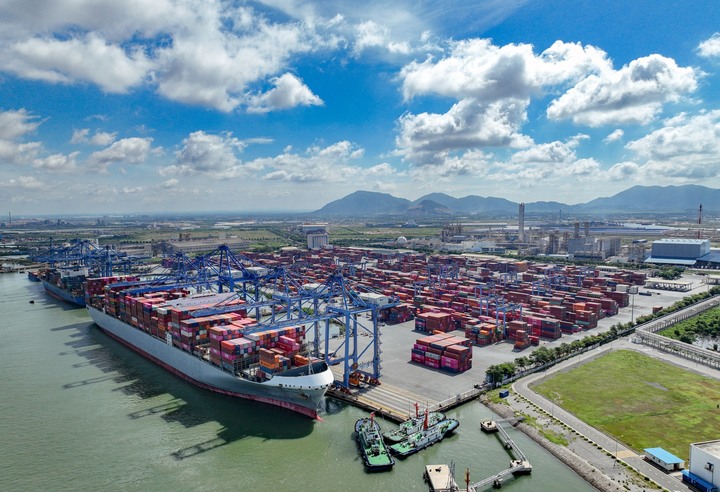
Overview of Tan Cang – Cai Mep International Port.
According to Vietnam’s Maritime and Inland Waterways Administration, the country has 34 seaports, with several – including Tan Cang Cat Lai, Cai Mep – Thi Vai, Da Nang, and Hai Phong – meeting many green port criteria. However, the industry’s overall green transition progress remains slow. Mr. Hoang Hong Giang, Deputy Director of the Maritime and Inland Waterways Administration, warned that without acceleration, the maritime sector risks falling behind, as green shipping lines will only choose ports meeting low-emission standards.
Vietnam Poised to Emerge as ASEAN’s New Logistics Hub
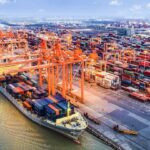
With over 45,000 businesses, including more than 5,000 international freight forwarding companies, and a market size of $70–80 billion, Vietnam is emerging as the new logistics hub of ASEAN.
J&T Express Vietnam Unveils Sustainable Development and Green Transformation Blueprint

As a prominent nominee in three major categories at the Innovative Choice Awards during the Better Choice Awards 2025 Gala, J&T Express’s representative shared insights into the company’s sustainable and eco-friendly strategic direction.
Unlocking Vietnam’s Business Potential in the $80 Billion Market
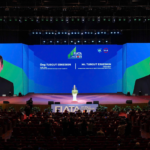
According to Mr. Dao Trong Khoa, Chairman of the Vietnam Logistics Business Association, Vietnam’s logistics sector currently boasts a market size of approximately $70–80 billion, with the potential to emerge as a new logistics hub within the ASEAN region.
Prime Minister to Attend Largest Logistics Industry Event
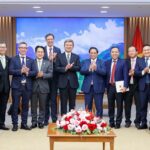
Taking place in Hanoi from October 6 to 8, 2025, the FIATA World Congress 2025 will serve as a pivotal “bridge” for Vietnam to accelerate its global integration, particularly in proactively laying the groundwork for green transformation and sustainable supply chain development.
Launchpad for Vietnam’s Logistics and E-commerce to Conquer the Global Market
The FIATA World Congress 2025, the premier global logistics event, will make its debut in Hanoi from October 6th to 10th. This landmark occasion marks the first time the prestigious congress will be held in Vietnam, bringing together industry leaders, innovators, and experts from around the world to shape the future of logistics.