






“A Double-Edged Dilemma”
On the morning of November 6th, National Assembly delegates discussed the amended Construction Law in groups. At the Ho Chi Minh City group, Delegate Nguyen Thi Yen commented on citizen-built projects exempt from construction permits. She emphasized that if construction deviates from design or regulations, the responsibility of commune-level authorities must be clarified.
Additionally, Yen advocated for stringent penalties against entities failing to ensure project quality. Specifically, design consultants should face liability or compensation for inadequate designs. Contractors must also be held accountable for substandard work. Investors bear responsibility if mismanagement leads to issues…
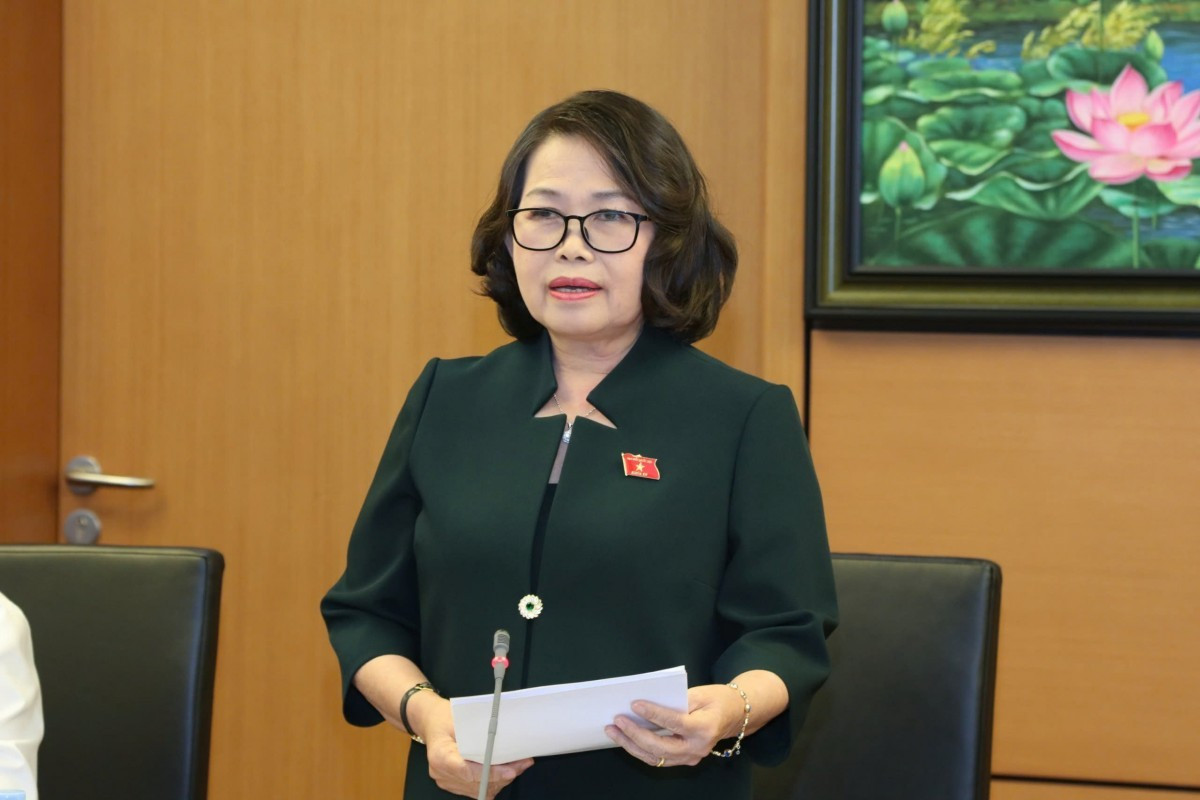
Delegate Nguyen Thi Yen.
Highlighting local challenges, Delegate Nguyen Thi Le noted that material price fluctuations stall many projects. She urged clear mechanisms for contract adjustments during unforeseen circumstances, reducing prolonged disputes. Domestic arbitration should be encouraged to resolve conflicts, minimizing reliance on international arbitration.
Critiquing the draft’s “overly sparse yet redundant” content, Delegate Nguyen Quang Huan suggested simplifying the lengthy list of prohibited acts. He proposed a concise ban, such as: “Prohibited: constructing projects not included in planning.” Huan also stressed that environmental assessments during construction are too late. Environmental plans must be integrated from initial investment reports and feasibility studies.
“No Dual Roles: Player and Referee”
At the Hanoi delegation, Delegate Nguyen Anh Tri argued against allowing investors to self-supervise construction if qualified, calling it “playing referee while on the field.” He insisted supervision requires independent consulting units with severe penalties for oversight failures.
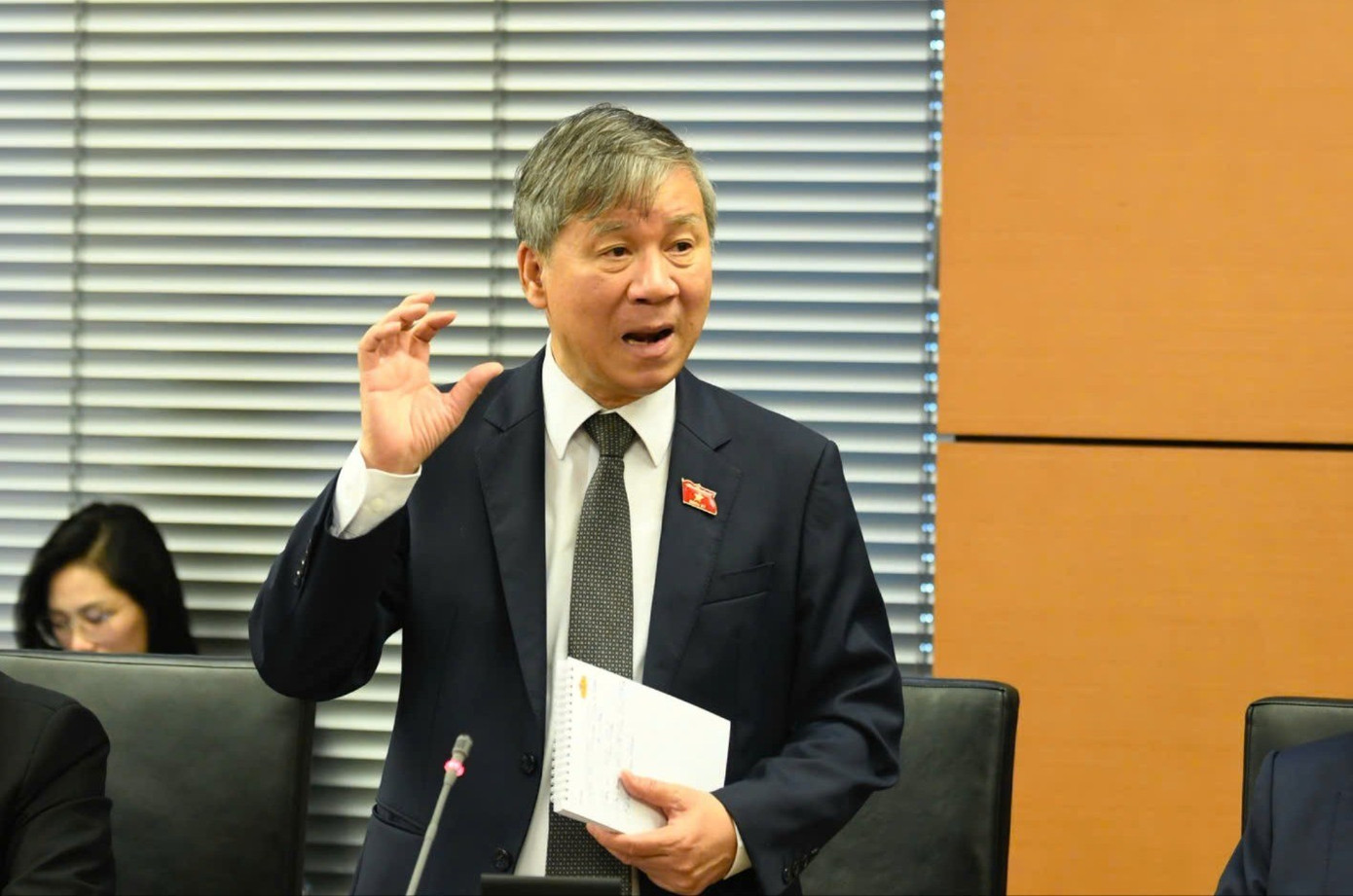
Delegate Nguyen Anh Tri. Photo: Nhu Y
Citing examples, Tri affirmed the separation of construction and supervision roles. “Supervision is a distinct profession requiring expertise and accountability,” he stated.
Delegate Thich Bao Nghiem referenced the Lo River Bridge incident in Doan Hung, Phu Tho, where severe damage emerged just a decade post-completion. This raises questions about construction quality, oversight, and acceptance standards. He attributed such failures to weak legal frameworks, insufficient penalties, and unclear stakeholder responsibilities.
Nghiem urged the law to strengthen state management tools while fostering ethical, sustainable construction practices. The goal, he said, is a safe, humane, and enduring construction culture.
Expanding Construction Permit Exemptions: Reducing Costs for Citizens and Businesses
The revised Construction Law further enhances the investment and business environment, streamlining administrative procedures to foster ease, fairness, and equality for both citizens and enterprises.
Streamlined Construction Permits: Approval Process Reduced to Maximum 7 Days
The revised Construction Law streamlines administrative procedures for granting construction permits, making the process more efficient and user-friendly.
Real Estate Expert: The Era of ‘Flip-and-Sell’ Investing is Over
According to experts, the real estate market is shifting towards sustainable development, transitioning from short-term speculation to long-term investment.
Unlocking Transparency in Digital Financial Investments: The BUFF App Solution

The BUFF investment and savings app is gaining traction for its attractive interest rates, yet the platform’s credibility remains the primary concern for investors.
PVI Fund Becomes Major Shareholder in Pharmedic, Securing Massive Dividends Post-Acquisition
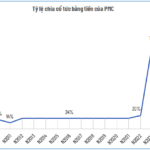
PVI Opportunity Investment Fund (POF) has announced the acquisition of 2.02 million shares in Pharmedic Pharmaceutical Materials Joint Stock Company (HNX: PMC), representing a 21.64% stake in the company’s charter capital. This strategic move positions POF as a major shareholder in the prominent pharmaceutical enterprise.