












FDI Capital Flows Create Momentum
Over the past three years, foreign direct investment (FDI) has played a pivotal role in the socio-economic development of Nghe An province. Once limited by infrastructure, workforce, and investment appeal, Nghe An is now emerging as a strategic hub for global industrial conglomerates. Beyond serving as a growth catalyst, FDI in Nghe An is paving the way for a new development paradigm: green, smart, and sustainable industry.
According to the Nghe An Department of Finance, in the first 10 months of 2025, the province licensed 19 new projects with a total registered capital of $301.9 million, accounting for 30.2% of projects and 55.7% of total investment. Additionally, 15 FDI projects received capital increases totaling $675.3 million. The combined new and adjusted FDI capital reached $977.2 million.
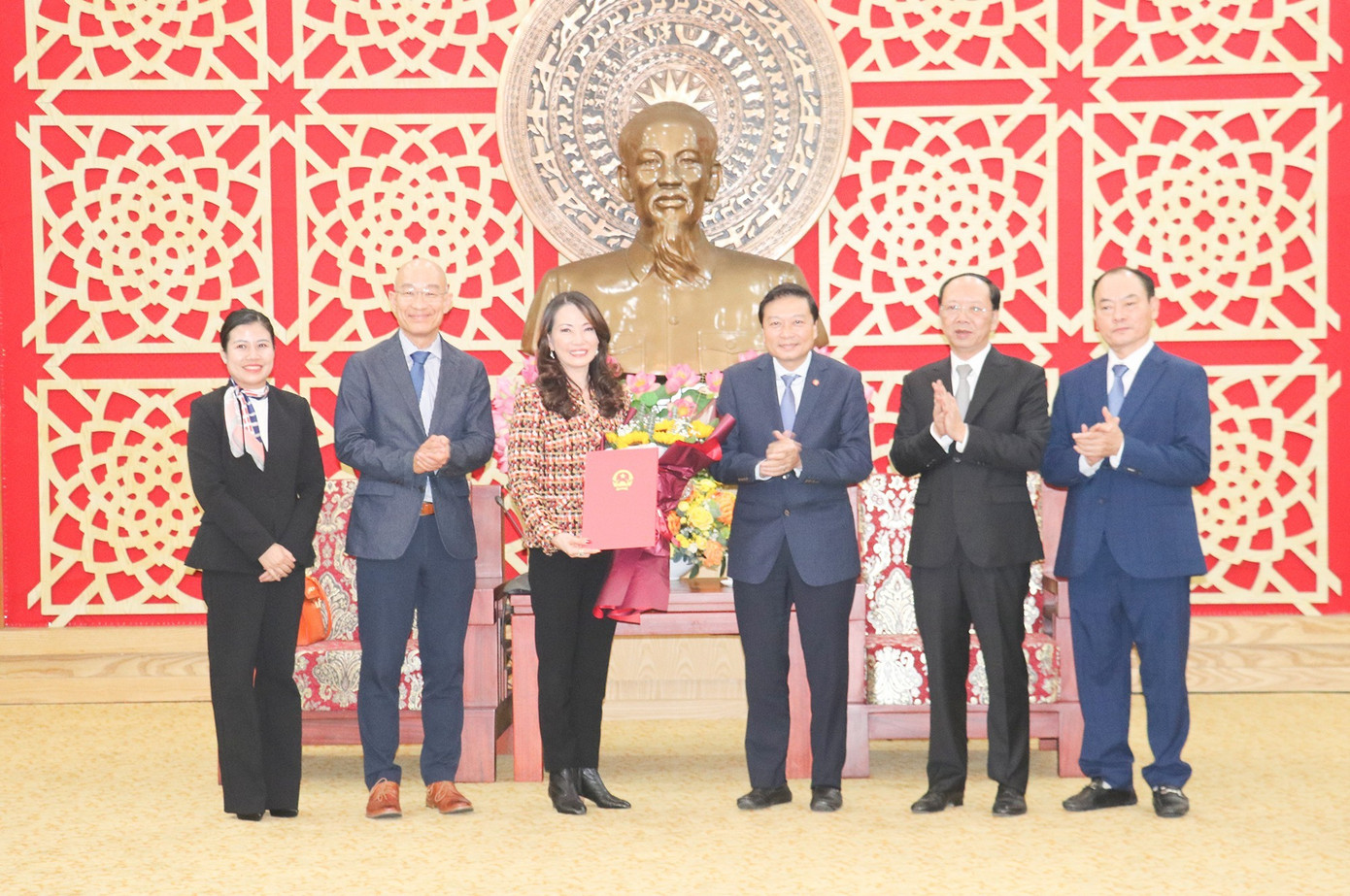
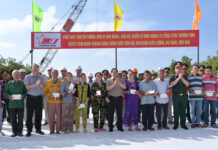
Nghe An provincial leaders award the Investment Registration Certificate for WHA Industrial Zone 2 – Nghe An.
Notable projects include VSIP Nghe An III Industrial Park ($52.5 million), VSIP Nghe An – Casa Bonita Residential Area ($88.84 million), Sunny (Vietnam) Smart Optical Technology Production at WHA Industrial Park ($11 million), and VSIP Nghe An Residential Area 3 ($66.53 million).
Mr. Trinh Thanh Hai, Director of the Nghe An Department of Finance, stated that in the first 10 months of 2025, Nghe An approved investment policies and issued Investment Registration Certificates for 63 projects, with a total registered capital of nearly VND 13,760 billion. Additionally, 168 projects received capital adjustments, increasing the total by over VND 23,279 billion. The combined new and adjusted investment capital reached VND 37,039 billion.
“In October 2025 alone, the province approved investment policies and issued Investment Registration Certificates for 7 projects with a total capital of over VND 2,427 billion, and adjusted 21 projects with an additional capital increase of over VND 718 billion,” Mr. Hai added.
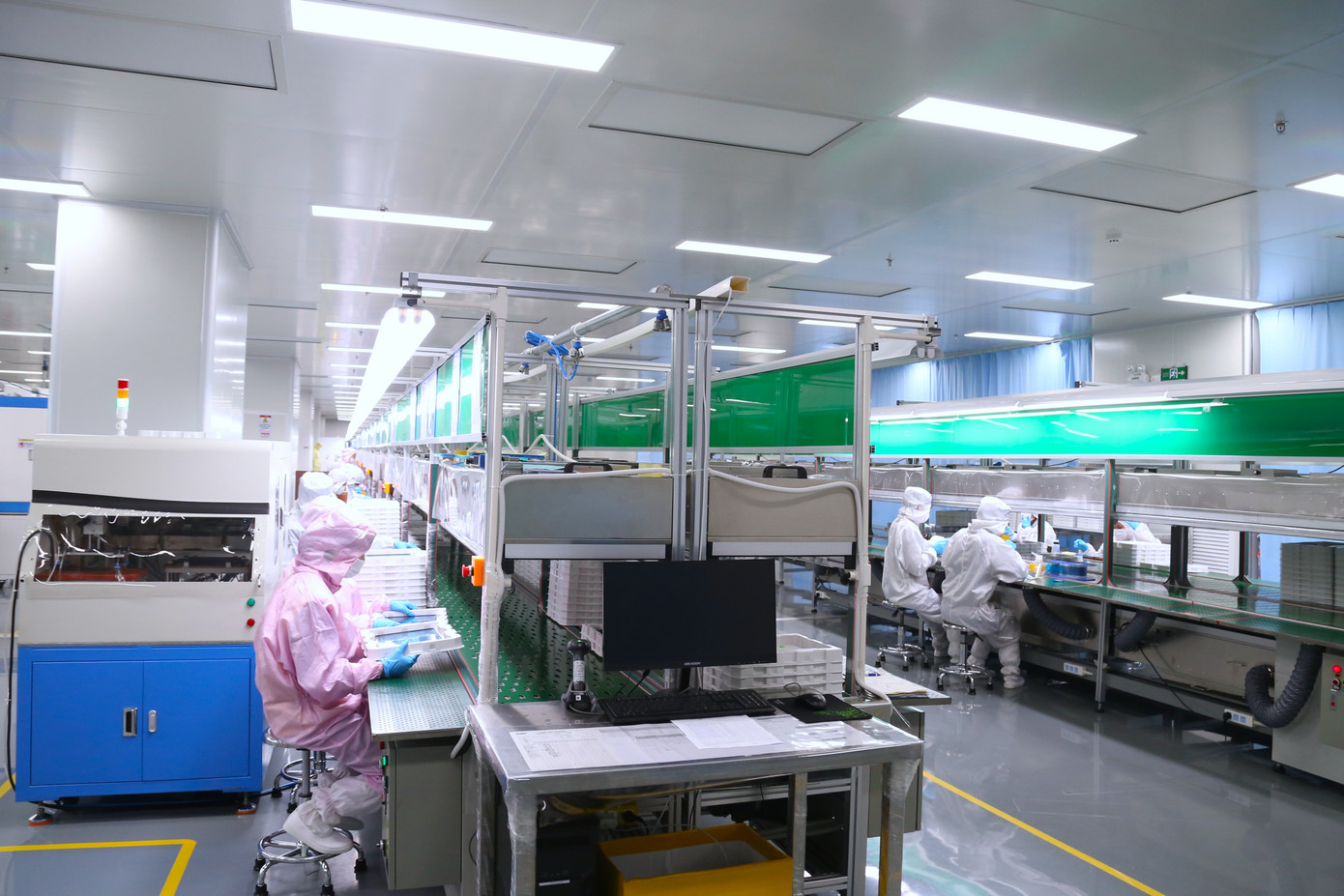
FDI enterprises will also create tens of thousands of jobs for local workers.
Notably, Nghe An is shifting its investment promotion focus from quantity to quality, prioritizing high-tech, high-value-added, and environmentally friendly sectors. Priority areas include electronics, semiconductors, renewable energy (LNG, green hydrogen, solar power), new materials, and smart manufacturing (AIoT, robotics, Industry 4.0).
This strategy underscores that economic growth cannot come at the expense of the environment and social welfare. Instead of becoming a low-value-added manufacturing hub, Nghe An aims to build an industrial ecosystem driven by technological innovation, clean energy, and a skilled workforce.
Developing Green and Sustainable Industry
In 2025, Nghe An is implementing plans to develop 4 new industrial parks, expanding by 760 hectares to accommodate high-tech and supporting industries. Infrastructure for transportation, electricity, water supply, and wastewater treatment is being upgraded systematically, aligning with green, smart, and sustainable principles.
The rapid growth of FDI projects has significantly increased labor demand. By 2025, FDI enterprises in Nghe An employed over 45,000 workers, a 78% increase from 2019, with an additional 70,000 jobs expected.
By integrating into FDI supply chains, Vietnamese enterprises in Nghe An can enhance production standards, quality management, and international competitiveness. If leveraged effectively, this integration will foster strong supporting industries, reducing reliance on imported components.
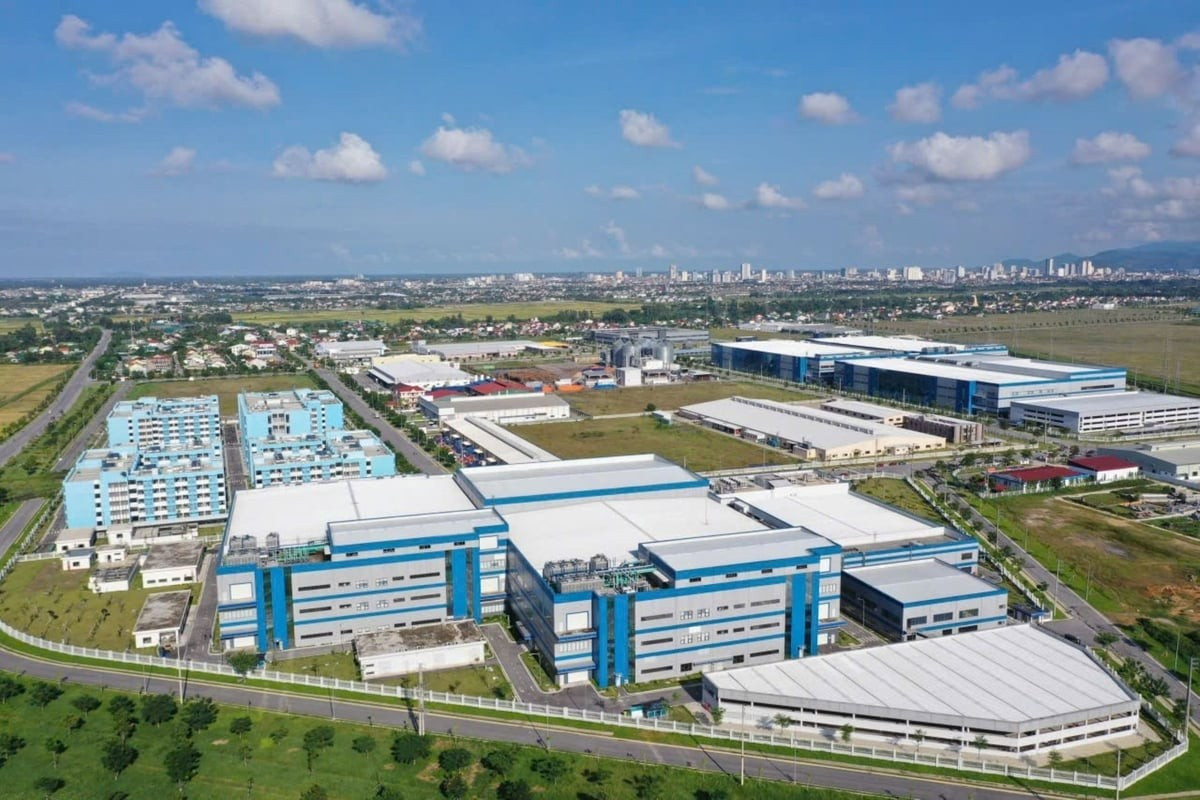
In recent years, Nghe An has attracted significant FDI inflows.
However, to ensure FDI drives green and sustainable industry, Nghe An faces challenges. These include the risk of over-reliance on FDI due to low localization rates and insufficient domestic enterprise capacity. Rapid project growth also strains infrastructure for transportation, electricity, water, and waste management.
To enhance competitiveness and attract investment, Nghe An is pursuing the “5 Readiness” strategy: ready infrastructure, cleared land, skilled workforce, preferential policies, and a business-friendly administrative environment. The province is also focusing on digital transformation, administrative reforms, and transparent investment procedures to maximize investor convenience.
To achieve a green industrial future, Nghe An must selectively attract projects, prioritizing high-tech, low-emission, and high-value-added initiatives while rejecting energy-intensive and polluting projects.
Investing in human resources is crucial, with partnerships between businesses, vocational schools, and universities to train engineers and technicians for electronics and energy sectors. Developing green, smart infrastructure—meeting international standards for energy efficiency, wastewater treatment, and connectivity—will ensure balanced economic growth, environmental protection, and social welfare.
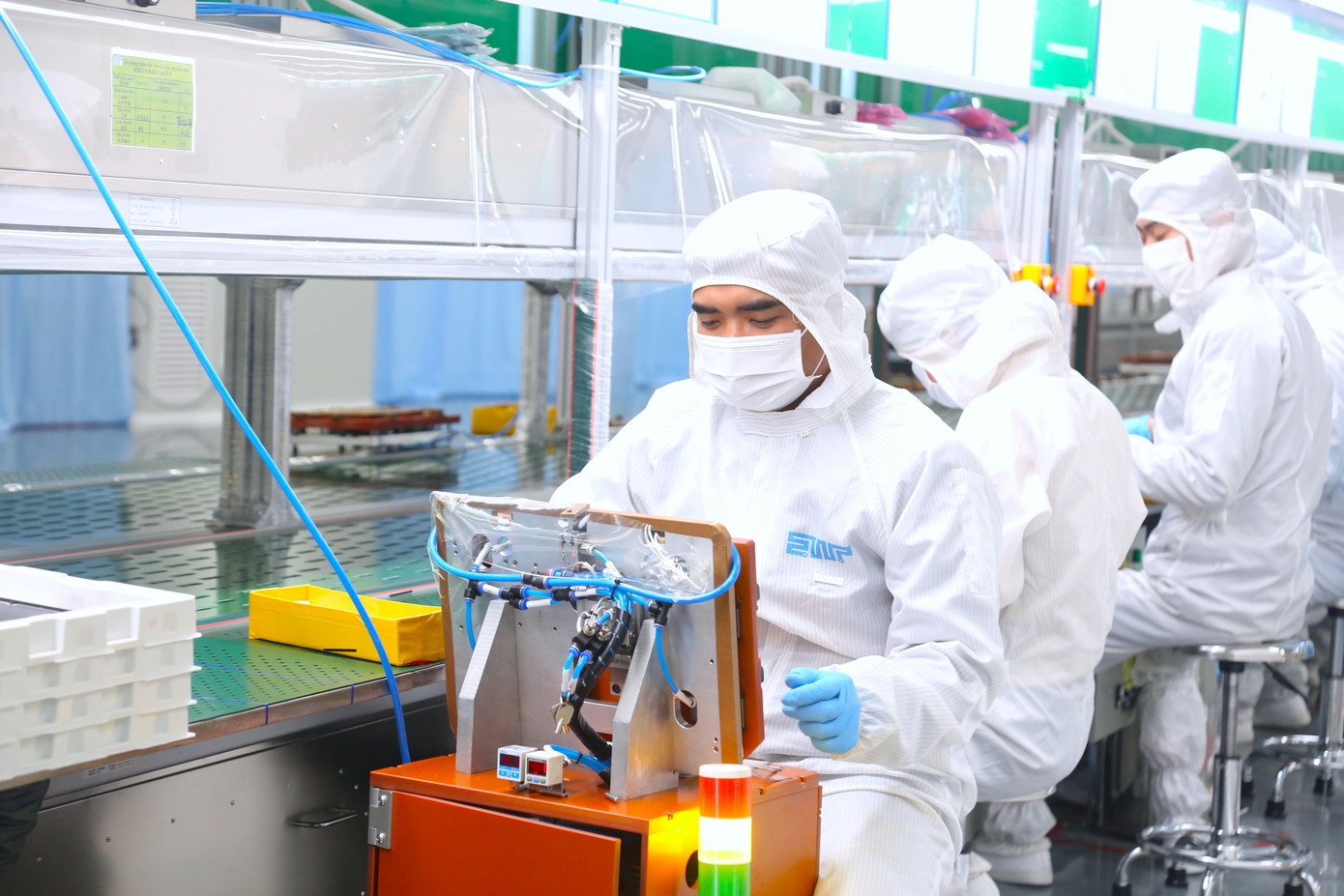
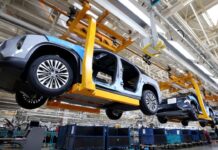
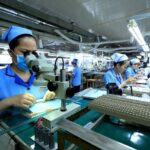
High-tech electronic component production at VSIP Nghe An Industrial Park.
Mr. Le Hong Vinh, Deputy Secretary of the Provincial Party Committee and Chairman of the Nghe An People’s Committee, shared: “The FDI achievements reflect the collective efforts of the entire political system, marking a new breakthrough in socio-economic development and economic restructuring. Nghe An’s consistent ranking in the top 10 for FDI attraction over three years demonstrates effective administrative reforms, enhanced competitiveness, and its appeal to investors.”
Vietnam’s Real Estate Market Enters a New Growth Cycle
Mr. MacGregor, Managing Director of Savills Vietnam, predicts that the market over the next decade will be shaped by three key drivers: a stable and transparent legal framework, robust FDI inflows, and infrastructure boom unlocking peripheral markets, thereby boosting affordable housing supply and logistics.
De Heus Aquafeed: Globally Certified Excellence in Aquatic Nutrition
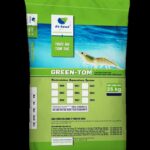
De Heus Vĩnh Long 4, a leading aquaculture feed mill, has recently achieved a significant milestone by obtaining the Global Aquaculture Alliance (GAA) Best Aquaculture Practices (BAP) certification. This recognition underscores De Heus’ unwavering commitment to fostering a sustainable, eco-friendly, and socially responsible aquaculture value chain, characterized by transparent governance and ethical practices.
From Low-Value Crop to Vietnam’s Export Superstar
Vietnam stands among the world’s leading coconut producers, boasting both vast cultivation areas and significant output. A decade ago, coconuts were virtually absent from the export map, yet today the industry’s revenue has surged to nearly one billion USD.
Bepharco’s Journey: 60 Years of Legacy, Nurturing the Next Generation of Pharmacists

With over 60 years of heritage since its inception as the Ban Dan Y Ben Tre Pharmaceutical Preparation Room in 1963, Ben Tre Pharmaceutical Joint Stock Company (Bepharco) has solidified its position as a leading pharmaceutical enterprise in Vietnam.
International Financial Center: Fueling Vietnam’s New Growth Cycle
Vietnam boasts a robust fiscal buffer and a public debt level well within safe limits, enabling the government to ramp up strategic public investment. This investment is directed toward bolstering digital economic infrastructure and modernizing financial institutions, fostering a more resilient and dynamic economy.